Plot Explained Spoilers guaranteed!
Plot Explained

Browse by genre

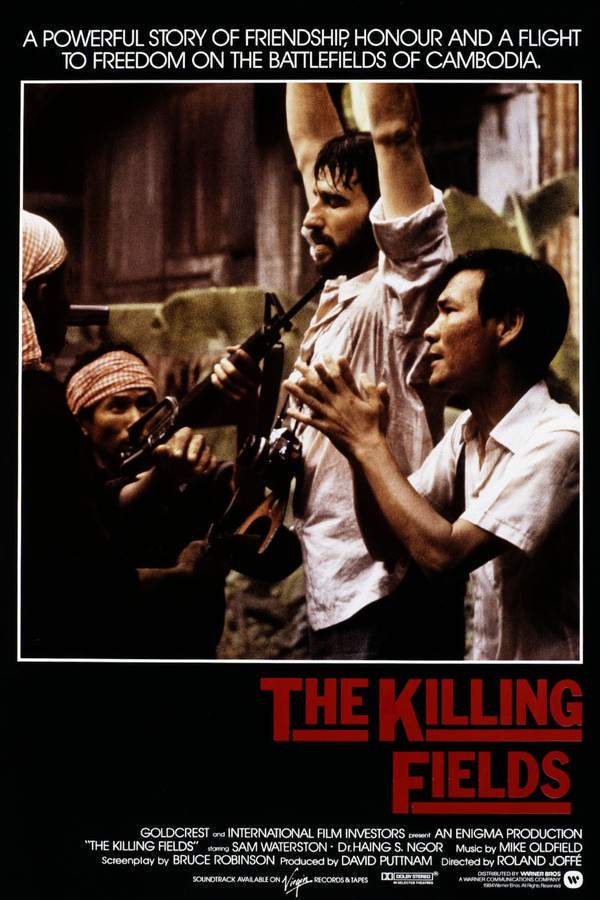
The Killing Fields (1985) movie poster

Characters & Themes

The Killing Fields (1985) Characters, Setting & Themes Explained

Release, runtime and language
1985 · 141 min · English
Loading streaming availability…
Directed by
Roland Joffé
Starring
Sam Waterston, Haing S. Ngor

During the Cambodian genocide, New York Times reporter Sydney Schanberg and photographer Al Rockoff form a close bond with local interpreter Dith Pran. As the Khmer Rouge seize control and the American forces withdraw, the three men face a desperate struggle for survival. Schanberg is forced to make difficult choices, confronting the moral complexities of reporting from a country descending into chaos and the agonizing decision of whether to stay or abandon those left behind.

On this page (9)
  1. 1 Where to watch
  2. 2 Characters explained (2)
  3. 3 Character relationship map
  4. 4 Where & when it takes place
  5. 5 Themes & meaning (3)
  6. 6 Character & meaning questions
  7. 7 Movie threads
  8. 8 Movies like The Killing Fields
  9. 9 Every angle
Loading streaming availability…

2 main characters · contains spoilers

The Killing Fields Characters Explained: Who Is Who

The main characters of The Killing Fields (1985), heroes and villains: what drives them, how they change over the course of the story and what each of them reveals about the film's bigger ideas.

  • Dith Pran

    played by Haing S. Ngor

    Dith Pran, portrayed by Haing S. Ngor, is a courageous Cambodian journalist who navigates the horrors of war while attempting to document the truth. His strong moral compass compels him to stay behind in Cambodia, even as circumstances spiral out of control. Pran's resilience is tested as he faces unimaginable hardship under the Khmer Rouge regime.

    • 📰 Journalist
    • 💔 Sacrifice
    • 🇰🇭 Cambodian
  • Sydney Schanberg

    played by Sam Waterston

    Sydney Schanberg, played by Sam Waterston, is a dedicated journalist who strives to report the truth amidst chaos. He grapples with the consequences of his choices and the responsibility he holds for Pran's fate. Schanberg's character embodies the struggle of balancing personal loyalty with professional ethics.

    • 📰 Journalist
    • 💪 Determination
    • 🌍 Human rights

Last updated: October 31, 2026 at 03:03

Was this helpful?

5 characters · 6 connections · contains spoilers

The Killing Fields Character Relationship Map

Who is connected to whom in The Killing Fields: family, love, friendships, rivalries and hidden ties, colour-coded. Pick a character to see their side of the story, or a connection to see what brings two characters together.

How much of the story to show
DPDith PranHaing S. NgorSSSydneySchanbergSam WaterstonARAl RockoffPFPran's familyPPhat

Last updated: October 31, 2026 at 03:03

Was this helpful?

Setting

Where and When Does The Killing Fields Take Place?

The setting of The Killing Fields (1985): the year and time period, the places and locations, and how they shape the characters, the mood and the tension of the story.

Time period

1973 - 1979

The movie unfolds during a turbulent period marked by the Cambodian Civil War and the Khmer Rouge's rise to power. The aftermath of the Vietnam War heavily influences the events, leading to widespread devastation and chaos. As the political climate shifts dramatically, individuals navigate their fates against a backdrop of international unrest and personal sacrifice.

Location

Phnom Penh, Neak Leung, San Francisco, New York City, Thai border

Phnom Penh, the capital of Cambodia, is depicted during a violent civil war. Known for its rich history and culture, the landscape is marred by conflict, particularly during the rise of the Khmer Rouge. Neak Leung is shown as a site of devastation where innocent lives are lost to American bombings. The transient scenes of New York City and San Francisco act as poignant backdrops to the story of longing and survival amidst war.

  • 🇰🇭 Cambodia
  • 🏙️ Cities
  • 🏞️ Borders

Last updated: October 31, 2026 at 03:03

Was this helpful?

3 major themes

The Killing Fields Meaning: Themes & Message Explained

What is The Killing Fields (1985) really about? The emotional, social and philosophical themes the film keeps returning to, its symbolism and the message beneath the surface.

  • Courage

    Courage manifests throughout the film as characters face life-threatening situations. Pran's bravery in the face of the Khmer Rouge threat reflects a strong will to survive and protect others. Similarly, Schanberg's determination to document the harrowing truths of war showcases an unwavering commitment to justice and humanity.

  • Friendship

    The bond between Pran and Schanberg illustrates the essence of friendship amid adversity. Their relationship deepens as they navigate the horrors of war together, showcasing loyalty and sacrifice. Pran's choice to stay in Cambodia for Schanberg highlights the profound connections that can arise even in the direst of circumstances.

  • Justice

    The pursuit of justice is a key theme as the film portrays the consequences of war on innocent lives. As Schanberg captures the atrocities of the Khmer Rouge regime, the film poses questions about accountability and the role of journalists in humanitarian crises. This theme resonates through Schanberg's later self-reflection on his responsibilities as a storyteller and a friend.

Last updated: October 31, 2026 at 03:03

Was this helpful?

Character & theme questions

The Killing Fields Characters & Meaning: Your Questions Answered

The questions people ask about The Killing Fields (1985): who the characters really are, their relationships, what the symbols mean, where it takes place and what the movie is really about. Each answer contains spoilers.

Q1

Where is The Killing Fields set?

The movie is primarily set in Cambodia, specifically in the capital city of Phnom Penh and the town of Neak Leung. It also includes scenes in New York City and San Francisco, showing the contrast between the war-torn country and the相对安全的西方城市。

  • cambodia
  • phnom penh
  • setting
  • locations
  • neak leung
Q2

When does The Killing Fields take place?

The film spans from 1973 to 1979, covering the Cambodian Civil War and the rise of the Khmer Rouge regime. This period includes the withdrawal of American forces and the subsequent genocide under Pol Pot's rule.

  • 1973
  • 1979
  • time period
  • khmer rouge
  • cambodian civil war
  • historical
Q3

What role does courage play in The Killing Fields?

Courage is a central theme demonstrated through both Dith Pran and Sydney Schanberg. Pran shows immense bravery by remaining in Cambodia under Khmer Rouge rule to survive and eventually document the atrocities. Schanberg demonstrates courage through his relentless commitment to reporting the truth about the genocide, even at great personal risk.

  • courage
  • bravery
  • theme
  • dith pran
  • sydney schanberg
  • journalism
Q4

What makes the friendship between Pran and Schanberg significant?

Their friendship exemplifies loyalty and sacrifice amid extreme adversity. Despite being from different backgrounds, a Cambodian journalist and an American reporter, they form a deep bond. When Schanberg leaves Cambodia, Pran makes the profound choice to stay, highlighting the selfless nature of their connection that transcends cultural and situational boundaries.

  • friendship
  • loyalty
  • dith pran
  • sydney schanberg
  • bond
  • sacrifice
Q5

How does The Killing Fields explore justice?

The film examines justice through Schanberg's work as a journalist documenting Khmer Rouge atrocities. It raises questions about accountability for war crimes and the responsibilities of journalists in humanitarian crises. Schanberg later grapples with guilt over leaving Pran behind, reflecting on his dual role as a reporter seeking justice through documentation and as a friend who felt responsible for Pran's survival.

  • justice
  • journalism
  • khmer rouge
  • accountability
  • war crimes
  • responsibility
Q6

Who is Dith Pran in The Killing Fields?

Dith Pran is a Cambodian journalist and the film's central character, portrayed by Haing S. Ngor. He serves as Sydney Schanberg's interpreter and forms a close bond with the American reporter. Pran possesses a strong moral compass and chooses to remain in Cambodia even as the situation deteriorates, ultimately surviving the Khmer Rouge genocide through remarkable resilience.

  • dith pran
  • character
  • cambodian journalist
  • haing s ngor
  • protagonist
Q7

Who is Sydney Schanberg in The Killing Fields?

Sydney Schanberg is a New York Times journalist played by Sam Waterston. He is a dedicated reporter determined to expose the truths of the Cambodian genocide. Throughout the film, he struggles with the moral complexities of balancing his professional duty to report with his personal responsibility to protect his friend Pran, ultimately facing guilt over his decision to leave Cambodia.

  • sydney schanberg
  • character
  • sam waterston
  • journalist
  • new york times
Q8

What historical events does The Killing Fields depict?

The film depicts the Cambodian Civil War (1970-1975), the rise of the Khmer Rouge, and the subsequent genocide from 1975 to 1979. It shows the American bombing of Cambodia during the Vietnam War, the fall of Phnom Penh, and the brutal forced evacuations and mass killings under Pol Pot's regime that killed approximately 2 million people.

  • khmer rouge
  • genocide
  • cambodian civil war
  • pol pot
  • historical events
  • 1970s
Q9

What was happening in Cambodia during the movie's timeframe?

During 1973-1979, Cambodia experienced devastating civil war followed by the Khmer Rouge's rise to power in 1975. The regime forcibly evacuated cities, abolished currency and religion, and systematically murdered intellectuals, minorities, and anyone perceived as enemies. This period, known as the Cambodian genocide, resulted in the deaths of roughly a quarter of Cambodia's population through execution, starvation, and forced labor.

  • khmer rouge regime
  • forced evacuation
  • genocide
  • cambodia history
  • pol pot
  • atrocities
Q10

What is the significance of Phnom Penh in The Killing Fields?

Phnom Penh, Cambodia's capital, serves as the initial setting showing the city before and during the civil war. The film depicts its fall to the Khmer Rouge in 1975, when the regime forcibly evacuated the entire population, transforming a thriving city into a ghost town. The city's fate represents the broader destruction wrought by the regime on Cambodian society and culture.

  • phnom penh
  • city
  • capital
  • evacuation
  • khmer rouge
  • cambodia
Q11

How does The Killing Fields portray American involvement in Cambodia?

The film shows the devastating impact of American military involvement, particularly through the bombing of Neak Leung and surrounding areas in 1973. These bombings, part of the Vietnam War's spillover, caused significant civilian casualties and devastation. The subsequent withdrawal of American forces left Cambodia vulnerable to the Khmer Rouge's takeover, a decision Schanberg witnesses firsthand.

  • american bombing
  • vietnam war
  • neak leung
  • us military
  • withdrawal
  • cambodia
Q12

What is the significance of the film's ending?

The film's ending, where Pran and Schanberg are reunited in New York, provides a moment of hope but remains bittersweet. While their friendship survives, Pran carries immense trauma from losing family members to the genocide. The reunion is overshadowed by the immense loss and suffering both experienced, reflecting the lasting psychological impact of the genocide on survivors and those who left.

  • reunion
  • ending
  • bittersweet
  • new york
  • trauma
  • survival
  • ptsd

Movie threads

More Movies Like The Killing Fields, by Mood & Story

Curated lists built around what makes The Killing Fields tick: the same mood, the same kind of story or the same emotional payoff. Each list explains why these movies belong together.

War journalism movies like The Killing Fields

Journalists confront the moral weight of truth-telling in violent conflict zones. If you were gripped by the ethical struggles of reporters in The Killing Fields, explore these similar films about war journalists. These movies delve into the moral weight of reporting from conflict zones, the bond between correspondents and their local interpreters, and the trauma of witnessing human suffering up close.

  • tense
  • urgent
  • thought-provoking
  • guilt-ridden
  • grim
  • harrowing
  • Tone: dark, urgent, guilt-ridden
  • Pacing: steady, immersive
Why these movies?

The story pattern: These narratives typically follow journalists who enter a war zone with professional detachment, only to be consumed by the human crisis around them. The plot revolves around their struggle to survive and report the truth while facing impossible moral choices, often involving the safety of their local colleagues. The arc is one of professional duty colliding with profound personal guilt and survival.

Why they belong together: They are grouped by their shared focus on the war journalism profession as a lens to examine larger moral and political issues. The experience is defined by high-stakes survival, a sense of urgent, on-the-ground reporting, and a deep exploration of the guilt and responsibility that comes with being a witness to atrocity.

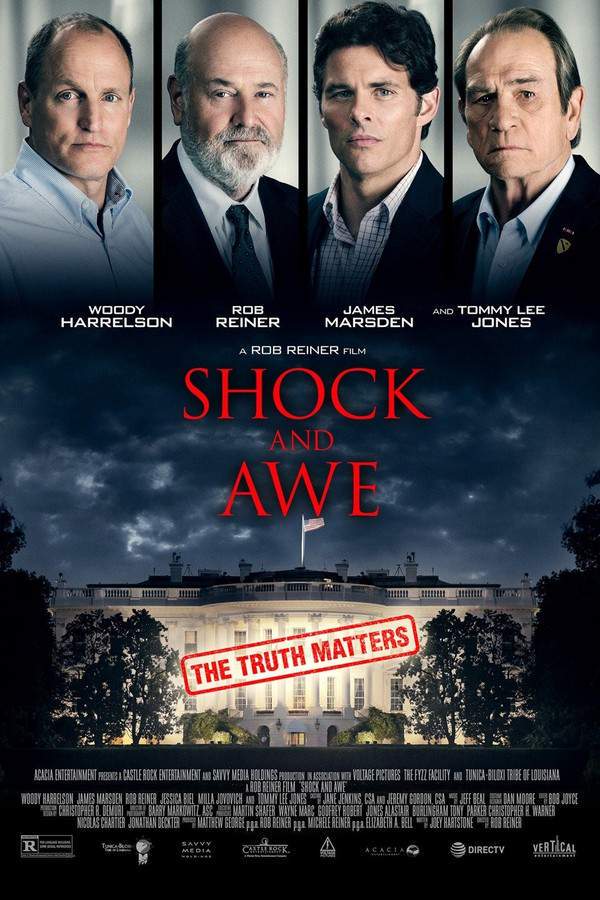
Political survival dramas like The Killing Fields

Ordinary people endure the brutal chaos of a country descending into tyranny. For viewers seeking more films like The Killing Fields that depict the brutal reality of survival during political collapse. These harrowing dramas are set against real historical genocides or revolutions, focusing on the physical and moral struggle to endure in a world descending into chaos and tyranny.

  • harrowing
  • brutal
  • grim
  • somber
  • tense
  • urgent
  • Tone: dark, brutal, harrowing
  • Pacing: steady, relentless
Why these movies?

The story pattern: The narrative pattern follows a group of characters—often a mix of outsiders and locals—as a stable society rapidly disintegrates into violence and repression. The story is a linear descent into hell, focusing on day-to-day survival, impossible choices, and the loss of humanity. The journey is one of endurance against overwhelming odds, often culminating in a bittersweet or bleak resolution that underscores the immense cost of survival.

Why they belong together: These films share a specific, intense vibe: the experience of being trapped in a historical nightmare. They are united by their grim, documentary-like realism, high emotional weight, and a steady pacing that builds a suffocating sense of dread. The central theme is the human spirit tested by extreme political violence.

If you liked this

Movies Like The Killing Fields

Similar movies to The Killing Fields: the same genre, themes or kind of story. Each one comes with its own plot summary, timeline and ending explained.

Browse all movie summaries

Every angle

The Killing Fields (1985) Explained: Plot, Timeline & Characters

Everything about The Killing Fields in one place: what happens in the plot summary, the timeline in chronological order, the characters and meaning and a spoiler-free summary. What's After the Movie adds the cast, box office and post-credit scenes.

Coming soon on iOS and Android

The Plot Explained Movie Summary App

Plot summaries, endings explained and timelines on your phone. Catch up on any movie in minutes, save your favorites and never miss a twist again.

Be the first to know when we launch. Your email stays private, always.

Learn more about the app