Plot Explained Spoilers guaranteed!
Plot Explained

Browse by genre

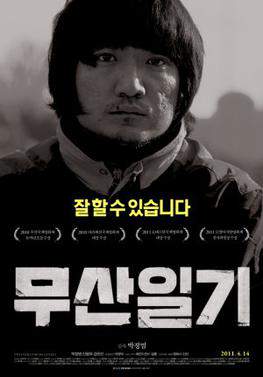
The Journals of Musan (2011) movie poster

Timeline

The Journals of Musan (2011) Timeline Explained – Every Event in Order

Release, runtime and language
2011 · 127 min · Korean
Directed by
Jung-bum Park

In 2014, Ian Reynolds isolates himself in his parents' bathroom, desperately awaiting a cure for a devastating alien invasion caused by parasites. While in isolation, he begins to meticulously record his observations and personal reflections, hoping for news from his first love, who he fears may be affected by the crisis. He chronicles his experiences, clinging to hope amidst the unfolding global catastrophe.

On this page (4)
  1. 1 Events in order (15)
  2. 2 Timeline questions answered
  3. 3 Movie threads
  4. 4 Every angle

15 events in order · contains spoilers

The Journals of Musan Timeline: Events in Chronological Order

Every key event of The Journals of Musan (2011) in order, scene by scene, with when and where it takes place. Use it to untangle flashbacks, time jumps and parallel storylines, to refresh your memory before the sequel or to find the exact scene you are thinking of.

  1. Seung-chul's Escape

    Seung-chul, a North Korean refugee, begins his challenging life in Seoul after escaping his oppressive homeland. With his resilient spirit, he seeks to adapt to the fast-paced and often unforgiving city.

    Where
    Seoul
  2. Living with Kyung-chul

    Seung-chul shares an apartment with Kyung-chul, a morally ambiguous broker who exploits the vulnerabilities of refugees. Their contrasting reactions to life’s struggles highlight the deep divide between their personalities.

    Where
    Seoul
  3. Pasting Ads

    Seung-chul takes on the arduous task of pasting ads for adult entertainment venues, a job fraught with danger and harassment from local thugs. This early employment reflects the humiliation he often faces as a refugee.

    Where
    Seoul
  4. Job Rejections

    In his quest for a stable job, Seung-chul applies to various positions but continually faces rejection due to his North Korean citizenship status. The harsh reality of his past haunts him with every failed attempt.

    Where
    Seoul
  5. Night Shift at Karaoke Bar

    Seung-chul finally secures a job at a karaoke bar, where he encounters Young-sook, the owner’s daughter, who knows him from church. Their initial connection, however, is marred by the necessity to keep their professional and personal lives separate.

    Where
    Karaoke Bar, Seoul
  6. Confrontation Over Songs

    The atmosphere at the karaoke bar turns tense when Young-sook confronts Seung-chul about his choice of songs, misunderstanding his explanation about avoiding North Korean folk songs. This altercation leads to Seung-chul's abrupt dismissal from the bar.

    Where
    Karaoke Bar, Seoul
  7. Prayer Meeting

    During a somber prayer meeting attended by Detective Park, Seung-chul's past as a North Korean defector comes to light. This moment forces him to confront the buried trauma and guilt that have followed him from his homeland.

    Where
    Church in Seoul
  8. Childhood Tragedy

    Flashbacks reveal Seung-chul's traumatic childhood in North Hamgyong, where he suffered from malnutrition and experienced a heartbreaking loss. A dispute over food with a friend ends tragically, leaving him carrying the weight of guilt for years.

    Where
    North Hamgyong, North Korea
  9. Detective Park's Harsh Words

    Following the prayer meeting, Detective Park's cruel words cut deep into Seung-chul, who feels the sting of public shame and judgement. This incident serves as a painful reminder of the stigma surrounding his past as a refugee.

    Where
    Church in Seoul
  10. Young-sook's Compassion

    Young-sook reaches out to Seung-chul after witnessing his distress, offering to reinstate him at the karaoke bar and expressing a desire for friendship. Although touched by her kindness, Seung-chul remains guarded, still haunted by his past.

    Where
    Church in Seoul
  11. Baek-gu Goes Missing

    Returning to his apartment, Seung-chul realizes his beloved dog Baek-gu has gone missing due to Kyung-chul's negligence. This adds another layer of despair to his already turbulent life.

    Where
    Seoul
  12. Reunion with Baek-gu

    In a desperate search, Seung-chul finds Baek-gu rummaging through trash, leading to an emotional reunion. This moment highlights the devotion and loyalty that endure despite dire circumstances.

    Where
    Seoul
  13. Kyung-chul's Manipulation

    Kyung-chul, showing a rare moment of regret, pressures Seung-chul into helping retrieve hidden cash to be retrieved from Baek-gu's space. Seung-chul reluctantly agrees, though he knows their friendship is beyond repair.

    Where
    Apartment, Seoul
  14. Gang Confrontation

    When Seung-chul enters their apartment, he’s ambushed by a gang demanding information about Kyung-chul. Standing firm, he opts for silence in the face of threatening demands, showcasing his resilience.

    Where
    Apartment, Seoul
  15. Tragic Loss of Baek-gu

    Seung-chul's world shatters when he discovers Baek-gu's lifeless body after the dog is struck by a vehicle. This heart-wrenching incident underscores the cruel realities of his life, as he faces yet another profound loss.

    Where
    Seoul

Last updated: November 17, 2024 at 22:16

Was this helpful?

Timeline questions answered

The Journals of Musan Timeline Explained: Your Questions Answered

When does it happen, and why in that order? The questions people ask about the chronology of The Journals of Musan (2011): time jumps, flashbacks, cause and effect between scenes and the correct order of events, each answered with spoilers.

Q1

Why does Seung-chul tolerate so much abuse and mistreatment?

Seung-chul's extreme patience stems from his traumatic past in North Korea and his guilty conscience over accidentally causing his friend's death. He carries profound self-loathing and feels he deserves the mistreatment. Additionally, as a North Korean refugee facing constant discrimination, he has internalized his marginal status and believes resistance would only make things worse.

Foreshadowing: Earlier scenes show Seung-chul accepting humiliating jobs like pasting ads for adult venues, establishing his pattern of被动接受的性格.

  • seung-chul
  • refugee
  • stoicism
  • discrimination
  • motivation
Q2

Why does Young-sook fire Seung-chul from the karaoke bar?

Young-sook fires Seung-chul after a confrontation about his song choices. When female staff tease him about singing hymns, Seung-chul explains he doesn't know popular South Korean songs and avoids North Korean folk songs. Young-sook misunderstands this as deception, believing he deliberately chose inappropriate songs to impress the women. Her anger stems from wanting to keep her separate professional and religious worlds distinct.

Foreshadowing: Before hiring him, Young-sook explicitly warns Seung-chul to keep their church and work lives separate.

  • young-sook
  • firing
  • karaoke bar
  • confrontation
  • misunderstanding
Q3

Why does Detective Park call Seung-chul a killer?

Detective Park's cruel remark refers to Seung-chul's buried past. As a child in North Hamgyong province, Seung-chul had a dispute with a friend over food. The following day, he learned his friend died, likely from complications related to their conflict. Though the death may have been accidental, Seung-chul has carried years of guilt, believing he bears responsibility for his friend's demise.

Foreshadowing: The flashback reveals Seung-chul learning of his friend's death the day after their food dispute, immediately establishing his lasting guilt.

  • detective park
  • killer
  • childhood
  • guilt
  • north korea
  • food dispute
Q4

What happened between Seung-chul and his friend in North Korea?

As a starving child in impoverished North Hamgyong, Seung-chul had a violent dispute with a friend over food. The exact circumstances of the friend's subsequent death remain unclear, but Seung-chul learned of the tragedy the very next day. This event left him consumed by guilt and self-reproach, a burden he carried all the way to South Korea.

Foreshadowing: The film establishes the extreme poverty and malnutrition in North Hamgyong early in the flashback sequence.

  • childhood
  • friend death
  • north hamgyong
  • guilt
  • food dispute
Q5

Why does Kyung-chul want to retrieve money hidden in Baek-gu's space?

Kyung-chul reveals he previously hid cash in Baek-gu's collar or belongings, likely obtained through his shady broker dealings. When he claims regret for neglecting the dog and pressures Seung-chul to help retrieve the money, it becomes clear this is another self-serving manipulation. The 'sincere cash' represents his typical exploitation of situations for personal gain.

Foreshadowing: Kyung-chul's character is established as a morally unscrupulous broker who takes advantage of other refugees.

  • kyung-chul
  • money
  • b Baek-gu
  • manipulation
  • broker
Q6

How does Baek-gu die?

After Kyung-chul's schemes make their apartment dangerous, Seung-chul starts leaving Baek-gu outside at night. One evening, while Seung-chul works at the karaoke bar, Baek-gu is struck and killed by a car on the busy road. The death is sudden and brutal, a driver too impatient to avoid the dog.

Foreshadowing: Seung-chul's decision to leave Baek-gu outside directly follows Kyung-chul's dangerous schemes making home unsafe.

  • baek-gu
  • dog death
  • car accident
  • tragedy
Q7

Why is Baek-gu's death significant to the story?

Baek-gu's death represents the final crushing blow in Seung-chul's series of losses. The dog was his only source of unconditional loyalty and companionship in an alienating city that has only brought him suffering. Its death underscores the film's theme that even small comforts are stripped away from those already broken by life. The loyal creature's violent end mirrors Seung-chul's own vulnerability in an indifferent world.

Foreshadowing: Earlier scenes emphasize the deep bond between Seung-chul and Baek-gu, with Seung-chul desperately searching for the missing dog.

  • baek-gu
  • loyalty
  • loss
  • symbolism
  • theme
Q8

Why does Young-sook reach out to Seung-chul after the prayer meeting?

After witnessing Detective Park publicly shame Seung-chul with his cruel words, Young-sook approaches him with compassion. She apologizes for not understanding his background and offers to rehire him at the karaoke bar. Her offer represents genuine human connection and a desire to help, offering friendship to someone who has experienced nothing but rejection. This moment provides a brief flicker of hope in the otherwise bleak narrative.

Foreshadowing: Young-sook's presence at the prayer meeting and her witness of Seung-chul's humiliation set up her compassionate response.

  • young-sook
  • compassion
  • friendship
  • church
  • support
Q9

Why does Seung-chul remain emotionally guarded despite Young-sook's kindness?

Seung-chul's emotional walls stem from years of trauma, guilt over his friend's death, and the constant shame of his refugee status. He believes himself undeserving of kindness and fears that opening up will only invite more pain. His guarded response to Young-sook's compassion reflects his internalized belief that his dark history permanently disqualifies him from happiness or connection.

Foreshadowing: Seung-chul's pattern of suppressing emotions is established early through his passive acceptance of mistreatment.

  • seung-chul
  • emotional wall
  • guilt
  • trauma
  • guarded
Q10

Why does Seung-chul keep getting rejected from jobs despite his willingness to work?

Every time Seung-chul applies for employment and presents his citizen registration number, which reveals his North Korean origin, he faces immediate rejection. This reflects the deep-seated prejudice against North Korean refugees in South Korean society. His registration number serves as a constant reminder of his status as a defector, making him undesirable to employers despite his hard-working nature.

Foreshadowing: The film establishes early that Seung-chul's North Korean identity is his primary obstacle.

  • job rejection
  • discrimination
  • north korean
  • citizen registration
  • employment

Movie threads

More Movies Like The Journals of Musan, by Mood & Story

Curated lists built around what makes The Journals of Musan tick: the same mood, the same kind of story or the same emotional payoff. Each list explains why these movies belong together.

Movies about outsider isolation like The Journals of Musan

Solemn stories about individuals struggling to find their place in an unwelcoming world. Explore movies like The Journals of Musan that depict the lonely struggles of outsiders and refugees. These similar drama stories focus on themes of social alienation, the search for belonging, and the quiet hardships of adapting to a hostile world.

  • lonely
  • melancholic
  • somber
  • oppressive
  • quiet
  • resigned
  • Tone: melancholic, somber
  • Pacing: slow, deliberate
Why these movies?

The story pattern: Narratives in this thread typically follow a quiet, linear path, charting the day-to-day hardships and small indignities faced by a protagonist who is unable to integrate. The conflict is often internal and societal, built from a relentless accumulation of micro-rejections rather than a single dramatic event, leading to a sense of resigned sadness.

Why they belong together: Movies are grouped here because they share a core focus on the emotional and social isolation of an outsider. They utilize a similar melancholic tone, slow pacing to emphasize daily struggle, and a straightforward narrative structure that prioritizes character study over complex plotting.
Somber survival dramas like The Journals of Musan

Bleak, character-driven journeys where the main battle is against despair itself. Find movies similar to The Journals of Musan that explore the emotional toll of survival. If you liked its portrayal of refugee trauma, quiet despair, and the heavy weight of loss, these films offer comparable bleak and emotionally heavy journeys.

  • somber
  • bleak
  • heavy
  • despair
  • trauma
  • loss
  • Tone: melancholic, bleak
  • Pacing: slow, cumulative
Why these movies?

The story pattern: The narrative pattern involves a protagonist enduring a series of setbacks and losses, with any fleeting moments of hope ultimately extinguished. The journey is a downward emotional arc, emphasizing the crushing weight of circumstances rather than a triumphant overcoming. Endings are typically sad or bleak, cementing the film's overarching theme of resigned hardship.

Why they belong together: These films are united by their heavy emotional weight, sad endings, and a focus on the grim realities of survival—be it physical, emotional, or social. They share a melancholic tone, straightforward narrative complexity, and a pacing that allows the full weight of despair to accumulate.

Every angle

The Journals of Musan (2011) Explained: Plot, Timeline & Characters

Everything about The Journals of Musan in one place: what happens in the plot summary, the timeline in chronological order, the characters and meaning and a spoiler-free summary. What's After the Movie adds the cast, box office and post-credit scenes.

Coming soon on iOS and Android

The Plot Explained Movie Summary App

Plot summaries, endings explained and timelines on your phone. Catch up on any movie in minutes, save your favorites and never miss a twist again.

Be the first to know when we launch. Your email stays private, always.

Learn more about the app