
Diary of a Teenage Hitchhiker
Year: 1979
Runtime: 96 mins
Language: English
Director: Ted Post
Defying her parents, a head‑strong 17‑year‑old girl teams up with friends to become regulars on the local beach‑bound hitchhiking circuit. Their carefree rides take a dark turn when a seemingly ordinary driver reveals himself as a homicidal maniac, leading the group toward a fatal end.
Warning: spoilers below!
Haven’t seen Diary of a Teenage Hitchhiker yet? This summary contains major spoilers. Bookmark the page, watch the movie, and come back for the full breakdown. If you're ready, scroll on and relive the story!
Diary of a Teenage Hitchhiker (1979) – Full Plot Summary & Ending Explained
Read the complete plot breakdown of Diary of a Teenage Hitchhiker (1979), including all key story events, major twists, and the ending explained in detail. Discover what really happened, and what it all means.
In the fictional Southern California town of Port Kirby, almost 18-year-old Julie Thurston [Charlene Tilton] joins her tight-knit circle of friends—Cathy [Dominique Dunne], Francine [Shelly Batt], and Dana [Karlene Crockett]—on a summer rite of passage: a hitchhiking circuit that’s popular among the town’s teen girls. It’s the season after their high school graduation, a time when the beach calls and futures feel both close and uncertain. Julie loves sculpting and envisions a future shaped by art, yet her boyfriend Nick [Christopher Knight] seems to have his own plans that don’t quite align with hers. Francine is grounded and focused, chasing beauty college and a steadier path, while Dana lives life in the fast lane, a wild party girl who even hints at spy ambitions. Cathy, meanwhile, carries a secret—the weight of an unplanned pregnancy—that only her closest friends know about.
From the outset, these four girls treat hitchhiking as a practical necessity rather than a reckless thrill, navigating the town’s roads with a mix of daring and teenage bravado. Their decision to rely on lifts, often against parental warnings, creates a braid of dependence, freedom, and risk that frames the summer’s events. Julie’s parents grow increasingly anxious about her safety, especially with rumors swirling about a predatory stranger prowling the area. Julie’s younger sister Trish Thurston [Katy Kurtzman] also senses the tension, understanding that the carefree days of youth can suddenly turn perilous.
To make ends meet and fuel her dream of a car, Julie takes a job at the local beach hangout, Karp’s Kave, where she works alongside friends and acquaintances who become part of her daily rhythm. The ride to work is sometimes shared with Roz, a friend who provides occasional moped transportation when she’s not hitching, adding another layer to Julie’s routine. As the days pass, the dynamics among the friends shift: Nick’s arrival at the workplace rekindles old tensions, and his later decision to step away from Julie’s life underscores the fragility of relationships under the pressures of youth and independence.
Julie’s connection with an older man, Ron Leland [James Carroll Jordan], emerges as a pivotal turn in her life. Ron’s encouragement of her sculpting talents offers a glimpse of a possible future outside Port Kirby, and Julie begins to listen to the possibility of a more formal path in the arts. This budding relationship becomes a counterpoint to the instability of her friendships and the uncertainties of the road she’s choosing—one that’s paved with both opportunity and danger.
Meanwhile, Dana faces a setback when a car accident totalizes her own vehicle. Although she survives the crash and is physically fine, the incident forces her to rely even more on hitchhiking to move around, intensifying the precariousness of her daily life. Cathy’s situation grows more complicated as she contemplates abortion; the emotional burden tightens its grip as she grapples with a decision that tears at the fabric of her friendships and family. The group’s camaraderie is tested by these heavy realities, and the beach bonfire nights become a fragile respite where Cathy’s mood darkens, and Julie tries to be the steady presence for her friend.
The danger lurking on the roads becomes a more concrete menace when Cathy is assaulted by the predator during a ride to the doctor. The attack leaves Cathy physically scarred and emotionally shaken, and it triggers a hospital stay that culminates in a miscarriage. The incident shatters the illusion of safety that the girls had clung to during their summer freedom, forcing them to confront the grim consequences of naïveté and the real-world risks of hitchhiking. Julie is one of Cathy’s most steadfast supporters in the hospital, providing a fragile beacon of hope in a moment of trauma.
The nightmare intensifies when Dana becomes the predator’s second victim, dying in a car crash orchestrated as the predator tries to outrun the authorities. The terrible turn of events crushes the group’s sense of invulnerability and sets in motion a cascading wave of grief, guilt, and fear. The funeral marks a somber turning point for Julie, as Ron remains a source of comfort and a potential doorway to a different future. He invites her to Los Angeles to pursue her sculpting ambitions, presenting a path that promises both artistic fulfillment and a chance to escape the heavy shadows of Port Kirby.
Julie accepts the invitation, and her time in Los Angeles with Ron proves transformative. The pair share moments of excitement and possibility, including the prospect of scholarship opportunities that could launch her artistic career. When Julie returns home to consider the future, Ron follows up with news that he has leveraged connections to help with samples of her work, painting a picture of a brighter horizon and validating her talent in her own eyes. The idea of a life devoted to sculpture feels suddenly tangible, and Julie’s parents begin to see Ron as a positive influence who could guide her toward a meaningful, independent future.
Yet the journey back to Port Kirby is fraught with tension. Julie decides to hitchhike back to Los Angeles to present her work, a move that carries the same risk as her earlier travels but now carries even more weight given the stakes of her future. In a cruel echo of the past, she ends up in a ride with the very predator who attacked Cathy and later menaced Dana. The attack tests Julie’s resilience in a new, intimate way, but she survives, drawn back into the arms of her supportive family who stand by her during the recovery.
The aftermath centers on a reinvigorated sense of resilience. Julie’s parents express pride in her bravery and her willingness to push forward, while they come to trust that Ron’s influence is guiding her toward something constructive and real—an opportunity to study art and sculpting in Los Angeles rather than remaining in a town that feels increasingly dangerous. The final act glances toward a hopeful future for Julie, hinting at all the potential a young artist can realize with courage, practical support, and a clear sense of direction.
As the credits loom, Port Kirby’s quiet tragedy lingers, and the camera lingers on Trish, who is shown attempting to hitch a ride herself. The film leaves audiences with a sobering moral: hitchhiking, especially for young women, carries risks that can alter lives in an instant. The narrative threads—ambition, friendship, love, danger, and the pull of a brighter future—remain interwoven, suggesting that personal safety and informed choices are the true compass for those who dream of what lies beyond their hometown. The story anchors its message in a human scale, softening the edges of tragedy with the resilience of its central character and the steadfast support of those who believe in her.
Note: First-time mentions of the following characters include actor-linked references:
- Julie Thurston [Charlene Tilton]
- Cathy Robinson [Dominique Dunne]
- Francine [Shelly Batt]
- Dana [Karlene Crockett]
- Nick [Christopher Knight]
- Ron Leland [James Carroll Jordan]
- Trish Thurston [Katy Kurtzman]
Last updated: October 09, 2025 at 10:43
Diary of a Teenage Hitchhiker (1979) Plot Questions Answered – Summary FAQ
Explore frequently asked questions about Diary of a Teenage Hitchhiker (1979) with spoiler-rich answers covering the full plot summary, major story beats, character motivations, hidden details, and ending meaning. This movie summary FAQ helps explain confusing scenes, plot twists, and narrative decisions in clear, searchable detail.
Why does Julie decide to hitchhike back to Los Angeles after the predator attacks?
Julie decides to hitchhike to Los Angeles to pursue a scholarship opportunity for her sculpture work. Ron had called with news that he helped arrange a potential scholarship, and Julie needed to return to Port Kirby to gather samples of her work to present. Despite knowing the danger after the predator attacked Cathy and killed Dana, Julie makes the risky choice to hitchhike again because the opportunity represents a chance to escape Port Kirby and build a meaningful future as an artist. The decision reflects her determination to not let the tragedies derail her ambitions.
Earlier in the film, Ron encourages Julie's sculpting talent and promises to help her find formal training in Los Angeles, establishing the scholarship as a key motivation.
How does Cathy get attacked by the predator?
Cathy is attacked while hitchhiking to a doctor's appointment for her planned abortion. She picks up a ride from the predator, who assaults her during the trip. The attack leaves Cathy physically scarred and emotionally traumatized. She is hospitalized and ultimately suffers a miscarriage as a result of the assault. This event marks the first major tragedy that shatters the group's sense of safety and exposes the real danger lurking on Port Kirby's roads.
Earlier, rumors circulate about a predatory stranger prowling the area, and Dana's father warns her about the dangers of hitchhiking.
What happens to Dana in the movie?
Dana becomes the predator's second victim and dies in a car crash orchestrated by the killer. After Cathy's attack, Dana continues hitchhiking and the predator deliberately causes a crash while trying to outrun authorities. Dana dies in the accident while the predator survives. Her death occurs shortly after Cathy's assault and serves as the second major tragedy that convinces the group that the danger is real and deadly.
Dana's car was previously totaled in a hitchhiking incident, making her even more dependent on rides from strangers.
Why does Julie go to Los Angeles with Ron?
Julie goes to Los Angeles with Ron because he offers her a path toward her dream of becoming a sculptor. Ron is an older man who believes in her artistic talent and uses his connections to help her pursue formal art training. After Dana's funeral, Ron consoles Julie and invites her to LA, presenting the opportunity as a way to escape the dangerous environment of Port Kirby and pursue a meaningful career. Julie's parents reluctantly agree, hoping the move will keep her safe and give her a constructive future.
Julie first meets Ron shortly after her breakup with Nick, when he encourages her sculpting ambitions and mentions connections in Los Angeles.
What does the ending with Trish hitchhiking mean?
The ending shows Julie's younger sister Trish attempting to hitchhike, echoing the dangerous choices that led to the tragedies in the film. This closing image serves as a sobering moral message that the cycle of risky behavior could continue. Despite Julie having survived and found a hopeful path forward through art, the film suggests that Trish may be heading toward the same peril. The visual callback underscores the film's warning about the dangers of hitchhiking, especially for young women, and implies that the lessons learned may not prevent the next generation from making the same mistakes.
Throughout the film, Julie's parents warn her about hitchhiking dangers, and Trish watches her sister make these choices.
Why does Nick break up with Julie?
Nick breaks up with Julie after she starts working at Karp's Kave and their relationship begins to strain under the pressures of youth and independence. Nick shows up at her workplace and ends the relationship, deciding to go back on the road. The breakup happens around the same time Julie is navigating her friends' problems and her own uncertainty about the future. Julie's friends reassure her that she is better off without him, and the split ultimately redirects her emotional energy toward her art and her developing relationship with Ron.
From the beginning, Nick seems to have plans that don't align with Julie's dreams of becoming a sculptor.
How does the predator find and target his victims?
The predator operates by picking up hitchhiking girls in Port Kirby, using the trust that young women place in giving rides to strangers. He specifically targets girls who rely on hitchhiking as their main transportation, taking advantage of their vulnerability. For Cathy, he intercepts her during a ride to her doctor's appointment for an abortion, suggesting he may have been watching the girls' routines. The predator uses his car as a weapon, causing Dana's fatal crash while trying to escape authorities. The film establishes that rumors of a predatory stranger circulate before the attacks, but the girls continue hitchhiking despite the warnings.
Rumors about a maniac predator driving around Port Kirby loom over the group from mid-summer onward.
What happens to Cathy after the assault?
After the assault, Cathy is hospitalized with physical injuries and emotional trauma. She suffers a miscarriage as a result of the attack, losing the baby she was planning to terminate. The attack shatters the illusion of safety the girls had enjoyed during their carefree summer. Julie becomes one of Cathy's most steadfast supporters during her hospital stay, providing emotional support as her friend recovers. The incident permanently changes the group dynamics and marks the point where the story shifts from teenage freedom to real danger.
Cathy had been keeping her pregnancy secret from everyone except her closest friends, adding emotional strain throughout the summer.
Why does Julie trust Ron despite the predator attacks?
Julie trusts Ron because he represents stability, support, and a constructive future during a chaotic time. After Dana's death and Cathy's assault, Julie is grieving and looking for a way out of the dangerous environment of Port Kirby. Ron has consistently encouraged her artistic talent, offered emotional comfort, and provided a tangible path toward her dream of becoming a sculptor through his connections in Los Angeles. Even after Julie is attacked by the predator during her return trip, her family continues to trust Ron as a positive influence, viewing him as someone who can help Julie build a better life beyond the town that nearly destroyed her friends.
Ron consoles Julie after Dana's funeral and invites her to Los Angeles, positioning himself as her gateway to a safer, more hopeful future.
Why do Julie's parents allow her to go to Los Angeles after everything that happened?
Julie's parents allow her to go to Los Angeles because they see it as an opportunity to remove her from the dangerous environment of Port Kirby. After the predator attacked Cathy and killed Dana, staying in town represents ongoing risk. Ron has proven himself to be a positive influence who believes in Julie's talent and has connections that could launch her career. Her parents express pride in her bravery and resilience after she survives the final attack, and they trust that studying art in Los Angeles is a constructive path forward. The trip represents hope for a safer, more stable future away from the town where their daughter's friends were harmed.
Earlier, Julie's parents grow increasingly anxious about her hitchhiking and safety, making the move to LA an attractive alternative.

Explore Movie Threads
Discover curated groups of movies connected by mood, themes, and story style. Browse collections built around emotion, atmosphere, and narrative focus to easily find films that match what you feel like watching right now.
Teenage Cautionary Tales like Diary of a Teenage Hitchhiker
Stories where youthful freedom collides with adult consequences and trauma. If you liked the tense, sobering vibe of Diary of a Teenage Hitchhiker, explore other movies where youthful recklessness leads to tragic consequences. These films share a similar dark tone, heavy emotional weight, and themes of danger and trauma, capturing the devastating moment innocence is shattered.
Diary of a Teenage Hitchhiker
1979

12 and Holding
2005

Dangerous Years
1947

A Real Young Girl
2001

Scary Stories to Tell in the Dark
2019
Bad Tales
2021
Super Dark Times
2017
2:37
2006

Cast No Shadow
2014

Boy Wonder
2010
The Warning
2018
Mean Creek
2004
The Tale
2018
Havoc
2005

Wasted on the Young
2010
Narrative Summary
Narratives in this thread typically begin with a sense of youthful freedom and rebellion, often defying authority figures. This carefree atmosphere is systematically dismantled as the characters encounter a serious threat, leading to a pivotal event of violence or loss. The journey then becomes one of survival, trauma, and a bitter awakening to the dangers of the world.
Why These Movies?
Movies are grouped here for their shared thematic focus on the loss of adolescent innocence through direct confrontation with danger. They align in their dark, tense tone, steady pacing that builds dread, and heavy emotional weight stemming from themes like grief, trauma, and the sobering consequences of risky choices.
Slow-Burn Thrillers with Everyday Horror like Diary of a Teenage Hitchhiker
Thrillers where mundane life is infiltrated by a pervasive, growing threat. Fans of the creeping anxiety in Diary of a Teenage Hitchhiker will find more movies like it here. These are tense, steady-paced thrillers where a mundane activity like hitchhiking becomes a source of terror, focusing on realistic predators and the slow erosion of safety in familiar places.

Fade to Black
1980
The Little Things
2021

Darkening Sky
2011
Super Dark Times
2017
The Darkness
2016

Fear in the Night
1972
Don't Be Afraid of the Dark
2011
Beneath the Darkness
2012

The Creeping
2023

Cold Light of Day
1989
Don't Be Afraid of the Dark
1973
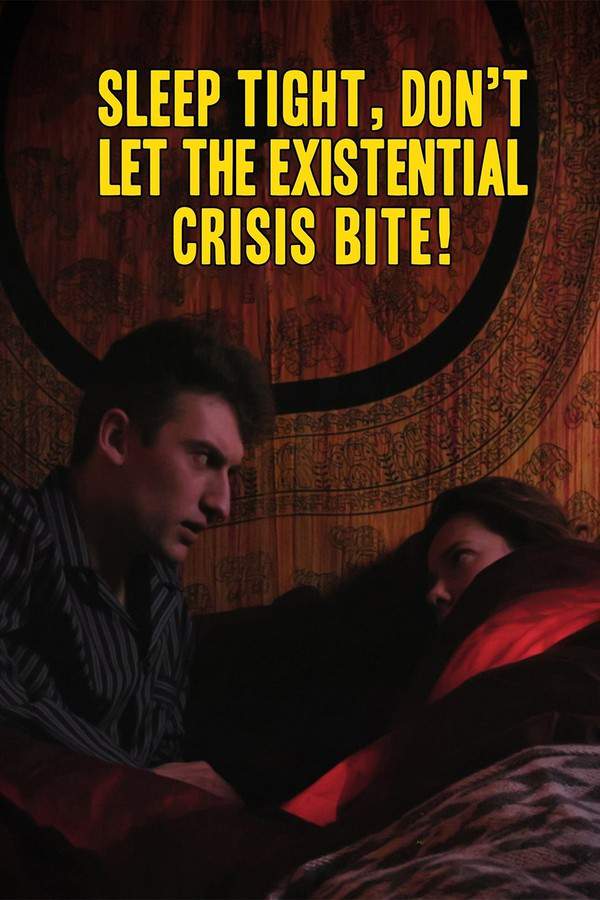
Sleep Tight
2012

Deadly Dreams
1988
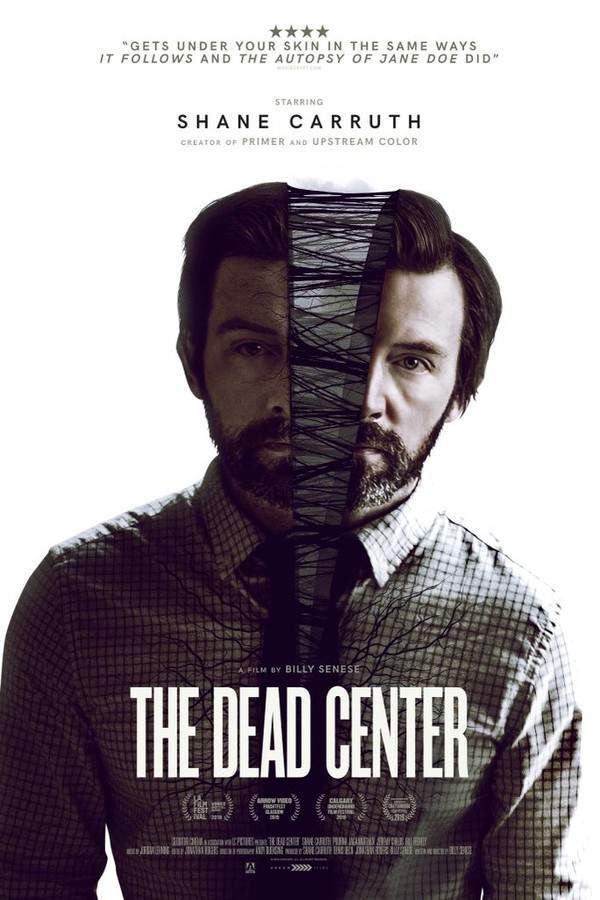
The Dead Center
2019

Night Shift
2024
Narrative Summary
The narrative pattern involves establishing a routine or normal activity—like commuting, socializing, or a summer pastime—that gradually becomes the vector for a hidden threat. The pacing is methodical, focusing on small, unsettling details and a rising sense of paranoia before erupting into violence. The focus is on psychological unease as much as physical danger.
Why These Movies?
These films are united by their specific mood: a blend of anxiety and somber tension built through a steady pace. They share a high intensity derived from realistic, psychologically oppressive threats rather than gore, creating a gritty and urgent viewing experience where the setting itself becomes a character.
Unlock the Full Story of Diary of a Teenage Hitchhiker
Don't stop at just watching - explore Diary of a Teenage Hitchhiker in full detail. From the complete plot summary and scene-by-scene timeline to character breakdowns, thematic analysis, and a deep dive into the ending - every page helps you truly understand what Diary of a Teenage Hitchhiker is all about. Plus, discover what's next after the movie.
Diary of a Teenage Hitchhiker Timeline
Track the full timeline of Diary of a Teenage Hitchhiker with every major event arranged chronologically. Perfect for decoding non-linear storytelling, flashbacks, or parallel narratives with a clear scene-by-scene breakdown.

Characters, Settings & Themes in Diary of a Teenage Hitchhiker
Discover the characters, locations, and core themes that shape Diary of a Teenage Hitchhiker. Get insights into symbolic elements, setting significance, and deeper narrative meaning - ideal for thematic analysis and movie breakdowns.


Similar Movies to Diary of a Teenage Hitchhiker
Discover movies like Diary of a Teenage Hitchhiker that share similar genres, themes, and storytelling elements. Whether you’re drawn to the atmosphere, character arcs, or plot structure, these curated recommendations will help you explore more films you’ll love.
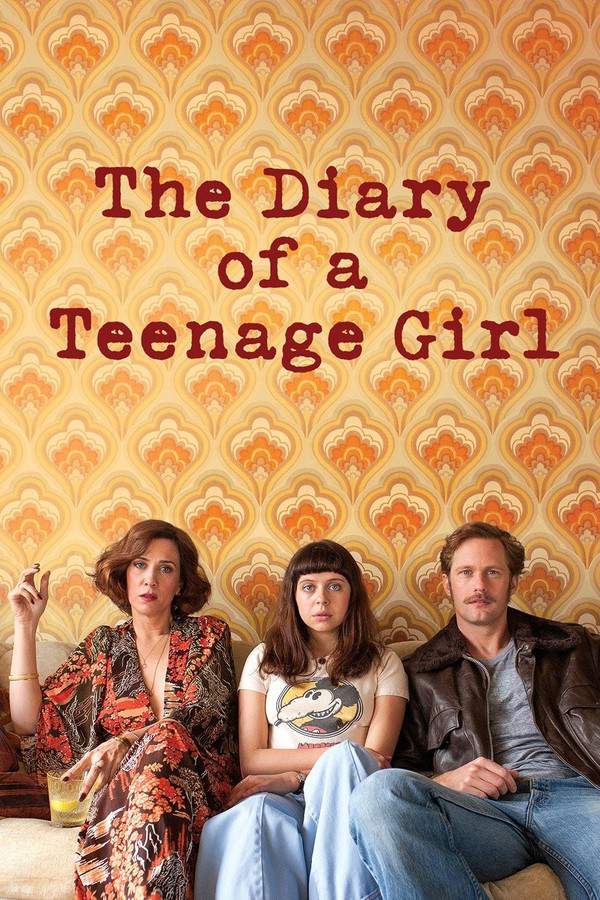
The Diary of a Teenage Girl
2015
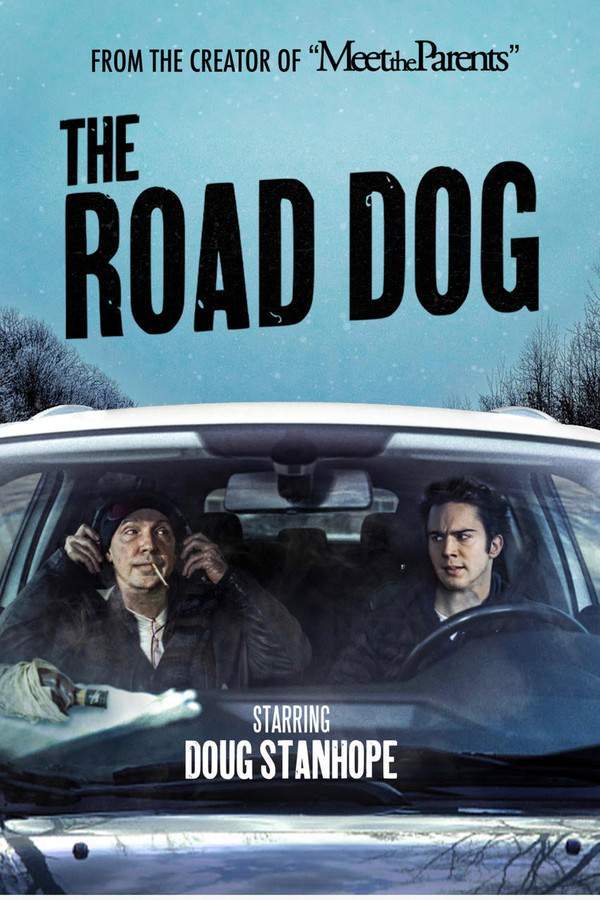
The Road
2012
The Hitcher
2007

Hick
2012

Suburban Virgin
2003

Hitcher in the Dark
1989

The Drifter
1988

Andrea’s Story: A Hitchhiking Tragedy
1983

Hot Summer Week
1972

Diary of a Lost Girl
1929

Hitch Hike to Hell
1977

Teenage Tramp
1973

Hitch Hike
1977

Something to Hide
1972

Hitchhike to Hell
1941
Explore More About Movie Diary of a Teenage Hitchhiker
Diary of a Teenage Hitchhiker (1979) Scene-by-Scene Movie Timeline
Diary of a Teenage Hitchhiker (1979) Movie Characters, Themes & Settings
Diary of a Teenage Hitchhiker (1979) Spoiler-Free Summary & Key Flow
Movies Like Diary of a Teenage Hitchhiker – Similar Titles You’ll Enjoy
The Diary of a Teenage Girl (2015) Plot Summary & Ending Explained
The Road (2012) Detailed Story Recap
The Hitcher (2007) Story Summary & Characters
Hick (2012) Spoiler-Packed Plot Recap
Suburban Virgin (2003) Complete Plot Breakdown
Hitcher in the Dark (1989) Complete Plot Breakdown
The Drifter (1988) Spoiler-Packed Plot Recap
Andrea’s Story: A Hitchhiking Tragedy (1983) Movie Recap & Themes
Hot Summer Week (1972) Detailed Story Recap
Diary of a Lost Girl (1929) Full Movie Breakdown
Hitch Hike to Hell (1977) Ending Explained & Film Insights
Teenage Tramp (1973) Movie Recap & Themes
Hitch Hike (1977) Full Movie Breakdown
Something to Hide (1972) Plot Summary & Ending Explained
Hitchhike to Hell (1941) Complete Plot Breakdown