Plot Explained Spoilers guaranteed!
Plot Explained

Browse by genre

The Harimaya Bridge (2009) movie poster

Timeline

The Harimaya Bridge (2009) Timeline Explained – Every Event in Order

Release, runtime and language
2009 · 120 mins · Japanese
Directed by
Aaron Woolfolk
Starring
Misa Shimizu, Danny Glover, Honoka Ishibashi, Hajime Yamazaki, Saki Takaoka, Miho Shiraishi

His hatred transforms into the love that redeems him. An American father, estranged from his late son, journeys to a remote Japanese village to retrieve belongings his son left behind. As he examines the items his son left behind, he discovers family secrets that force him to confront his past and find forgiveness.

On this page (5)
  1. 1 Events in order (12)
  2. 2 Timeline questions answered
  3. 3 Movie threads
  4. 4 Movies like The Harimaya Bridge
  5. 5 Every angle

12 events in order · contains spoilers

The Harimaya Bridge Timeline: Events in Chronological Order

Every key event of The Harimaya Bridge (2009) in order, scene by scene, with when and where it takes place. Use it to untangle flashbacks, time jumps and parallel storylines, to refresh your memory before the sequel or to find the exact scene you are thinking of.

  1. Arrival in rural Japan after son's death

    After learning his estranged son died in a car crash in rural Japan, the father travels there to retrieve his son's belongings. He confronts unfamiliar landscapes and a painful past he avoided for years. The journey marks the start of a long process of facing his own prejudices.

    When
    Day 1
    Where
    Rural Japan
  2. First clashes with local customs

    On arrival, the father immediately clashes with local customs and people, showing his hostility toward the Japanese. He ignores a request to remove his shoes, triggering tension with the family hosting him. These moments establish the film's central theme of prejudice and pride.

    When
    Day 1-2
    Where
    Host family home
  3. Learning about the son's life in Japan

    While searching for his son's belongings, the father learns that his son had a Japanese wife and a child. This revelation shatters his assumptions and forces him to reconsider his relationship with his son. The discovery deepens the personal stakes of his journey.

    When
    Day 2
    Where
    Local home and surrounding village
  4. Past rift with his son

    A flashback reveals a fight in which the father kicked his son out of the house, severing trust and driving the son to seek life away from him. This memory helps explain the long-standing estrangement that continues to haunt their relationship. It also frames the present journey as an attempt at reconciliation.

    When
    Flashback, earlier years
    Where
    Family home
  5. Retrieving his son's paintings

    He travels to retrieve his son's paintings and other items left behind, viewing them as the last tangible link to the son. The act forces him to engage with the son's world and to acknowledge the life he ignored. The artwork becomes a bridge between father and son’s hidden life.

    When
    Day 3-4
    Where
    Son's former studio and home
  6. First face-to-face with the granddaughter

    The father meets his granddaughter for the first time, an encounter that unsettles his rigid attitudes. The child's warmth and innocence begin to soften his stance toward the family he had previously judged. This moment marks a turning point in his journey toward forgiveness.

    When
    Day 5
    Where
    Granddaughter's home
  7. Starting to respect local customs

    As the days pass, the father begins to accept local customs and house rules, signaling a shift from prejudice to mutual respect. He accepts the hospitality and participates more openly in daily life with the family. Small acts of courtesy accumulate into a broader change in his worldview.

    When
    Day 5-6
    Where
    Host family home
  8. Uncovering the son's cross-cultural life

    He pieces together how his son's life intertwined with the Japanese community, including the marriage and his granddaughter. This broader portrait of the son challenges his earlier judgments and complicates his feelings of loss. The new understanding deepens his emotional stake in the son’s memory.

    When
    Day 4-6
    Where
    Village and surrounding locations
  9. Growing empathy and tentative forgiveness

    The father’s empathy grows as he sees the son’s life through the lens of those who cared for him. He begins to forgive not just his son, but also the people who welcomed him in Japan. This emotional shift is essential to the film’s message of forgiveness.

    When
    Day 6-7
    Where
    Host family and local community
  10. Reconciliation with the host family

    A quiet reconciliation unfolds as the father apologizes for past rudeness and expresses gratitude for the kindness shown to him. The apartment and village feel safer as trust grows between him and the locals. The scene underlines the film’s inclusive message about cross-cultural forgiveness.

    When
    Day 7-8
    Where
    Host family home
  11. Deciding to carry forward his son's memory

    With a new sense of connection, the father chooses to honor his son's memory by preserving the paintings and the granddaughter's place in the family story. He recognizes that love transcends borders and bitterness. This resolution signals a lasting change in his outlook toward Japan and its people.

    When
    Day 9
    Where
    Japan and departure path
  12. Return home with transformed perspective

    The father leaves Japan carrying a transformed view of his son’s life and of the people who shared it. He returns with the paintings and a renewed sense of forgiveness for both his son and those he once labeled as outsiders. The journey ends on a note of reconciled memory and cross-cultural understanding.

    When
    Day 10
    Where
    Return journey to home country

Last updated: February 17, 2026 at 19:56

Was this helpful?

Timeline questions answered

The Harimaya Bridge Timeline Explained: Your Questions Answered

When does it happen, and why in that order? The questions people ask about the chronology of The Harimaya Bridge (2009): time jumps, flashbacks, cause and effect between scenes and the correct order of events, each answered with spoilers.

Q1

Why was Joseph estranged from his son?

Joseph had a falling out with his son that led him to kick the young man out of the family home. This rift drove the son to leave America and eventually build a life in Japan, cutting off contact with his father. The father's journey to Japan is fundamentally an attempt to reconcile with this broken relationship, even though his son is now dead.

  • estrangement
  • son
  • father
  • conflict
  • kicked out
Q2

What did Joseph discover about his son's life in Japan?

Joseph learned that his son had married a Japanese woman named Yuiko Hara and they had a daughter together named Mariya. This revelation shattered Joseph's assumptions about his son's life and forced him to confront the fact that his son had built a meaningful life in a culture Joseph had previously dismissed.

  • wife
  • child
  • granddaughter
  • japan
  • marriage
Q3

Why was meeting his granddaughter a turning point for Joseph?

Meeting Mariya was the catalyst that transformed Joseph's attitude. The child's warmth and innocence exposed the absurdity of his prejudice and opened his heart to accepting the family his son had created. This encounter moved him from old, hurtful reflexes toward forgiveness and the possibility of connection.

  • granddaughter
  • mariya
  • transformation
  • forgiveness
Q4

How did Joseph's prejudice toward Japanese people change?

Joseph's prejudice gradually softened through his daily interactions with the host family and villagers. He initially refused to remove his shoes when entering a home, showing dismissive hostility. Over days of accepting hospitality and participating in local life, he came to see the humanity in people he had written off, shifting from prejudice to respect.

  • prejudice
  • respect
  • culture
  • change
  • host family
Q5

Why did the son move to Japan?

After Joseph kicked him out of the house following their fight, the son left America and eventually settled in rural Japan. The exact timeline isn't specified, but the move represented both an escape from the broken relationship with his father and a search for a new life and identity.

  • son
  • moved
  • japan
  • leaving
  • america
Q6

What did the son's paintings represent for Joseph?

The paintings served as the tangible link to the son Joseph never understood. When Joseph traveled to retrieve them, he was forced to engage with his son's artistic world and acknowledge the life he had ignored. The artwork became a bridge between the father's understanding and the hidden life his son lived in Japan.

  • paintings
  • art
  • son
  • legacy
  • connection
Q7

How did Joseph reconcile with the host family?

After days of friction and gradual warming, Joseph apologized for his past rudeness and expressed gratitude for the kindness the family showed him. This quiet reconciliation marked the culmination of his transformation, showing that he had moved from prejudice to acceptance and was now worthy of the trust extended to him.

  • apology
  • gratitude
  • reconciliation
  • family
  • trust
Q8

What is the significance of the Harimaya Bridge in the film?

The title refers to a bridge that symbolizes the connection between two very different worlds, the American life the father knew and the Japanese life his son embraced. The bridge represents reconciliation, cross-cultural understanding, and the possibility of forgiveness even when the past is heavy with pain and misunderstanding.

  • bridge
  • title
  • symbol
  • reconciliation
  • culture
Q9

Why did Joseph initially refuse to follow local customs?

Joseph's refusal to remove his shoes when entering a home reflected his deep-seated prejudice and hostility toward Japanese culture. It was a deliberate act of defiance that underscored how far he had to travel emotionally to earn respect and acceptance from those he had dismissed as outsiders.

  • shoes
  • culture
  • prejudice
  • customs
  • respect
Q10

What unresolved issues did Joseph have to confront?

Joseph had to confront his long-standing prejudice toward Japanese people, the guilt over kicking his son out of the house, and his failure to understand the life his son chose. These issues forced him to lay down his pride and listen, ultimately leading to forgiveness of both his son and the people he had judged.

  • guilt
  • prejudice
  • forgiveness
  • pride
  • failure

Movie threads

More Movies Like The Harimaya Bridge, by Mood & Story

Curated lists built around what makes The Harimaya Bridge tick: the same mood, the same kind of story or the same emotional payoff. Each list explains why these movies belong together.

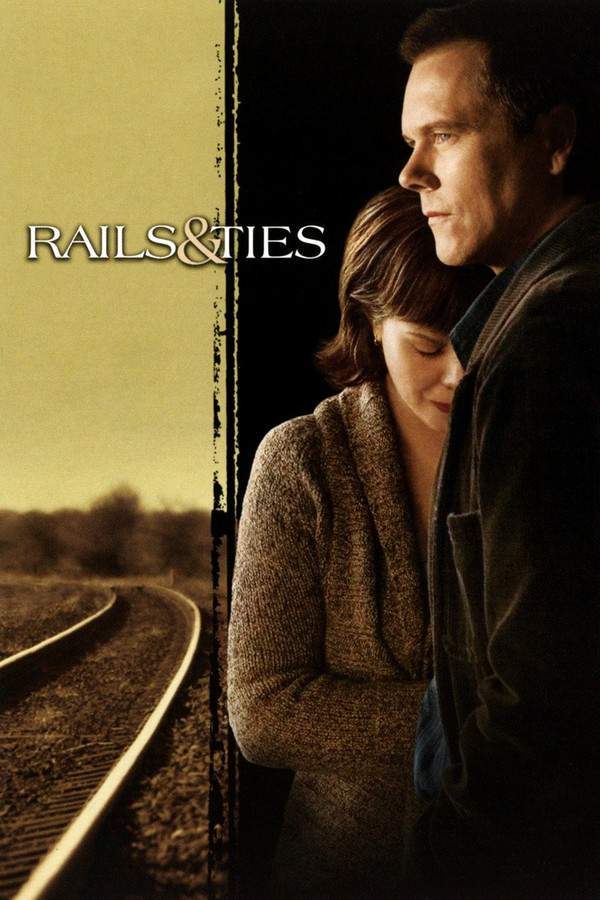
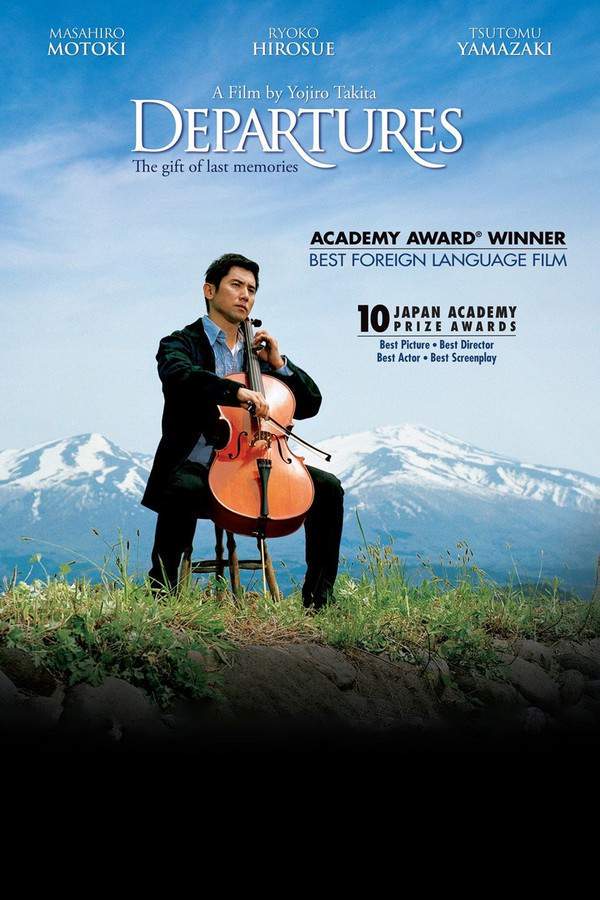
Redemptive Journeys Through Grief like in The Harimaya Bridge

Characters finding forgiveness and healing after enduring profound personal loss. Movies like The Harimaya Bridge that explore the difficult path from grief to redemption. If you were moved by the father's journey of forgiveness, you'll find similar stories of healing and confronting the past in these thoughtful dramas.

  • melancholic
  • redemptive
  • reflective
  • somber
  • introspective
  • cathartic
  • Tone: bittersweet, melancholic, redemptive
  • Pacing: slow, contemplative
Why these movies?

The story pattern: The narrative follows a protagonist grappling with a significant loss, often involving family estrangement or unresolved conflict. Through a process of discovery, such as learning secrets or revisiting the past, they confront their own flaws and prejudices, leading to a hard-won emotional resolution that acknowledges the pain while offering a glimmer of hope.

Why they belong together: These movies are grouped together because they share a core emotional arc of moving from a place of pain and resentment toward acceptance and forgiveness. They balance heavy themes of loss with the quiet, satisfying payoff of personal growth, creating a deeply resonant and cathartic viewing experience.
Cultural Crossroads and Reconciliation like in The Harimaya Bridge

Clashing perspectives lead to transformative personal understanding and acceptance. Films similar to The Harimaya Bridge where cultural conflict leads to personal growth. Discover movies about characters overcoming prejudice and finding connection in unfamiliar places, perfect for viewers who appreciate stories about bridging divides.

  • reflective
  • cultural
  • introspective
  • somber
  • hopeful
  • earnest
  • Tone: reflective, somber, hopeful
  • Pacing: slow, deliberate
Why these movies?

The story pattern: A protagonist, often set in their ways and holding specific biases, is placed in a culturally different environment. Through interactions with local people and immersion in their way of life, the character's initial resistance melts away, replaced by respect and a newfound perspective that resolves both the external cultural tension and their internal conflict.

Why they belong together: These films are connected by their focus on the transformative power of cross-cultural encounters. They use the journey into another culture as a powerful metaphor for an internal journey from ignorance to empathy, making them insightful and thought-provoking.

If you liked this

Movies Like The Harimaya Bridge

Similar movies to The Harimaya Bridge: the same genre, themes or kind of story. Each one comes with its own plot summary, timeline and ending explained.

Browse all movie summaries

Every angle

The Harimaya Bridge (2009) Explained: Plot, Timeline & Characters

Everything about The Harimaya Bridge in one place: what happens in the plot summary, the timeline in chronological order, the characters and meaning and a spoiler-free summary. What's After the Movie adds the cast, box office and post-credit scenes.

Coming soon on iOS and Android

The Plot Explained Movie Summary App

Plot summaries, endings explained and timelines on your phone. Catch up on any movie in minutes, save your favorites and never miss a twist again.

Be the first to know when we launch. Your email stays private, always.

Learn more about the app