Plot Explained Spoilers guaranteed!
Plot Explained

Browse by genre

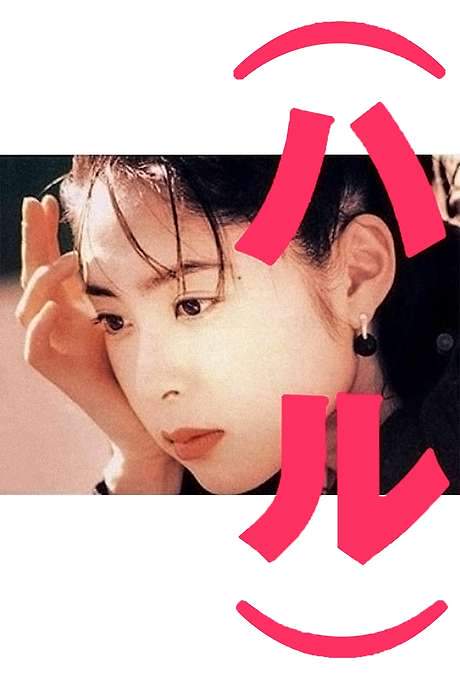
Haru (1996) movie poster

Plot Summary

Haru (1996) Plot Summary Explained

Release, runtime and language
1996 · 118 mins · Japanese
Loading streaming availability…
Directed by
Yoshimitsu Morita
Starring
Sei Hiraizumi, Eri Fukatsu, Naho Toda, Seiyo Uchino, Yuka Motohashi, Kazufumi Miyazawa

A young Tokyo businessman joins an online movie forum and develops a special bond with one of its members through back and forth e-mails.

On this page (6)
  1. 1 Where to watch
  2. 2 What happens: full plot
  3. 3 Plot questions answered
  4. 4 Movie threads
  5. 5 Movies like Haru
  6. 6 Every angle
Loading streaming availability…

Full plot summary · contains spoilers

What Happens in Haru: Full Plot Summary

The whole story of Haru (1996) explained, from the opening scene to the final frame: every key event, every twist and what it all adds up to. Read it as a quick recap before the sequel, to check a scene you missed, or to finally understand what really happened.

Noboru Hayami [Seiyo Uchino] is a former American football player whose promising career was cut short by a worsening back condition. Now an ordinary office worker in Tokyo, he spends evenings wandering through online spaces, seeking a spark that once fueled his dreams. On a film forum, he reconnects with a user named "Haru" from the handle Hayaminoboru, and a quiet, patient bond begins to form through email exchanges that feel unexpectedly sincere. Their conversations drift from everyday worries to deeper fears, and a sense of companionship grows between them, even as neither reveals their true faces to the other.

Hoshi [Eri Fukatsu] is Mitsue Fujima, a woman living in Morioka who has also carried her own share of scars. She has led a life of changeable jobs and restless movements, haunted by the loss of a lover. In the online world, she pretends to be a man at times, and yet the connection with Haru remains unexpectedly genuine. Mitsue/“Hoshi” explains that the online friendship has provided essential emotional support, even as the people behind the usernames remain mostly hidden. The relationship endures because of the warmth and honesty that surface in their messages, creating a fragile trust that helps both of them face their respective wounds.

As the conversations unfold, "Haru" begins to feel drawn to a real-world possibility—a proposal or partnership offered by Yamagami, the company president, who is drawn to Hoshi’s spirit. The dynamic is complicated by a figure named Tobe, a close friend of Mitsue’s late lover who begins to shadow Hoshi, adding tension and a hint of danger to her already unsettled life. The story threads a tension between professional ambition, personal longing, and the fragile boundary between online identity and real life, with Hoshi trying to hold onto her own sense of self while navigating the men who cross her path.

One day, a business trip takes Haru up to the Tohoku region, and Mitsue hears that a chance encounter could be arranged along a stretch of the Shinkansen line. In a small, intimate moment, Mitsue promises to meet Haru along the route and, with a video camera in one hand and a handkerchief in the other, they coordinate a brief but vivid meeting: Mitsue stands beside the tracks while Haru sits in a car, and in that fleeting scene they glimpse that the other person is real. This moment, captured at a distance, crystallizes a truth both have longed for and simultaneously feared—that their connection goes beyond the anonymity of their keyboards.

Earlier, Haru had met a woman on the forum with the handle "Rose," a misunderstanding that complicated the growing bond. Rose is actually Mitsue’s sister, a revelation that shocks Hoshi and causes a temporary rift in their communication. Yet the emails between Haru and Hoshi have become a crucial emotional lifeline for Mitsue, and she chooses to reevaluate the relationship rather than sever it. Ultimately, the two decide to meet again, seeking a real-world connection that can finally bridge the gap between their online personas and their actual lives.

The story culminates in a quiet, symbolic moment at the south end of the Tokyo Station’s Tohoku Shinkansen platform, where Mitsue Fujima and Noboru Hayami—two people who have navigated deception, longing, and risk—exchange a simple greeting, saying, “Nice to meet you” as they confront the possibility of a future built on honesty rather than illusion. It’s a restrained, hopeful ending that underscores the power and fragility of human connection in a digital age.

> Nice to meet you
Last updated: October 09, 2025 at 11:26

Was this helpful?

Plot questions answered

Haru Plot Explained: Your Questions Answered

The questions people ask most about Haru (1996): what happens in the confusing scenes, why the characters do what they do, the twists, hidden details and what the ending means. Each answer contains spoilers.

Q1

Why did Noboru Hayami quit his football career?

Noboru was a standout American football player during his student days, but a worsening back condition forced him to give up his dream of continuing the sport. This injury ended his athletic career and led him to settle into a normal office job in Tokyo, where he spent his evenings wandering through online spaces seeking the spark that his former dreams once provided.

  • noboru hayami
  • football career
  • back injury
  • office worker
Q2

Why does Mitsue pretend to be a man online?

Mitsue Fujima has lived a life of changeable jobs and restless movements, haunted by the loss of a lover. The summary indicates she pretends to be a man at times in the online world, likely as a form of protection or identity concealment given her complicated past and the anonymity the internet provides.

  • mitsue fujima
  • online identity
  • pretending to be a man
  • anonymity
Q3

Who is Tobe and why is he following Mitsue?

Tobe is a close friend of Mitsue's late lover. His pursuit of Hoshi adds tension and danger to Mitsue's already unsettled life, creating an undercurrent of threat that she must navigate while also dealing with her online relationship with Haru.

  • tobe
  • mitsue
  • late lover
  • following
  • tension
Q4

What was the Rose misunderstanding?

Haru had previously met a woman using the handle Rose on the film forum, and Hoshi had mistaken their relationship. When Haru tried to clear up the misunderstanding, he learned that Rose is actually Mitsue's sister, which shocked Hoshi and temporarily affected their communication.

Foreshadowing: Earlier in the timeline, Haru met Rose on the forum, creating confusion that would later resurface.

  • rose
  • misunderstanding
  • mitsue's sister
  • forum user
Q5

Why did Haru and Mitsue meet at a distance along the Shinkansen tracks?

During Haru's business trip to the Tohoku region, they staged a distant goodbye using a video camera and a handkerchief as signals. Haru traveled by train while Hoshi stood on the tracks, and in that fleeting moment they confirmed that the other person was real, despite having only known each other through online messages.

Foreshadowing: Earlier, Haru decided to go on a business trip to Tohoku, and Hoshi promised to see him off along the route.

  • shinkansen
  • distance meeting
  • video camera
  • handkerchief
  • real encounter
Q6

Who is Yamagami and why is he important to Mitsue?

Yamagami is the company president who is drawn to Hoshi's spirit and offers her a proposal or marriage. Mitsue develops feelings for him, introducing complicated choices in her already unsettled life between the safety of a known person offering stability and the uncertain but meaningful connection she has built online with Haru.

  • yamagami
  • president
  • marriage proposal
  • mitsue feelings
Q7

Why do Haru and Mitsue choose to meet at Tokyo Station?

After the initial distant meeting along the Shinkansen line and resolving the Rose misunderstanding, both decide they want to bridge the gap between their online personas and actual lives. Tokyo Station's Tohoku Shinkansen platform becomes the symbolic location where they can finally meet face to face as their true selves.

  • tokyo station
  • platform meeting
  • in-person meeting
  • real identities
Q8

How does their online relationship work despite hiding their identities?

Their connection deepened through email exchanges that felt unexpectedly sincere, drifting from everyday worries to deeper fears. Even without revealing their true faces, a sense of companionship grew between them because the warmth and honesty in their messages created a fragile trust that helped both face their respective wounds, Noboru's failed career and Mitsue's lost lover.

  • online relationship
  • email exchange
  • anonymity
  • emotional connection
  • trust
Q9

Why is their first meeting so brief and fleeting?

Their first physical encounter happens along the Shinkansen line while Haru is on the train and Mitsue is standing beside the tracks. They use a video camera and handkerchief to coordinate this distant goodbye, a deliberate choice that allows them to confirm each other's reality without the pressure of a full confrontation, bridging the gap between online anonymity and real-life presence gradually.

  • brief meeting
  • fleeting moment
  • shinkansen
  • distance signals
Q10

What does the final meeting at Tokyo Station mean?

At the south end of Tokyo Station's Tohoku Shinkansen platform, Noboru Hayami and Mitsue Fujima finally meet in person after navigating deception, longing, and risk. They exchange a simple greeting, 'Nice to meet you', which carries profound weight because it represents choosing honesty over illusion and acknowledging each other as real people rather than online personas.

  • nice to meet you
  • tokyo station
  • final meeting
  • honesty
  • real connection

Movie threads

More Movies Like Haru, by Mood & Story

Curated lists built around what makes Haru tick: the same mood, the same kind of story or the same emotional payoff. Each list explains why these movies belong together.

Movies about online bonding like Haru

Stories about lonely souls finding emotional refuge through anonymous online communication. If you liked the quiet, email-based relationship in Haru, you'll find similar movies here. These stories focus on characters forming deep emotional connections through digital means, exploring themes of anonymity, identity, and the longing for companionship in a modern, lonely world.

  • melancholic
  • intimate
  • lonely
  • reflective
  • hopeful
  • atmospheric
  • Tone: melancholic, bittersweet, intimate
  • Pacing: slow, contemplative
Why these movies?

The story pattern: Narratives in this thread typically follow characters who are emotionally isolated in their physical lives, finding solace and a sense of being understood through text-based, often anonymous, online interactions. The journey revolves around the gradual building of trust, the risks of deception, and the ultimate question of whether a digital connection can translate into a real-world relationship.

Why they belong together: Movies are grouped here because they share a core focus on the specific dynamic of forming relationships through computers or the internet. They possess a similar mood of reflective solitude mixed with cautious optimism and explore the unique vulnerabilities and honesty that can emerge when people communicate through a veil of anonymity.

Slow burn bittersweet romance movies like Haru

Character-driven love stories that unfold gently, marked by past scars and hopeful futures. Viewers who appreciated the gentle, bittersweet romance in Haru will enjoy these films. They feature relationships that develop gradually, with a focus on emotional realism, thoughtful pacing, and endings that balance hope with the weight of the characters' past experiences.

  • bittersweet
  • melancholic
  • intimate
  • restrained
  • hopeful
  • reflective
  • Tone: bittersweet, melancholic, hopeful
  • Pacing: slow, character-driven
Why these movies?

The story pattern: The narrative pattern involves two wounded or reserved individuals slowly lowering their guards. The conflict is often internal, dealing with grief, past trauma, or fear of vulnerability, rather than external obstacles. The relationship builds through small, meaningful moments of understanding, leading to an emotionally resonant climax that is realistically bittersweet.

Why they belong together: These films are grouped together because they share a specific emotional recipe: a slow pacing that allows feelings to feel earned, a tone that blends melancholy with hope, and a focus on the quiet, intimate moments that define a relationship. The emotional weight is significant but handled with restraint.

If you liked this

Movies Like Haru

Similar movies to Haru: the same genre, themes or kind of story. Each one comes with its own plot summary, timeline and ending explained.

Browse all movie summaries

Every angle

Haru (1996) Explained: Plot, Timeline & Characters

Everything about Haru in one place: what happens in the plot summary, the timeline in chronological order, the characters and meaning and a spoiler-free summary. What's After the Movie adds the cast, box office and post-credit scenes.

Coming soon on iOS and Android

The Plot Explained Movie Summary App

Plot summaries, endings explained and timelines on your phone. Catch up on any movie in minutes, save your favorites and never miss a twist again.

Be the first to know when we launch. Your email stays private, always.

Learn more about the app