Plot Explained Spoilers guaranteed!
Plot Explained

Browse by genre

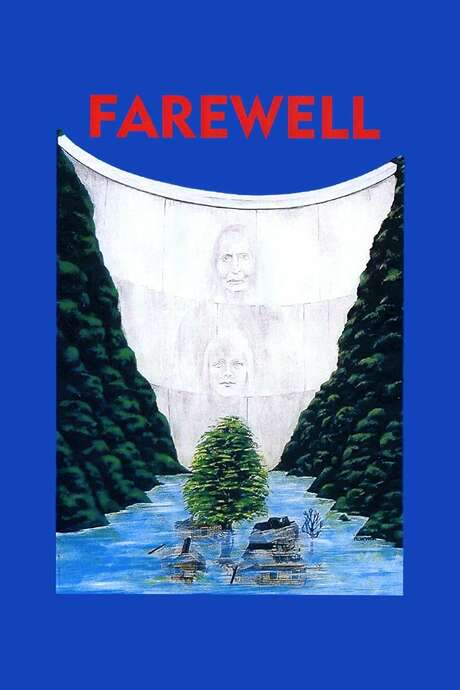
The Stone Cross (1968) movie poster

Plot Summary

The Stone Cross (1968) Plot Summary Explained

Release, runtime and language
1968 · 76 mins · Ukrainian
Loading streaming availability…
Directed by
Leonid Osyka
Starring
Borys Savchenko, Kostiantyn Stepankov, Boryslav Brondukov, Ivan Mykolaichuk, Vasyl Symchych, Antonina Leftiy

In 1890s western Ukraine, proud Galician farmer Ivan Didukh decides to leave his ancestral village for a hopeful future in Canada. As the community gathers for a solemn farewell that resembles a funeral, internal tensions rise. The mournful celebration foreshadows the loss of a man detached from his homeland and the dying of an old way of life.

On this page (5)
  1. 1 Where to watch
  2. 2 What happens: full plot
  3. 3 Plot questions answered
  4. 4 Movie threads
  5. 5 Every angle
Loading streaming availability…

Full plot summary · contains spoilers

What Happens in The Stone Cross: Full Plot Summary

The whole story of The Stone Cross (1968) explained, from the opening scene to the final frame: every key event, every twist and what it all adds up to. Read it as a quick recap before the sequel, to check a scene you missed, or to finally understand what really happened.

In the 1890s, Ivan, a Galician peasant living on the edge of poverty, makes a desperate choice to leave his homeland and seek a future in Canada for the sake of his family. On the eve of departure, a thief slips into his house. The village judges sentence the thief to death. The act of leaving for Canada feels like a death sentence for Ivan, and he hosts a farewell gathering that resembles a funeral for himself and his kin. To preserve his memory, he carves a stone cross on a hill.

The scene broadens into a quiet, crowded discussion among the crowd and the home’s owners about what punishment fits the crime, why the thief came from his origin, and how he became a criminal. Ivan grapples with the moral weight of killing a man whose crime was born of poverty, while his wife [Antonina] and their son [Mykola], along with the local landowner [Gazda Heorhiy], listen and weigh the options. The gathering becomes a meditation on justice, memory, and duty, as the villagers debate not just the fate of the intruder but the fate of a family already teetering on the brink.

Ivan’s inner doubt deepens as the discussion drifts from punishment to humanity. The thief, growing bolder, ultimately agrees to accept whatever punishment comes his way. Waiting for the end, the intruder says a quiet goodbye to Ivan and even kisses his hand, signaling a strange, fragile bridge between mercy and retribution as the crowd contemplates the severity of the law.

As the departure nears, Ivan prepares to leave his homeland with his wife and his adult sons, while fearing that his memory might fade like that of the thief. To anchor himself in the memory of his people, he carves a fireplace cross that will stand as a personal monument. He leads a small, ceremonial trek to a mountain he has tended for years, and after descending, he says farewell to his fellow villagers. Relatives and neighbors gather; some denounce the decision, others offer grudging support, but all bear witness to a moment where belief in land and legacy is tested.

The farewell turns into a poignant ritual: the crowd promises to remember Ivan and not to cross his cross. In a striking gesture, Ivan, dressed as if for a procession, is joined by his wife and his sons in disguises, and he orders the musicians to fill the air with a cheerful melody—an attempt to mask the sorrow with song, to give his people a sign of hope as he steps away.

Before leaving, Ivan and the villagers move as one toward the church in a quiet procession. The church’s words ring like a solemn hymn, echoing the repose of a life well-lived. The cart carrying Ivan’s belongings feels like a coffin, underscoring the sense that his departure marks more than a physical exit from the village. The family sets out, Ivan among them, and he vanishes on the horizon, leaving behind the stone fireplace cross as the last, stubborn reminder of his presence and promise to remember.

Last updated: October 09, 2025 at 10:45

Was this helpful?

Plot questions answered

The Stone Cross Plot Explained: Your Questions Answered

The questions people ask most about The Stone Cross (1968): what happens in the confusing scenes, why the characters do what they do, the twists, hidden details and what the ending means. Each answer contains spoilers.

Q1

Why does Ivan decide to leave his village for Canada?

Ivan decides to leave because he is a Galician peasant living on the edge of poverty, and he believes emigration to Canada is the only way to provide a better future for his wife and children. The crushing economic conditions in 1890s western Ukraine force him to make this desperate choice, which marks a drastic break from his homeland and ancestral land.

  • Ivan
  • emigration
  • Canada
  • poverty
  • family
  • decision
Q2

Why does Ivan host a farewell gathering that resembles a funeral?

Ivan treats his departure as if it were his own death because leaving for Canada feels like permanently severing himself from his homeland, family, and the old way of life. The farewell gathering serves as a ritual of mourning for the life he is leaving behind, with the entire community bearing witness to what he perceives as his symbolic death.

Foreshadowing: The mournful tone is established early when Ivan frames emigration as a desperate, final choice.

  • funeral
  • farewell
  • departure
  • ritual
  • mourning
  • community
Q3

Why does Ivan carve a stone cross on the hill before leaving?

Ivan carves the stone cross to preserve his memory among the villagers after he departs. Fearing that he might be forgotten like the thief who will be executed, Ivan wants to leave a lasting monument that anchors him in the memory of his people. The cross becomes both a personal memorial and a symbol of his promise to be remembered.

  • stone cross
  • memory
  • monument
  • Ivan
  • hill
  • farewell
Q4

Why is the thief sentenced to death for breaking into Ivan's house?

The village judges sentence the thief to death as the prescribed punishment for burglary, reflecting the harsh justice of the time. However, the summary notes that the thief's crime was born of poverty, which sparks a broader moral debate among the villagers about whether such a severe punishment is justified for a crime driven by desperation.

  • thief
  • death sentence
  • punishment
  • village
  • justice
  • poverty
Q5

Why does the thief kiss Ivan's hand before his execution?

The thief kisses Ivan's hand as a gesture of acceptance and strange respect, signaling a fragile bridge between mercy and retribution. Despite being sentenced to death, the thief shows readiness to face his fate and expresses gratitude toward Ivan, perhaps recognizing the moral struggle Ivan faces regarding his case.

  • thief
  • hand kiss
  • execution
  • mercy
  • respect
  • Ivan
Q6

Why does Ivan disguise himself and his family before departure?

Ivan disguises himself, his wife, and sons in suits to create a ruse that transforms sorrow into a brave, celebratory exit. He orders the musicians to play a cheerful melody, attempting to mask the profound grief of farewell with song. This spectacle reflects his resolve to face the world with dignity rather than submit to mournful resignation.

  • disguise
  • cheerful music
  • departure
  • Ivan
  • family
  • ritual
Q7

Why is Ivan's cart compared to a coffin during the departure?

The cart carrying Ivan's belongings is compared to a coffin because his departure represents more than a physical exit from the village, it marks the death of his old life and his connection to the land. The solemn procession to church and the church service itself echo the repose of a funeral, reinforcing the sense that Ivan is leaving behind a life that is effectively over.

  • cart
  • coffin
  • departure
  • church
  • funeral
  • symbolism
Q8

Why do the villagers promise not to cross Ivan's cross?

The villagers promise to remember Ivan and not to cross his stone cross as a vow to honor his memory and legacy. The cross serves as a boundary and a monument, the promise signifies their commitment to preserve his place in the community's memory even after he has physically left, treating the cross as sacred and inviolable.

  • villagers
  • promise
  • cross
  • memory
  • tradition
  • respect
Q9

Why does Ivan fear being forgotten after he leaves?

Ivan fears being forgotten because he observes that people no longer value land the way they once did, only money matters now. He worries that like the thief who will be executed and likely forgotten, he too might vanish from memory once he departs. This fear drives his urgent need to leave a lasting monument and to carve his memory into the community's consciousness.

  • Ivan
  • forgotten
  • memory
  • fear
  • legacy
  • thief
Q10

What does Ivan mean when he says people no longer need land, only money?

When Ivan reflects that people no longer need land, only money, he is lamenting the social changes that are eroding traditional rural life. He sees the widening gap between rich and poor, and his departure to Canada for economic reasons embodies this shift. His observation serves as a commentary on the changing values of his community and the forces driving emigration.

  • land
  • money
  • Ivan
  • social change
  • emigration
  • poverty
Q11

What does the stone cross represent at the end of the film?

At the end of the film, the stone cross remains standing on the hill as a poignant reminder of Ivan and the life he chose to leave behind. It symbolizes memory, legacy, and the fragile barrier between forgetting and remembrance. The cross becomes the last stubborn trace of Ivan's presence, embodying both his hope to be remembered and the bittersweet tragedy of severing his roots.

  • stone cross
  • ending
  • symbol
  • memory
  • legacy
  • Ivan

Movie threads

More Movies Like The Stone Cross, by Mood & Story

Curated lists built around what makes The Stone Cross tick: the same mood, the same kind of story or the same emotional payoff. Each list explains why these movies belong together.

Movies about cultural endings like The Stone Cross

Stories where a community mourns the loss of its traditions and identity. If you were moved by the solemn funeral-like farewell in The Stone Cross, explore more movies like it that depict the death of a traditional way of life. These films capture the collective grief and poignant rituals of communities facing irreversible change, loss of identity, and emigration.

  • mournful
  • solemn
  • poignant
  • reflective
  • contemplative
  • melancholic
  • Tone: melancholic, solemn, mournful
  • Pacing: slow, ritualistic, contemplative
Why these movies?

The story pattern: Narratives in this thread often unfold around a central event—a departure, a final harvest, or a last gathering—that symbolizes the end of an era. The conflict is less about individual action and more about the passive, inevitable dissolution of a community's fabric, explored through lengthy, contemplative scenes of debate, memory, and ritual.

Why they belong together: Movies are grouped here for their shared focus on the emotional weight of cultural dissolution. They share a melancholic tone, a slow, ritualistic pacing, and a thematic core centered on collective memory, duty, and the profound sadness of witnessing a world fade away.

Contemplative dramas with heavy debates like The Stone Cross

Character-driven stories where weighty discussions about justice and legacy take center stage. If you appreciated the deep community debates on justice and memory in The Stone Cross, you'll find similar movies here. These philosophical dramas use slow pacing and heavy emotional weight to explore complex moral questions through dialogue, creating a somber and reflective mood.

  • contemplative
  • somber
  • philosophical
  • talky
  • reflective
  • weighty
  • Tone: somber, contemplative, poignant
  • Pacing: slow, dialogue-driven, measured
Why these movies?

The story pattern: The narrative pattern involves characters gathered in a single location or around a central event, engaging in lengthy conversations that reveal personal and collective conflicts. The story progression is measured, building emotional and intellectual tension through differing perspectives on duty, truth, and the meaning of a life well-lived.

Why they belong together: These films are united by their moderate narrative complexity centered on dialogue, a slow pacing that allows ideas to breathe, and a consistently heavy emotional weight. The shared mood is somber and contemplative, making the philosophical inquiries feel urgent and personal.

Every angle

The Stone Cross (1968) Explained: Plot, Timeline & Characters

Everything about The Stone Cross in one place: what happens in the plot summary, the timeline in chronological order, the characters and meaning and a spoiler-free summary. What's After the Movie adds the cast, box office and post-credit scenes.

Coming soon on iOS and Android

The Plot Explained Movie Summary App

Plot summaries, endings explained and timelines on your phone. Catch up on any movie in minutes, save your favorites and never miss a twist again.

Be the first to know when we launch. Your email stays private, always.

Learn more about the app