Year: 1971
Runtime: 128 mins
Language: English
Director: Robert Aldrich
The Grissom Gang retells the 1949 melodrama No Orchids For Miss Blandish, based on James Hadley Chase’s novel. Kim Darby plays a 1920s debutante kidnapped for ransom by the Grissom family, led by Irene Dailey’s Ma‑Barker‑type matriarch. Scott Wilson’s Grissom falls for his captive, sparking a family collapse, and the film drops the original ending.
Warning: spoilers below!
Haven’t seen The Grissom Gang yet? This summary contains major spoilers. Bookmark the page, watch the movie, and come back for the full breakdown. If you're ready, scroll on and relive the story!
Explore the full timeline and setting of The Grissom Gang (1971). Follow every major event in chronological order and see how the environment shapes the story, characters, and dramatic tension.
Last updated: February 19, 2026 at 09:18
Meet the key characters of The Grissom Gang (1971), with detailed profiles, motivations, and roles in the plot. Understand their emotional journeys and what they reveal about the film’s deeper themes.
Last updated: February 19, 2026 at 09:18
Explore the central themes of The Grissom Gang (1971), from psychological, social, and emotional dimensions to philosophical messages. Understand what the film is really saying beneath the surface.
Last updated: February 19, 2026 at 09:18
Browse frequently asked questions about The Grissom Gang (1971) focused on characters, relationships, themes, symbols, setting, and story context. This movie info FAQ gives spoiler-aware explanations for character arcs, world details, and thematic interpretation so readers can better understand what the film is really about.
The film takes place in Missouri during the early 1930s, specifically 1931. The Depression-era setting creates a harsh landscape where crime becomes a means of survival, with the Grissom gang's hideouts and surrounding towns providing a claustrophobic backdrop for the kidnapping and violence that unfolds.
The events unfold in 1931, at the height of the Great Depression. This period saw crime networks grow more brazen as economic desperation spread. The timeline spans several months, adding to the slow-burn tension rather than a quick chase narrative.
Violence and control drive the plot as the Grissom gang wields wealth and intimidation. Barbara's captivity exposes the brutal pecking order within the gang and the costs of power. Ma Grissom's ruthless leadership demonstrates how crime can corrupt family bonds, while the investigation reveals the fragility of criminal control.
Characters navigate competing loyalties throughout the story, Barbara's survival instinct, Slim's dangerous affection, and Fenner's professional calculations. Betrayal emerges as plans shift, friendships fracture, and violence becomes the currency of trust. The tension comes from characters trying to stay true to each other while pursuing personal goals.
Barbara's captivity and manipulation highlight the fraught dynamics of power and desire in a crime circle. Her responses to coercion, appeasing, resisting, and forming risky bonds, shape the film's forward momentum. The arc emphasizes how appearances and charm mask deadly stakes in this world.
Ma Grissom is the ruthless matriarch of the Grissom gang, played by Irene Dailey. She orchestrates the kidnapping for ransom and enforces a brutal hierarchy within the family. Her leadership blends fear, calculation, and a willingness to do whatever it takes to keep the money flowing, commanding the gang with a cold efficiency that ultimately overshadows moral concerns.
Slim Grissom, played by Scott Wilson, is a mentally handicapped gangster who forms an unsettling bond with Barbara Blandish after she is kidnapped. His affection for Barbara gives him a rare vulnerability that exists alongside his brutal behavior. He remains fiercely loyal to her and acts decisively to protect her, even at the cost of his own life.
Barbara Blandish is the kidnapped debutante played by Kim Darby. A 1920s socialite taken by the Grissom gang for ransom, she endures captivity with a wary blend of fear and resolve. She negotiates her safety through cautious cooperation with Slim, and her evolving relationship with him tests loyalties while exposing the coercive dynamics at the heart of the gang.
Dave Fenner is a private detective played by Robert Lansing who is hired by Barbara's father to track his missing daughter. He gradually infiltrates the case by posing as a theatrical agent to gather information. His resourcefulness drives the investigation forward, even as he becomes entangled in the gang's web.
The tone is dark and cynical, reflecting the morally compromised world of the Grissom Gang where survival hinges on exploitation. The intensity remains high due to the constant threat of violence and psychological manipulation inherent in the kidnapping plot. The emotional weight is heavy, driven by themes of coercion, unrequited love twisted into a survival mechanism, and the ultimate destruction of all involved.
The Grissom Gang is a remake of the 1949 melodrama No Orchids For Miss Blandish, which itself was based on James Hadley Chase's novel. While not a true story, the film draws from the crime novel tradition and reflects the era's fascination with sensationalized crime narratives involving kidnapping, gangsters, and doomed relationships.
Discover curated groups of movies connected by mood, themes, and story style. Browse collections built around emotion, atmosphere, and narrative focus to easily find films that match what you feel like watching right now.
Criminal underworlds where flawed characters face inevitable ruin.For viewers who liked the grim, morally complex world of The Grissom Gang, this collection features similar crime dramas with high stakes, dark tones, and bleak outcomes. These movies often involve kidnapping, gang rivalries, and characters whose desperate actions seal their fate.
Stories typically follow a criminal enterprise—a kidnapping, a heist, or a power struggle—that initially seems manageable. However, internal conflicts, emotional entanglements, and external pressures cause the plan to unravel catastrophically. The narrative builds steadily toward a violent and hopeless conclusion where redemption is absent.
These films are grouped by their shared commitment to a dark, fatalistic tone. They feature high-intensity crime plots, heavy emotional weight driven by themes of coercion and betrayal, and a steady pacing that methodically builds to a devastating finale.

Complex, unhealthy bonds formed under extreme duress.If you were fascinated by the Stockholm Syndrome dynamic in The Grissom Gang, this list features other intense dramas exploring similar power imbalances. These movies depict characters forming complex, often destructive emotional attachments under the extreme pressure of captivity or crime.
The narrative centers on two or more characters thrust into a high-stakes, isolated scenario—like a kidnapping or hostage situation. Over time, the power dynamics shift, leading to a complex and often tragic emotional bond. This relationship becomes the catalyst for the story's central conflicts and its ultimately bleak resolution.
These movies share a focus on psychological manipulation and the heavy emotional weight of coercive relationships. They are characterized by a steady, tense pacing that allows the twisted bond to develop, high intensity from the constant threat of violence, and a dark tone reflecting the story's moral ambiguity.
Don't stop at just watching - explore The Grissom Gang in full detail. From the complete plot summary and scene-by-scene timeline to character breakdowns, thematic analysis, and a deep dive into the ending - every page helps you truly understand what The Grissom Gang is all about. Plus, discover what's next after the movie.
Read a complete plot summary of The Grissom Gang, including all key story points, character arcs, and turning points. This in-depth recap is ideal for understanding the narrative structure or reviewing what happened in the movie.
Track the full timeline of The Grissom Gang with every major event arranged chronologically. Perfect for decoding non-linear storytelling, flashbacks, or parallel narratives with a clear scene-by-scene breakdown.
Discover movies like The Grissom Gang that share similar genres, themes, and storytelling elements. Whether you’re drawn to the atmosphere, character arcs, or plot structure, these curated recommendations will help you explore more films you’ll love.
The Grissom Gang (1971) Plot Summary & Movie Recap
The Grissom Gang (1971) Scene-by-Scene Movie Timeline
The Grissom Gang (1971) Spoiler-Free Summary & Key Flow
Movies Like The Grissom Gang – Similar Titles You’ll Enjoy
Thieves Like Us (1974) Spoiler-Packed Plot Recap
Brazen (2022) Ending Explained & Film Insights
No Good Deed (2003) Detailed Story Recap
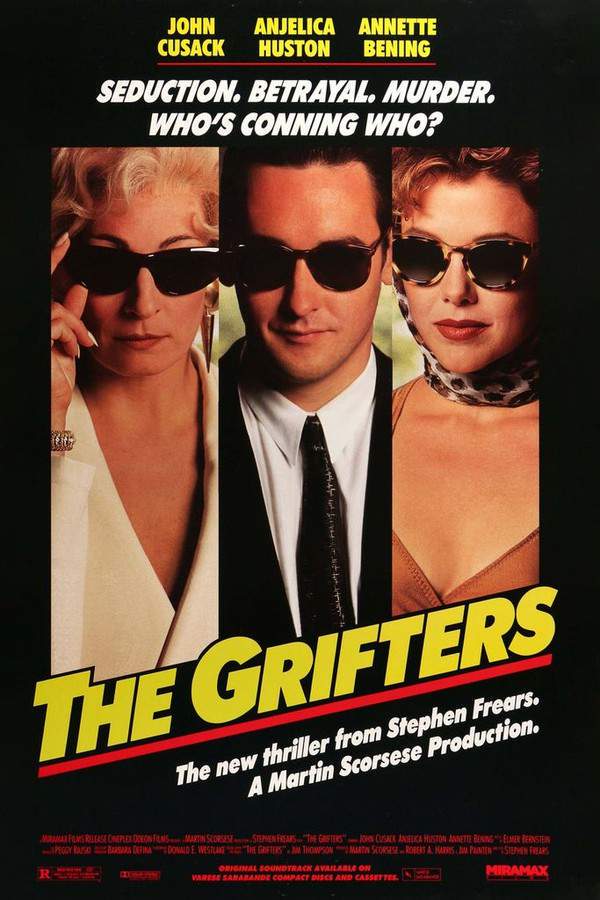
The Grifters (1990) Full Movie Breakdown
Grievous Bodily Harm (1988) Movie Recap & Themes
Sleeping with Danger (2020) Full Movie Breakdown
Ginger (1971) Full Summary & Key Details
Goodnight, My Love (1972) Ending Explained & Film Insights
Black Orchid (1953) Full Summary & Key Details
No Orchids for Miss Blandish (1948) Story Summary & Characters
Lethal Seduction (1997) Spoiler-Packed Plot Recap
The Great Swindle (1971) Plot Summary & Ending Explained
Date with a Kidnapper (1976) Film Overview & Timeline
Slightly Scarlet (1956) Full Movie Breakdown
The Gangster (1947) Plot Summary & Ending Explained