Year: 1926
Runtime: 80 mins
Language: English
Director: Herbert Brenon
Nick Carraway, a young Midwesterner now living on Long Island, becomes fascinated by the enigmatic neighbor Jay Gatsby, whose mysterious past and extravagant lifestyle epitomize the nouveau‑rich allure of the era. Drawn into Gatsby’s inner circle, Carraway bears witness to the obsessive passion and inevitable tragedy that surround Gatsby’s pursuit of his dream.
Warning: spoilers below!
Haven’t seen The Great Gatsby yet? This summary contains major spoilers. Bookmark the page, watch the movie, and come back for the full breakdown. If you're ready, scroll on and relive the story!
Trace every key event in The Great Gatsby (1926) with our detailed, chronological timeline. Perfect for unpacking nonlinear stories, spotting hidden connections, and understanding how each scene builds toward the film’s climax. Whether you're revisiting or decoding for the first time, this timeline gives you the full picture.
Last updated: December 04, 2025 at 15:32
Find frequently asked questions about the The Great Gatsby (1926) timeline, including chronological order, nonlinear jumps, cause-and-effect links, and scene sequence clarifications. This timeline FAQ helps explain when key events happen, how moments connect, and why the story unfolds in that specific order.
George Wilson shoots Gatsby because he believes Gatsby was driving the car that struck and killed his wife Myrtle. After witnessing Myrtle's death on the road, George discovers that the yellow car belonged to Gatsby and concludes that Gatsby was the driver. Driven by grief and rage, George travels to Gatsby's mansion, kills him, and then commits suicide.
Earlier, Tom deliberately misleads George by suggesting Gatsby was the driver, fueling George's certainty.
Daisy hits Myrtle while driving Gatsby's car back to Long Island from New York City. Myrtle ran into the street, possibly believing Tom was in the approaching vehicle. Daisy was driving too fast to stop in time. The tragedy occurs on a dark road during the late-night return from the Plaza Hotel confrontation.
The trip into the city was proposed as a diversion during a hot summer day, and the confrontation at the Plaza had left everyone emotionally shaken.
Gatsby throws extravagant parties to attract Daisy Buchanan. He hopes that by hosting famous gatherings at his mansion, Daisy might eventually attend one. His lavish lifestyle is a carefully constructed display of wealth designed to impress her and demonstrate that he has achieved the success he lacked when they first met.
Nick notes that Gatsby's mysterious past and extravagant lifestyle epitomize the nouveau-riche allure of the era.
Gatsby demands that Daisy declare she never loved Tom because he wants to believe their love is completely untouched by her past. He needs to believe he can resurrect their romance as if her five-year marriage to Tom never existed. This reflects Gatsby's obsession with recapturing an idealized past rather than accepting reality.
Gatsby's wealth and transformation were built on the hope of recapturing his romance with Daisy.
Daisy refused to marry Gatsby initially because he was poor at the time. Despite their romantic connection, Daisy came from a wealthy family and could not marry someone without financial means and social standing. She instead married Tom Buchanan, who represented the security and privilege Gatsby lacked.
The revelation comes when Gatsby surprises Daisy at lunch, showing their past relationship.
Nick moves back to the Midwest because he becomes disillusioned with the moral emptiness and superficiality of East Coast society. After witnessing Gatsby's murder, the tragic death of Myrtle, and seeing how Daisy and Tom escape consequences entirely, Nick concludes that Eastern ways are corrupt and hollow. He breaks up with Jordan Baker and returns home.
Nick observes throughout the summer how the wealthy characters, including his cousin Daisy, act with callous disregard for others.
No one attends Gatsby's funeral because none of his acquaintances had genuine connections with him. The hundreds of people who attended his parties were attracted by his hospitality and rumors, not friendship. Additionally, Gatsby's mysterious reputation and association with criminal activities made people reluctant to be associated with him. Even his business partner Meyer Wolfsheim declines to attend.
This isolation is foreshadowed by Gatsby's enigmatic persona and the fact that guests at his parties often don't even know who he is.
Gatsby's real name was James Gatz. He adopted the name Jay Gatsby when he reinvented himself as a wealthy man. At his funeral, Nick meets Gatsby's father, who reveals this original name, emphasizing how completely Gatsby transformed his identity in pursuit of his dreams.
Gatsby is described as a former Oxford student and decorated World War I veteran, though his past is shrouded in mystery.
Tom brings Nick to meet Myrtle Wilson to openly display his affair and demonstrate his power. Tom uses his position as a wealthy man to conduct his extramarital relationship without shame. It's also a way of drawing Nick into his world of secrets and moral compromise.
Nick immediately perceives the troubled nature of Tom and Daisy's marriage upon arriving in East Egg.
Meyer Wolfsheim is Gatsby's business partner, a gambler and Jewish gangster who rigged the 1919 World Series. His presence in Gatsby's circle reveals the questionable source of some of Gatsby's fortune. Wolfsheim represents the corrupt, criminal underside of the wealth that defines Gatsby's world.
Gatsby's mysterious fortune and extravagant lifestyle hint at connections to organized crime.
George Wilson believes Gatsby killed Myrtle because Tom deliberately misleads him. When George asks about the driver, Tom, who was actually driving, points toward Gatsby's mansion and suggests Gatsby was the one behind the wheel. George accepts this because he knows Gatsby owns the yellow car that struck Myrtle.
Tom uses this opportunity to redirect George's anger toward Gatsby, protecting himself.
Discover curated groups of movies connected by mood, themes, and story style. Browse collections built around emotion, atmosphere, and narrative focus to easily find films that match what you feel like watching right now.
Stories of passionate, doomed pursuits of unattainable ideals.If you were captivated by the doomed romantic pursuit in The Great Gatsby, explore these similar movies. This collection features intense dramas and tragic love stories where characters are destroyed by their own obsessive dreams, offering heavy emotional weight and melancholic endings.
The narrative typically centers on a protagonist fixated on reclaiming a lost love or achieving an idealized version of the past. Their obsessive drive blinds them to reality, leading them to make grand, romantic gestures that ultimately result in their personal, financial, or emotional ruin. The story unfolds with a sense of impending tragedy, culminating in a sad or bleak ending that underscores the futility of their quest.
These films are grouped together because they share a core theme of self-destructive obsession, a melancholic and fatalistic tone, and a narrative structure that builds steadily towards a heavy, tragic conclusion. They explore the dark side of passion and the painful gap between dreams and reality.

Lavish portraits of a glittering age masking profound emptiness and moral decay.For viewers who loved the opulent Jazz Age setting and themes of wealth in The Great Gatsby, this list features similar period dramas. Discover movies that explore the dark side of glamorous, decadent historical eras, where immense fortune leads to tragedy, loneliness, and moral collapse.
Stories in this thread are often set during a golden age of prosperity, such as the Roaring Twenties or the Gilded Age. They use the setting not just as backdrop, but as a central character, exploring how extreme wealth and social climbing create an environment ripe for tragedy. The plot frequently involves characters who achieve great material success only to find it spiritually empty, leading to personal downfall and a critique of the era's central values.
These movies are connected by their focus on a specific, opulent historical setting as a catalyst for tragedy. They share a melancholic tone, a thematic exploration of class disparity and the corruption that accompanies wealth, and a visual style that emphasizes the stark contrast between glittering surfaces and bleak emotional realities.
Don't stop at just watching - explore The Great Gatsby in full detail. From the complete plot summary and scene-by-scene timeline to character breakdowns, thematic analysis, and a deep dive into the ending - every page helps you truly understand what The Great Gatsby is all about. Plus, discover what's next after the movie.
Read a complete plot summary of The Great Gatsby, including all key story points, character arcs, and turning points. This in-depth recap is ideal for understanding the narrative structure or reviewing what happened in the movie.
Discover the characters, locations, and core themes that shape The Great Gatsby. Get insights into symbolic elements, setting significance, and deeper narrative meaning - ideal for thematic analysis and movie breakdowns.
Discover movies like The Great Gatsby that share similar genres, themes, and storytelling elements. Whether you’re drawn to the atmosphere, character arcs, or plot structure, these curated recommendations will help you explore more films you’ll love.
The Great Gatsby (1926) Plot Summary & Movie Recap
The Great Gatsby (1926) Scene-by-Scene Movie Timeline
The Great Gatsby (1926) Spoiler-Free Summary & Key Flow
Movies Like The Great Gatsby – Similar Titles You’ll Enjoy
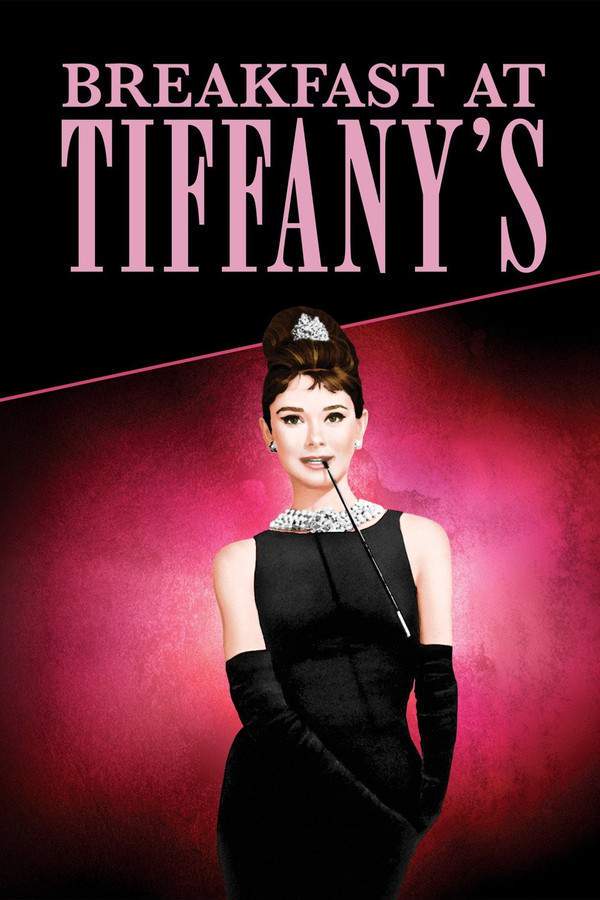
Breakfast at Tiffany's (1961) Complete Plot Breakdown
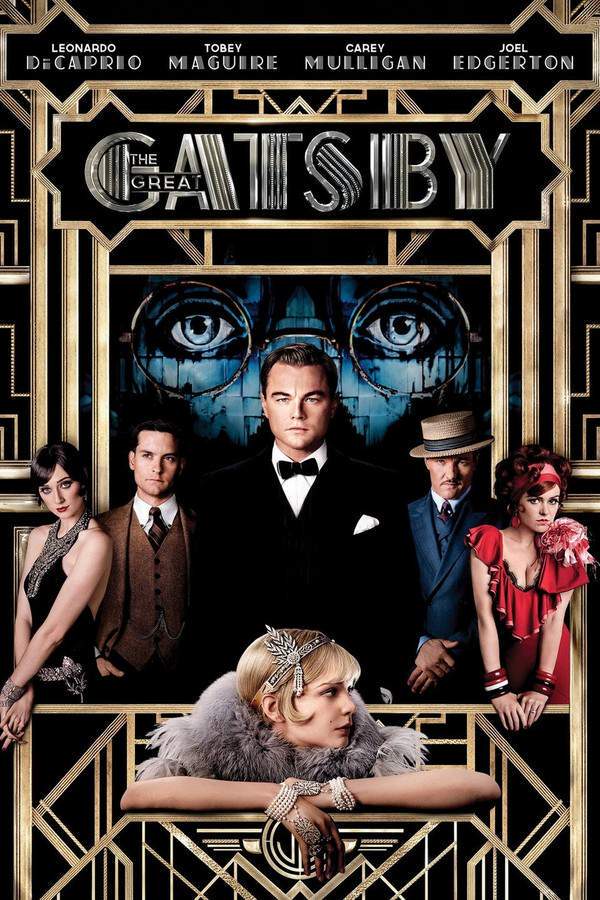
The Great Gatsby (2013) Film Overview & Timeline
Café Society (2016) Detailed Story Recap
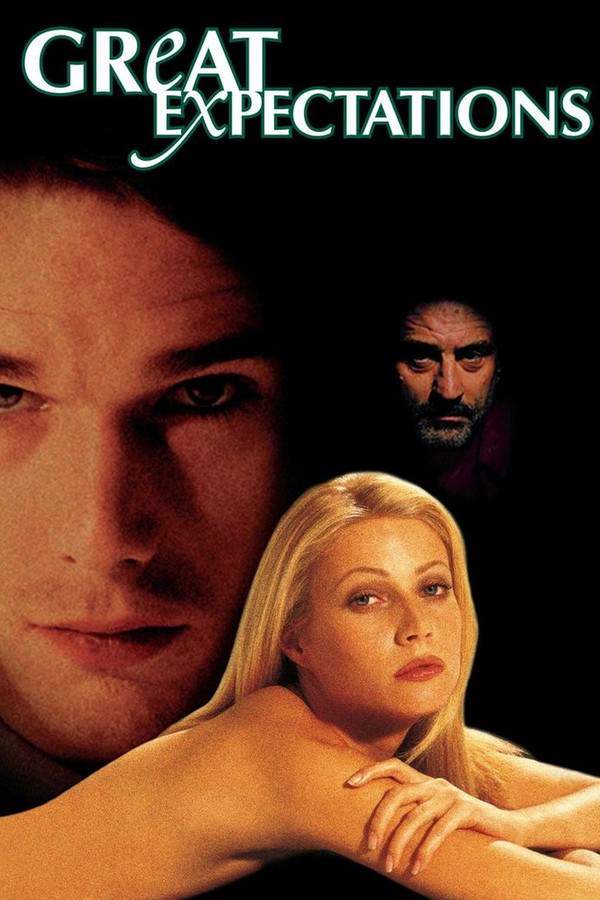
Great Expectations (1998) Detailed Story Recap
The Great Gatsby (1974) Ending Explained & Film Insights
Goodfellas (1990) Ending Explained & Film Insights
Bright Lights, Big City (1988) Film Overview & Timeline
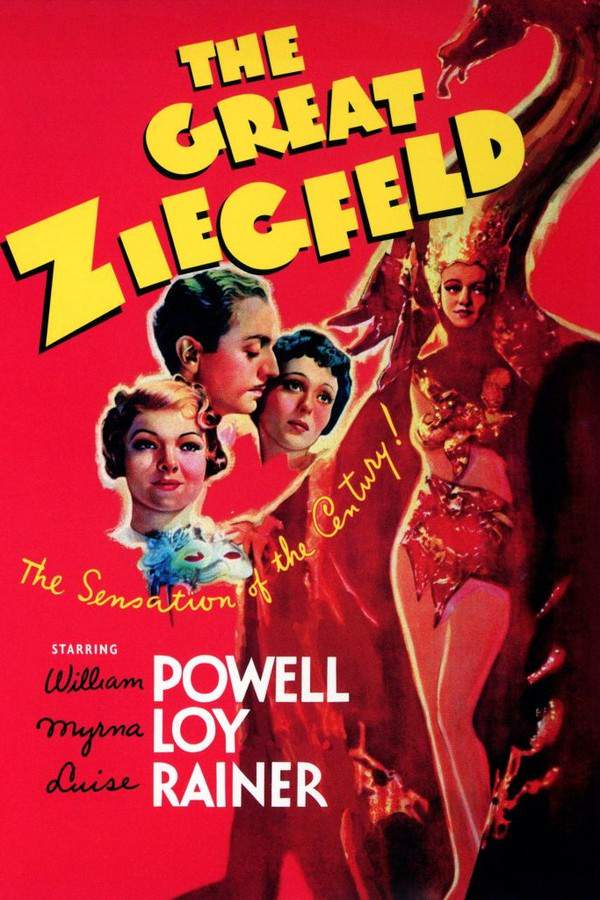
The Great Ziegfeld (1936) Full Summary & Key Details
The Great Gatsby (2000) Movie Recap & Themes
The Great Gambler (1979) Ending Explained & Film Insights
The Great Gatsby (1949) Story Summary & Characters
The Great Sinner (1949) Plot Summary & Ending Explained
Grey Gardens (2009) Spoiler-Packed Plot Recap
The Sun Also Rises (1957) Spoiler-Packed Plot Recap
Gable and Lombard (1976) Complete Plot Breakdown