Year: 1926
Runtime: 80 mins
Language: English
Director: Herbert Brenon
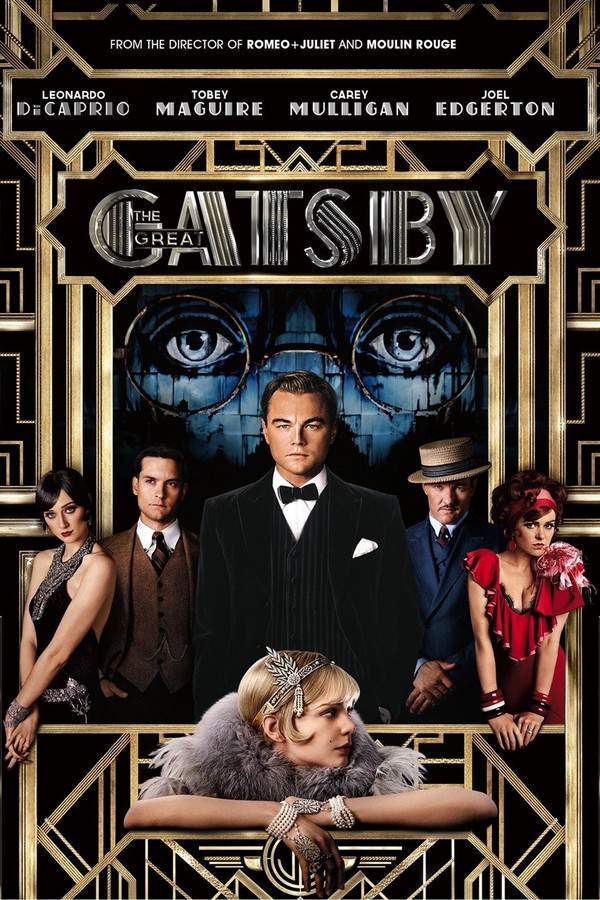
Nick Carraway, a young Midwesterner now living on Long Island, becomes fascinated by the enigmatic neighbor Jay Gatsby, whose mysterious past and extravagant lifestyle epitomize the nouveau‑rich allure of the era. Drawn into Gatsby’s inner circle, Carraway bears witness to the obsessive passion and inevitable tragedy that surround Gatsby’s pursuit of his dream.
Warning: spoilers below!
Haven’t seen The Great Gatsby yet? This summary contains major spoilers. Bookmark the page, watch the movie, and come back for the full breakdown. If you're ready, scroll on and relive the story!
Explore the full timeline and setting of The Great Gatsby (1926). Follow every major event in chronological order and see how the environment shapes the story, characters, and dramatic tension.
Last updated: December 04, 2025 at 15:20
Meet the key characters of The Great Gatsby (1926), with detailed profiles, motivations, and roles in the plot. Understand their emotional journeys and what they reveal about the film’s deeper themes.
Last updated: December 04, 2025 at 15:20
Explore the central themes of The Great Gatsby (1926), from psychological, social, and emotional dimensions to philosophical messages. Understand what the film is really saying beneath the surface.
Last updated: December 04, 2025 at 15:20
Browse frequently asked questions about The Great Gatsby (1926) focused on characters, relationships, themes, symbols, setting, and story context. This movie info FAQ gives spoiler-aware explanations for character arcs, world details, and thematic interpretation so readers can better understand what the film is really about.
The story takes place on Long Island, New York, divided between two wealthy neighborhoods: East Egg and West Egg. East Egg represents old money, the established aristocratic elite, while West Egg symbolizes new money, including Gatsby's opulent mansion. This geographic division highlights the social class tensions between inherited wealth and self-made riches.
The contrast between East and West Egg is introduced early, establishing the social divide that drives character interactions.
The film is set in the 1920s during the Jazz Age, a era characterized by extravagant parties, Prohibition-era wealth, and rapid social change. This period of decadence masks underlying tensions and moral ambiguity that propel the tragedy.
Jay Gatsby is a mysterious, fabulously wealthy man who throws extravagant parties to attract his lost love, Daisy Buchanan. He is driven by a longing to reclaim a lost romance and a past he believes can be recreated with wealth. His confidence masks insecurity and a single-minded obsession with recapturing his ideal past.
Nick Carraway serves as the narrator and observer of the events. He moves to Long Island, becomes entangled with Gatsby, Daisy, and Tom, and mediates between the different worlds of East and West Egg with cautious judgment. He provides the moral lens through which the story unfolds.
Daisy Buchanan is a glamorous and alluring woman who embodies charm and indecisiveness. She navigates a troubled marriage with Tom while becoming the center of Gatsby's longing. Her choices reveal how desire, comfort, and reputation shape actions, making her both an object of affection and a symbol of class-constrained choices.
Tom Buchanan is a wealthy, domineering, and blunt character who uses his status to control relationships and dismiss others. He pursues an affair while maintaining social appearances, contributing to the web of tensions that ultimately drive the tragic events.
The film portrays wealth as both a lure and a disguise, granting access to exclusive social circles while masking emptiness. Gatsby's riches open doors to Daisy and her world, yet money cannot restore the past or repair fractured relationships. The story uses opulence to critique how wealth can distort values and relationships.
Gatsby clings to a romantic past with Daisy, convinced that what he once had can be recaptured. The narrative argues that the past cannot be recreated, even with wealth or determination. This fixation on an idealized past shapes present choices and ultimately drives the tragedy.
Myrtle Wilson is Tom's mistress, married to George Wilson, who seeks a more glamorous life beyond her circumstances. Her pursuit of status and excitement reveals the hollow promises of wealth, showing how characters beyond the main circle are also trapped by class aspirations.
Jordan Baker is a professional golfer and Daisy's friend who embodies independence within a society of wealth. She invites Nick into the social circle and carries a stubborn, practical edge, representing a different kind of autonomy within the wealthy world.
Discover curated groups of movies connected by mood, themes, and story style. Browse collections built around emotion, atmosphere, and narrative focus to easily find films that match what you feel like watching right now.
Stories of passionate, doomed pursuits of unattainable ideals.If you were captivated by the doomed romantic pursuit in The Great Gatsby, explore these similar movies. This collection features intense dramas and tragic love stories where characters are destroyed by their own obsessive dreams, offering heavy emotional weight and melancholic endings.
The narrative typically centers on a protagonist fixated on reclaiming a lost love or achieving an idealized version of the past. Their obsessive drive blinds them to reality, leading them to make grand, romantic gestures that ultimately result in their personal, financial, or emotional ruin. The story unfolds with a sense of impending tragedy, culminating in a sad or bleak ending that underscores the futility of their quest.
These films are grouped together because they share a core theme of self-destructive obsession, a melancholic and fatalistic tone, and a narrative structure that builds steadily towards a heavy, tragic conclusion. They explore the dark side of passion and the painful gap between dreams and reality.

Lavish portraits of a glittering age masking profound emptiness and moral decay.For viewers who loved the opulent Jazz Age setting and themes of wealth in The Great Gatsby, this list features similar period dramas. Discover movies that explore the dark side of glamorous, decadent historical eras, where immense fortune leads to tragedy, loneliness, and moral collapse.
Stories in this thread are often set during a golden age of prosperity, such as the Roaring Twenties or the Gilded Age. They use the setting not just as backdrop, but as a central character, exploring how extreme wealth and social climbing create an environment ripe for tragedy. The plot frequently involves characters who achieve great material success only to find it spiritually empty, leading to personal downfall and a critique of the era's central values.
These movies are connected by their focus on a specific, opulent historical setting as a catalyst for tragedy. They share a melancholic tone, a thematic exploration of class disparity and the corruption that accompanies wealth, and a visual style that emphasizes the stark contrast between glittering surfaces and bleak emotional realities.
Don't stop at just watching - explore The Great Gatsby in full detail. From the complete plot summary and scene-by-scene timeline to character breakdowns, thematic analysis, and a deep dive into the ending - every page helps you truly understand what The Great Gatsby is all about. Plus, discover what's next after the movie.
Read a complete plot summary of The Great Gatsby, including all key story points, character arcs, and turning points. This in-depth recap is ideal for understanding the narrative structure or reviewing what happened in the movie.
Track the full timeline of The Great Gatsby with every major event arranged chronologically. Perfect for decoding non-linear storytelling, flashbacks, or parallel narratives with a clear scene-by-scene breakdown.
Discover movies like The Great Gatsby that share similar genres, themes, and storytelling elements. Whether you’re drawn to the atmosphere, character arcs, or plot structure, these curated recommendations will help you explore more films you’ll love.
The Great Gatsby (1926) Plot Summary & Movie Recap
The Great Gatsby (1926) Scene-by-Scene Movie Timeline
The Great Gatsby (1926) Spoiler-Free Summary & Key Flow
Movies Like The Great Gatsby – Similar Titles You’ll Enjoy
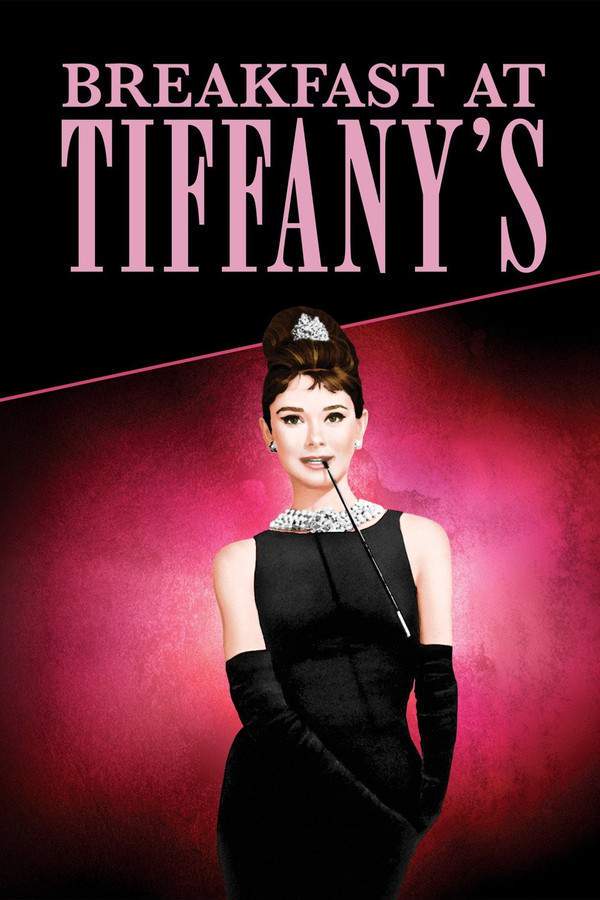
Breakfast at Tiffany's (1961) Ending Explained & Film Insights
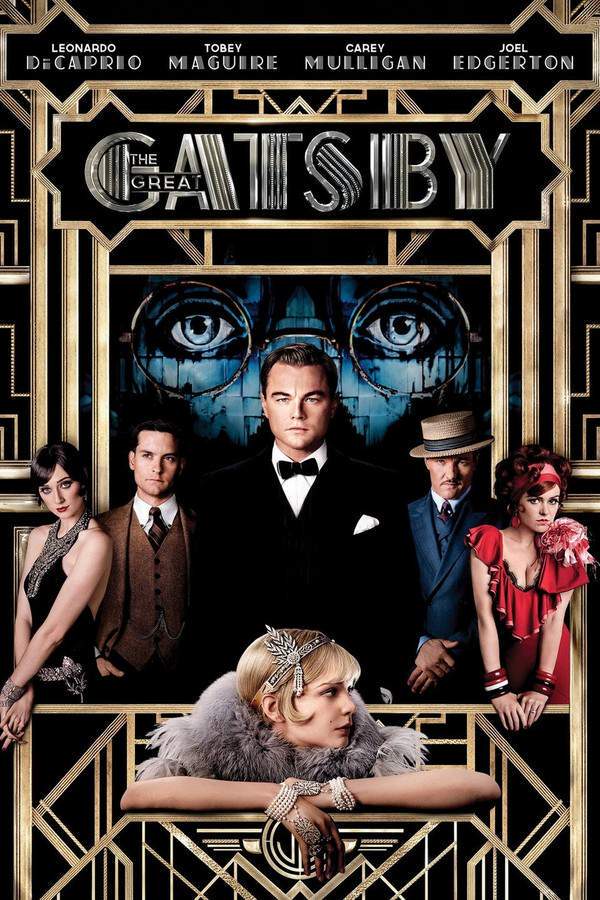
The Great Gatsby (2013) Detailed Story Recap
Café Society (2016) Story Summary & Characters
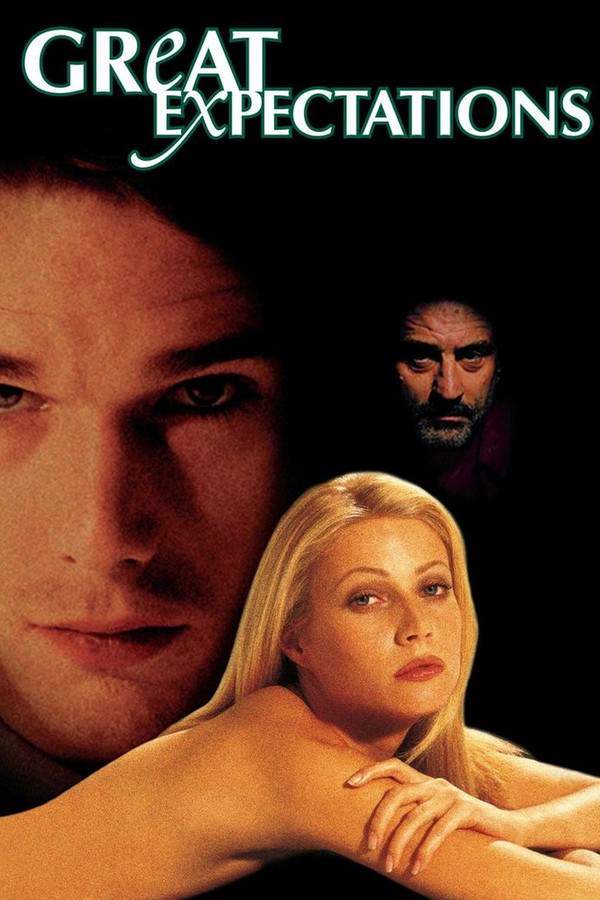
Great Expectations (1998) Movie Recap & Themes
The Great Gatsby (1974) Movie Recap & Themes
Goodfellas (1990) Story Summary & Characters
Bright Lights, Big City (1988) Full Movie Breakdown
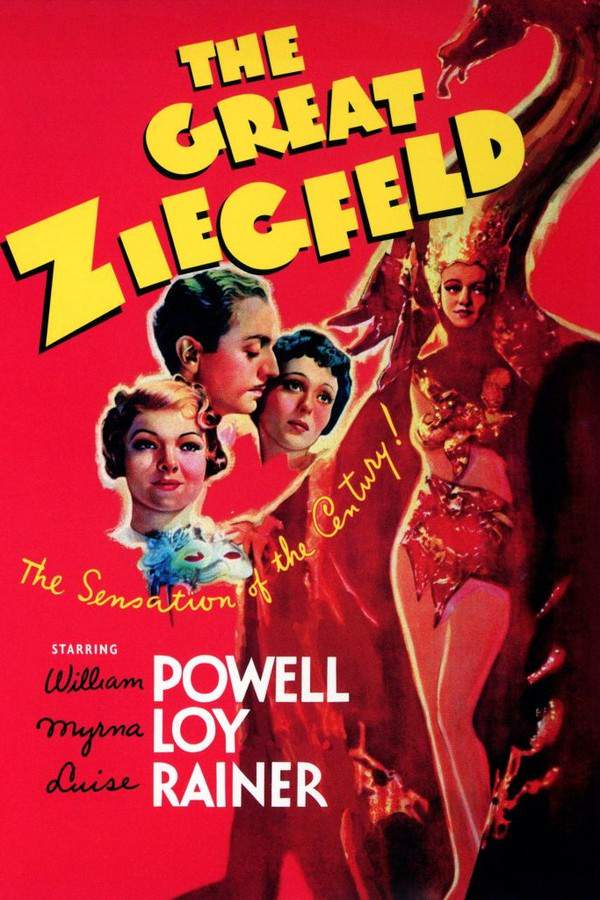
The Great Ziegfeld (1936) Movie Recap & Themes
The Great Gatsby (2000) Story Summary & Characters
The Great Gambler (1979) Full Movie Breakdown
The Great Gatsby (1949) Full Summary & Key Details
The Great Sinner (1949) Full Movie Breakdown
Grey Gardens (2009) Full Summary & Key Details
The Sun Also Rises (1957) Spoiler-Packed Plot Recap
Gable and Lombard (1976) Full Summary & Key Details