Plot Explained Spoilers guaranteed!
Plot Explained

Browse by genre

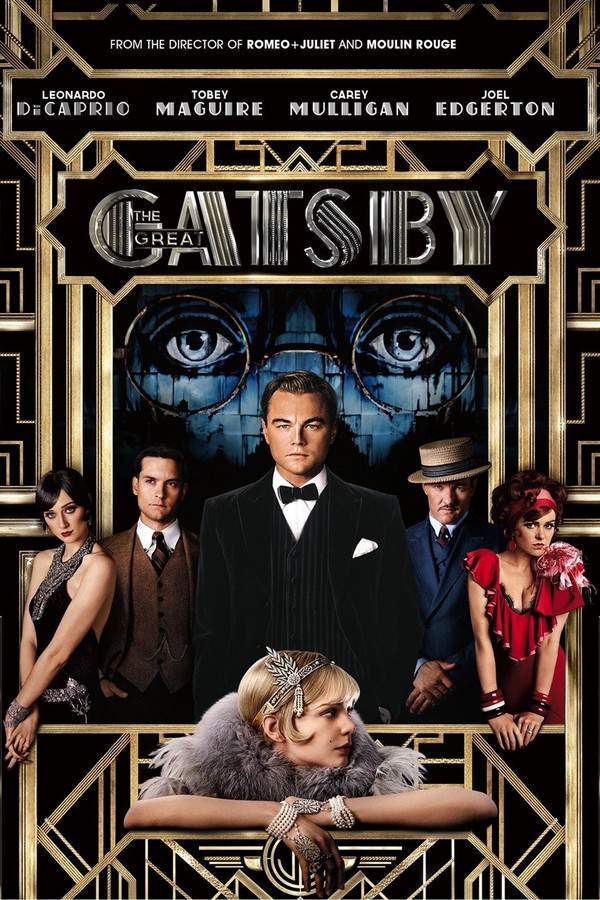
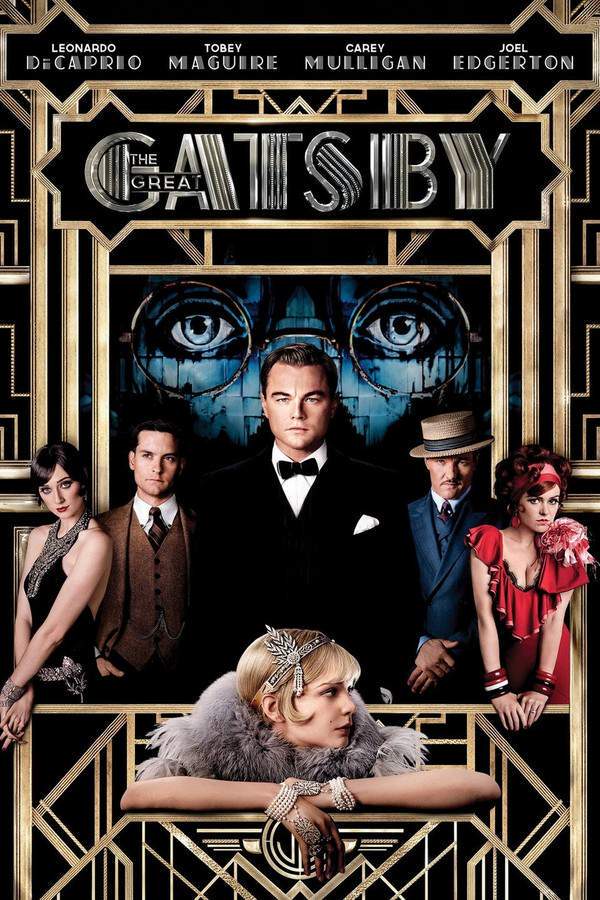
The Great Gatsby (1926) movie poster

Spoiler-Free Summary

The Great Gatsby (1926) Spoiler-Free Summary – What It's About

Release, runtime and language
1926 · 80 mins · English
Directed by
Herbert Brenon
Starring
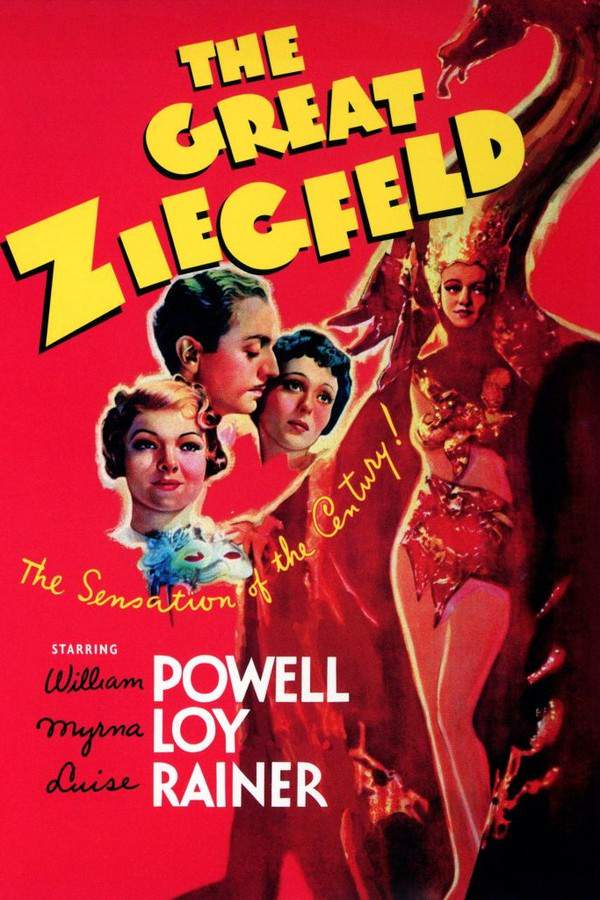
William Powell, Eric Blore, Neil Hamilton, Warner Baxter, Nancy Kelly, Gunboat Smith

Nick Carraway, a young Midwesterner now living on Long Island, becomes fascinated by the enigmatic neighbor Jay Gatsby, whose mysterious past and extravagant lifestyle epitomize the nouveau‑rich allure of the era. Drawn into Gatsby’s inner circle, Carraway bears witness to the obsessive passion and inevitable tragedy that surround Gatsby’s pursuit of his dream.

On this page (6)
  1. 1 What it is about
  2. 2 Is it worth watching?
  3. 3 After you watch
  4. 4 Movie threads
  5. 5 Movies like The Great Gatsby
  6. 6 Every angle

Spoiler-free summary · safe to read

What Is The Great Gatsby About? (No Spoilers)

The plot of The Great Gatsby (1926) without spoilers: what it is about, who it follows and where it takes place, told without the twists or the ending. Enough to decide whether it is your next watch, not enough to ruin it.

In the glittering summer of 1922, a quiet Midwestern graduate arrives on Long Island, renting a modest cottage beside an opulent shoreline that erupts nightly with music, champagne, and strangers in glittering gowns. The world he steps into is a tableau of excess, where the old‑guard of aristocratic “East Egg” watches the flamboyant newcomers of “West Egg” with a mixture of curiosity and disdain, and the air hums with the restless pulse of jazz and possibility.

Nick Carraway serves as the narrator‑observer, his Midwestern sensibility both a compass and a contrast to the decadent swirl around him. He finds himself drawn into the social whirl of his cousin’s household, where Tom Buchanan exerts a forceful, almost arrogant charm, and Daisy Buchanan glides with an ethereal, unattainable grace that seems to embody the very ideal of beauty and longing. Their circle also includes Jordan Baker, a cool‑headed golfer whose nonchalance hints at hidden depths beneath the polished surface.

Just beyond the manicured lawns lives the enigmatic figure of Jay Gatsby, a self‑made millionaire whose name is whispered in reverent and speculative tones. His mansion becomes the epicenter of the season’s most lavish parties, a dazzling display of wealth that conceals a private yearning. Though strangers flock to his doorstep, Gatsby remains a study in paradox—outwardly confident yet quietly haunted by a past he never fully reveals, and driven by a singular, elusive dream that seems both grand and fragile.

Against this backdrop of shining facades and whispered ambitions, the film paints a portrait of aspiration, identity, and the invisible lines that separate desire from reality. The tone is both sumptuous and introspective, inviting the audience to linger on the shimmer of the Jazz Age while feeling the undercurrent of unspoken longing that propels each character forward.

Last updated: December 05, 2025 at 10:22

Was this helpful?

What to expect

Is The Great Gatsby Worth Watching? What It Feels Like

Is it dark, sad, slow, intense or confusing? The mood of The Great Gatsby (1926) in a few tags, without a word about how it ends. Each tag opens a list of movies that feel the same.

After you watch

Seen The Great Gatsby? Now Read the Spoilers

Once you have watched The Great Gatsby (1926), come back for the full story: the plot summary with spoilers, the timeline in chronological order, the characters and meaning.

Movie threads

More Movies Like The Great Gatsby, by Mood & Story

Curated lists built around what makes The Great Gatsby tick: the same mood, the same kind of story or the same emotional payoff. Each list explains why these movies belong together.

Movies about tragic obsession like The Great Gatsby

Stories of passionate, doomed pursuits of unattainable ideals. If you were captivated by the doomed romantic pursuit in The Great Gatsby, explore these similar movies. This collection features intense dramas and tragic love stories where characters are destroyed by their own obsessive dreams, offering heavy emotional weight and melancholic endings.

  • obsessive
  • tragic
  • melancholic
  • fatalistic
  • romantic
  • doomed
  • Tone: melancholic, tragic, romantic
  • Pacing: steady, building towards tragedy
Why these movies?

The story pattern: The narrative typically centers on a protagonist fixated on reclaiming a lost love or achieving an idealized version of the past. Their obsessive drive blinds them to reality, leading them to make grand, romantic gestures that ultimately result in their personal, financial, or emotional ruin. The story unfolds with a sense of impending tragedy, culminating in a sad or bleak ending that underscores the futility of their quest.

Why they belong together: These films are grouped together because they share a core theme of self-destructive obsession, a melancholic and fatalistic tone, and a narrative structure that builds steadily towards a heavy, tragic conclusion. They explore the dark side of passion and the painful gap between dreams and reality.

Period dramas of decadent eras like The Great Gatsby

Lavish portraits of a glittering age masking profound emptiness and moral decay. For viewers who loved the opulent Jazz Age setting and themes of wealth in The Great Gatsby, this list features similar period dramas. Discover movies that explore the dark side of glamorous, decadent historical eras, where immense fortune leads to tragedy, loneliness, and moral collapse.

  • decadent
  • nostalgic
  • somber
  • lonely
  • glamorous
  • tragic
  • Tone: melancholic, decadent, somber
  • Pacing: steady, immersive
Why these movies?

The story pattern: Stories in this thread are often set during a golden age of prosperity, such as the Roaring Twenties or the Gilded Age. They use the setting not just as backdrop, but as a central character, exploring how extreme wealth and social climbing create an environment ripe for tragedy. The plot frequently involves characters who achieve great material success only to find it spiritually empty, leading to personal downfall and a critique of the era's central values.

Why they belong together: These movies are connected by their focus on a specific, opulent historical setting as a catalyst for tragedy. They share a melancholic tone, a thematic exploration of class disparity and the corruption that accompanies wealth, and a visual style that emphasizes the stark contrast between glittering surfaces and bleak emotional realities.

If you liked this

Movies Like The Great Gatsby

Similar movies to The Great Gatsby: the same genre, themes or kind of story. Each one comes with its own plot summary, timeline and ending explained.

Browse all movie summaries

Every angle

The Great Gatsby (1926) Explained: Plot, Timeline & Characters

Everything about The Great Gatsby in one place: what happens in the plot summary, the timeline in chronological order, the characters and meaning and a spoiler-free summary. What's After the Movie adds the cast, box office and post-credit scenes.

Coming soon on iOS and Android

The Plot Explained Movie Summary App

Plot summaries, endings explained and timelines on your phone. Catch up on any movie in minutes, save your favorites and never miss a twist again.

Be the first to know when we launch. Your email stays private, always.

Learn more about the app