The Great Gatsby

The Great Gatsby

Year: 1949

Runtime: 91 mins

Language: English

Director: Elliott Nugent

Drama

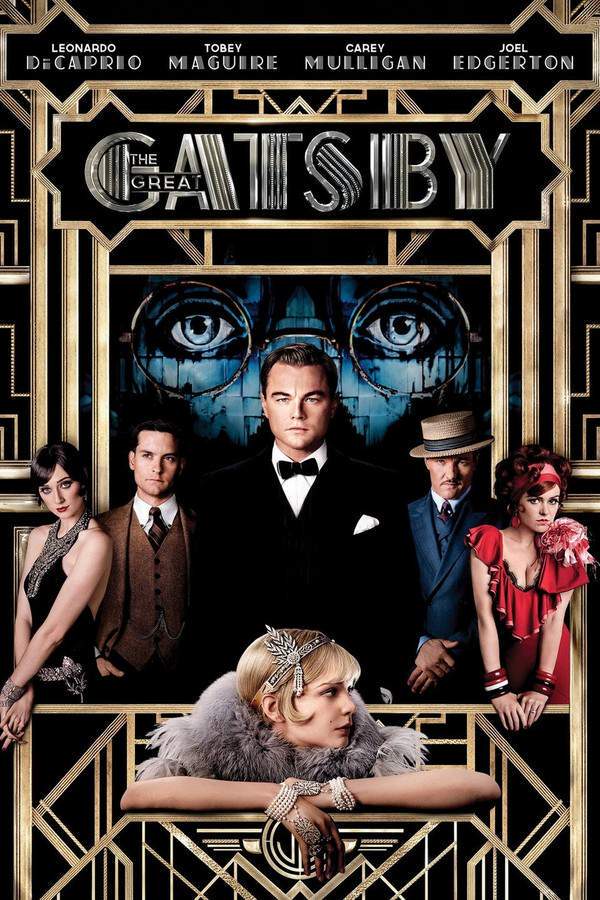
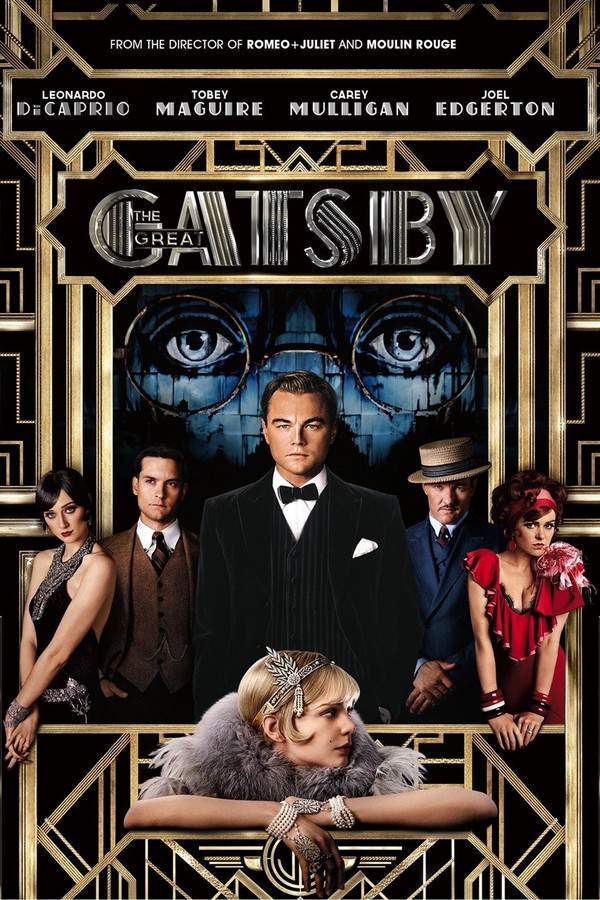
Nick Carraway, a young Midwestern man now residing on Long Island, becomes intrigued by the enigmatic past and extravagant lifestyle of his neighbor, the newly wealthy Jay Gatsby. Drawn into Gatsby’s glittering social circle, Carraway witnesses the obsessive romance, ambition, and ultimate tragedy that define the era.

Warning: spoilers below!

Haven’t seen The Great Gatsby yet? This summary contains major spoilers. Bookmark the page, watch the movie, and come back for the full breakdown. If you're ready, scroll on and relive the story!

The Great Gatsby (1949) – Full Plot Summary & Ending Explained

Read the complete plot breakdown of The Great Gatsby (1949), including all key story events, major twists, and the ending explained in detail. Discover what really happened—and what it all means.

In 1948, Nick Carraway, played by Macdonald Carey, looks back on his life as a middle‑aged man who is happily married to the former flapper Jordan Baker Ruth Hussey. The two of them visit the grave of their late acquaintance, Jay Gatsby Alan Ladd, and Nick reflects on Gatsby’s infamous ascent and the choices that shaped his fate. As he speaks, Nick quotes the Book of Proverbs to frame Gatsby’s world as one steeped in temptation and danger: > There is a way which seemeth right unto a man, but the end thereof are the ways of death.

The narrative then slips into a blistering flashback to 1928, when Prohibition power and wealth collide along the shores of Long Island. Gatsby—burnished by notoriety and the aura of a “dark empire”—has built a fortune through bootlegging and calculated risk, all in the name of a singular dream: to win back Daisy Buchanan Betty Field. Daisy, who once shared a young love with Gatsby during World War I, is now married to Tom Buchanan Barry Sullivan, a man of substantial wealth who nonetheless indulges in affairs that blur the lines of loyalty and propriety. Gatsby’s longing is powered not just by money but by a stubborn belief that he can recapture the past and rewrite the present.

Daisy’s presence in Gatsby’s world pulls Nick, Daisy, and Gatsby into a close, intoxicating circle. The trio—along with Jordan Baker Ruth Hussey and others—spend evenings in the city where laughter, music, and the clamor of luxury mask a fragile moral balance. The tension culminates at a fateful night when Daisy, behind the wheel of Gatsby’s car, strikes Myrtle Wilson Shelley Winters in the street. The accident sets off a chain of denials and evasions that ripple through the lives of everyone involved.

Back in the quieter rooms of Gatsby’s mansion, Daisy confesses the truth to Tom, Nick, and Jordan, admitting what happened and setting off a plan to shield herself from responsibility. Tom, Daisy, and Jordan deliberate on how to pin Myrtle’s death on Gatsby, and Nick finds himself increasingly unsettled by the cover‑up and its consequences. He steps away from the conspiracy, watching Gatsby overhear the plan from the veranda, unseen, as the cracks in Gatsby’s carefully constructed world widen.

Meanwhile, George Wilson [Howard Da Silva]—Myrtle’s husband, who owns a modest gas station—becomes convinced that Gatsby was involved in the night’s tragedy, and he confronts Tom in a tense stand‑off at the Buchanan residence. Tom refuses to reveal Gatsby’s name, preserving his own complicity in the cascade of violence and betrayal. A desperate attempt to reach Gatsby by telephone goes unanswered, leaving Gatsby isolated and vulnerable.

In a climactic turn, Gatsby stands by the pool, seeking a final absolution or a new chance at life, and he publicly renounces the illicit life that fed his empire. It is a moment of quiet courage that costs him dearly, as Myrtle’s memory and the web of deceit surrounding her death collide with the truth Gatsby has fought to keep hidden. The tragedy ends with Gatsby being shot by an unseen assailant, a moment that marks the end of his dream and the collapse of the world he built.

The aftermath is stark and intimate. Only Nick and Jordan attend Gatsby’s funeral, a sobering counterpoint to the earlier revelry and spectacle. The story closes with a sense of hard, sober realism as Nick and Jordan decide to leave behind the glittering East for the Midwest, choosing a future that promises renewal but acknowledges the heavy toll exacted by the past.

This retelling preserves the core arcs of ambition, romance, and consequence, while expanding the emotional textures and social dynamics that drive the characters. It captures Gatsby’s magnetic lure, Daisy’s conflicted loyalties, Tom’s cold pragmatism, and Nick’s uneasy moral witness, all set against a landscape where wealth and desire blur the line between right and wrong.


Last Updated: October 09, 2025 at 11:29

Mobile App Preview

Coming soon on iOS and Android

The Plot Explained Mobile App

From blockbusters to hidden gems — dive into movie stories anytime, anywhere. Save your favorites, discover plots faster, and never miss a twist again.

Sign up to be the first to know when we launch. Your email stays private — always.

Explore Movie Threads

Discover curated groups of movies connected by mood, themes, and story style. Browse collections built around emotion, atmosphere, and narrative focus to easily find films that match what you feel like watching right now.

Movies about tragic obsessions of the wealthy like The Great Gatsby

Stories where immense wealth fuels a fatal, romantic obsession.If you liked the tragic story of Jay Gatsby in The Great Gatsby, explore more movies like it about wealthy characters whose romantic obsessions lead to their downfall. These similar drama stories often feature themes of the American Dream, social class, and the heavy emotional weight of unattainable desires.

tragicmelancholicglitteringoppressivedisillusionednostalgictense

Narrative Summary

The narrative typically follows a wealthy, charismatic protagonist who is driven by a singular, often romantic, obsession. Their fortune provides the means to chase this dream, but it also isolates them and blinds them to reality. The story builds steadily towards an inevitable tragedy, revealing that money cannot buy happiness or alter the past.

Why These Movies?

Movies in this thread share a focus on the corrosive nature of wealth when coupled with obsessive desire. They blend a melancholic tone with high dramatic intensity, featuring glamorous settings that contrast with the characters' internal emptiness and the heavy, sad conclusions of their journeys.

Melancholic movies about reckoning with the past like The Great Gatsby

Reflective stories where characters are consumed by memories and regret.Find more movies like The Great Gatsby that explore characters reckoning with their past. These similar dramatic stories share a melancholic tone, steady pacing, and a heavy emotional focus on memory, regret, and the tragic consequences of being unable to move on from what was lost.

melancholicnostalgicreflectivetragicdisillusionedtenseoppressive

Narrative Summary

These narratives are often framed by reflection, with a character looking back on events that led to a pivotal tragedy or personal collapse. The central conflict arises from the characters' attempts to reconcile with or resurrect the past, a futile endeavor that creates a slow-burning tension and culminates in a disillusioning revelation or tragic outcome.

Why These Movies?

These films are united by their melancholic atmosphere and their focus on the emotional weight of memory and time. They feature a steady, deliberate pace that allows for deep character study and a pervasive sense of nostalgia that gives way to tragedy or sobering clarity.

Unlock the Full Story of The Great Gatsby

Don't stop at just watching — explore The Great Gatsby in full detail. From the complete plot summary and scene-by-scene timeline to character breakdowns, thematic analysis, and a deep dive into the ending — every page helps you truly understand what The Great Gatsby is all about. Plus, discover what's next after the movie.

The Great Gatsby Timeline

Track the full timeline of The Great Gatsby with every major event arranged chronologically. Perfect for decoding non-linear storytelling, flashbacks, or parallel narratives with a clear scene-by-scene breakdown.

The Great Gatsby Timeline

Characters, Settings & Themes in The Great Gatsby

Discover the characters, locations, and core themes that shape The Great Gatsby. Get insights into symbolic elements, setting significance, and deeper narrative meaning — ideal for thematic analysis and movie breakdowns.

Characters, Settings & Themes in The Great Gatsby

The Great Gatsby Spoiler-Free Summary

Get a quick, spoiler-free overview of The Great Gatsby that covers the main plot points and key details without revealing any major twists or spoilers. Perfect for those who want to know what to expect before diving in.

The Great Gatsby Spoiler-Free Summary

More About The Great Gatsby

Visit What's After the Movie to explore more about The Great Gatsby: box office results, cast and crew info, production details, post-credit scenes, and external links — all in one place for movie fans and researchers.

More About The Great Gatsby

Similar Movies to The Great Gatsby

Discover movies like The Great Gatsby that share similar genres, themes, and storytelling elements. Whether you’re drawn to the atmosphere, character arcs, or plot structure, these curated recommendations will help you explore more films you’ll love.