Year: 2013
Runtime: 143 min
Language: English
Director: Baz Luhrmann
Budget: $105M
In 1922 New York, Nick Carraway leaves the Midwest for the excitement of city life. He becomes neighbor to the mysterious Jay Gatsby, a wealthy man known for his extravagant parties. Nick is drawn into Gatsby’s world, discovering a poignant story of ambition, romance, and the illusions of the American Dream. As Nick learns more about Gatsby's past and his relentless pursuit of a lost love, he witnesses the tragic consequences of chasing an unattainable ideal.
Warning: spoilers below!
Haven’t seen The Great Gatsby yet? This summary contains major spoilers. Bookmark the page, watch the movie, and come back for the full breakdown. If you're ready, scroll on and relive the story!
Read the complete plot breakdown of The Great Gatsby (2013), including all key story events, major twists, and the ending explained in detail. Discover what really happened—and what it all means.
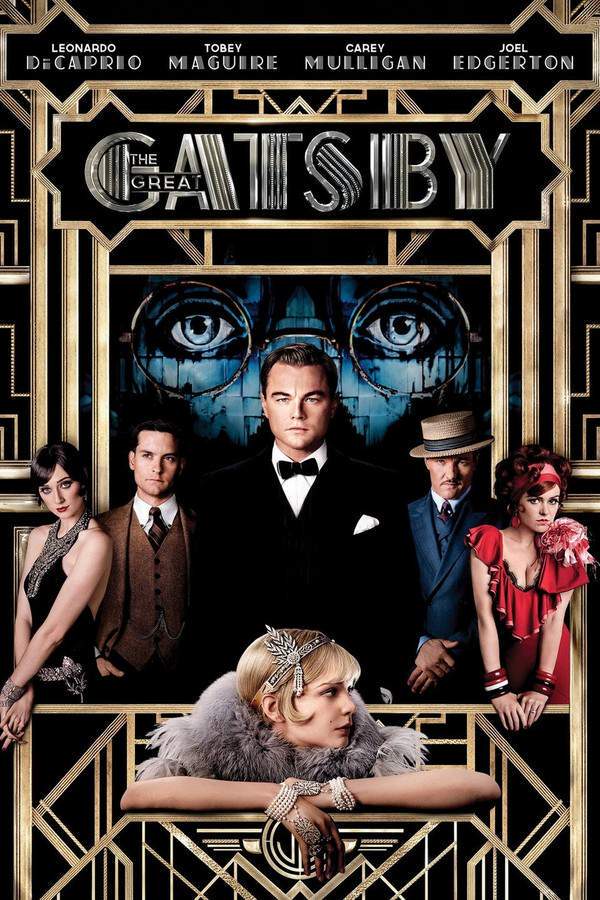
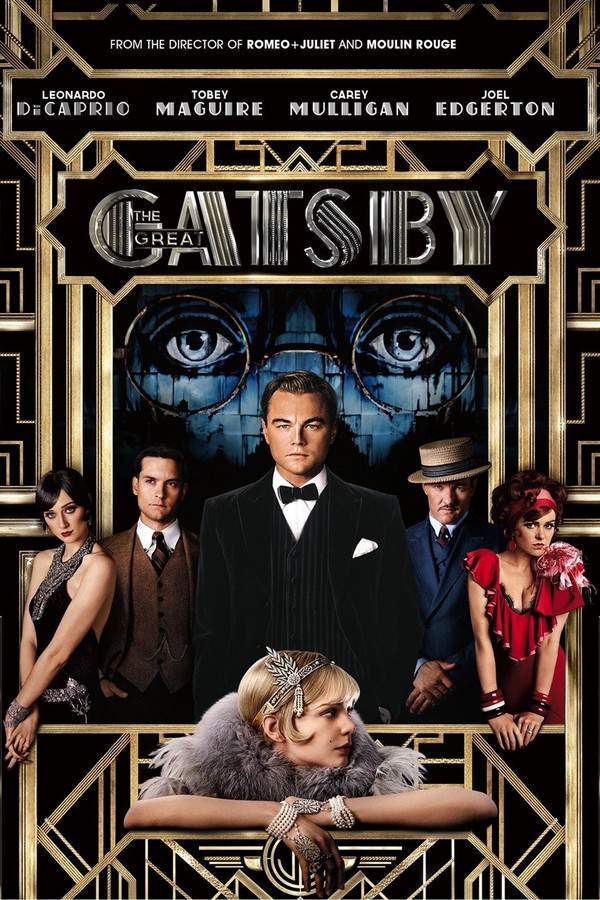
Nick Carraway, portrayed by Tobey Maguire, is a Yale graduate and World War I veteran recovering from alcoholism at a sanatorium. He reflects on the enigmatic figure of Jay Gatsby, played by Leonardo DiCaprio, whom he describes as the most optimistic person he has ever encountered. Struggling to articulate his feelings, his doctor, Walter Perkins, encourages him to express himself through writing, a passion of Nick’s.
In the summer of 1922, Nick relocates from the Midwest to New York City, abandoning his dream of writing to work as a bond salesman. He rents a modest home in the fictional West Egg, next to Gatsby’s opulent mansion, where lavish parties are the norm. One evening, he visits his cousin Daisy Buchanan, portrayed by Carey Mulligan, and her husband Tom, played by Joel Edgerton. There, Nick meets the cynical golfer Jordan Baker, who hints at a scandalous affair involving Tom and a woman living in the “valley of ashes,” a bleak area between their homes and the city.
As Nick learns the details, he accompanies Tom to the valley, where they visit a garage owned by George Wilson and his wife, Myrtle, Tom’s mistress. What begins as a seemingly ordinary visit escalates into chaos at an apartment they use for their clandestine meetings, ending with a violent confrontation that results in Tom injuring Myrtle during a heated argument.
As summer unfolds, Nick receives a coveted invitation to one of Gatsby’s elaborate soirées. To his surprise, he discovers that none of the attendees have met Gatsby, and various wild rumors circulate about his identity—some claiming he is a German spy, others suggesting he might be a prince or even an assassin. When Nick finally meets Gatsby, he finds him surprisingly youthful and somewhat detached. At the party’s conclusion, Gatsby’s butler discreetly informs Jordan of Gatsby’s desire to speak with her privately.
Nick and Gatsby’s connection grows as Gatsby invites him to join him for lunch, where they encounter Meyer Wolfshiem, a notorious gambler tied to the 1919 World Series scandal. Through these interactions, Nick learns about Gatsby’s affluent background and his enduring love for Daisy, which fuels Gatsby’s extravagant lifestyle and wild parties, all in hopes of rekindling their past romance. Gatsby asks Nick to facilitate a reunion with Daisy, which he discreetly organizes by inviting her to tea at his home.
Following a somewhat awkward reconnection, Gatsby and Daisy embark on an affair. However, Gatsby is taken aback to learn that Daisy wishes to escape New York with him, envisioning a life together in his mansion. Nick warns Gatsby that the past cannot be replicated, but he fervently believes it is possible. Striving to keep their secret, Gatsby dismisses most of his staff and puts an end to his extravagant gatherings. Eventually, he calls upon Nick to join him and Jordan at the Buchanans’ to confront Tom about Daisy’s intentions.
During the tense luncheon, Tom’s jealousy and suspicion begin to surface as he observes Gatsby’s evident affection for Daisy. Unable to contain himself, Gatsby openly declares his love for Daisy, but she hesitates, suggesting they escape to the city. En route to the Plaza Hotel, tensions rise, and Tom takes control of Gatsby’s car, while Gatsby and Daisy journey in Tom’s vehicle. Things take a tragic turn when Myrtle, fleeing from her abusive husband, runs into the road, mistaking Gatsby’s car for Tom’s, and is tragically killed.
In the aftermath, Gatsby waits outside the Buchanan’s mansion, where he believes Daisy will call him. He confesses to Nick that Daisy was driving the car, but he intends to take full responsibility. As he awaits her call, he decides to take a swim in his pool, believing it will bring him closer to Daisy. Instead, he is struck down in a violent act of vengeance from George, Myrtle’s husband. The tragic culmination of these events leaves Nick as the sole witness to Gatsby’s reality and sacrifice.
When Nick learns that Daisy, Tom, and their daughter are leaving New York, he is devastated to find that Gatsby’s funeral is attended only by a few reporters and voyeurs. Infuriated by the indifference towards Gatsby’s demise, he sends them away, realizing that he is the only one who truly understands the man behind the façade. Disillusioned with the city and its inhabitants, Nick ultimately departs New York, reflecting on his experiences and penning his memoirs, which he titles “The Great Gatsby.”
Last Updated: November 04, 2024 at 00:51
Discover curated groups of movies connected by mood, themes, and story style. Browse collections built around emotion, atmosphere, and narrative focus to easily find films that match what you feel like watching right now.
Stories where a beautiful ideal leads to a devastating, inevitable downfall.If you were captivated by the tragic pursuit of an unattainable dream in The Great Gatsby, explore these similar movies. This collection features stories of obsessive love, the hollowness of wealth, and characters whose grand illusions lead to heartbreaking consequences, perfect for fans of heavy, melancholic dramas.
These stories typically follow a protagonist who constructs their entire life around attaining a single, idealized goal—often a person from their past or a symbol of success. The plot builds steadily as they get closer to this dream, only to have it crumble, revealing it was an illusion all along, resulting in profound disillusionment or tragedy.
Movies in this thread share a core narrative of a futile quest for an ideal, a melancholic tone, and a heavy emotional weight. They connect through themes of memory, obsession, and the stark contrast between dazzling appearances and inner desolation, creating a cohesive experience of tragic beauty.
Lavish period pieces where wealth and excess mask spiritual emptiness and corruption.Fans of the lavish 1920s setting and critique of the wealthy elite in The Great Gatsby will love these movies. Discover similar films set in gilded ages where fabulous parties and immense wealth hide profound loneliness, adultery, and a tragic sense of disillusionment with the world.
The narrative often uses an outsider's perspective to enter a world of extreme wealth and privilege. The story methodically peels back the layers of glamour to expose the corruption, infidelity, and spiritual bankruptcy of the characters, culminating in a event that shatters the illusion for everyone involved.
These films are grouped by their shared setting of historical opulence, a critical lens on class and corruption, and a pervasive mood of nostalgia mixed with anxiety. They offer a visually rich but emotionally heavy exploration of how external splendor conceals internal ruin.
Don't stop at just watching — explore The Great Gatsby in full detail. From the complete plot summary and scene-by-scene timeline to character breakdowns, thematic analysis, and a deep dive into the ending — every page helps you truly understand what The Great Gatsby is all about. Plus, discover what's next after the movie.
Track the full timeline of The Great Gatsby with every major event arranged chronologically. Perfect for decoding non-linear storytelling, flashbacks, or parallel narratives with a clear scene-by-scene breakdown.
Discover the characters, locations, and core themes that shape The Great Gatsby. Get insights into symbolic elements, setting significance, and deeper narrative meaning — ideal for thematic analysis and movie breakdowns.
Get a quick, spoiler-free overview of The Great Gatsby that covers the main plot points and key details without revealing any major twists or spoilers. Perfect for those who want to know what to expect before diving in.
Visit What's After the Movie to explore more about The Great Gatsby: box office results, cast and crew info, production details, post-credit scenes, and external links — all in one place for movie fans and researchers.
Discover movies like The Great Gatsby that share similar genres, themes, and storytelling elements. Whether you’re drawn to the atmosphere, character arcs, or plot structure, these curated recommendations will help you explore more films you’ll love.
The Great Gatsby (2013) Scene-by-Scene Movie Timeline
The Great Gatsby (2013) Movie Characters, Themes & Settings
The Great Gatsby (2013) Spoiler-Free Summary & Key Flow
Movies Like The Great Gatsby – Similar Titles You’ll Enjoy
Gone Girl (2014) Story Summary & Characters
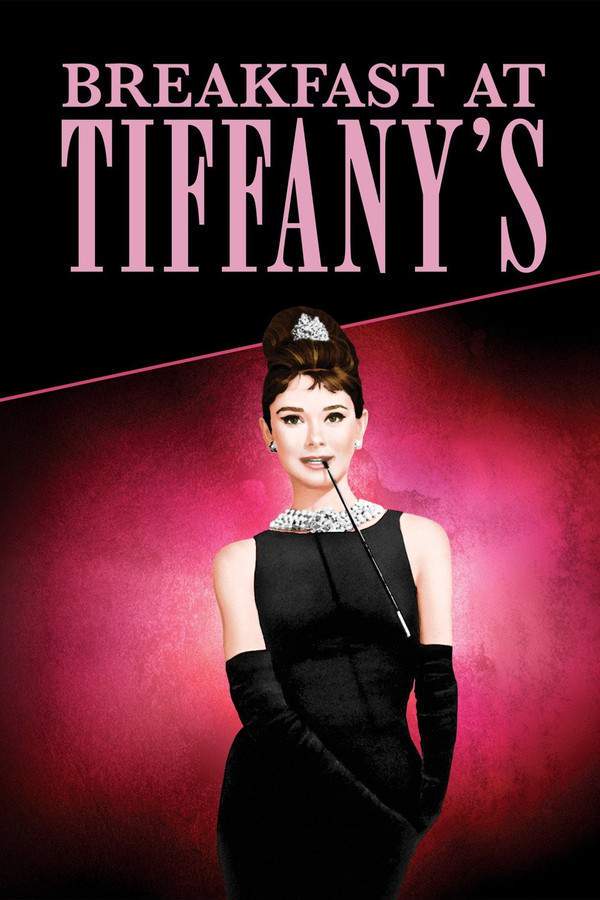
Breakfast at Tiffany's (1961) Full Summary & Key Details
Café Society (2016) Full Summary & Key Details
The Great Gatsby (1974) Ending Explained & Film Insights
Bright Lights, Big City (1988) Complete Plot Breakdown
Daisy Miller (1974) Ending Explained & Film Insights
The Great Gatsby (2000) Movie Recap & Themes
Manhattan Melodrama (1934) Film Overview & Timeline
The Gilded Lily (1935) Plot Summary & Ending Explained
The Girl in the Red Velvet Swing (1955) Movie Recap & Themes
The Great Gatsby (1949) Full Movie Breakdown
Extravagance (1930) Movie Recap & Themes
The Great Gatsby (1926) Complete Plot Breakdown
A Great Love (1964) Film Overview & Timeline
Gable and Lombard (1976) Detailed Story Recap