Plot Explained Spoilers guaranteed!
Plot Explained

Browse by genre

The Fourth Portrait (2010) movie poster

Spoiler-Free Summary

The Fourth Portrait (2010) Spoiler-Free Summary – What It's About

Release, runtime and language
2010 · 105 mins · Chinese
Directed by
Chung Mong-Hong
Starring
Na-Do, King Shih-Chieh, Hao Lei, Shiao Hai Pi, Leon Dai Li-Jen, Terri Kwan

Ten‑year‑old Xiang is left desolate after his father dies and faces the prospect of an orphanage. His estranged mother returns, bringing a cold home, a bitter stepfather and emotional neglect. Xiang finds solace in drawing, his art echoing a need for affection. Hope appears when he meets a guarded school janitor and an eccentric man, unveiling a truth that compels him to complete his fourth portrait.

On this page (5)
  1. 1 What it is about
  2. 2 Is it worth watching?
  3. 3 After you watch
  4. 4 Movie threads
  5. 5 Every angle

Spoiler-free summary · safe to read

What Is The Fourth Portrait About? (No Spoilers)

The plot of The Fourth Portrait (2010) without spoilers: what it is about, who it follows and where it takes place, told without the twists or the ending. Enough to decide whether it is your next watch, not enough to ruin it.

In the quiet outskirts of a bustling city, ten‑year‑old Xiang is jolted from his ordinary school routine when his father’s sudden death leaves the family teetering on the brink of an orphanage. The loss casts a long shadow over his world, turning everyday corners into places where safety feels fragile and the future uncertain. Against this backdrop, the film moves with a measured, almost reverent pace, letting the emptiness of loss linger in the air like a slow‑rising mist.

Just as Xiang begins to navigate this new reality, his estranged mother, Wu Chun‑Lan, reappears, bringing with her a house that feels more like a sterile rehearsal space than a home. The presence of a stern stepfather adds a chill to the household, their interactions marked by a careful distance that leaves Xiang yearning for genuine connection. In the silence of his room, the boy turns to drawing, each sketch a tentative attempt to capture affection that remains out of reach, suggesting that art may become his quiet language of survival.

Within the school’s unnoticed corridors, a compassionate janitor watches Xiang from the periphery, offering an unspoken promise of steadier ground. An eccentric figure also drifts into his life, hinting at possibilities beyond his immediate confines. Together they form a fragile network of small, caring gestures that contrast sharply with the larger, colder family dynamics. The notion of a “fourth portrait” looms as a metaphor for the boy’s desire to piece together his fragmented identity.

The film’s tone is one of subdued lyricism, blending the starkness of loss with the faint glow of hope that flickers in quiet moments. Its visual style lingers on ordinary objects and muted colors, inviting the audience to feel the weight of Xiang’s inner world while pondering the delicate balance between neglect and the small acts of kindness that can reshape a child’s sense of belonging.

Last updated: October 07, 2025 at 13:33

Was this helpful?

What to expect

Is The Fourth Portrait Worth Watching? What It Feels Like

Is it dark, sad, slow, intense or confusing? The mood of The Fourth Portrait (2010) in a few tags, without a word about how it ends. Each tag opens a list of movies that feel the same.

After you watch

Seen The Fourth Portrait? Now Read the Spoilers

Once you have watched The Fourth Portrait (2010), come back for the full story: the plot summary with spoilers, the timeline in chronological order, the characters and meaning.

Movie threads

More Movies Like The Fourth Portrait, by Mood & Story

Curated lists built around what makes The Fourth Portrait tick: the same mood, the same kind of story or the same emotional payoff. Each list explains why these movies belong together.

Melancholic stories of childhood resilience like in The Fourth Portrait

Children navigate painful worlds, finding fragile hope through quiet strength. If you liked the quiet strength of the young protagonist in The Fourth Portrait, explore more movies like it. This collection features similar dramas about children navigating grief and neglect, where slow pacing and a heavy emotional weight create an intimate, reflective experience.

  • melancholic
  • intimate
  • somber
  • hopeful glimmer
  • lonely
  • reflective
  • Tone: melancholic, bittersweet
  • Pacing: slow, deliberate
Why these movies?

The story pattern: These narratives follow a child's point of view as they process a major upheaval, such as the death of a parent or emotional abandonment. The plot is often driven by small, character-driven moments rather than high-stakes action, culminating in an ending that acknowledges the pain but leaves room for a cautious, hard-won sense of hope.

Why they belong together: Movies are grouped here for their shared focus on a child's internal world amidst external hardship, their melancholic and reflective tone, and their commitment to portraying emotional trauma with sensitivity and a humane, rather than sensationalistic, approach.
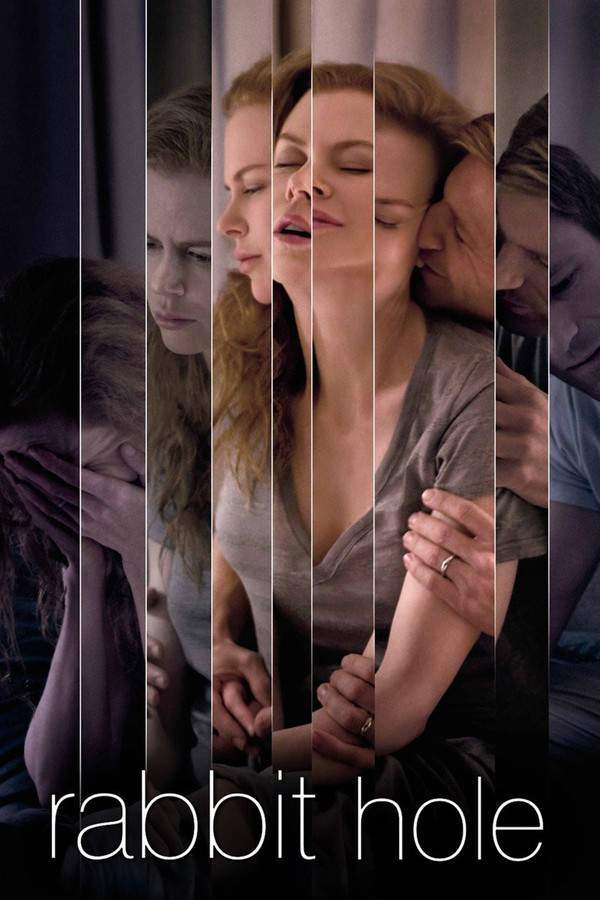
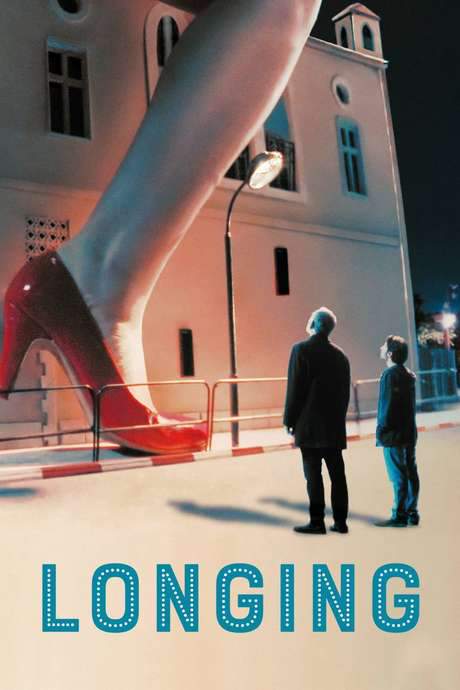
Movies about bittersweet family secrets like The Fourth Portrait

Unveiling a buried past leads to a painful but necessary understanding. Discover movies similar to The Fourth Portrait that explore the theme of uncovering a difficult family secret. These dramas share a melancholic tone, moderate complexity, and a bittersweet ending feel, focusing on the emotional impact of truth and reconciliation.

  • somber
  • reflective
  • unsettling
  • intimate
  • melancholic
  • emotional
  • Tone: melancholic, bittersweet
  • Pacing: slow, atmospheric
Why these movies?

The story pattern: The narrative pattern involves a central mystery or unspoken truth about the family that is gradually revealed through the course of the story. This revelation is the emotional climax, recontextualizing the characters' past and present. The conflict is internal and relational, centered on processing the new information and its emotional consequences.

Why they belong together: These films are connected by their focus on a pivotal family secret as a narrative engine, their melancholic and reflective mood, and their commitment to delivering an emotionally heavy, bittersweet conclusion that prioritizes emotional truth over tidy resolutions.

Every angle

The Fourth Portrait (2010) Explained: Plot, Timeline & Characters

Everything about The Fourth Portrait in one place: what happens in the plot summary, the timeline in chronological order, the characters and meaning and a spoiler-free summary. What's After the Movie adds the cast, box office and post-credit scenes.

Coming soon on iOS and Android

The Plot Explained Movie Summary App

Plot summaries, endings explained and timelines on your phone. Catch up on any movie in minutes, save your favorites and never miss a twist again.

Be the first to know when we launch. Your email stays private, always.

Learn more about the app