Plot Explained Spoilers guaranteed!
Plot Explained

Browse by genre

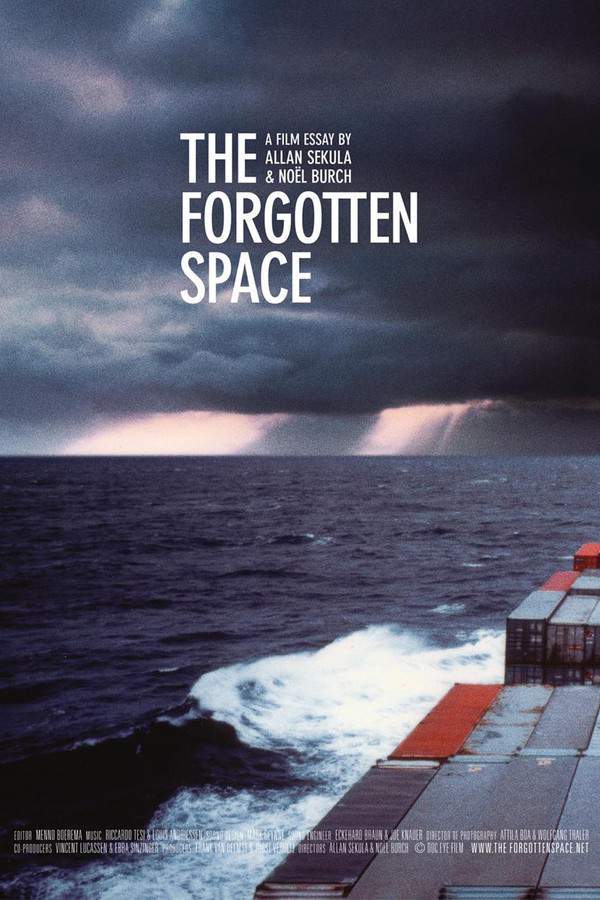
The Forgotten Space (2012) movie poster

Timeline

The Forgotten Space (2012) Timeline Explained – Every Event in Order

Release, runtime and language
2012 · 112 min · English
Loading streaming availability…
Directed by
Allan Sekula, Noël Burch

This documentary explores the complex and often fragile global supply chain that keeps the world’s economies running. Following container cargo as it travels by ship, train, and truck, the film reveals the precarious balance that exists beneath the surface. It highlights the human element, featuring the voices of workers, from displaced farmers to underpaid truckers, and examining the impact on their lives. The film underscores the importance of the sea and the vital, often unseen, roles people play in maintaining the flow of goods worldwide.

On this page (5)
  1. 1 Where to watch
  2. 2 Events in order (15)
  3. 3 Timeline questions answered
  4. 4 Movie threads
  5. 5 Every angle
Loading streaming availability…

15 events in order · contains spoilers

The Forgotten Space Timeline: Events in Chronological Order

Every key event of The Forgotten Space (2012) in order, scene by scene, with when and where it takes place. Use it to untangle flashbacks, time jumps and parallel storylines, to refresh your memory before the sequel or to find the exact scene you are thinking of.

  1. Introduction of the Container

    The documentary opens by introducing the shipping container, which is presented as a revolutionary invention that has reshaped global trade. The film emphasizes its critical role in facilitating the seamless movement of goods across borders and its far-reaching implications on the economy.

  2. Impact on Labor

    As the narrative progresses, the film delves into the profound impact that containerization and automation have had on dockworkers around the world. It reveals how many long-standing jobs have been lost due to the technological advancements in shipping and the subsequent transformation of labor in port cities.

  3. The Seafarer's Experience

    The film shifts focus to the lives of seafarers, illustrating the often grueling conditions they must endure while working on container ships. These workers face long periods of isolation, difficult working conditions, and navigate complex regulatory environments that frequently leave them vulnerable.

  4. Environmental Consequences

    Environmental impacts of global shipping are a significant concern addressed in the film. It highlights pollution from ships and the disruption of ecosystems, underlining the ecological costs that come with the conveniences of modern trade.

  5. Complex Supply Chains

    The documentary explores the intricacies of modern supply chains, focusing especially on the vulnerabilities brought about by the 'just-in-time' production model. It reveals how this structure can lead to inefficiencies and a lack of transparency, posing questions about the sustainability of these practices.

  6. Social and Political Implications

    Beyond the technical aspects, the film discusses the wider social ramifications of a globalized economy. It addresses issues of inequality and exploitation, shedding light on the forgotten communities that bear the brunt of these economic shifts.

  7. Forgotten Spaces

    The term 'Forgotten Spaces' is introduced in the documentary, signifying the marginalized communities impacted by the global shipping industry. It paints a picture of how these environments are often overlooked in discussions about trade and economic progress.

  8. Reflection on Inequalities

    At this stage in the film, the narrative reflects on the inequalities perpetuated by the global trade system. It questions who benefits from this model and who is left behind, prompting viewers to think critically about the distribution of wealth and opportunity.

  9. Expert Insights

    As the film progresses, experts in the field weigh in with their insights on the issues surrounding containerization and global trade. Their contributions lend depth to the discussion, highlighting the need for informed dialogue around these critical issues.

  10. Questions for Future Consideration

    The documentary concludes by posing thought-provoking questions about the future of global shipping and trade. It encourages viewers to critically assess the sustainability and ethical implications of the current system, urging a reassessment of modern practices.

  11. Impact on Communities

    The film examines how the shipping industry affects local communities, often instigating economic shifts that disadvantage workers. The changing nature of labor in these areas is discussed, illustrating the significant consequences of a globalized economy.

  12. Role of Technology

    The influence of technology in transforming shipping processes is analyzed further in the documentary. Innovations in logistics and automation present challenges and opportunities, shaping the future landscape of global trade.

  13. Visibility of the Supply Chain

    The narrative emphasizes a lack of visibility in supply chains, creating issues of accountability. This lack of transparency complicates ethical consumption and raises concerns about the sourcing of goods in a global marketplace.

  14. Global Trade Dynamics

    The film examines the interconnectedness of global trade dynamics, illustrating how local economies are influenced by international practices. The intricate web of trade highlights the importance of understanding these relationships in an increasingly globalized world.

  15. Call to Action

    The documentary ends with a call to action, inviting viewers to engage in discussions about sustainable practices within global trade. It emphasizes the importance of ethical consumption and supports movements that aim to create a fairer and more sustainable economy.

Last updated: May 13, 2025 at 20:30

Was this helpful?

Timeline questions answered

The Forgotten Space Timeline Explained: Your Questions Answered

When does it happen, and why in that order? The questions people ask about the chronology of The Forgotten Space (2012): time jumps, flashbacks, cause and effect between scenes and the correct order of events, each answered with spoilers.

Q1

Why did containerization lead to job losses for dockworkers?

Containerization dramatically increased efficiency in port operations, allowing ships to be loaded and unloaded much faster than traditional methods. However, this automation eliminated the need for the large manual labor forces that previously worked at ports. The film shows how entire communities that depended on dock work were displaced as ports became automated, with jobs shifting to more skilled (but fewer) positions in logistics and crane operation.

  • containerization
  • job losses
  • dockworkers
  • automation
  • labor
  • ports
Q2

How does the just-in-time production model create vulnerabilities in global trade?

The just-in-time model minimizes inventory storage by having materials arrive exactly when needed in production. The documentary reveals that this creates fragile supply chains, when any single link breaks (a ship delay, port congestion, or supply disruption), the entire production line can halt. This system also reduces transparency, as goods pass through multiple intermediaries making it difficult to track origins, labor conditions, or true costs.

  • just-in-time
  • supply chain
  • vulnerabilities
  • production
  • logistics
Q3

What are the major environmental costs of global shipping?

The film highlights several environmental costs: ships burn heavy fuel oil that releases significant air pollutants including sulfur oxides and particulate matter. Ballast water dumping spreads invasive species across ecosystems. Container ships contribute to ocean noise pollution affecting marine life. Additionally, the massive increase in shipping traffic has led to habitat destruction in coastal areas and contributes to greenhouse gas emissions on a scale comparable to major countries.

  • pollution
  • environment
  • shipping
  • ecosystems
  • emissions
  • marine
Q4

Who are the 'Forgotten Spaces' communities mentioned in the film?

The film uses 'Forgotten Spaces' to describe communities that bear the negative consequences of globalized trade but are rarely acknowledged. This includes displaced port workers who lost jobs, coastal communities affected by shipping pollution, factory workers in developing countries facing poor conditions, and regions where raw materials are extracted with environmental damage. These populations are geographically distant from consumers but integral to the supply chain.

  • forgotten spaces
  • communities
  • displacement
  • inequality
  • workers
Q5

What working conditions do seafarers on container ships face?

Seafarers on container vessels work in harsh isolation, often spending months at sea away from families. The film reveals they face long hours, limited fresh food, and communication restrictions. They navigate complex international regulations that can leave them vulnerable, with limited ability to report abuses. Many are from developing nations and work under contracts that can exploit their precarious status, with wages sometimes withheld by unscrupulous operators.

  • seafarers
  • labor
  • working conditions
  • isolation
  • container ships
Q6

Why do global supply chains lack transparency?

Global supply chains involve numerous intermediaries, shipping lines, freight forwarders, customs brokers, and logistics companies, each handling different segments. The documentary explains that this fragmentation makes it nearly impossible to trace products back to their origins. Companies often deliberately obscure supply chains to avoid scrutiny over labor conditions or environmental practices. Consumers rarely see the human and ecological costs embedded in the products they purchase.

  • transparency
  • supply chain
  • accountability
  • consumers
  • intermediaries
Q7

How does globalized trade impact local communities?

The film shows that globalized trade transforms local economies in complex ways. Some communities thrive as logistics hubs, while others decline as manufacturing moves to cheaper locations. Port cities may experience growth but often see gentrification that displaces longtime residents. Agricultural communities can be devastated when cheaper imports undercut local farmers. The film emphasizes that these impacts are unevenly distributed, often falling hardest on already vulnerable populations.

  • local communities
  • economic impact
  • globalization
  • ports
  • displacement
Q8

Why are shipping industry workers often vulnerable to exploitation?

The documentary reveals that shipping workers are vulnerable because they operate across international waters and jurisdictions, making labor protections difficult to enforce. Many seafarers come from countries with limited worker protections or face language barriers when trying to report abuses. Flag-of-convenience practices allow ship owners to register vessels in countries with minimal labor requirements. The isolation of maritime work further prevents collective action or external oversight.

  • exploitation
  • labor rights
  • seafarers
  • flag of convenience
  • international waters
Q9

What alternatives does the film suggest for more sustainable trade?

The documentary concludes by presenting expert perspectives on alternatives, though it largely poses questions rather than prescriptive solutions. Suggested directions include greater regional production to shorten supply chains, improved transparency requirements for companies, fair trade certifications, and policy reforms to hold corporations accountable. The film encourages viewers to consider their own consumption habits and support movements working toward more equitable and sustainable economic systems.

  • sustainability
  • alternatives
  • ethical consumption
  • policy
  • reform

Movie threads

More Movies Like The Forgotten Space, by Mood & Story

Curated lists built around what makes The Forgotten Space tick: the same mood, the same kind of story or the same emotional payoff. Each list explains why these movies belong together.

Critical Documentaries on Hidden Systems like The Forgotten Space

Films that dissect the human and environmental costs of large-scale systems. If you liked The Forgotten Space, explore more movies that critically examine the unseen systems shaping our world. These documentaries and dramas uncover the human stories and environmental impacts behind global trade, technology, and industry.

  • eye-opening
  • critical
  • analytical
  • sobering
  • thought-provoking
  • documentary
  • Tone: melancholic, critical, sobering
  • Pacing: steady, analytical
Why these movies?

The story pattern: Stories in this thread typically follow a logical, investigative structure, moving from the macro perspective of a system down to the micro-level human experiences within it. The narrative journey is one of revelation, connecting abstract economic forces to tangible, often sobering, real-world outcomes.

Why they belong together: Movies are grouped here for their shared critical perspective, analytical tone, and focus on exposing the unintended consequences of large-scale operations. They share a sobering mood and a desire to make the invisible visible.

Bittersweet Journeys Through Global Interconnectedness like The Forgotten Space

Stories that trace interconnected paths, revealing both cost and connection. Find movies like The Forgotten Space that explore the bittersweet reality of our connected world. These films follow sprawling journeys across supply chains or migrant routes, blending a sense of loss with a reflection on our shared humanity.

  • melancholic
  • contemplative
  • sprawling
  • bittersweet
  • interconnected
  • journey
  • Tone: melancholic, bittersweet, contemplative
  • Pacing: steady, sprawling
Why these movies?

The story pattern: The narrative pattern involves a sprawling, multi-threaded structure that converges around a central theme of global flow. Characters or elements are often linked by a common system or journey, experiencing both the benefits and the profound costs of a interconnected world, leading to a bittersweet conclusion.

Why they belong together: These movies share a specific emotional mix: a steady, contemplative pace, a heavy emotional weight focused on systemic issues, and a bittersweet ending that balances critique with a sliver of hope or reflective ambiguity.

Every angle

The Forgotten Space (2012) Explained: Plot, Timeline & Characters

Everything about The Forgotten Space in one place: what happens in the plot summary, the timeline in chronological order, the characters and meaning and a spoiler-free summary. What's After the Movie adds the cast, box office and post-credit scenes.

Coming soon on iOS and Android

The Plot Explained Movie Summary App

Plot summaries, endings explained and timelines on your phone. Catch up on any movie in minutes, save your favorites and never miss a twist again.

Be the first to know when we launch. Your email stays private, always.

Learn more about the app