Plot Explained Spoilers guaranteed!
Plot Explained

Browse by genre

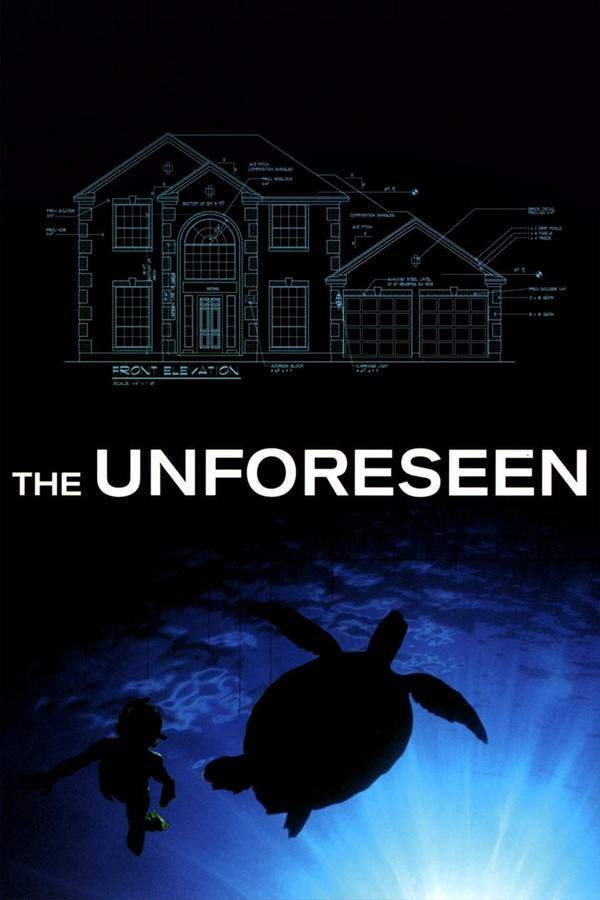
The Unforeseen (2008) movie poster

Plot Summary

The Unforeseen (2008) Plot Summary Explained

Release, runtime and language
2008 · 88 min · English
Directed by
Laura Dunn

This documentary explores the dramatic downfall of a Texas real estate mogul whose rapid success is jeopardized by environmental concerns and the unfolding S&L crisis. As economic turmoil and rising foreclosures impact the region, the film examines themes of the American Dream and the challenges of personal growth in the face of financial uncertainty and unforeseen circumstances.

On this page (6)
  1. 1 Where to watch
  2. 2 What happens: full plot
  3. 3 Plot questions answered
  4. 4 Movie threads
  5. 5 Movies like The Unforeseen
  6. 6 Every angle

Where to watch

Where to Watch The Unforeseen (2008)

Where can you watch The Unforeseen? Stream, rent or buy it in the US, including on Apple TV Store: current JustWatch availability with up-to-date prices.

Streaming availability powered by JustWatch

Full plot summary · contains spoilers

What Happens in The Unforeseen: Full Plot Summary

The whole story of The Unforeseen (2008) explained, from the opening scene to the final frame: every key event, every twist and what it all adds up to. Read it as a quick recap before the sequel, to check a scene you missed, or to finally understand what really happened.

A thought-provoking documentary unfolds by exploring the journey of Gary Bradley, a real estate developer from Texas. Growing up on a farm, he learns early on about his reliance on nature. Eager to break free from this dependence, he ventures into the bustling city of Austin, Texas, pursuing a career as a real estate developer. In his own words, > "I wanted a life I had more control over."

Embracing his new role, he perceives raw land as “a blank canvas” where he aspires to create a magnificent masterpiece, specifically, a subdivision. However, fate deals him a harsh blow: the Savings and Loan industry collapses, leaving him drowning in significant debt. To compound his misfortunes, an emerging environmental movement directly challenges his plans, fearing that his developments could contaminate the pristine waters of Barton Springs, one of North America's largest spring-fed swimming areas.

In this intricate narrative, the film broadens its scope with insights from Robert Redford, who reminisces about his childhood experiences in Austin, notably learning to swim in Barton Springs. He reflects on how these early lessons unveiled the beauty of the natural world to him. Redford highlights a pressing concern: much of America's natural heritage is under siege from developers and their supporters, driven solely by short-term gains.

As the plot thickens, landowners and homebuilders rally together, hiring a lobbyist to navigate the legislative waters and dismantle the environmental protections. Their efforts bear fruit, leading to the passage of new legislation that allows the development of over 10,000 acres despite environmentalist opposition. However, the tide turns as Ann Richards, the Democratic governor of Texas, vetoes the bill, infuriating the lobbyists and landowners.

Not backing down, development advocates pivot to a fresh strategy, framing the struggle as a matter of “property rights” and successfully garnering support from Texas ranchers and farmers against the environmentalists. This shift culminates in the election of George Bush to the governorship, with Karl Rove as his chief strategist, orchestrating a surprising upset over the beloved Ann Richards. Bush's administration eventually paves the way for the controversial "House Bill 1704." As the lobbyist chillingly asserts, > "It erased much of what the environmentalists had accomplished... The legislature burned Austin to the ground."

The story arcs back to Gary Bradley, who now finds himself embroiled in a federal bankruptcy case, burdened with over $80 million in debt and facing allegations of bankruptcy fraud. Auditory echoes from the courtroom blend with visuals of development and pastoral landscapes as he contemplates his strengths and failures. The narrative reaches its emotional apex when he reflects on the heart-wrenching experience of burying his mother during this tumultuous period.

The film's poignant conclusion captures the expansive landscapes of West Texas while Bradley reveals how his life has been stripped bare. He grapples with profound existential anguish, expressing that when one has lost everything, the struggle becomes not just with material loss but with “dealing with God.” In this moment of vulnerability, he comes to terms with his fragility, recognizing his intrinsic dependence on forces beyond his control. The documentary ends with journalist William Greider offering a contemplative thought that perhaps, after two centuries of relentless development, Americans have finally reached a pivotal moment to mature and resolve to not "leave a wreck behind us when we're gone."

Last updated: November 07, 2024 at 23:52

Was this helpful?

Plot questions answered

The Unforeseen Plot Explained: Your Questions Answered

The questions people ask most about The Unforeseen (2008): what happens in the confusing scenes, why the characters do what they do, the twists, hidden details and what the ending means. Each answer contains spoilers.

Q1

Why did Gary Bradley want to leave farming for real estate?

Gary Bradley grew up on a farm in Texas and learned early that his livelihood depended on nature and forces beyond his control, such as weather and crop conditions. He wanted a life where he had more control over his future, which drove him to move to Austin and pursue real estate development. He saw raw land as a blank canvas where he could create something on his own terms rather than relying on agricultural cycles.

Foreshadowing: His childhood experience on the farm planted the seed for his desire to escape nature's unpredictability.

  • Gary Bradley
  • farming
  • Austin
  • real estate
  • American Dream
  • control
Q2

How did the Savings and Loan crisis impact Gary Bradley's business?

The collapse of the Savings and Loan industry in the 1980s left Gary Bradley drowning in significant debt. This financial disaster struck while he was pursuing his real estate development projects, jeopardizing his entire career and leaving him unable to continue his planned developments. The crisis affected the entire real estate market, but Gary found himself particularly vulnerable due to his ambitious projects.

Foreshadowing: His pursuit of control over his life would be dramatically undermined by systemic financial collapse.

  • Savings and Loan crisis
  • 1980s
  • debt
  • real estate market
  • financial collapse
Q3

Why did Barton Springs become a focal point for the environmental debate?

Barton Springs is one of North America's largest spring-fed swimming areas, representing a pristine natural resource in Austin. Environmentalists feared that Gary Bradley's developments would contaminate its waters, making it a symbolic battleground between development interests and conservation. Robert Redford's childhood memory of learning to swim there underscored the personal and cultural significance of protecting such natural treasures.

Foreshadowing: Robert Redford's reflections connect the personal history of Austin residents to the broader environmental stakes.

  • Barton Springs
  • environmental movement
  • Austin
  • development
  • pollution
  • Robert Redford
Q4

Why did Governor Ann Richards veto the development legislation?

Ann Richards, the Democratic governor of Texas, vetoed the controversial bill that would have allowed development on over 10,000 acres of land despite opposition from environmentalists. Her veto represented a victory for environmental protection advocates and infuriated the landowners and lobbyists who had worked to pass the legislation. This pivotal moment temporarily halted the push to dismantle environmental safeguards.

Foreshadowing: The intense lobbying efforts signaled that developers would not accept defeat quietly.

  • Ann Richards
  • veto
  • Texas governor
  • environmental protection
  • legislation
Q5

How did development advocates reframe the debate to gain support?

After Ann Richards' veto, development advocates shifted their strategy by framing the struggle as a matter of property rights rather than purely economic gain. This rhetorical pivot successfully garnered support from Texas ranchers and farmers who felt their land ownership rights were threatened by environmental regulations. By appealing to rural Texans' sense of property ownership, they built a broader political coalition against environmentalists.

Foreshadowing: The shift toward property rights rhetoric set the stage for a political realignment in Texas.

  • property rights
  • Texas ranchers
  • framing
  • environmental debate
  • political coalition
Q6

How did George Bush's election as governor affect environmental regulations?

George Bush's election as Texas governor in 1994, orchestrated by chief strategist Karl Rove in a surprising upset over Ann Richards, marked a major turning point. Bush's administration subsequently championed the controversial House Bill 1704, which the lobbyist described as having 'erased much of what the environmentalists had accomplished.' This legislation represented a significant rollback of environmental protections and paved the way for increased development.

Foreshadowing: Karl Rove's strategic victory foreshadowed a fundamental shift in Texas political power.

  • George Bush
  • Karl Rove
  • Ann Richards
  • 1994 election
  • House Bill 1704
  • environmental regulations
Q7

What was House Bill 1704 and what impact did it have?

House Bill 1704 was legislation passed under George Bush's administration that severely undermined the environmental protections that environmentalists had fought for. The lobbyist chillingly stated that 'the legislature burned Austin to the ground,' indicating the devastating impact on environmental safeguards. This bill allowed development to proceed in areas that had previously been protected, representing a major victory for development interests.

Foreshadowing: The bill's passage confirmed the effectiveness of the property rights framing strategy.

  • House Bill 1704
  • Texas legislature
  • environmental rollback
  • development
  • Austin
Q8

Why did Gary Bradley face bankruptcy and fraud allegations?

Gary Bradley found himself in federal bankruptcy court burdened with over $80 million in debt while facing allegations of bankruptcy fraud. The combination of the S&L crisis, failed development projects, and the broader economic turmoil left him unable to repay his debts. The documentary presents him as someone whose ambitious dreams collapsed under the weight of systemic financial upheaval and personal circumstances.

Foreshadowing: His legal troubles were the culmination of years of economic and political pressures beyond his control.

  • Gary Bradley
  • bankruptcy
  • fraud
  • debt
  • federal court
  • S&L crisis
Q9

What did Gary Bradley mean when he spoke about 'dealing with God'?

In the documentary's emotional climax, Gary Bradley expressed that when one has lost everything, the struggle becomes not just with material loss but with 'dealing with God.' This reflection came after experiencing bankruptcy, personal loss including his mother's death, and the collapse of his professional life. He confronted his own fragility and recognized his dependence on forces beyond his control, leading to a profound existential reckoning.

Foreshadowing: His earlier desire for control over his life had been completely reversed by circumstance.

  • Gary Bradley
  • existential crisis
  • God
  • loss
  • vulnerability
  • bankruptcy
Q10

What is the documentary's message about the American Dream?

The documentary examines how the pursuit of the American Dream led Gary Bradley to chase control and economic success, only to lose everything due to circumstances beyond his control, the S&L crisis, political changes, and environmental backlash. Journalist William Greider concludes that perhaps after two centuries of relentless development, Americans have reached a pivotal moment to mature and commit to not leaving a wreck behind. The film suggests that true fulfillment may come from recognizing humanity's dependence on nature rather than fighting it.

Foreshadowing: Gary's journey from farm boy seeking control to broken man confronting vulnerability mirrors the broader American struggle between ambition and stewardship.

  • American Dream
  • development
  • nature
  • control
  • William Greider
  • responsibility
  • environment

Movie threads

More Movies Like The Unforeseen, by Mood & Story

Curated lists built around what makes The Unforeseen tick: the same mood, the same kind of story or the same emotional payoff. Each list explains why these movies belong together.

Documentaries on Dreams and Downfalls like The Unforeseen

True stories of ambition clashing with reality, leading to dramatic collapse. For viewers who liked The Unforeseen, this section features movies with similar true stories of overreach and collapse. Find other documentaries about hubris, financial ruin, and the unraveling of the American Dream, where ambitious projects lead to bitter consequences.

  • documentary
  • cautionary tale
  • reflective
  • grim
  • melancholic
  • philosophical
  • Tone: melancholic, reflective, grim
  • Pacing: slow, analytical
Why these movies?

The story pattern: The narrative follows a real-world protagonist on an upward trajectory of success, which is progressively undermined by their own flaws, external crises, or a combination of both. The story structure is investigative, building a case for how and why the downfall was inevitable, often framed as a tragic arc.

Why they belong together: These films are grouped by their shared focus on real-life cautionary tales. They blend personal biography with broader social commentary, creating a reflective and often melancholic mood through a slow, analytical pace that allows the weight of the failure to fully sink in.

Slow Burn Elegies for Lost Landscapes like The Unforeseen

Meditative films about the conflict between progress and nature. If you appreciated the ecological themes and melancholic tone of The Unforeseen, explore this collection of similar movies. Discover films that contemplate nature vs. development, featuring a slow pace, heavy emotional weight, and a bittersweet or bleak perspective on environmental change.

  • contemplative
  • oppressive
  • philosophical
  • melancholic
  • despairing
  • reflective
  • Tone: melancholic, philosophical, oppressive
  • Pacing: slow, contemplative
Why these movies?

The story pattern: These narratives often juxtapose serene visuals of nature with the grim reality of political and economic systems driving its destruction. The conflict is less about a single villain and more about a pervasive cultural mindset, leading to an ending that acknowledges loss without clear resolution.

Why they belong together: Movies in this thread share a specific mood blend: a contemplative, almost mournful pace combined with heavy themes of existential crisis and environmental loss. The experience is defined by its melancholic tone and the philosophical weight it places on the consequences of human action.

If you liked this

Movies Like The Unforeseen

Similar movies to The Unforeseen: the same genre, themes or kind of story. Each one comes with its own plot summary, timeline and ending explained.

Browse all movie summaries

Every angle

The Unforeseen (2008) Explained: Plot, Timeline & Characters

Everything about The Unforeseen in one place: what happens in the plot summary, the timeline in chronological order, the characters and meaning and a spoiler-free summary. What's After the Movie adds the cast, box office and post-credit scenes.

Coming soon on iOS and Android

The Plot Explained Movie Summary App

Plot summaries, endings explained and timelines on your phone. Catch up on any movie in minutes, save your favorites and never miss a twist again.

Be the first to know when we launch. Your email stays private, always.

Learn more about the app