Year: 2024
Runtime: 1 h 15 m
Language: english
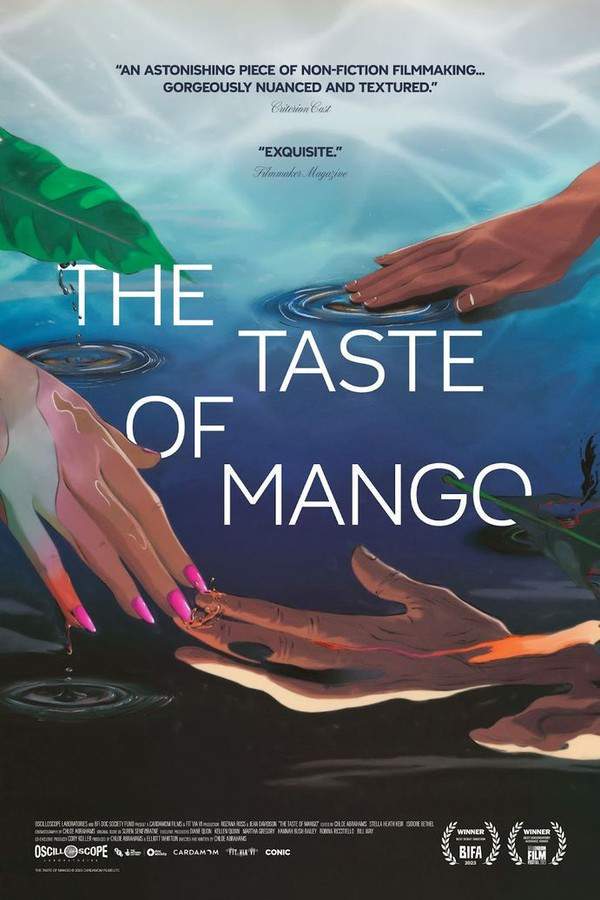
This debut feature explores themes of family, memory, identity, violence, and love through the interwoven stories of three women: the director’s mother, Rozana; her grandmother, Jean; and the director herself. Their experiences, both challenging and joyful, reveal the complexities of their relationships and the impact of the past.
Find where to stream, rent, or buy The Taste of Mango (2024) in the US with current JustWatch availability, up-to-date pricing, and platform listings for subscription, rental, and digital purchase options.
Warning: spoilers below!
Haven’t seen The Taste of Mango yet? This summary contains major spoilers. Bookmark the page, watch the movie, and come back for the full breakdown. If you're ready, scroll on and relive the story!
Read the complete plot breakdown of The Taste of Mango (2024), including all key story events, major twists, and the ending explained in detail. Discover what really happened, and what it all means.
The Taste of Mango marks the compelling debut of Chloe Abrahams, who crafts a mesmerizing, deeply personal exploration of crucial themes such as family ties, memory, identity, love, and the impact of violence. At the heart of this film are three remarkable women: the director's own mother, Rozana; her grandmother, Jean; and—of course—the filmmaker herself. Their intertwined narratives oscillate between struggles and moments of joy, showcasing the complex nature of legacy and the ways in which we can both wound and safeguard our loved ones.
During her childhood, Chloe was often caught in the emotional crossfire between Rozana and Jean during family gatherings, which filled her with a longing for a future where peace would reign between them. Growing up in the UK, she was acutely aware of the pain that resided within Rozana and often overheard snippets about Jean's turbulent marriage back in Sri Lanka. As Chloe transitions into young adulthood, she dedicates her time to spending intimate moments with both Rozana and Jean, whether in the vibrant streets of London or the culturally rich Colombo, Sri Lanka. This precious time allows her to listen to and record their life stories, ultimately revealing a personal and collective tapestry that navigates through the challenges of physical and sexual violence while emphasizing the enduring strength of familial bonds that stretch across distances and time. Additionally, it grapples with the emotional toll of grief, estrangement, and the flickering prospects of healing, joy, and reconciliation.
Chloe, drawing on her rich background as a portrait painter and video artist, adopts a unique and confident cinematic style that transcends traditional boundaries. By integrating unfiltered camcorder footage, she cleverly shifts toward metaphor, deliberately focusing on various textures and pushing the limits of close-ups, both emotionally and physically. Her voice-over serves as a direct dialogue with her mother, intertwined with a haunting original score by Suren Seneviratne, seamlessly merging dreamlike melodies and 1970s American country tunes. The culmination of these artistic choices invites audiences to plunge into the depths of the filmmaker's consciousness, where time, sensory memories, dreams, and imagination converge. As glimpses of the past and the present nudge those painful memories from their silent recesses, the tightly wound knots of trauma begin to unravel, creating space for healing and understanding.
Last updated: May 12, 2025 at 07:03
Explore frequently asked questions about The Taste of Mango (2024) with spoiler-rich answers covering the full plot summary, major story beats, character motivations, hidden details, and ending meaning. This movie summary FAQ helps explain confusing scenes, plot twists, and narrative decisions in clear, searchable detail.
The tension between Rozana and Jean stems from unresolved conflicts that have persisted across generations. During family gatherings in Chloe's childhood, she often witnessed emotional conflict between her mother and grandmother, which created a longing for peace within the family. The film reveals that Jean experienced a tumultuous marriage in Sri Lanka involving physical violence, which affected her relationship with Rozana and left lasting wounds on the family dynamic.
Chloe's childhood memories of being caught in the emotional crossfire during family visits hint at the deep-rooted conflict that would later be explored.
Jean experienced a tumultuous and violent marriage while living in Sri Lanka. The film explores how this marriage, marked by physical violence, created lasting trauma that impacted not only Jean but also her relationship with her daughter Rozana and subsequently influenced the family dynamics across generations.
Chloe overheard snippets about Jean's turbulent marriage while growing up in the UK, foreshadowing the generational trauma that the documentary later unveils.
Rozana carries deep pain from her childhood and formative years, much of which stems from witnessing and experiencing the violence that affected her mother Jean. Growing up in the UK, Chloe was acutely aware of the pain that resided within Rozana, suggesting that Rozana experienced both the ripple effects of her mother's trauma and potentially her own experiences of physical and sexual violence.
The film hints at Rozana's suffering through Chloe's childhood observations of her mother's emotional state.
The title "The Taste of Mango" serves as a metaphor for memory, sensory experience, and the connection between past and present. Mangoes, native to Sri Lanka, represent Chloe's cultural roots and her grandmother's homeland. The sensory memory of tasting mangoes becomes a way for Chloe to access and explore deeper emotional memories, linking childhood experiences with her present-day journey of understanding her family's history.
The film's exploration of sensory memories and the interconnection of time hints at the title's significance from the opening moments.
The documentary skillfully alternates between Chloe's present-day conversations with her mother Rozana in London and her grandmother Jean in Colombo, Sri Lanka, while layering Chloe's voice-over as a direct dialogue with her mother. This non-linear structure creates a layered experience where past and present memories converge, allowing the audience to witness how trauma and love ripple across three generations.
The opening focus on family dynamics establishes the intergenerational framework that shapes the entire film.
Chloe applies her background as a portrait painter and video artist to create a distinctive cinematic language. She uses raw camcorder footage, deliberate focus on textures, and extreme close-ups that push emotional and physical boundaries. These artistic choices transform personal memory into something visually tangible, allowing viewers to engage with abstract concepts of trauma and identity in a visceral, almost tactile way.
The mention of Chloe's artistic vision early in the film signals the unconventional storytelling approach that defines the documentary.
The soundtrack, featuring a haunting original score by Suren Seneviratne blended with 1970s American country songs, creates a poignant atmosphere that complements the film's emotional landscape. The music intertwines with Chloe's voice-overs, seamlessly merging dreamlike melodies with nostalgic tunes to evoke both the Sri Lankan and British contexts of the family's story. This sonic approach reinforces themes of memory, longing, and healing.
The musical elements mentioned in the opening establish the emotional tone that permeates throughout the documentary.
The film approaches healing through the act of storytelling and documentation. By spending intimate time with both Rozana and Jean, recording their life stories, and confronting the painful memories of physical and sexual violence, Chloe helps unravel what the summary describes as "tightly wound knots of trauma." The process creates space for understanding and potential reconciliation, though the ending remains bittersweet rather than offering a simple resolution.
Chloe's desire for peace between her mother and grandmother, established in her childhood reflections, points toward the film's ultimate exploration of healing.
The film employs visual metaphors throughout, using textures, imagery, and close-ups to illustrate complex emotions and memories. Chloe's artistic approach transforms sensory experiences, like the taste of mango, into metaphorical representations of memory and identity. The tight close-ups and focus on physical textures create a visceral connection between the audience and the emotional content, making abstract concepts of trauma and healing more tangible.
The emphasis on textures and visual elements early in the film establishes the metaphorical language that develops throughout.
Chloe's journey to Colombo, Sri Lanka represents a return to her roots and a pivotal moment in understanding her family's struggles. This trip allows her to reconnect with her grandmother Jean and gain firsthand perspective on the origins of the family's pain. By visiting the place where Jean's traumatic marriage occurred, Chloe can contextualize the generational trauma and piece together the stories that shaped her mother's and grandmother's identities.
The mention of Jean's marriage in Sri Lanka foreshadows the importance of this geographical and emotional journey.
The film illustrates how trauma reverberates across generations through the experiences of Jean, Rozana, and Chloe. Jean's violent marriage created wounds that affected her relationship with Rozana, and this pain was passed down through Chloe's childhood observations of her mother's suffering. The documentary shows how physical and sexual violence shaped each woman's identity and relationships, demonstrating how unresolved trauma creates patterns that span decades and geographic distances.
Chloe's growing awareness of family pain while growing up in the UK foreshadows the exploration of how trauma transfers between generations.
Discover curated groups of movies connected by mood, themes, and story style. Browse collections built around emotion, atmosphere, and narrative focus to easily find films that match what you feel like watching right now.
Documentaries that weave personal history into a reflective and intimate tapestry.For viewers who liked The Taste of Mango, this section features similar documentaries and dramas that explore family history and memory with a poetic, intimate style. Discover movies about intergenerational stories, personal archives, and reflective journeys into the past.
Narratives in this thread are often non-linear, stitching together interviews, home footage, and personal reflection to uncover hidden family truths. The journey is one of discovery for both the filmmaker and the audience, moving between generations to understand the present through the lens of the past.
These films are grouped by their shared artistic, reflective approach to heavy themes. They prioritize atmosphere and emotional honesty over conventional storytelling, creating a similar melancholic, intimate, and thought-provoking vibe for the viewer.
Stories where confronting painful pasts leads to a complex, hopeful resolution.If you appreciated the heavy emotional weight and bittersweet ending of The Taste of Mango, this collection is for you. Find movies and documentaries about confronting trauma, the process of healing, and stories that end on a note of hard-won hope and understanding.

The narrative pattern involves a deep dive into a character's or family's painful history, often involving trauma or loss. The conflict is internal and emotional, centered on acceptance and understanding. The resolution is not a simple happy ending but a nuanced, bittersweet acknowledgment of progress made and scars that remain.

These movies share a specific emotional trajectory: they begin with weighty subject matter, maintain a heavy emotional tone, and culminate in a bittersweet resolution. This creates a coherent viewing experience for audiences seeking stories about realistic, complex healing.
Don't stop at just watching - explore The Taste of Mango in full detail. From the complete plot summary and scene-by-scene timeline to character breakdowns, thematic analysis, and a deep dive into the ending - every page helps you truly understand what The Taste of Mango is all about. Plus, discover what's next after the movie.
Track the full timeline of The Taste of Mango with every major event arranged chronologically. Perfect for decoding non-linear storytelling, flashbacks, or parallel narratives with a clear scene-by-scene breakdown.
Discover the characters, locations, and core themes that shape The Taste of Mango. Get insights into symbolic elements, setting significance, and deeper narrative meaning - ideal for thematic analysis and movie breakdowns.
Discover movies like The Taste of Mango that share similar genres, themes, and storytelling elements. Whether you’re drawn to the atmosphere, character arcs, or plot structure, these curated recommendations will help you explore more films you’ll love.
The Taste of Mango (2024) Scene-by-Scene Movie Timeline
The Taste of Mango (2024) Movie Characters, Themes & Settings
The Taste of Mango (2024) Spoiler-Free Summary & Key Flow
Movies Like The Taste of Mango – Similar Titles You’ll Enjoy
The Taste of Tea (2007) Spoiler-Packed Plot Recap
Black Mother (2019) Complete Plot Breakdown
The Watermelon Woman (1997) Story Summary & Characters
Mommy (2015) Story Summary & Characters
Mothers and Daughters (2016) Complete Plot Breakdown
Bitter Honey (2014) Full Summary & Key Details
A Photographic Memory (2024) Film Overview & Timeline
Mangoshake (2018) Story Summary & Characters
Birth/Mother (2006) Full Summary & Key Details
A Transient Taste (2023) Complete Plot Breakdown
Namets! (2008) Ending Explained & Film Insights
Moon Belly (2024) Spoiler-Packed Plot Recap
Smell (2009) Spoiler-Packed Plot Recap
Spirit of My Mother (1999) Full Movie Breakdown
Bouchra (2025) Ending Explained & Film Insights