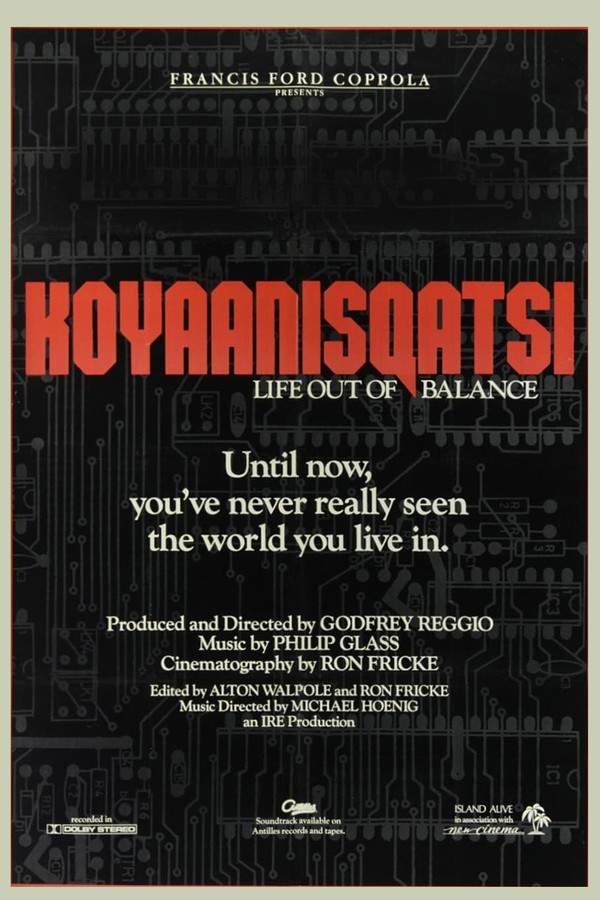
Year: 1983
Runtime: 86 min
Language: English
Director: Godfrey Reggio
A powerful and wordless film presents a stark contrast between the beauty of the natural world and the accelerating pace of modern civilization. Breathtaking landscapes and elemental forces are juxtaposed with scenes of urban life and technological advancement. Through manipulated time-lapse photography and a soaring musical score, the film offers a visual critique of humanity's disconnection from nature and the overwhelming dominance of technology in contemporary society.
Find where to stream, rent, or buy Koyaanisqatsi (1983) in the US with current JustWatch availability, up-to-date pricing, and platform listings for subscription, rental, and digital purchase options.
Warning: spoilers below!
Haven’t seen Koyaanisqatsi yet? This summary contains major spoilers. Bookmark the page, watch the movie, and come back for the full breakdown. If you're ready, scroll on and relive the story!
Trace every key event in Koyaanisqatsi (1983) with our detailed, chronological timeline. Perfect for unpacking nonlinear stories, spotting hidden connections, and understanding how each scene builds toward the film’s climax. Whether you're revisiting or decoding for the first time, this timeline gives you the full picture.
Last updated: November 07, 2024 at 23:24
Find frequently asked questions about the Koyaanisqatsi (1983) timeline, including chronological order, nonlinear jumps, cause-and-effect links, and scene sequence clarifications. This timeline FAQ helps explain when key events happen, how moments connect, and why the story unfolds in that specific order.
Koyaanisqatsi is a Hopi word meaning "life out of balance" or "life in a state of withdrawal." This title encapsulates the film's central critique of modern civilization's disconnection from the natural world and the destructive acceleration of technology and urbanization.
The opening chanting of the word itself signals that the film will explore this fundamental imbalance.
The juxtaposition is the film's primary storytelling device. By placing pristine natural environments, mountains, deserts, waterfalls, alongside chaotic industrial sites, refineries, and cityscapes, the film creates a visual argument about humanity's escalating departure from nature. The contrast itself becomes the commentary.
The opening sequence moves from ancient, natural imagery to industrial fires, establishing this visual dialectic immediately.
The film presents technology and unchecked modernization as forces that disconnect humanity from the natural world. Through time-lapse footage of traffic, factories, and urban sprawl, the film critiques how technological advancement comes at an environmental cost, creating a life that is fundamentally out of balance with nature.
The van arriving in the fourth movement, spewing black smoke against grand natural backdrops, foreshadows this critique of progress.
This scene represents human obliviousness to the environmental consequences of their consumption. The sunbathers lounge contentedly beside a massive power station, symbolizing society's blissful ignorance toward the industrial machinery that powers, yet simultaneously threatens, their comfortable lifestyles.
The angelic choir observing the sunbathers foreshadows divine judgment appearing later in the film.
The slow-motion rocket launch represents humanity's ambitious reach toward the heavens while simultaneously relying on destructive, polluting technology. The fiery blaze against the natural landscape symbolizes both technological capability and the environmental cost of humanity's drive to advance.
This early image of technological power sets up the film's escalating critique of human progress.
The destructive finale, buildings exploding in rhythmic sequence with debris raining down, represents the inevitable consequences of unbalanced growth. The ominous sky and crescendo of strings suggest divine displeasure or natural backlash against unchecked urban expansion, leaving viewers with a bleak warning about humanity's trajectory.
The transition from urban deterioration to explosive destruction follows a logical escalation established throughout the film.
The aerial views of tanks and fighter planes inserted between peaceful natural scenes represent another dimension of human destructiveness, military might alongside industrial consumption. This juxtaposition suggests that not only is civilization disconnected from nature, but it is also primed for conflict, adding a layer of societal critique to the environmental message.
The transition from industrial chaos to military might follows the film's pattern of escalating human-made disruptions.
The film relies entirely on visual and musical storytelling to allow viewers to form their own interpretations without editorial guidance. This non-narrative approach mirrors the film's themes of communication breakdown and humanity's disconnection, words are unnecessary when the imagery speaks so powerfully about the state of the world.
The absence of spoken word makes the chanting of "Koyaanisqatsi" at the opening even more significant, a rare moment of human voice amidst visual noise.
The ancient cave paintings appearing in the opening establish the film's temporal scope, positioning humanity's journey from primitive beginnings through to the modern industrial age. They serve as a visual marker of where humanity started in harmony with nature, setting up the contrast with where the film argues civilization has arrived.
This return to origins contrasts sharply with the urban chaos that follows, emphasizing how far humanity has strayed.
The angelic choir represents a moral or divine perspective observing humanity's actions. Their presence, whether watching traffic, sunbathers, or urban destruction, suggests a higher consciousness witnessing humanity's mismanagement of the planet. Their growing concern tracks with the film's escalating critique.
The choir's appearance becomes more ominous as the film progresses, culminating in the final sequences of divine displeasure.
The film is divided into movements that progress chronologically from nature to industrialization to destruction. Early movements showcase unspoiled landscapes, deserts, mountains, waterfalls. Middle sections introduce human elements: the polluting van, refineries, urban traffic. The final movements escalate to military imagery, urban decay, and finally explosions, creating a rhythmic argument about where humanity's path leads.
Each movement builds upon the visual themes established in previous sections, creating a cumulative effect.
Discover curated groups of movies connected by mood, themes, and story style. Browse collections built around emotion, atmosphere, and narrative focus to easily find films that match what you feel like watching right now.
Films where the imagery and music carry the weight of the story.If the overwhelming, non-narrative power of Koyaanisqatsi captivated you, explore more movies like it. These films use visuals and sound as their primary language, offering similar experiences with sensory overload, philosophical depth, and a focus on mood over plot.
Films in this thread often lack conventional plots and characters. Instead, they unfold through a series of interconnected images and sounds, building meaning through association, contrast, and rhythm. The journey is more about a shifting emotional and intellectual state than a linear story.
These movies are grouped together because they share a fundamental approach to filmmaking: the experience is the message. They prioritize creating a specific, powerful mood through their audiovisual construction, appealing to viewers seeking a more sensory and meditative form of cinema.

Sobering reflections on humanity's destructive impact on the world.For viewers moved by Koyaanisqatsi's stark warning about life out of balance, this section features similar movies with a bleak outlook. These stories explore environmental destruction, urban decay, and the emotional weight of humanity's disconnection, often ending on a somber note.
The narrative pattern in these films tends to be observational or cautionary. They illustrate a problem—environmental collapse, societal breakdown, technological alienation—without necessarily offering a solution. The emotional arc leads the audience toward a sense of loss, anxiety, or solemn reflection on the state of the world.
These films are united by their shared melancholic tone, heavy emotional weight, and bleak perspective on contemporary issues. They provoke thought and unease by holding a mirror to society's flaws, creating a cohesive experience for viewers interested in philosophical and critical cinema.
Don't stop at just watching - explore Koyaanisqatsi in full detail. From the complete plot summary and scene-by-scene timeline to character breakdowns, thematic analysis, and a deep dive into the ending - every page helps you truly understand what Koyaanisqatsi is all about. Plus, discover what's next after the movie.
Read a complete plot summary of Koyaanisqatsi, including all key story points, character arcs, and turning points. This in-depth recap is ideal for understanding the narrative structure or reviewing what happened in the movie.
Discover the characters, locations, and core themes that shape Koyaanisqatsi. Get insights into symbolic elements, setting significance, and deeper narrative meaning - ideal for thematic analysis and movie breakdowns.
Discover movies like Koyaanisqatsi that share similar genres, themes, and storytelling elements. Whether you’re drawn to the atmosphere, character arcs, or plot structure, these curated recommendations will help you explore more films you’ll love.
Koyaanisqatsi (1983) Plot Summary & Movie Recap
Koyaanisqatsi (1983) Scene-by-Scene Movie Timeline
Koyaanisqatsi (1983) Spoiler-Free Summary & Key Flow
Movies Like Koyaanisqatsi – Similar Titles You’ll Enjoy
Voyage of Time: The IMAX Experience (2016) Ending Explained & Film Insights
Kusama - Infinity (2018) Plot Summary & Ending Explained
Counting (2015) Movie Recap & Themes
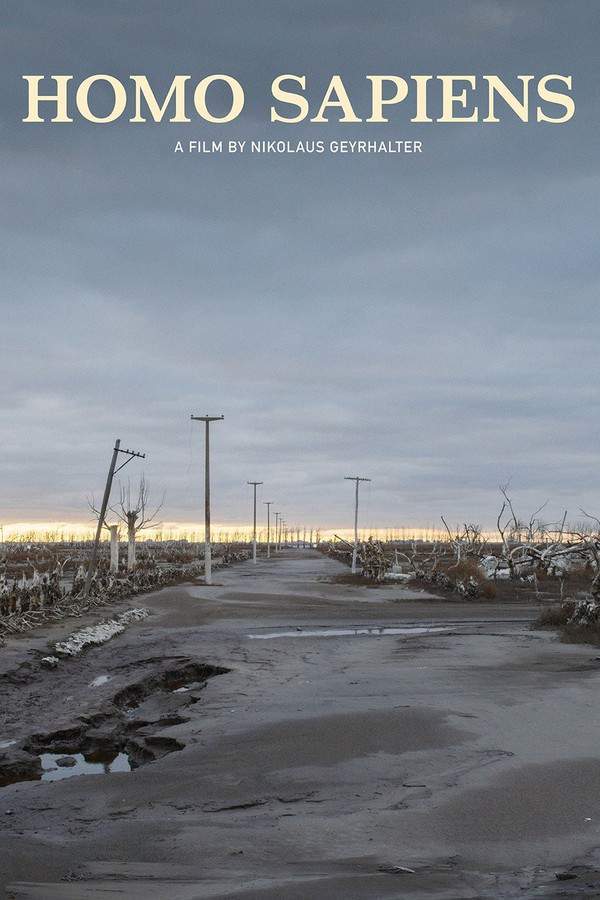
Homo Sapiens (2016) Plot Summary & Ending Explained
Samsara (2012) Full Movie Breakdown
Naqoyqatsi (2002) Ending Explained & Film Insights
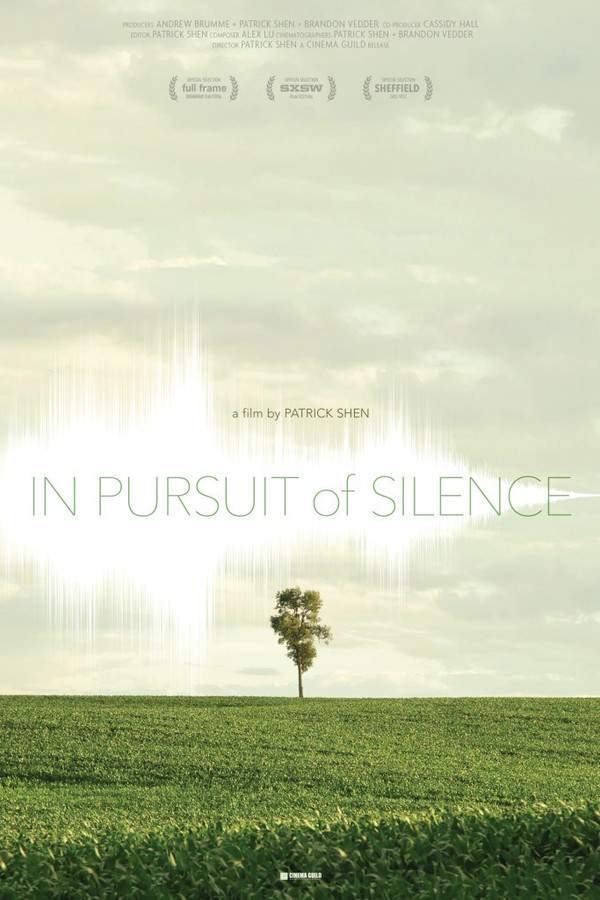
In Pursuit of Silence (2017) Movie Recap & Themes
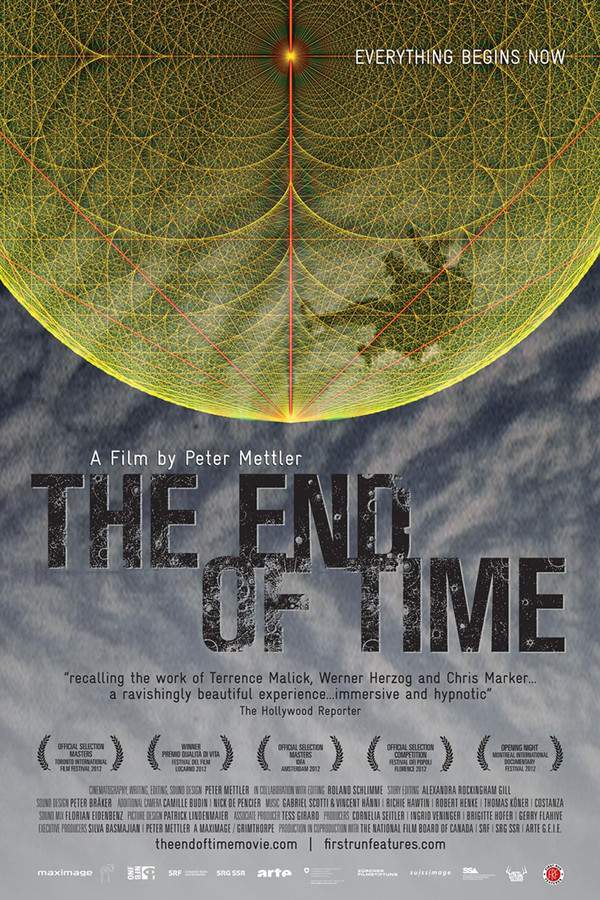
The End of Time (2013) Spoiler-Packed Plot Recap
Symphony of the Soil (2013) Full Movie Breakdown
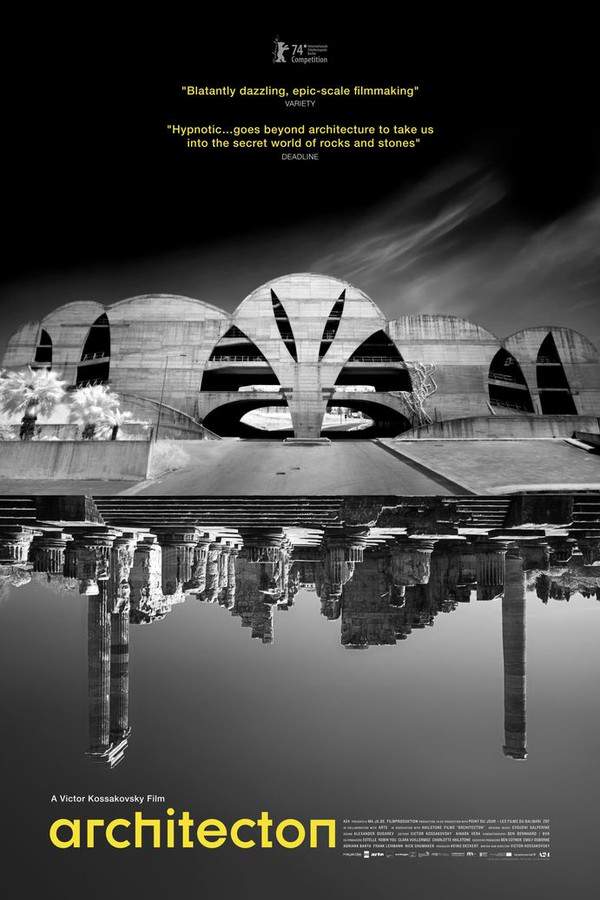
Architecton (2025) Story Summary & Characters
Illuminated Texts (1982) Story Summary & Characters
Sans Soleil (1983) Full Movie Breakdown
The Journey (1987) Ending Explained & Film Insights
Powaqqatsi (1988) Full Movie Breakdown
Universe (1960) Movie Recap & Themes