Plot Explained Spoilers guaranteed!
Plot Explained

Browse by genre

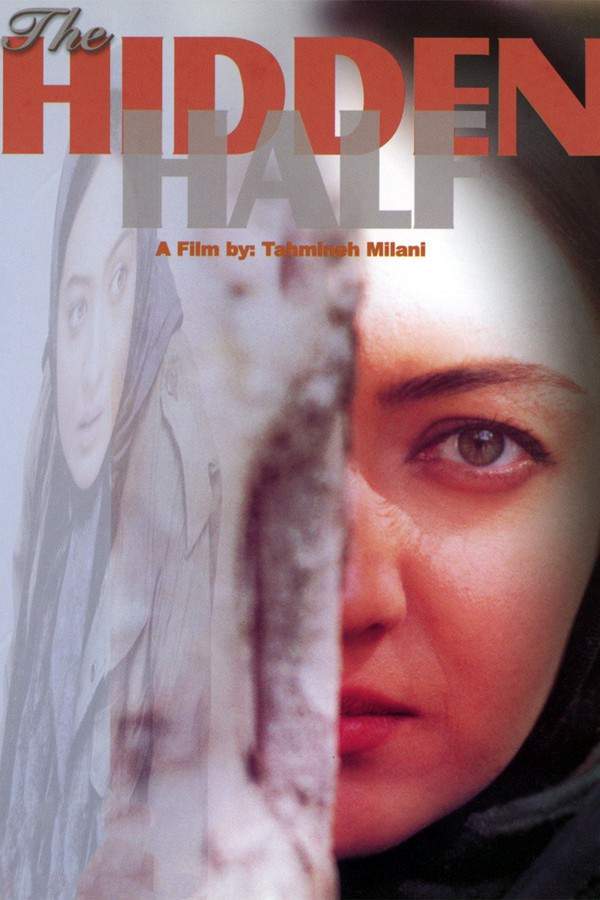
The Fifth Reaction (2003) movie poster

Characters & Themes

The Fifth Reaction (2003) Characters, Setting & Themes Explained

Release, runtime and language
2003 · 106 mins · Persian
Loading streaming availability…
Directed by
Tahmine Milani
Starring
Homayoun Ershadi, Shahab Hosseini, Merila Zare'i, Ahoo Kheradmand, Mohammadreza Sharifinia, Niki Karimi

After her husband’s accidental death, Fereshteh loses her home and sons when her father‑in‑law, Hadj Safdar, forces her back to parents’ house. He plans to send the grandchildren to a town, threatening visitation rights. With help from women friends, Fereshteh fights to keep the children from his reach, but in a patriarchal society refuge is hard to find.

On this page (8)
  1. 1 Where to watch
  2. 2 Characters explained (3)
  3. 3 Where & when it takes place
  4. 4 Themes & meaning (4)
  5. 5 Character & meaning questions
  6. 6 Movie threads
  7. 7 Movies like The Fifth Reaction
  8. 8 Every angle
Loading streaming availability…

3 main characters · contains spoilers

The Fifth Reaction Characters Explained: Who Is Who

The main characters of The Fifth Reaction (2003), heroes and villains: what drives them, how they change over the course of the story and what each of them reveals about the film's bigger ideas.

  • Fereshteh

    A widow navigating a patriarchal society, Fereshteh carries the burden of child custody and the loss of her husband. She becomes the driving force behind the circle of friends as she contemplates bold steps toward gender equality. Her determination to escape for a freer future reveals both resilience and vulnerability within a hostile system.

    • 👩 Protagonist
    • ⚖️ Agency
  • Majid (Shahab Hosseini)

    Fereshteh's father-in-law, an imposing figure who wields overwhelming control and uses social and legal leverage to constrain Fereshteh's life. His arrogance and insistence on his own terms symbolize brutal patriarchal power. He casts a constant shadow over Fereshteh's attempts at freedom.

    • 👑 Authority
    • ⚖️ Power
  • Fereshteh's Friends

    A circle of four other women who, in moments of camaraderie, discuss their personal problems and dream of feminist change. They provide emotional support and practical help, yet their activism remains cautious and symbolic rather than translating into concrete action. Their presence catalyzes Fereshteh's decision to flee, highlighting both solidarity and the constraints of their environment.

    • 👭 Friendship
    • 🗣️ Dialogue

Last updated: February 20, 2026 at 18:36

Was this helpful?

Setting

Where and When Does The Fifth Reaction Take Place?

The setting of The Fifth Reaction (2003): the year and time period, the places and locations, and how they shape the characters, the mood and the tension of the story.

Time period

Location

Iran, Bushehr, Dubai

The film unfolds across Iran, beginning in a luxury restaurant where Fereshteh and her friends share their troubles. It then follows Fereshteh to Bushehr, a southern port city where family power dynamics intensify. Dubai and a sea route become the symbolic path to freedom as Fereshteh attempts an escape by seaway. The coastal settings emphasize confinement and the longing for a freer life.

  • 🇮🇷 Iran
  • 🏙️ Urban life
  • 🚢 Sea travel

Last updated: February 20, 2026 at 18:36

Was this helpful?

4 major themes

The Fifth Reaction Meaning: Themes & Message Explained

What is The Fifth Reaction (2003) really about? The emotional, social and philosophical themes the film keeps returning to, its symbolism and the message beneath the surface.

  • Feminism

    A circle of women in the opening scenes frames the everyday injustices faced by Iranian women and the desire to transform those conditions. The story tracks talk of equality with a tension between aspiration and credible action. It highlights how solidarity can support a protagonist while also exposing limits of social change within patriarchy. The film uses intimate conversations to probe gender norms and collective agency.

  • Power

    Fereshteh's father-in-law wields legal and social authority, illustrating the pervasive control patriarchal structures exert over women's lives. The confrontation with his demand for custody exposes how institutions sustain male dominance. The friends' counter-moves show resistance but are tempered by real-world constraints. The looming shadow of his power frames Fereshteh's gamble for independence.

  • Oppression

    The story portrays gender-based control as a lock on personal autonomy, with Fereshteh fighting to unlock it. The harsh social expectations, legal hurdles, and family pressure create a claustrophobic environment. The jail scene at the end underscores the peril of defying entrenched authority. The film critiques the persistence of systemic barriers to women's freedom.

  • Escape

    Escaping abroad represents a desperate pursuit of liberty, with the seaway to Dubai serving as a perilous route. The plan exposes the risks ordinary people take when legal protections fail. The pursuit is marked by suspense and the possibility of capture, symbolizing the fragile line between freedom and punishment. The film uses this arc to question whether personal autonomy can overcome institutional power.

Last updated: February 20, 2026 at 18:36

Was this helpful?

Character & theme questions

The Fifth Reaction Characters & Meaning: Your Questions Answered

The questions people ask about The Fifth Reaction (2003): who the characters really are, their relationships, what the symbols mean, where it takes place and what the movie is really about. Each answer contains spoilers.

Q1

Where is the movie set?

The film takes place primarily in Iran, starting in a luxury restaurant where Fereshteh and her friends meet, then moving to Bushehr, a southern port city where family power dynamics intensify. Dubai appears as the symbolic destination of Fereshteh's escape attempt.

  • iran
  • bushehr
  • setting
  • dubai
  • location
Q2

Why is Bushehr important in the story?

Bushehr serves as the setting where Fereshteh's father-in-law's control intensifies. The coastal city becomes the focal point of the custody conflict, emphasizing the trapping nature of her environment and the social pressures she faces in a patriarchal Iranian society.

  • bushehr
  • port city
  • family power
  • custody conflict
Q3

What does Dubai represent in the movie?

Dubai symbolizes freedom and escape from patriarchal oppression. The planned sea route to Dubai represents Fereshteh's desperate pursuit of liberty, highlighting the risky measures women take when legal protections fail in their home country.

  • dubai
  • escape
  • freedom
  • sea route
  • liberty
Q4

What does the movie say about feminism?

The film frames feminism through a circle of women discussing everyday injustices in Iranian society. It explores the tension between aspirational talk of equality and the difficulty of taking credible action. The story highlights how female solidarity can support a protagonist while exposing the real limits of social change within a patriarchal system.

  • feminism
  • women
  • gender equality
  • solidarity
  • patriarchy
Q5

Who is Majid and what power does he hold?

Majid is Fereshteh's father-in-law, portrayed by Shahab Hosseini. He wields overwhelming legal and social authority, using patriarchal structures to control Fereshteh's life. His demand for custody of the grandchildren exemplifies how institutions sustain male dominance in Iranian society.

  • majid
  • father-in-law
  • patriarchy
  • authority
  • custody
Q6

Who is Fereshteh and what drives her?

Fereshteh is a widow navigating a patriarchal society who fights to keep her children from being taken away by her father-in-law. Her determination stems from the loss of her husband and her desire to protect her children while seeking a freer future. She represents both resilience and vulnerability in a hostile system.

  • fereshteh
  • widow
  • mother
  • protagonist
  • resilience
Q7

What role do Fereshteh's friends play?

FerFereshteh's friends form a circle of four women who provide emotional support and practical help throughout her struggle. They discuss personal problems and dream of feminist change, catalyzing Fereshteh's decision to flee. However, their activism remains cautious and symbolic, reflecting the constraints of their social environment.

  • friends
  • women
  • support
  • solidarity
  • circle
Q8

How does the movie depict oppression?

The film portrays gender-based control as a lock on personal autonomy. Harsh social expectations, legal hurdles, and family pressure create a claustrophobic environment for Fereshteh. The story critiques systemic barriers to women's freedom and depicts the peril of defying entrenched authority.

  • oppression
  • gender control
  • autonomy
  • systemic barriers
  • freedom
Q9

What does the escape storyline represent?

The escape to Dubai represents a desperate pursuit of liberty when legal protections fail. The perilous sea route exposes the extreme risks ordinary people take. The film uses this arc to question whether personal autonomy can overcome institutional power, blending suspense with commentary on refugee circumstances.

  • escape
  • dubai
  • freedom
  • risk
  • institutional power
Q10

What is the emotional tone of the film?

The movie maintains a tense, suspenseful tone driven by Fereshteh's struggle against oppressive patriarchal systems. The narrative carries heavy emotional weight, dealing with grief, systemic injustice, and the threat of losing parental rights. While female solidarity offers moments of hope, the overall feel is bleak and sad.

  • tone
  • tension
  • suspense
  • grief
  • emotional weight
Q11

What is the central conflict about?

The central conflict revolves around Fereshteh's fight against her father-in-law's custody demands. Her father-in-law uses legal and social leverage to take her children, forcing her to choose between submission to patriarchal authority or risking everything for freedom. The confrontation exposes how institutions sustain male dominance.

  • conflict
  • custody
  • power
  • patriarchy
  • resistance

Movie threads

More Movies Like The Fifth Reaction, by Mood & Story

Curated lists built around what makes The Fifth Reaction tick: the same mood, the same kind of story or the same emotional payoff. Each list explains why these movies belong together.

Movies about fighting patriarchy like The Fifth Reaction

Stories of resilient women fighting systemic injustice for their families. If you were gripped by The Fifth Reaction's portrayal of a mother's fight against an oppressive system, you'll find similar powerful stories here. This thread highlights movies about female resistance, custody battles, and the struggle for autonomy within patriarchal societies.

  • oppressive
  • resilient
  • tense
  • desperate
  • claustrophobic
  • grief
  • Tone: tense, oppressive, melancholic
  • Pacing: steady, escalating
Why these movies?

The story pattern: These narratives typically follow a protagonist whose personal life is controlled by an unjust system, often represented by a powerful male figure. The journey involves escalating confrontations, moments of solidarity, and a desperate struggle for agency, frequently culminating in a stark realization of the system's overwhelming power.

Why they belong together: These films are grouped by their shared focus on the intense, personal conflict between an individual woman and the patriarchal forces governing her world. They create a tense, claustrophobic mood and carry a heavy emotional weight centered on themes of loss and resistance.


Bleak social thrillers like The Fifth Reaction

Thrillers where the real horror is the inescapable social trap. For viewers who appreciated the tense, oppressive atmosphere of The Fifth Reaction, this collection features similar thrillers where characters are trapped by social injustice. These movies explore themes of resistance against overwhelming power, often with sobering conclusions.

  • tense
  • oppressive
  • bleak
  • claustrophobic
  • social injustice
  • desperate
  • Tone: tense, bleak, melancholic
  • Pacing: steady, relentless
Why these movies?

The story pattern: The narrative follows a linear, steady progression of a protagonist becoming increasingly trapped by an impersonal system. Initial resistance gives way to a series of escalating, high-stakes confrontations that ultimately lead to a grim conclusion, underscoring the powerlessness of the individual against societal forces.

Why they belong together: These films share a specific vibe: a high-tension, emotionally heavy viewing experience defined by an oppressive atmosphere and a focus on social injustice. They combine a steady, relentless pacing with a deeply melancholic tone, resulting in a powerfully bleak and resonant story.

If you liked this

Movies Like The Fifth Reaction

Similar movies to The Fifth Reaction: the same genre, themes or kind of story. Each one comes with its own plot summary, timeline and ending explained.

Browse all movie summaries

Every angle

The Fifth Reaction (2003) Explained: Plot, Timeline & Characters

Everything about The Fifth Reaction in one place: what happens in the plot summary, the timeline in chronological order, the characters and meaning and a spoiler-free summary. What's After the Movie adds the cast, box office and post-credit scenes.

Coming soon on iOS and Android

The Plot Explained Movie Summary App

Plot summaries, endings explained and timelines on your phone. Catch up on any movie in minutes, save your favorites and never miss a twist again.

Be the first to know when we launch. Your email stays private, always.

Learn more about the app