Plot Explained Spoilers guaranteed!
Plot Explained

Browse by genre

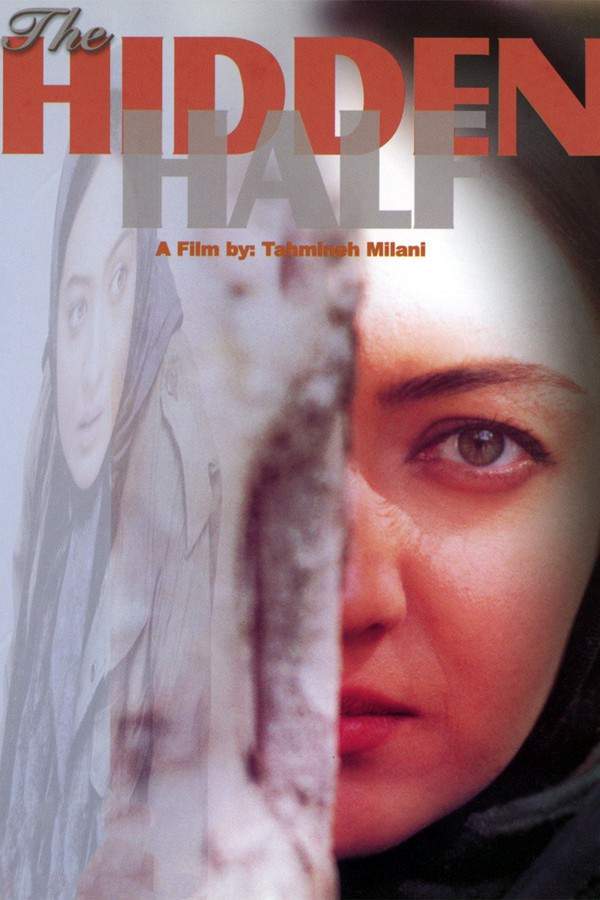
The Fifth Reaction (2003) movie poster

Plot Summary

The Fifth Reaction (2003) Plot Summary Explained

Release, runtime and language
2003 · 106 mins · Persian
Loading streaming availability…
Directed by
Tahmine Milani
Starring
Homayoun Ershadi, Shahab Hosseini, Merila Zare'i, Ahoo Kheradmand, Mohammadreza Sharifinia, Niki Karimi

After her husband’s accidental death, Fereshteh loses her home and sons when her father‑in‑law, Hadj Safdar, forces her back to parents’ house. He plans to send the grandchildren to a town, threatening visitation rights. With help from women friends, Fereshteh fights to keep the children from his reach, but in a patriarchal society refuge is hard to find.

On this page (6)
  1. 1 Where to watch
  2. 2 What happens: full plot
  3. 3 Plot questions answered
  4. 4 Movie threads
  5. 5 Movies like The Fifth Reaction
  6. 6 Every angle
Loading streaming availability…

Full plot summary · contains spoilers

What Happens in The Fifth Reaction: Full Plot Summary

The whole story of The Fifth Reaction (2003) explained, from the opening scene to the final frame: every key event, every twist and what it all adds up to. Read it as a quick recap before the sequel, to check a scene you missed, or to finally understand what really happened.

In the opening scene, Fereshteh sits with four friends and colleagues in a luxurious restaurant, sharing a quiet lunch that is intended to comfort her after the loss of her husband. The women, anchored in a shared sense of sisterhood, talk openly about the challenges women face in Iran’s patriarchal society and muse about forming feminist movements that could shift the balance of power. Yet their conversations stay mostly theoretical, never quite turning into action, as they navigate the pull between empathy and practicality within a rigid social order.

As the plot unfolds, Fereshteh’s world is upended when her father-in-law secures custody of her two sons, pulling her further into a struggle against male authority. The women around her—still united in concern—resolve to challenge the status quo in a way that goes beyond words. They frame their involvement as a game or contest, each participant trying to outmaneuver the limitations placed on Fereshteh, all while she weighs dangerous options to reclaim some measure of independence. Their dynamic is at once supportive and competitive, a portrayal of solidarity tempered by the pressures of a system that resists collective action.

The tension intensifies as the group’s efforts to assist Fereshteh in escaping abroad edge closer to a real confrontation with her husband’s family. The narrative follows a tense sequence of maneuvers as Fereshteh attempts a perilous route to freedom, aiming for Dubai via a seaway. The pursuit of liberty is portrayed as a high-stakes chase, with each move carrying significant risk and consequence. Ultimately, the father-in-law acts decisively, arresting Fereshteh in Bushehr just as her plan seems to be taking shape, marking a grim turn in the struggle for autonomy.

In the closing moments, the father-in-law’s presence looms large and overpowering, casting a shadow over Fereshteh’s fate. His patronizing, snobbish, and arrogant demeanor underscores a power that is difficult to challenge, and the scene in jail places Fereshteh under his control as he dictates the terms of her freedom. The portrayal of this character emphasizes his extreme dominance and the way that injustice can be normalized when one person wields disproportionate authority. Yet Fereshteh remains a figure of resilience—a lonely woman who dares to confront injustice—with the audience recognizing and admiring her courage in the face of overwhelming odds. The film thus crafts a pointed critique of patriarchal power while offering a nuanced portrait of female solidarity, personal grit, and the elusive possibility of emancipation within an unequal society.

Last updated: February 20, 2026 at 18:44

Was this helpful?

Plot questions answered

The Fifth Reaction Plot Explained: Your Questions Answered

The questions people ask most about The Fifth Reaction (2003): what happens in the confusing scenes, why the characters do what they do, the twists, hidden details and what the ending means. Each answer contains spoilers.

Q1

Why does Hadj Safdar take custody of Fereshteh's sons?

Hadj Safdar exercises his legal authority as the paternal grandfather to remove Fereshteh's two sons from her care. This action follows the accidental death of her husband, Safdar's son. Under Iran's patriarchal family laws, the grandfather has strong custodial rights over grandchildren, especially when the mother is considered unable to provide for them. Safdar intends to send the grandchildren to a town and threatens to restrict Fereshteh's visitation rights, effectively severing her connection to her own children.

  • custody
  • sons
  • father-in-law
  • legal rights
  • Iran
  • patriarchal laws
Q2

How do Fereshteh's friends help her fight her father-in-law?

Fereshteh's four friends, who are also her colleagues, commit to helping her resist Safdar's control. They frame their resistance as a strategic game or contest, with each woman attempting to find ways to outmaneuver the limitations placed on Fereshteh. Their primary plan involves coordinating an escape abroad, specifically to Dubai, using a seaway route. The friends weigh risks, coordinate logistics, and support her emotionally throughout the dangerous attempt to flee.

Foreshadowing: The opening lunch scene establishes their feminist discussions and solidarity, which later transforms into concrete action.

  • escape
  • Dubai
  • friends
  • plan
  • women
  • solidarity
  • game
  • resistance
Q3

Why is Fereshteh arrested in Bushehr?

Fereshteh is arrested in Bushehr during her escape attempt toward Dubai. Her father-in-law Hadj Safdar, using his considerable power and influence, manages to have her apprehended at the seaport just as her plan to flee the country is taking shape. The arrest represents a decisive reversal in her struggle, trapping her in a legal and physical space she had desperately tried to escape.

  • arrest
  • Bushehr
  • escape
  • caught
  • father-in-law
  • seaport
Q4

What happens to Fereshteh at the end of the film?

At the film's conclusion, Fereshteh finds herself imprisoned and under the complete control of her father-in-law. In the closing jail scene, Hadj Safdar stands above her in a patronizing and arrogant manner, dictating the terms of her freedom. The film ends with her fate sealed by his dominance, a clear negative outcome where the patriarchal system has prevailed over her attempts at resistance.

  • ending
  • jail
  • imprisonment
  • father-in-law
  • control
  • defeat
Q5

Why does Fereshteh's escape attempt fail?

The escape fails because Hadj Safdar's power and reach extend far beyond what Fereshteh anticipated. Despite her friends' careful planning, Safdar manages to track her movements and intercept her at the Bushehr seaport. His extensive influence within the patriarchal system allows him to mobilize authorities and ensure her capture before she can reach Dubai. The failure underscores how difficult it is to escape systemic oppression when one person wields disproportionate authority.

  • escape failure
  • Dubai
  • Bushehr
  • caught
  • power
  • system
Q6

How does the film critique Iran's patriarchal society?

The film directly critiques Iran's patriarchal society through Fereshteh's journey. She loses her husband, then her home, and finally her children simply because her father-in-law possesses legal authority to take them. The story shows how men like Hadj Safdar can weaponize cultural and legal norms to control women. Even Fereshteh's friends, educated women who discuss feminism, struggle to translate their theoretical discussions into effective action against such deeply rooted systemic oppression.

  • patriarchy
  • Iran
  • society
  • criticism
  • women
  • oppression
  • system
Q7

What does the "game" metaphor represent in the film?

The narrative frames Fereshteh's struggle as a game of strategy and counter-moves against patriarchal obstacles. This metaphor highlights the risky, high-stakes nature of her fight, where every action carries significant consequence. It also reflects how the women approach their resistance: as a series of calculated moves designed to gain advantage within a system rigged against them. The metaphor underscores both the intelligence required to resist and the dangerous reality of defying powerful men.

  • game
  • strategy
  • resistance
  • women
  • metaphor
  • risk
Q8

What does the film suggest about female solidarity?

The film presents a nuanced portrait of female solidarity. While Fereshteh's friends genuinely support her and transform their feminist talk into action, their collective effort ultimately fails to overcome patriarchal power. The contradiction between their hopeful early discussions about feminist movements and the bleak individual defeat at the end highlights how difficult collective action is within an oppressive system. Their solidarity is real but insufficient against Safdar's entrenched authority.

Foreshadowing: The opening lunch scene establishes their theoretical discussions about feminist movements that never materialize into lasting change.

  • female solidarity
  • friends
  • women
  • collective action
  • feminism
  • support
Q9

What motivates Fereshteh to resist her father-in-law?

Fereshteh's motivation stems from two intertwined forces: her love for her two sons and her desire for autonomy after losing her husband. When Safdar takes custody, she faces not only the loss of her children but also the loss of her independence. Her resistance represents a fight to maintain her identity and maternal rights in a society where a father's authority supersedes a mother's. Even knowing the dangers, she chooses confrontation over submission.

  • motivation
  • sons
  • resistance
  • autonomy
  • fight
  • mother
  • rights
Q10

What is the significance of the opening lunch scene?

The opening lunch scene establishes several key elements: Fereshteh's grief over her husband's death, her close friendship network of four women, and their shared feminist consciousness. The luxurious restaurant setting contrasts with the oppression she will soon face. Their conversations about women's issues in Iran and forming feminist movements set up the central tension between talking about resistance and actually taking action, a theme that drives the entire narrative.

  • opening scene
  • lunch
  • friends
  • feminist
  • setup
  • grief
Q11

Why does the film end on such a bleak note?

The film ends bleakly to emphasize its critique of patriarchal power structures. A triumphant ending would suggest that individual resistance can easily overcome systemic injustice, a message the filmmakers reject. By showing Fereshteh's defeat and continued imprisonment under her father-in-law's control, the film highlights how entrenched gender inequality remains. The sad ending forces viewers to confront the reality that oppressive systems often prevail, even against courageous individuals.

  • ending
  • bleak
  • sad
  • patriarchy
  • defeat
  • oppression
  • critique

Movie threads

More Movies Like The Fifth Reaction, by Mood & Story

Curated lists built around what makes The Fifth Reaction tick: the same mood, the same kind of story or the same emotional payoff. Each list explains why these movies belong together.

Movies about fighting patriarchy like The Fifth Reaction

Stories of resilient women fighting systemic injustice for their families. If you were gripped by The Fifth Reaction's portrayal of a mother's fight against an oppressive system, you'll find similar powerful stories here. This thread highlights movies about female resistance, custody battles, and the struggle for autonomy within patriarchal societies.

  • oppressive
  • resilient
  • tense
  • desperate
  • claustrophobic
  • grief
  • Tone: tense, oppressive, melancholic
  • Pacing: steady, escalating
Why these movies?

The story pattern: These narratives typically follow a protagonist whose personal life is controlled by an unjust system, often represented by a powerful male figure. The journey involves escalating confrontations, moments of solidarity, and a desperate struggle for agency, frequently culminating in a stark realization of the system's overwhelming power.

Why they belong together: These films are grouped by their shared focus on the intense, personal conflict between an individual woman and the patriarchal forces governing her world. They create a tense, claustrophobic mood and carry a heavy emotional weight centered on themes of loss and resistance.

Bleak social thrillers like The Fifth Reaction

Thrillers where the real horror is the inescapable social trap. For viewers who appreciated the tense, oppressive atmosphere of The Fifth Reaction, this collection features similar thrillers where characters are trapped by social injustice. These movies explore themes of resistance against overwhelming power, often with sobering conclusions.

  • tense
  • oppressive
  • bleak
  • claustrophobic
  • social injustice
  • desperate
  • Tone: tense, bleak, melancholic
  • Pacing: steady, relentless
Why these movies?

The story pattern: The narrative follows a linear, steady progression of a protagonist becoming increasingly trapped by an impersonal system. Initial resistance gives way to a series of escalating, high-stakes confrontations that ultimately lead to a grim conclusion, underscoring the powerlessness of the individual against societal forces.

Why they belong together: These films share a specific vibe: a high-tension, emotionally heavy viewing experience defined by an oppressive atmosphere and a focus on social injustice. They combine a steady, relentless pacing with a deeply melancholic tone, resulting in a powerfully bleak and resonant story.

If you liked this

Movies Like The Fifth Reaction

Similar movies to The Fifth Reaction: the same genre, themes or kind of story. Each one comes with its own plot summary, timeline and ending explained.

Browse all movie summaries

Every angle

The Fifth Reaction (2003) Explained: Plot, Timeline & Characters

Everything about The Fifth Reaction in one place: what happens in the plot summary, the timeline in chronological order, the characters and meaning and a spoiler-free summary. What's After the Movie adds the cast, box office and post-credit scenes.

Coming soon on iOS and Android

The Plot Explained Movie Summary App

Plot summaries, endings explained and timelines on your phone. Catch up on any movie in minutes, save your favorites and never miss a twist again.

Be the first to know when we launch. Your email stays private, always.

Learn more about the app