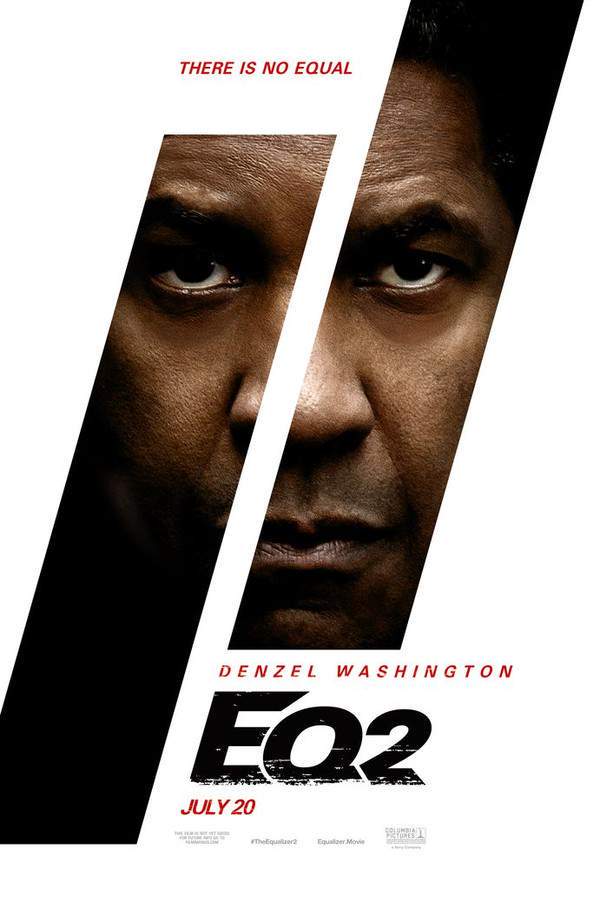
The ending of The Equalizer 2 reveals that Dave York, played expertly by Pedro Pascal, was actually the one who killed Susan Plummer. It turns out he was working as a mercenary and was aware that Susan was about to uncover the truth—that he was involved in a staged murder-suicide in Brussels. Feeling betrayed, Dave and Robert McCall’s former colleagues—Kovak, Ari, and Resnik—turned to a life of crime after being abandoned by the DIA. Their plan was to eliminate Susan and, ultimately, Robert himself, because they felt betrayed and left behind, just like they felt betrayed by their government after years of service.
As Robert uncovers their betrayal, he locates them in his hometown, using a severe storm as cover to take them out one by one with strategic precision. In a final confrontation, Robert faces Dave in a brutal, close-quarters fight. The climax is not only physical but symbolic: Robert, who once was their comrade, now takes revenge by killing them, but in doing so, he aims to purge the rage and bitterness he harbors. Instead of bloodlust for revenge, Robert employs his DIA techniques to slowly and deliberately knife Dave to death, turning the blade on his former friend and turning the violence inward to confront his own internal demons.
This act of killing Dave signifies a crucial turning point—Robert chooses forgiveness and redemption over revenge. As Dave grapples with his own bitterness and resentment, Robert’s decisive action embodies the complex nature of justice and reconciliation. The storm raging outside acts as a powerful metaphor for Robert’s internal turmoil; it exposes how violent chaos mirrors his emotional chaos, reflecting the idea that one can never truly escape the shadows of their past or the horrors of war. The storm externalizes Robert’s internal struggle, emphasizing that peace is fragile and often torn asunder by the very forces that once defined him.
In the film’s closing moments, Robert visits Miles, a young man whose mural of a community harvest symbolizes hope, growth, and the redeeming power of connection. This act suggests that Robert, despite his inner scars, finds inspiration in community and mentorship as a way to heal. However, the film also reveals that Robert’s past haunts him—he feels the weight of the men he couldn’t save and recognizes his limits. As the storm subsides, Robert embraces a new chapter, aiming for peace but understanding that his journey toward redemption will forever be complicated by the violence he has both experienced and committed.
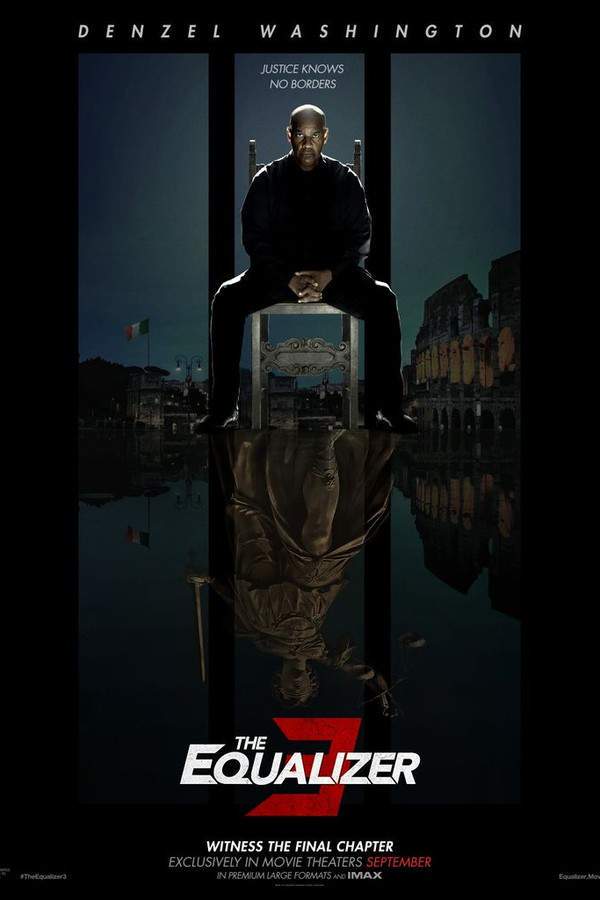
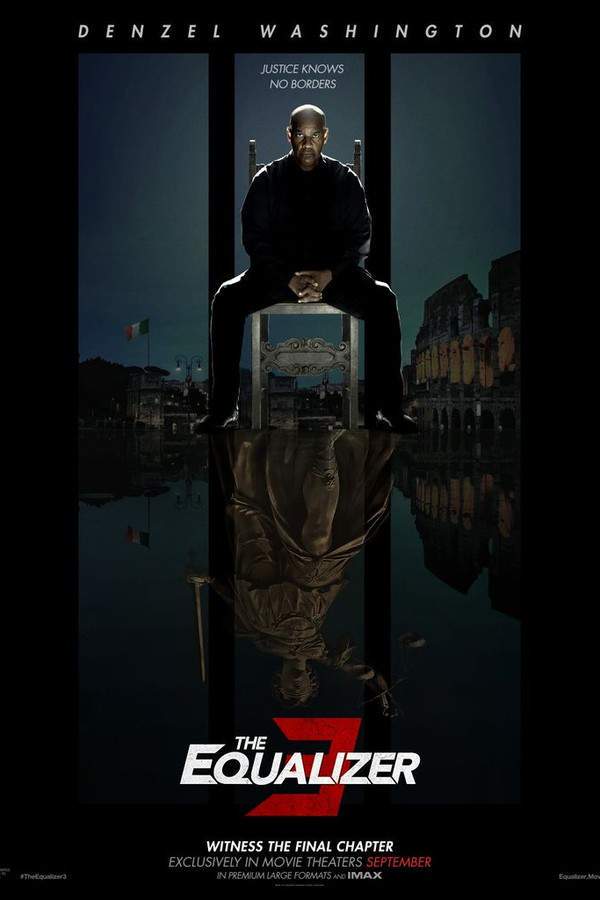
Ultimately, the film ends on a bittersweet note, emphasizing that Robert’s path is about choosing a better, more compassionate future, even if the scars of the past remain. His connection to Susan’s daughter, Emma Collins, introduced in The Equalizer 3, hints at continued redemption, linking his past actions to future hope and peace. The ending underscores a central theme: true redemption requires confronting one’s inner darkness and striving to nurture something more meaningful beyond revenge. The storm may rage, but in its aftermath, there is a fragile hope for renewal and understanding.