Plot Explained Spoilers guaranteed!
Plot Explained

Browse by genre

The Desperate Hours (1955) movie poster

Characters & Themes

The Desperate Hours (1955) Characters, Setting & Themes Explained

Release, runtime and language
1955 · 112 mins · English
Directed by
William Wyler
Starring
Humphrey Bogart, Gig Young, Simon Oakland, Whit Bissell, Fredric March, Ray Collins

A reign of violence sweeps the screen. Escaped convicts terrorize a suburban family they’re holding hostage.

On this page (8)
  1. 1 Characters explained (6)
  2. 2 Where & when it takes place
  3. 3 Themes & meaning (3)
  4. 4 Character & meaning questions
  5. 5 Movie threads
  6. 6 Movies like The Desperate Hours
  7. 7 Categories
  8. 8 Every angle

6 main characters · contains spoilers

The Desperate Hours Characters Explained: Who Is Who

The main characters of The Desperate Hours (1955), heroes and villains: what drives them, how they change over the course of the story and what each of them reveals about the film's bigger ideas.

  • Glenn Griffin (Humphrey Bogart)

    The ringleader of the escaped trio, Griffin exerts cold, calculated dominance over the family. He relies on intimidation and manipulation while awaiting a handoff that will fund their escape. His controlled exterior hides a volatile, ruthless streak.

    • 🗡️ Villain
    • 🧭 Leader
  • Daniel C. Hilliard (Fredric March)

    The family patriarch who weighs the risks of a violent raid against his loved ones’ safety. He uses prudence and quick thinking to avoid tipping the balance into bloodshed. His decisions steer the plot toward a tense, pivotal turning point.

    • 🧠 Patriarch
    • 🛡️ Strategist
  • Eleanor 'Ellie' Hilliard (Martha Scott)

    The family matriarch who endure the intrusion with quiet resolve. She keeps the family together and maintains a humane perspective amid fear. Her steady presence contrasts with the criminals’ volatility.

    • 💪 Resilient
    • 👪 Family
  • Hal Griffin (Dewey Martin)

    The younger brother of Glenn, Hal is terrified by the events and contemplates fleeing. His fear introduces a human, vulnerable angle to the conflict. He becomes a focal point of the tension as the escape unfolds.

    • 🫣 Fearful
    • 🏃‍♂️ Flight risk
  • Sam Kobish (Robert Middleton)

    One of the convicts who actively participates in the plan and escalates the threat. His actions heighten the danger for the family and catalyze the confrontation with law enforcement. Kobish embodies the more violent, impulsive side of the trio.

    • 🗯️ Aggressive
    • 🔫 Threat
  • George Patterson (Walter Baldwin)

    A garbage collector who stumbles upon the crime and becomes a catalyst for the pursuit. His unwitting involvement demonstrates how the crisis spills beyond the house. Patterson’s confrontation accelerates the police response.

    • 🧍 Everyday Hero
    • 🚗 Catalytic

Last updated: February 19, 2026 at 09:30

Was this helpful?

Setting

Where and When Does The Desperate Hours Take Place?

The setting of The Desperate Hours (1955): the year and time period, the places and locations, and how they shape the characters, the mood and the tension of the story.

Time period

1950s

The events occur in a contemporary 1950s American suburb, reflecting postwar prosperity and the era's sense of safety. The narrative uses the suburban domestic space to heighten tension between ordinary life and criminal threat. Police pressure and a looming deadline push the drama toward a violent confrontation.

Location

Indianapolis, Indiana

The action unfolds in a quiet suburban home in Indianapolis, turning a typical neighborhood into a stage for a tense hostage situation. The house stands as a symbol of ordinary domestic life under siege by three escaped convicts. Neighbors and authorities become involved as law enforcement launches a statewide manhunt to resolve the crisis.

  • 🏡 Suburban setting
  • 🗺️ Indianapolis

Last updated: February 19, 2026 at 09:30

Was this helpful?

3 major themes

The Desperate Hours Meaning: Themes & Message Explained

What is The Desperate Hours (1955) really about? The emotional, social and philosophical themes the film keeps returning to, its symbolism and the message beneath the surface.

  • Domestic Conflict

    A quiet home is seized and weaponized as the criminals hold the family hostage. The story centers on fear, coercion, and the moral choices families face under threat. The space that should offer safety becomes the battleground for control.

  • Pursuit

    A statewide manhunt drives the plot, turning pursuit into a relentless force that intrudes on everyday life. Law enforcement negotiates, strategizes, and closes in as the stakes rise. The chase tests patience, resolve, and the willingness to risk lives to stop the danger.

  • Power & Consequences

    The convicts exert power through intimidation and violence, revealing the heavy costs of domination. As authorities constrain the situation, the balance of power collapses and leads to a fatal confrontation. The ending underscores that violence begets more violence, ending in tragedy.

Last updated: February 19, 2026 at 09:30

Was this helpful?

Character & theme questions

The Desperate Hours Characters & Meaning: Your Questions Answered

The questions people ask about The Desperate Hours (1955): who the characters really are, their relationships, what the symbols mean, where it takes place and what the movie is really about. Each answer contains spoilers.

Q1

Where is the movie set?

The Desperate Hours takes place in a quiet suburban neighborhood in Indianapolis, Indiana. The Hilliard family home serves as the primary location, transforming an ordinary domestic space into a tense hostage situation. This suburban setting is deliberately chosen to contrast everyday 1950s American life with the criminal threat.

  • indianapolis
  • suburban setting
  • house
  • location
Q2

What time period is the film set in?

The film is set in the 1950s, specifically within a contemporary postwar American suburb. This era is significant because it portrays a time of apparent prosperity and safety, making the intrusion of violent criminals into a family home especially jarring and tragic.

  • 1950s
  • postwar era
  • time period
  • suburban america
Q3

What are the main themes of the film?

The film explores three interconnected themes: domestic conflict, as a safe home becomes a battleground; pursuit, as a statewide manhunt intensifies the stakes; and power and consequences, showing how violence begets more violence. These themes work together to create a story about the breakdown of safety and the tragic outcomes of criminal domination.

  • domestic conflict
  • pursuit
  • power
  • consequences
  • themes
Q4

Who is Glenn Griffin?

Glenn Griffin is the cold, calculated leader of three escaped convicts who take the Hilliard family hostage. Played by Humphrey Bogart, he manipulates and intimidates the family while awaiting a criminal handoff that will fund their escape. His controlled exterior masks a volatile, ruthless nature that drives the film's tension.

  • glenn griffin
  • humphrey bogart
  • convict leader
  • villain
Q5

Who is Daniel Hilliard?

Daniel C. Hilliard is the family patriarch who must make impossible choices to protect his loved ones from the armed convicts. He balances prudence with quick thinking, trying to prevent the situation from erupting into violence. His decisions ultimately steer the plot toward its tense climax.

  • daniel hilliard
  • fredric march
  • patriarch
  • father
  • family
Q6

Who is Eleanor Hilliard?

Eleanor 'Ellie' Hilliard is the family matriarch who endures the terrifying intrusion with quiet resolve. She serves as the emotional anchor for the family, maintaining humanity and perspective amid fear. Her steady presence provides a contrasting counterpoint to the criminals' volatility.

  • eleanor hilliard
  • martha scott
  • matriarch
  • mother
  • family
Q7

Who are the escaped convicts?

The trio of escaped convicts is led by Glenn Griffin, alongside his younger brother Hal Griffin and fellow convict Sam Kobish. Hal is terrified by the events and contemplates fleeing, while Kobish represents the more violent and impulsive side of the group. Their dynamic creates internal tension that complicates the hostage situation.

  • escaped convicts
  • hal griffin
  • sam kobish
  • gang
  • criminals
Q8

Why is the suburban setting important?

The suburban setting is central to the film's meaning because it represents ordinary American life and safety being violently disrupted. By placing this crime story in a typical 1950s neighborhood, the film emphasizes how quickly domestic tranquility can be shattered, making the threat feel more intimate and terrifying.

  • suburb
  • home
  • symbolism
  • safety
  • ordinary life
Q9

What does the film say about power and consequences?

The film illustrates that power exercised through intimidation and violence ultimately leads to self-destruction. As authorities close in, the balance of power collapses, resulting in fatal confrontations. The bittersweet ending shows that while the family survives and the main antagonist is killed, the journey involves significant tragedy, reinforcing that violence begets more violence.

  • power
  • consequences
  • violence
  • tragedy
  • ending
Q10

What role does law enforcement play?

Law enforcement drives much of the tension through a statewide manhunt that closes in on the convicts. Police negotiate, strategize, and pressure the criminals throughout the siege. Their escalating presence creates a deadline that pushes the situation toward its violent confrontation, testing the patience and resolve of everyone involved.

  • police
  • manhunt
  • law enforcement
  • pursuit
  • authorities
Q11

What is George Patterson's role in the story?

George Patterson is a garbage collector who accidentally stumbles upon the crime in progress. His unwitting involvement becomes a catalyst for the police pursuit, as his confrontation with the criminals accelerates the law enforcement response. His fate demonstrates how the crisis spills beyond the house and affects innocent bystanders.

  • george patterson
  • garbage collector
  • catalyst
  • witness
  • police

Movie threads

More Movies Like The Desperate Hours, by Mood & Story

Curated lists built around what makes The Desperate Hours tick: the same mood, the same kind of story or the same emotional payoff. Each list explains why these movies belong together.

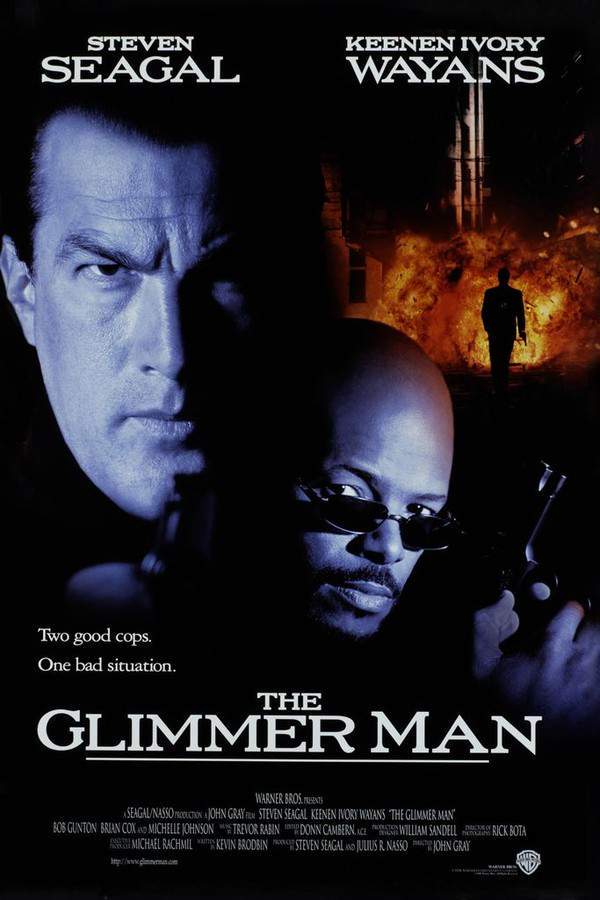
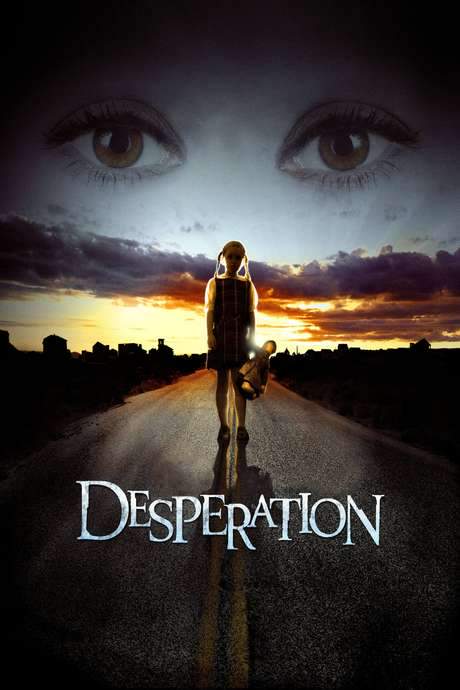
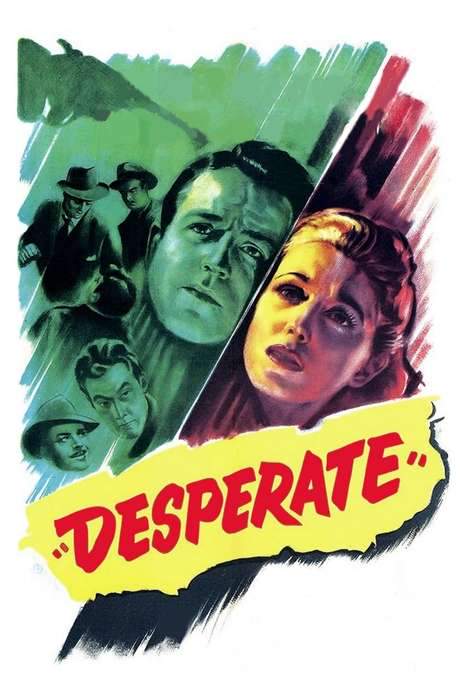
Home Invasion Siege Thrillers like The Desperate Hours

Movies where the safety of the home is violently breached by intruders. If you enjoyed the intense pressure of The Desperate Hours, explore more movies like it. These films share the gripping theme of a home invasion siege, pitting ordinary people against dangerous intruders in a desperate fight for survival.

  • claustrophobic
  • suspenseful
  • anxious
  • oppressive
  • desperate
  • tense
  • Tone: tense, bleak, desperate
  • Pacing: fast, relentless
Why these movies?

The story pattern: The narrative pattern typically begins with an inciting invasion that shatters domestic peace. The bulk of the story unfolds in real-time or compressed time, focusing on the tense standoff between captors and captives. The conflict escalates through threats, psychological games, and bursts of violence, building towards a climactic confrontation that determines the fate of the hostages.

Why they belong together: Movies in this thread are united by the core premise of a home under siege. They share a high-stakes, claustrophobic atmosphere, a fast-paced and relentless plot, and an intense focus on the psychological dynamics between the terrified inhabitants and their captors.
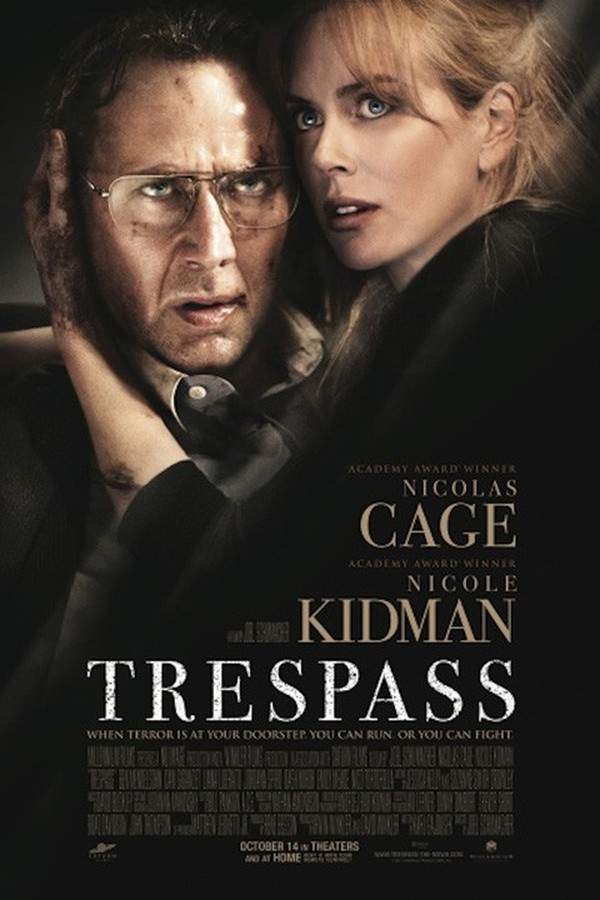
Gritty High-Tension Thrillers like The Desperate Hours

Stories that sustain a nerve-wracking level of suspense from start to finish. For viewers who appreciated the gritty suspense of The Desperate Hours, this section features similar movies with a high-tension atmosphere. Discover other thrillers that masterfully build a sense of imminent danger and desperate, character-driven conflict.

  • tense
  • gritty
  • suspenseful
  • anxious
  • desperate
  • nerve-wracking
  • Tone: tense, gritty, desperate
  • Pacing: fast, urgent
Why these movies?

The story pattern: These narratives often feature ordinary people thrust into extraordinary, dangerous circumstances. The plot is driven by a constant, immediate threat that creates a sustained state of anxiety. Character actions are fueled by desperation, and the storyline moves swiftly through a series of escalating crises, leading to a resolution that is often physically victorious but psychologically costly.

Why they belong together: These films are grouped together because they prioritize a consistently tense and gritty mood above all else. They share a fast pace, high emotional intensity, and a straightforward, propulsive narrative that keeps viewers on the edge of their seats, fully immersed in the characters' peril.

If you liked this

Movies Like The Desperate Hours

Similar movies to The Desperate Hours: the same genre, themes or kind of story. Each one comes with its own plot summary, timeline and ending explained.

Browse all movie summaries

Categories

Movie Lists Featuring The Desperate Hours

The Desperate Hours appears in these hand-built movie categories. Each one groups movies by a specific mood, theme or story type, with their plot summaries and endings explained.

View all movie categories

Every angle

The Desperate Hours (1955) Explained: Plot, Timeline & Characters

Everything about The Desperate Hours in one place: what happens in the plot summary, the timeline in chronological order, the characters and meaning and a spoiler-free summary. What's After the Movie adds the cast, box office and post-credit scenes.

Coming soon on iOS and Android

The Plot Explained Movie Summary App

Plot summaries, endings explained and timelines on your phone. Catch up on any movie in minutes, save your favorites and never miss a twist again.

Be the first to know when we launch. Your email stays private, always.

Learn more about the app