The Burning of the Imperial Palace

The Burning of the Imperial Palace

Year: 1983

Runtime: 88 mins

Language: Chinese

Director: Li Han-Hsiang

DramaHistory

A dramatized account of the Second Opium War’s climax in 1860, when Anglo‑French forces marched on Beijing and looted the imperial Yuan Ming Yuan, the Old Summer Palace. The film portrays the siege, the pillaging of priceless artworks, and the palace’s ultimate destruction, highlighting the cultural loss inflicted upon China.

Warning: spoilers below!

Haven’t seen The Burning of the Imperial Palace yet? This summary contains major spoilers. Bookmark the page, watch the movie, and come back for the full breakdown. If you're ready, scroll on and relive the story!

Timeline & Setting – The Burning of the Imperial Palace (1983)

Explore the full timeline and setting of The Burning of the Imperial Palace (1983). Follow every major event in chronological order and see how the environment shapes the story, characters, and dramatic tension.

Time period

1852-1860

The narrative unfolds in mid-19th century Qing Dynasty China, amid court intrigue and mounting foreign pressure. The era features clashes with Western powers during the lead-up to and during the Second Opium War, including the Battle of Palikao. The imperial court flees to a northern retreat as Beijing faces invasion, and the burning of the Yuanming Garden seals the memory of humiliation. The setting moves from intimate harem politics to large-scale international conflict.

Location

Yuanming Garden (Beijing), Tongzhou (Beijing), Jehol (Summer Resort)

The Yuanming Garden is the intimate setting where the Emperor and Yulan navigate romance and political dialogue. Tongzhou becomes a stage for peace talks as foreign powers press the court for concessions. Jehol serves as the Summer Resort retreat for the imperial family during the crisis, marking a shift from opulent palace life to wartime safety. The eventual destruction of Yuanming Garden afterward stands as a stark symbol of national humiliation.

🏯 Imperial Garden 🗺️ Qing Dynasty ⚔️ Western Powers

Last Updated: November 22, 2025 at 15:52

Main Characters – The Burning of the Imperial Palace (1983)

Meet the key characters of The Burning of the Imperial Palace (1983), with detailed profiles, motivations, and roles in the plot. Understand their emotional journeys and what they reveal about the film’s deeper themes.

Xianfeng Emperor

The ruler who falls for Yulan and promotes her within the harem, then relies on court politics to steer policy. He promotes negotiation with Western powers when advised by trusted consorts and officials. His decisions drive the court through peace talks, battles, and the eventual flight to Jehol. He embodies the tension between romantic influence and state duty in a time of crisis.

👑 Emperor 🏯 Ruler ⚔️ War and Crisis

Prince Gong (Yixin)

Appointed as a consultant during the crisis, he emerges as a key adviser to the Emperor and a voice for pragmatic diplomacy. He collaborates with Yulan to advocate peace with Western powers. His role highlights the reformist faction within the court and the push toward negotiation over military confrontation. He embodies the balance between court diplomacy and imperial ambition.

🗝️ Advisor 🏯 Court 🌐 Diplomacy

Empress Dowager Cixi

A powerful figure in the imperial court, she represents the inner circle of palace politics. The film places her within the larger power struggles of the Qing dynasty, navigating factions to influence outcomes. Her presence signals the dynamic behind-the-scenes control that shapes policy and succession. She is depicted as a significant force within the court's power structure.

👑 Matriarch 🏯 Court Politics 🗝️ Power

Li Fei

A noble consort in the harem who embodies the status and influence of the imperial inner circle. Her interactions reflect the delicate balance of favor and competition among the emperor’s women. She participates in the palace dynamics that influence decisions and allegiances. Her presence illustrates the gendered dimensions of political life in the court.

👸 Consort 🏯 Palace Life 🧭 Court Politics

Empress Dowager Ci'an

Another powerful matriarch of the Qing court, she operates within the palace power structure. The film situates her among the decision-makers who steer the empire through upheaval. Her role underscores the dual leadership dynamic characteristic of the era’s palace politics. She embodies the governance of the imperial family beyond the emperor’s direct rule.

👑 Matriarch 🏯 Court Politics 🗝️ Power

Sushun

A high-ranking Qing official aligned with the conservative faction defending traditional authority. He represents the faction resistant to rapid reform or concessions to foreign powers. His stance illustrates the internal divisions within the government during a period of external crisis. He embodies the old guard of the imperial administration.

🗺️ Official 🛡️ Conservatism 🏛️ Bureaucracy

Yulan

A 17-year-old girl selected for the Imperial Harem who rises from beauty to influence. She guides the Emperor toward diplomatic strategies, advocating peace with Western powers and recommending trusted aides like Prince Gong. Her ascent demonstrates how personal resilience and intelligence can alter political course. She is the central catalyst for many decisions in the story.

👑 Protagonist 💖 Romance and Politics 🏯 Harem

Last Updated: November 22, 2025 at 15:52

Major Themes – The Burning of the Imperial Palace (1983)

Explore the central themes of The Burning of the Imperial Palace (1983), from psychological, social, and emotional dimensions to philosophical messages. Understand what the film is really saying beneath the surface.

👑 Female Influence

The young Yulan wields personal charm and quick wit to sway imperial decisions, challenging a male-dominated court. Her involvement shows how individual agency can shape policy during crisis. The plot emphasizes the tension between intimate relationships and state governance, especially in moments of war and reform.

🌍 Colonial Pressure

Foreign powers press for concessions, forcing the Qing court to confront diplomacy under duress. Peace talks at Tongzhou embody the clash between imperial sovereignty and Western demands. The narrative highlights the impact of modern weaponry and foreign influence on a traditional empire, culminating in military setbacks and strategic recalibration.

🔥 Destruction and Memory

The burning of the Yuanming Garden becomes a potent symbol of national humiliation and the collapse of imperial prestige. The plot uses the ruin to reflect on memory, loss, and the consequences of war for cultural heritage. This theme frames the conflict as both a political and cultural catastrophe that reverberates through history.

Last Updated: November 22, 2025 at 15:52

Mobile App Preview

Coming soon on iOS and Android

The Plot Explained Mobile App

From blockbusters to hidden gems — dive into movie stories anytime, anywhere. Save your favorites, discover plots faster, and never miss a twist again.

Sign up to be the first to know when we launch. Your email stays private — always.

Explore Movie Threads

Discover curated groups of movies connected by mood, themes, and story style. Browse collections built around emotion, atmosphere, and narrative focus to easily find films that match what you feel like watching right now.

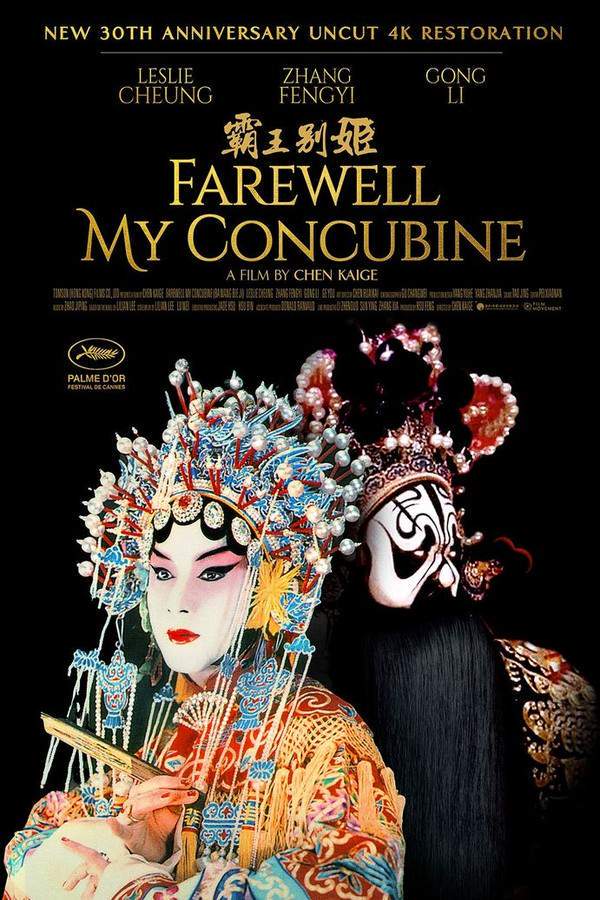
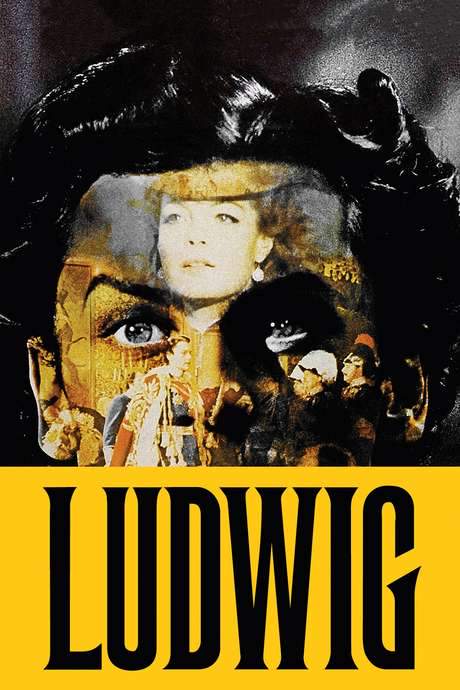
Epics of fallen empires like The Burning of the Imperial Palace

Sweeping stories of civilization's collapse and irreplaceable loss.If you were moved by the tragic downfall depicted in The Burning of the Imperial Palace, explore other historical epics that capture the collapse of civilizations. These movies, like this one, often focus on national trauma, the destruction of cultural treasures, and the heavy emotional weight of history's turning points.

somberhistoricaltragicdevastatingreflectiveoppressiveepic

Narrative Summary

Stories in this thread typically follow a tragic arc, moving from a state of established order or cultural peak towards inevitable collapse. They juxtapose political intrigue, personal loyalties, and romantic subplots against the unstoppable force of historical change, culminating in a devastating, often sad, conclusion that marks a profound cultural loss.

Why These Movies?

Movies are grouped here for their shared focus on monumental historical tragedies, a melancholic tone, and the heavy emotional impact of witnessing a civilization's decline. They offer a similar experience of reflective, somber storytelling set against a backdrop of war and irrevocable change.


Movies where love is overshadowed by tragedy like The Burning of the Imperial Palace

Personal love stories consumed by larger, unstoppable historical forces.If you appreciated the blend of a personal love story with historical catastrophe in The Burning of the Imperial Palace, you'll find similar themes here. These films feature romantic elements that are ultimately eclipsed by larger, tragic events, resulting in a bittersweet or sad emotional journey.

tragicmelancholicromantic tragedysomberpoignantdevastatinghistorical drama

Narrative Summary

The narrative pattern involves a romance that serves as a human counterpoint to a grand, often historical, conflict. The love story provides hope and intimacy, but the plot’s momentum is toward loss and destruction. The romance does not offer salvation; instead, it deepens the sense of personal tragedy within the public calamity.

Why These Movies?

These films share a specific emotional mix: a meaningful but ultimately secondary romance set against a backdrop of high-intensity tragedy. They are connected by their melancholic mood, steady pacing that builds toward despair, and the feeling that personal happiness is fragile in the face of overwhelming historical forces.

Unlock the Full Story of The Burning of the Imperial Palace

Don't stop at just watching — explore The Burning of the Imperial Palace in full detail. From the complete plot summary and scene-by-scene timeline to character breakdowns, thematic analysis, and a deep dive into the ending — every page helps you truly understand what The Burning of the Imperial Palace is all about. Plus, discover what's next after the movie.

The Burning of the Imperial Palace Summary

Read a complete plot summary of The Burning of the Imperial Palace, including all key story points, character arcs, and turning points. This in-depth recap is ideal for understanding the narrative structure or reviewing what happened in the movie.

The Burning of the Imperial Palace Summary

The Burning of the Imperial Palace Timeline

Track the full timeline of The Burning of the Imperial Palace with every major event arranged chronologically. Perfect for decoding non-linear storytelling, flashbacks, or parallel narratives with a clear scene-by-scene breakdown.

The Burning of the Imperial Palace Timeline

The Burning of the Imperial Palace Spoiler-Free Summary

Get a quick, spoiler-free overview of The Burning of the Imperial Palace that covers the main plot points and key details without revealing any major twists or spoilers. Perfect for those who want to know what to expect before diving in.

The Burning of the Imperial Palace Spoiler-Free Summary

More About The Burning of the Imperial Palace

Visit What's After the Movie to explore more about The Burning of the Imperial Palace: box office results, cast and crew info, production details, post-credit scenes, and external links — all in one place for movie fans and researchers.

More About The Burning of the Imperial Palace

Similar Movies to The Burning of the Imperial Palace

Discover movies like The Burning of the Imperial Palace that share similar genres, themes, and storytelling elements. Whether you’re drawn to the atmosphere, character arcs, or plot structure, these curated recommendations will help you explore more films you’ll love.