Plot Explained Spoilers guaranteed!
Plot Explained

Browse by genre

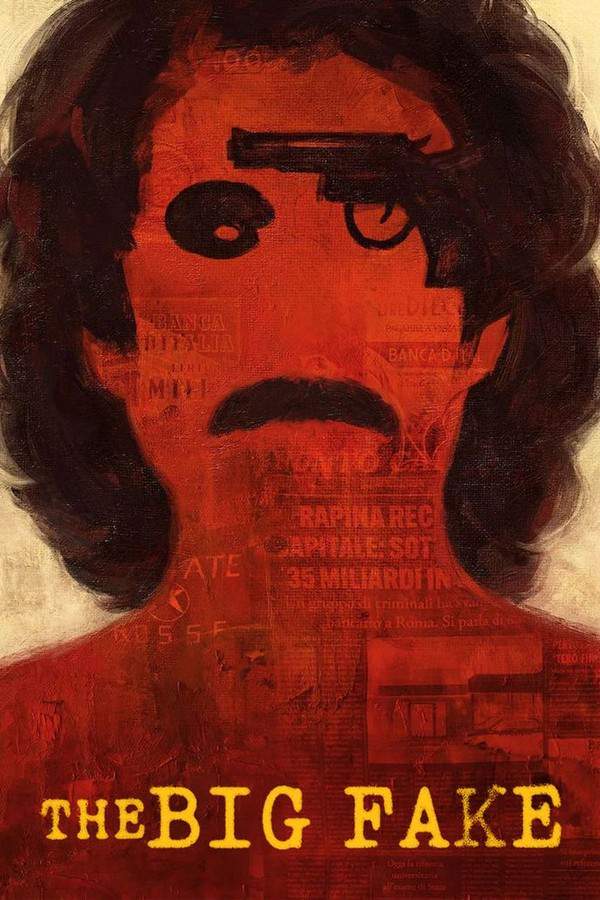
The Big Fake (2026) movie poster

Plot Summary

The Big Fake (2026) Plot Summary & Ending Explained

Release, runtime and language
2026 · 1 h 50 m · Italian
JustWatch #18,928 2
Directed by
Stefano Lodovichi
Starring
Andrea Arcangeli, Edoardo Pesce, Aurora Giovinazzo, Claudio Santamaria, Pietro Castellitto, Pierluigi Gigante

Set in 1970s Rome, aspiring artist Toni arrives in the Eternal City with dreams of greatness. His fierce appetite for life, destiny and a yearning to leave his mark drives him down a slippery path, turning his artistic talent into the craft of forging, ultimately making him the most renowned forger of his time.

On this page (6)
  1. 1 Where to watch
  2. 2 What happens: full plot
  3. 3 Plot questions answered
  4. 4 How it ends
  5. 5 Movie threads
  6. 6 Every angle

Where to watch

Where to Watch The Big Fake (2026)

Where can you watch The Big Fake? Stream, rent or buy it in the US, including on Netflix and Netflix Standard: current JustWatch availability with up-to-date prices.

Streaming availability powered by JustWatch

Full plot summary · contains spoilers

What Happens in The Big Fake: Full Plot Summary

The whole story of The Big Fake (2026) explained, from the opening scene to the final frame: every key event, every twist and what it all adds up to. Read it as a quick recap before the sequel, to check a scene you missed, or to finally understand what really happened.

In 1970s Rome, amid the Years of Lead, three brothers from Rieti move to the capital to chase very different dreams. Toni, an aspiring painter and artist, quickly makes a name for himself by sketching portraits for curious female tourists in the heart of the city. Don Vittorio, newly ordained as a priest in the Curia, brings a different sense of duty to the family, while Fabione, short for Fabione, leans toward the left with a fierce belief in radical change. The trio’s arrival sets off a chain of choices that pull them into Rome’s underworld of art forgery, organized crime, and political extremism.

Toni’s talent soon catches the attention of Donata, an art gallery owner who recognizes more than skill in his brushstrokes. After a chance meeting at a club, she becomes intrigued by his charisma and ambition. In his cramped, shabby studio, Toni creates a perfect copy of Gian Lorenzo Bernini’s self-portrait, a discovery that sparks Donata’s fascination. She convinces him to replicate Amedeo Modigliani’s Portrait of Paulette Jourdain and sell the piece, a deal that brings in eight million lire and deepens his dual life as forger and artist. The glamour of success comes with a darker cost, as Toni must balance the demands of a clandestine world with the mounting pressure of Donata’s growing interest and the ethical weight of his deception.

Balbo, the leader of a shadowy neo-fascist gang in Rome inspired by the Banda della Magliana, notices Toni’s gift for illusion and quickly sees a way to leverage it. He offers Toni a luxurious central studio and access to powerful connections in exchange for forged documents and other favors. One of the first tasks is to forge a passport for a man named Sansiro, a job that cements Toni’s uneasy alliance with the Banda. The arrangement deepens when Sansiro repays the favor, drawing Toni further into a web of crime and influence. At the same time, Toni’s star rises in other circles, including collaboration with Zù Pippo, a Sicilian mafioso who acts as a protector and go-between with Cosa Nostra. Zù Pippo admires Toni’s art and assigns him ambitious projects, such as recreating Jacques-Louis David’s Bonaparte Crossing the Great St. Bernard Pass, a gift that strengthens Toni’s bond with the criminal world even as he pursues his own artistic ambitions. Francesco La Mantia appears in the story in his role as Er Pilota, a figure tied into the broader network of power surrounding Toni.

Toni’s ascent is tempered by a new and looming threat: a mysterious figure known as the Tailor, a member of the secret service who asks Toni to forge a fake Red Brigades document—Communiqué No. 7—that would signal to anyone who looked that Aldo Moro had been found and could be held hostage. The demand is a stark reminder that the life Toni is chasing is not only illegal but deadly. The pressure intensifies as the Tailor implies catastrophic consequences for Toni’s loved ones should he refuse. The situation is complicated by Donata’s growing awareness of Toni’s double life and his dangerous entanglements, including the illicit affairs that threaten their fragile alliance. Even as Toni tries to shield those around him, the long reach of the Tailor’s threat becomes impossible to ignore.

As the crisis escalates, the political theater surrounding Aldo Moro’s kidnapping deepens Toni’s moral conflict. Don Vittorio, feeling outmatched by the powerful networks around him, uses Curia funds to help the community while Fabione goes into hiding, seeking a false passport to escape. The Red Brigades’ violent actions, including Moro’s murder, ripple through the lives of everyone involved. Donata leaves Toni, exhausted by the betrayals and the weight of his crimes. The balance of trust shifts again when Balbo is killed in a car accident after Tailor’s timing and influence become dangerously clear. The danger to Toni’s world grows as Tailor’s men close in, breaking into his home and injuring his hands to halt his forged work.

Amid the chaos, Toni attempts to reconcile with his brothers and strikes a fragile peace with the violence surrounding them. Don Vittorio’s efforts to do right by the vulnerable contrast with the thieves’ cunning, while Fabione remains a fugitive, trying to survive the police dragnet. Toni and Donata reunite briefly when she reveals she’s pregnant, hinting at a quieter future that might still be possible beyond the current rupture. The will Toni hides in an abandoned warehouse, and his plan to flee Rome with Donata becomes a last-ditch bid for safety against continued threats.

In a final, high-stakes twist, the Tailor demands Moro’s memoir as a bargaining chip. Toni refuses to reveal it until he is certain that he and Donata are secure. The Tailor’s hold tightens when Sansiro, the tailman he trusts, forces Toni to confront an impossible choice: produce a body for the Tailor to prove his loyalty or face certain death that very night. Toni’s desperation reaches a breaking point as he makes a decision that costs him dearly. He decides to sacrifice Don Vittorio by keeping his brother’s life in danger because of their shared resemblance, a devastating moment that seals their fates. The pair escape in a taxi, but their victory is hollow, leaving them to question whether the price they paid was worth the life they hoped to claim.

The narrative lingers on the consequences of ambition, loyalty, and the murky ethics of forgery in a city where art, crime, and politics collide. As Toni and Donata ride away from Rome, the question remains: can art ever be separated from the consequences of deception, especially when the echoes of Aldo Moro’s era and the shadowy Tailor’s demands continue to haunt every choice they make?

Note: Crocca, Balbo’s associate, is portrayed by Michael Schermi, and Er Pilota is portrayed by Francesco La Mantia, while Giornalista is portrayed by Carlo Tozzi. Michael Schermi Francesco La Mantia Carlo Tozzi
Last updated: June 12, 2026 at 08:45

Was this helpful?

Plot questions answered

The Big Fake Plot Explained: Your Questions Answered

The questions people ask most about The Big Fake (2026): what happens in the confusing scenes, why the characters do what they do, the twists, hidden details and what the ending means. Each answer contains spoilers.

Q1

Why does Toni start forging artwork instead of pursuing original paintings?

Toni's talent for precise reproduction is discovered by Donata when she sees his perfect copy of Bernini's self-portrait in his studio. She recognizes his gift and convinces him to replicate Modigliani's Portrait of Paulette Jourdain, which sells for eight million lire. The financial success and admiration he receives for his forgeries pull him away from original artwork toward the more profitable (though illegal) path of forgery.

Foreshadowing: Toni's early sketches of tourists already demonstrate his ability to capture likenesses perfectly, hinting at his future talent for duplication.

  • art forgery
  • Toni
  • Donata
  • Bernini
  • Modigliani
  • talent
Q2

Who is the Tailor and why does he demand Toni forge documents?

The Tailor is a member of Italy's secret service who approaches Toni with an ominous request: forge a fake Red Brigades document called Communiqué No. 7, which would falsely signal that Aldo Moro had been found and could be held hostage. The Tailor threatens catastrophic consequences for Toni's loved ones if he refuses, making clear that this is not a request but a command from powerful state forces.

Foreshadowing: The Tailor's involvement hints at deeper government complicity in the political kidnappings of the era.

  • Tailor
  • secret service
  • Red Brigades
  • Communiqué No. 7
  • Aldo Moro
  • threats
Q3

Why does Balbo die in a car accident?

Balbo dies after his car's brakes are tampered with, a killing orchestrated by the Tailor. The murder is tied to the Tailor's growing influence and his manipulation of the criminal networks surrounding Toni. As the Tailor's hold on Toni tightens, he eliminates key figures like Balbo who might interfere or reveal connections.

Foreshadowing: The Tailor's earlier threats about catastrophic consequences for those close to Toni foreshadow his willingness to eliminate anyone in his way.

  • Balbo
  • car accident
  • Tailor
  • murder
  • Banda della Magliana
Q4

Why does Toni sacrifice his brother Vittorio to the Tailor?

When the Tailor's trusted man Sansiro forces Toni to produce a body to prove his loyalty or face death, Toni makes a devastating choice. He keeps Vittorio in danger because they share a strong resemblance. The Tailor's men ultimately kill Vittorio when Toni fails to appear, effectively trading his brother's life for his own survival. Toni uses their physical similarity to try to escape, but the plan fails and Vittorio dies.

Foreshadowing: The brothers' shared appearance becomes a tragic liability rather than an advantage.

  • Vittorio
  • Toni
  • sacrifice
  • brothers
  • resemblance
  • death
  • Tailor
Q5

What happens to Fabione and why does he die?

Fabione joins the Red Brigades, believing in their radical ideology to change Italy. Toni provides him with an IBM typewriter, an object that connects Toni to the political violence even as he tries to stay removed from it. Fabione goes into hiding and is later killed during a police raid while in hiding. His death represents the brutal cost of political extremism and the collateral damage of the era's violence.

Foreshadowing: Toni's gift of the IBM typewriter directly links him to Fabione's underground activities.

  • Fabione
  • Red Brigades
  • police raid
  • death
  • typewriter
  • radicalism
Q6

Why does Donata leave Toni despite their relationship?

Donata discovers Toni's affair with Virginia, Zù Pippo's assistant, and learns about his dangerous dealings with the Tailor and the criminal underworld. The accumulating betrayals and the weight of his crimes become too much for her to bear. She leaves as the mounting pressure of his double life threatens not only their relationship but her own safety.

Foreshadowing: Toni's increasing neglect of Donata's commands while working for Pippo signals the growing rift between them.

  • Donata
  • Toni
  • affair
  • Virginia
  • leave
  • betrayal
  • relationship
Q7

How does Toni get involved with the Banda della Magliana?

Balbo, leader of a shadowy neo-fascist gang inspired by the Banda della Magliana, notices Toni's talent for illusion and sees an opportunity. He offers Toni a luxurious central studio and access to powerful connections in exchange for forged documents and favors. Toni's first job is forging a passport for Sansiro, cementing his uneasy alliance with the Banda and pulling him deeper into Rome's criminal networks.

Foreshadowing: Balbo's initial offer seems advantageous but masks the dangerous obligations that come with it.

  • Banda della Magliana
  • Balbo
  • forgery
  • passport
  • Sansiro
  • neo-fascist
Q8

What is the significance of the Aldo Moro kidnapping in the story?

Aldo Moro, a former Italian prime minister, is kidnapped by the Red Brigades in a major political turning point that ripples through all the characters' lives. The kidnapping creates the backdrop of terror and urgency that the Tailor exploits. Toni forges fake Communiqué No. 7 related to Moro's capture, and the political crisis intensifies the danger surrounding everyone. The event represents the era's extreme political violence that infiltrates every level of Roman society.

Foreshadowing: Rumors of Moro's kidnapping first surface during a mass led by Don Vittorio, connecting the personal and political spheres.

  • Aldo Moro
  • Red Brigades
  • kidnapping
  • political violence
  • 1970s
  • Italy
Q9

Why do the Tailor's men break Toni's hands?

The Tailor's men break into Toni's home and specifically injure his hands, rendering him unable to forge documents. This is a calculated move to eliminate Toni's ability to create forgeries, essentially neutralizing his value and power. The assault leaves Toni physically crippled and increasingly desperate as the danger around him intensifies.

Foreshadowing: The attack demonstrates the Tailor's ruthless determination to control Toni completely.

  • Toni
  • hands
  • broken
  • Tailor
  • injury
  • forgery
  • attack
Q10

What is the Moro memoir and why does the Tailor want it?

The Moro memoir is Aldo Moro's written account that Toni possesses. In the final confrontation, the Tailor demands the memoir as a bargaining chip for Toni's safety. Toni refuses to reveal it until he is certain that he and Donata are secure, making the memoir a crucial piece of leverage in the deadly game between them.

Foreshadowing: The memoir represents the ultimate secret that could expose the government's darkest dealings.

  • Moro memoir
  • Tailor
  • document
  • leverage
  • bargaining
  • Aldo Moro
Q11

What is Virginia's role in the story and why does her affair matter?

Virginia is Zù Pippo's assistant with whom Toni begins an extramarital affair. This relationship represents one of Toni's major betrayals of Donata and further complicates his already dangerous entanglements. The affair also demonstrates how Toni's ambition and desires pull him further away from his original life, prioritizing criminal connections over personal relationships.

Foreshadowing: Virginia's connection to Zù Pippo makes the affair particularly risky for Toni.

  • Virginia
  • affair
  • Zù Pippo
  • Toni
  • Donata
  • betrayal
Q12

Who is Zù Pippo and what role does he play in Toni's downfall?

Zù Pippo is a Sicilian mafioso who acts as a protector and go-between with Cosa Nostra. Balbo introduces Toni to him, and Pippo immediately admires Toni's art, assigning him ambitious projects like recreating Jacques-Louis David's Bonaparte Crossing the Great St. Bernard Pass. Pippo becomes one of Toni's key criminal patrons, helping him with the final bank vault robbery that enables his escape, but also deepening his entanglement with organized crime.

Foreshadowing: Pippo's admiration for art masks the ruthless criminal nature of his protection.

  • Zù Pippo
  • mafia
  • Cosa Nostra
  • Sicily
  • crime
  • art
  • protection
Q13

Does Toni and Donata's baby change anything in the end?

Donata reveals she is pregnant with Toni's child during their reunion, adding a deeply personal stake to his desperate choices. The pregnancy represents hope for a different future beyond the crime and violence. However, their escape in a taxi from Rome remains bittersweet, they survive, but only after Toni sacrificed his brother Vittorio, leaving them to question whether the price was worth the life they hoped to claim.

Foreshadowing: The pregnancy offers a glimmer of redemption that the ending deliberately leaves ambiguous.

  • Donata
  • pregnancy
  • baby
  • escape
  • Toni
  • taxi
  • Rome
  • bittersweet

Ending explained

What Happens at the End of The Big Fake?

How The Big Fake (2026) ends, in short: the final scene, the last twist and what it means for the characters. The full ending explained, with every spoiler, lives on its own page.

Read the full ending explained

In the last act Toni Chichiarelli finally sees the web of betrayal closing around him. After the Red Brigade’s kidnapping of Aldo Moro, the secretive Tailor—an arm of the State—uses Toni’s talent for forging documents to pin the crime on his former comrades. When Toni learns that his friend Fabione has been killed for possessing Moro’s memoir, he hides the papers in his partner Vittorio’s safe and plans one last robbery that will fund his escape with Donata, who is now pregnant with his child.

The Tailor, however, turns to Vittorio, threatening to expose the illegal money Vittorio has amassed unless he hands over the memoir. Caving to the pressure, Vittorio betrays Toni and gives the documents to the Tailor. In retaliation, the Tailor dispatches his assassin, Sansiro, to collect a body for him. Toni watches the safe empty, realizes that Vittorio has led the Tailor straight to the hidden memoir, and is faced with a brutal choice: save his last friend or secure his own freedom.

Continue reading the ending (1 more paragraphs)

Choosing self‑preservation, Toni lures Vittorio into a trap. He leaves a note for him and the keys to a car—only to have Sansiro waiting inside, ready to finish the job. As the bullets pierce Vittorio, Toni rushes to the waiting taxi where Donata waits, her silence hinting that she understands his sacrifice. The film ends with Toni and Donata driving away from Rome, leaving behind the wreckage of their criminal world, while the real‑life Antonio Chichiarelli met a similarly violent fate. The closing scene underscores that Toni’s talent for forgery could not forge a clean exit; his last act was not redemption but a cold bargain that cost his friend his life.

The Big Fake ending explained in full

Movie threads

More Movies Like The Big Fake, by Mood & Story

Curated lists built around what makes The Big Fake tick: the same mood, the same kind of story or the same emotional payoff. Each list explains why these movies belong together.

Movies about artistic corruption and moral decay like The Big Fake

Talented creators who sacrifice their integrity for recognition and legacy. Discover films similar to The Big Fake that explore themes of artistic ambition, forgery, and moral compromise. If you liked the story of an artist's descent into Rome's criminal underworld, you'll find these movies about talent corrupted by ambition compelling.

  • corrupt
  • ambitious
  • tense
  • melancholic
  • fatalistic
  • atmospheric
  • Tone: dark, cynical, fatalistic
  • Pacing: steady, deliberate
Why these movies?

The story pattern: These narratives typically follow a protagonist with exceptional artistic talent who initially seeks genuine recognition. Faced with obstacles, envy, or a desire for quick success, they turn their skills toward deception—forgery, fraud, or other criminal enterprises. The story charts their moral decline, the increasing stakes of their actions, and the ultimate cost of their compromised integrity, often culminating in a bittersweet or tragic resolution.

Why they belong together: They are grouped by their central theme of artistic talent being perverted for personal gain, a shared dark tone, and a focus on the psychological and moral unraveling of the protagonist. The viewing experience is heavy, tense, and intellectually engaging, centered on the tragedy of wasted potential.

Gritty 1970s crime thrillers like The Big Fake

Tense stories of ordinary people caught in the crossfire of political violence and organized crime. Find movies like The Big Fake that capture the tense, corrupt atmosphere of 1970s Europe. If you enjoyed the blend of organized crime, political terrorism, and moral decay in 1970s Italy, you will appreciate these similar gritty historical crime dramas.

  • gritty
  • tense
  • corrupt
  • atmospheric
  • anxious
  • fatalistic
  • Tone: dark, tense, cynical
  • Pacing: steady, plot-driven
Why these movies?

The story pattern: The narrative pattern involves a protagonist—often an outsider or an aspiring professional—who arrives in a city seething with political and criminal unrest. They are seduced by the promise of power or success, only to find themselves manipulated by shadowy factions, from far-left terrorists to far-right gangs and corrupt state officials. The plot is a complex web of betrayals and escalating violence, leading to a conclusion where survival often comes at a great personal cost.

Why they belong together: These films are united by their specific historical setting, high-stakes atmosphere, and a complex plot intertwining personal ambition with large-scale political corruption. They share a dark, tense tone, a steady, consequential pacing, and a heavy emotional weight derived from themes of betrayal and fatalism.

Every angle

The Big Fake (2026) Explained: Plot, Ending, Timeline & Characters

Everything about The Big Fake in one place: what happens in the plot summary, the timeline in chronological order, the characters and meaning, the ending explained and a spoiler-free summary. What's After the Movie adds the cast, box office and post-credit scenes.

Coming soon on iOS and Android

The Plot Explained Movie Summary App

Plot summaries, endings explained and timelines on your phone. Catch up on any movie in minutes, save your favorites and never miss a twist again.

Be the first to know when we launch. Your email stays private, always.

Learn more about the app