Plot Explained Spoilers guaranteed!
Plot Explained

Browse by genre

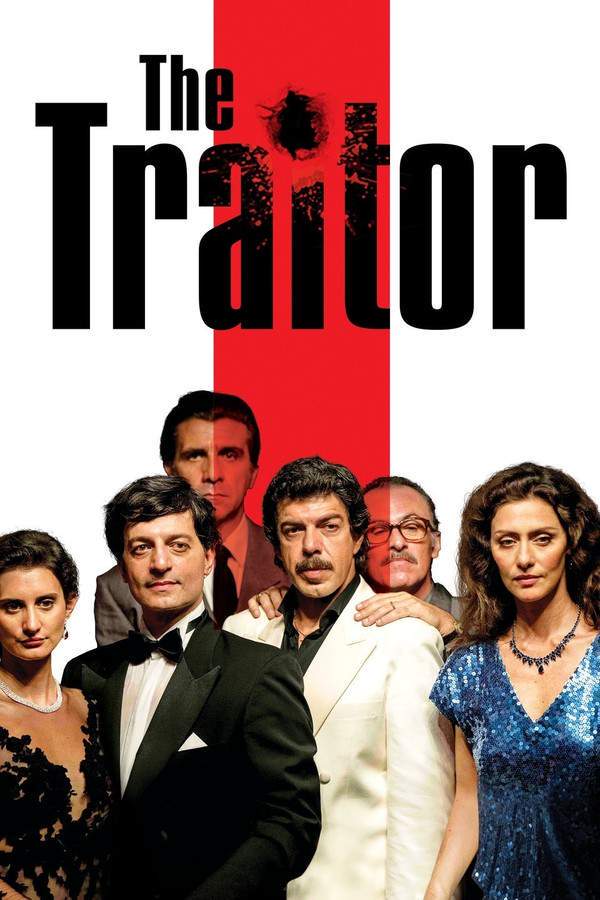
The Traitor (2019) movie poster

Plot Summary

The Traitor (2019) Plot Summary Explained

Release, runtime and language
2019 · 151 mins · Italian
Echo score 72
Directed by
Marco Bellocchio
Starring
Cinzia Susino, Fabrizio Ferracane, Pierfrancesco Favino, Alessio Praticò, Bebo Storti, Bruno Cariello

In 1980s Palermo, Sicily, Mafia member Tommaso Buscetta attempts to escape the escalating war between rival clans by relocating to Brazil with his family. After facing hardship and tragedy, he is compelled to return to Italy, where he makes a pivotal decision to cooperate with authorities. His actions will dramatically alter his own life and the future of the Cosa Nostra criminal organization.

On this page (5)
  1. 1 What happens: full plot
  2. 2 Plot questions answered
  3. 3 Movie threads
  4. 4 Movies like The Traitor
  5. 5 Every angle

Full plot summary · contains spoilers

What Happens in The Traitor: Full Plot Summary

The whole story of The Traitor (2019) explained, from the opening scene to the final frame: every key event, every twist and what it all adds up to. Read it as a quick recap before the sequel, to check a scene you missed, or to finally understand what really happened.

In the 1980s, during a time when the mafia clans held significant power in Italy, particularly the Cosa Nostra in Palermo, led by Totò Riina, a fierce struggle for control of the drug market began. Despite the surface display of camaraderie and cooperation between rival factions, tensions were mounting. Enter Tommaso Buscetta, portrayed by Pierfrancesco Favino, a noted figure of the Cosa Nostra who was dubbed the "boss of two worlds." Foreseeing the impending conflict among families, Buscetta made a strategic decision to relocate to Brazil, adopting the alias Roberto Felici to continue his business without the threat of violence.

As predicted, chaos ensued following his departure, claiming the lives of several family members, including his two sons and brother. Eventually, however, Buscetta was captured and tortured by Brazilian authorities. Confronted with the certainty of death upon his extradition back to Italy, he received an unexpected offer from Judge Giovanni Falcone, played by Fausto Russo Alesi. Falcone proposed that in exchange for his cooperation with the police and judicial system, Buscetta would receive state protection.

In a transformative moment, Buscetta, who had grown disillusioned with the brutal and ruthless conduct of the Cosa Nostra, decided to take Falcone's offer. His choice was as much a quest for revenge against the violence inflicted on him and his family as it was about justice. By becoming the first justice collaborator in Italian history, he paved the way for the Maxi-Trial in 1986. This monumental legal proceeding amassed 475 defendants in the bunker court of Palermo. Through Buscetta's testimony, along with that of Totuccio Contorno, played by Luigi Lo Cascio, multiple mafia members faced significant legal repercussions for the first time, thrusting organized crime into the harsh scrutiny of public opinion.

However, organized crime was not willing to sit quietly; in 1992, they retaliated against Judge Falcone, resulting in the infamous "Capaci massacre." This devastating attack took the lives of Falcone, his wife Francesca Morvillo, and three of his escort agents. Protectively relocated in the United States, Buscetta ultimately made the choice to return to Italy to uphold his agreement with Falcone. His testimony in what became known as the "trial of the century" implicated Giulio Andreotti, a prominent figure in Italian politics and a key player in the Christian Democrats during the last half of the 20th century, along with a multitude of other politicians. Through his revelations, the entrenched connections between the state and the Mafia were dramatically exposed.

Last updated: September 18, 2026 at 08:59

Was this helpful?

Plot questions answered

The Traitor Plot Explained: Your Questions Answered

The questions people ask most about The Traitor (2019): what happens in the confusing scenes, why the characters do what they do, the twists, hidden details and what the ending means. Each answer contains spoilers.

Q1

Why did Tommaso Buscetta decide to flee to Brazil?

Buscetta moved to Brazil because he foresaw the brewing war between rival Cosa Nostra clans over control of the drug trade. Sensing that the surface-level peace between factions like the Corleonesi was about to collapse into violence, he relocated his family under the alias Roberto Felici to continue his business away from the impending conflict.

  • buscetta
  • brazil
  • cosa nostra
  • mafia war
  • drug trade
  • exile
Q2

Why were Buscetta's sons and brother killed after he left Italy?

The murders were a direct consequence of the Cosa Nostra war that Buscetta had predicted. After his departure, violent clashes erupted between the rival factions, and Buscetta's remaining relatives in Sicily became casualties of the escalating feud, turning his strategic escape into a personal tragedy.

  • buscetta family
  • mafia violence
  • cosa nostra war
  • sons killed
  • brother
Q3

Why did Buscetta agree to collaborate with the authorities?

Buscetta accepted Judge Falcone's offer for three converging reasons. Facing torture in Brazil and certain death upon extradition to Italy, he saw cooperation as a path to survival. He was also driven by revenge against the Cosa Nostra members responsible for his family's deaths, and he had grown deeply disillusioned with the brutality and ruthlessness of the organization he once served.

  • buscetta
  • justice collaborator
  • falcone
  • revenge
  • disillusionment
  • extradition
Q4

How did Buscetta become the first justice collaborator in Italian history?

Buscetta earned that distinction by being the first high-ranking Cosa Nostra member to formally break the code of omertà and testify against other mafia figures. His deal with Judge Falcone, brokered while he faced extradition from Brazil, established a legal and procedural precedent that allowed other mafiosi, such as Totuccio Contorno, to later follow his lead.

  • justice collaborator
  • omertà
  • falcone
  • contorno
  • italian legal history
Q5

What was the Maxi-Trial and why was it so important?

The Maxi-Trial of 1986 in Palermo was a landmark legal proceeding built largely on Buscetta's testimonies. With 475 defendants tried inside a fortified bunker court, it was the first time the Italian judiciary managed to prosecute large numbers of Cosa Nostra members simultaneously, forcing organized crime into the harsh light of public opinion and producing mass convictions.

  • maxi-trial
  • 1986
  • palermo
  • buscetta testimony
  • mafia trial
  • 475 defendants
Q6

Why was Judge Giovanni Falcone assassinated in 1992?

Falcone was killed in the Capaci bombing because he had become the most dangerous adversary of the Cosa Nostra. His success in prosecuting the Maxi-Trial, along with Buscetta's ongoing collaboration, made him an existential threat to the organization. The mafia retaliated by detonating explosives under the highway near Capaci as his motorcade passed, killing Falcone, his wife Francesca Morvillo, and three escort agents.

  • falcone assassination
  • capaci massacre
  • 1992
  • cosa nostra retaliation
  • francesca morvillo
Q7

Why did Buscetta return to Italy after Falcone's assassination?

Even though Falcone had been killed and Buscetta was under state protection in the United States, he honored the original pact he had made with the judge. His return was a deliberate act of loyalty and defiance, allowing him to testify in what became known as the trial of the century and to continue the work Falcone had begun.

  • buscetta return
  • falcone pact
  • trial of the century
  • witness protection
Q8

What did Buscetta reveal about Giulio Andreotti and Italian politicians?

Buscetta's testimony exposed the long-standing, secret relationships between Cosa Nostra leaders and senior figures of the Christian Democrats, including former Prime Minister Giulio Andreotti. His revelations documented how parts of the Italian state had coexisted with, and at times protected, the mafia, dragging the political establishment into the same courtroom scrutiny as organized crime.

  • andreotti
  • christian democrats
  • state-mafia connection
  • italian politics
  • buscetta testimony
Q9

Why was Tommaso Buscetta called the boss of two worlds?

The nickname reflected Buscetta's unique position as a senior Cosa Nostra figure whose criminal network spanned both Italy and South America. His ability to operate drug trafficking routes across the Atlantic made him a crucial broker between the Sicilian clans and the South American markets, giving him influence in two continents simultaneously.

  • boss of two worlds
  • buscetta nickname
  • drug trafficking
  • south america
  • sicily
Q10

How did Buscetta's cooperation expose the ties between the Mafia and the Italian state?

By testifying in open court about the internal workings of Cosa Nostra, Buscetta provided prosecutors with insider knowledge of negotiations, agreements, and understandings between mafia bosses and politicians. His detailed accounts turned whispered suspicions into documented evidence, demonstrating that the organization had been tolerated, and at times protected, by elements of the state itself.

  • state-mafia collusion
  • italian government
  • cosa nostra
  • political corruption
  • testimony
Q11

Why did Buscetta adopt the alias Roberto Felici in Brazil?

Buscetta used a false identity to distance himself from his past as a Cosa Nostra member and to protect his family from retaliation while he rebuilt a quieter life abroad. The alias allowed him to operate businesses in Brazil without drawing the attention of either rival Italian factions or local law enforcement.

  • roberto felici
  • alias
  • buscetta
  • brazil
  • identity
Q12

What role did Totuccio Contorno play alongside Buscetta?

Totuccio Contorno was another disillusioned Cosa Nostra member who chose to collaborate with the judiciary after Buscetta. His testimony reinforced and expanded the picture Buscetta had already painted, providing additional insider accounts that strengthened the prosecution's case during the Maxi-Trial and subsequent proceedings.

  • totuccio contorno
  • collaborator
  • maxi-trial
  • testimony
  • cosa nostra

Movie threads

More Movies Like The Traitor, by Mood & Story

Curated lists built around what makes The Traitor tick: the same mood, the same kind of story or the same emotional payoff. Each list explains why these movies belong together.

Movies like The Traitor: The informant's burden and betrayal

Stories of insiders who turn against their own world and pay the price. Discover movies like The Traitor where insiders turn against criminal empires and face devastating consequences. These character-driven crime dramas explore the moral weight of whistleblowing, the courtroom battles that follow, and the bittersweet cost of choosing justice over loyalty. Perfect for fans of true story crime epics.

  • moral reckoning
  • betrayal
  • courtroom
  • weighty
  • brooding
  • true story
  • Tone: dark, somber
  • Pacing: steady, methodical
Why these movies?

The story pattern: Films in this thread follow someone deeply embedded in a criminal world, a mafia member, a corrupt insider, a cartel witness, who reaches a breaking point. The narrative typically moves from immersion in the underworld, through personal tragedy or moral awakening, to the agonizing decision to cooperate with authorities. What follows is a tense, methodical portrayal of testimony, trial, and the permanent rupture with family, friends, and former allies. The arc is rarely triumphant; even when convictions are won, the protagonist is forever marked, and the systems they expose often remain stubbornly in place.

Why they belong together: These films share a methodical, steady pacing that gives weight to every decision and betrayal. The tone is consistently dark and somber, with bittersweet endings that acknowledge partial victories marred by personal loss. Themes of organized crime, political corruption, and the corrosive nature of loyalty unite them. They tend to be complex narratives with real historical or political underpinnings, heavy emotional weight, and tension rooted in moral rather than purely physical danger.
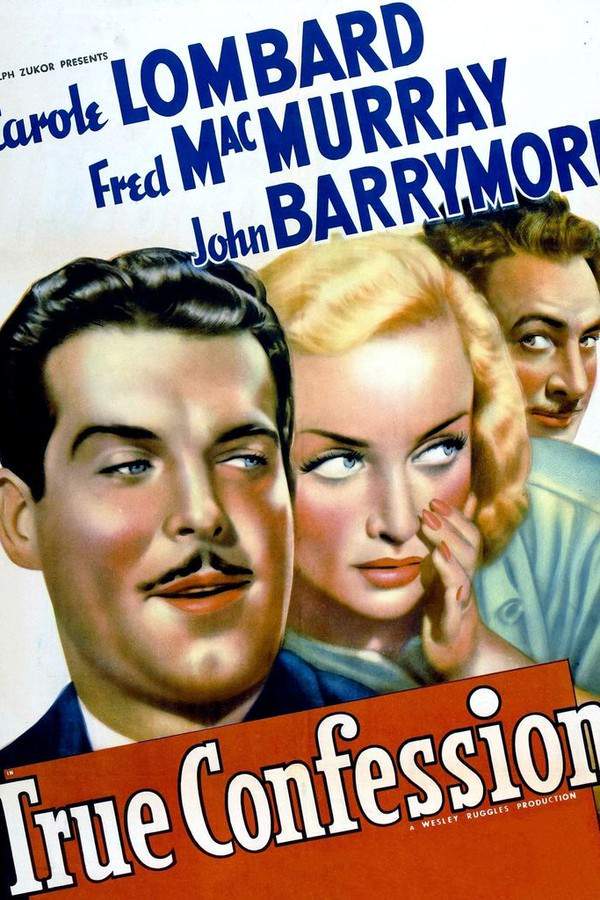
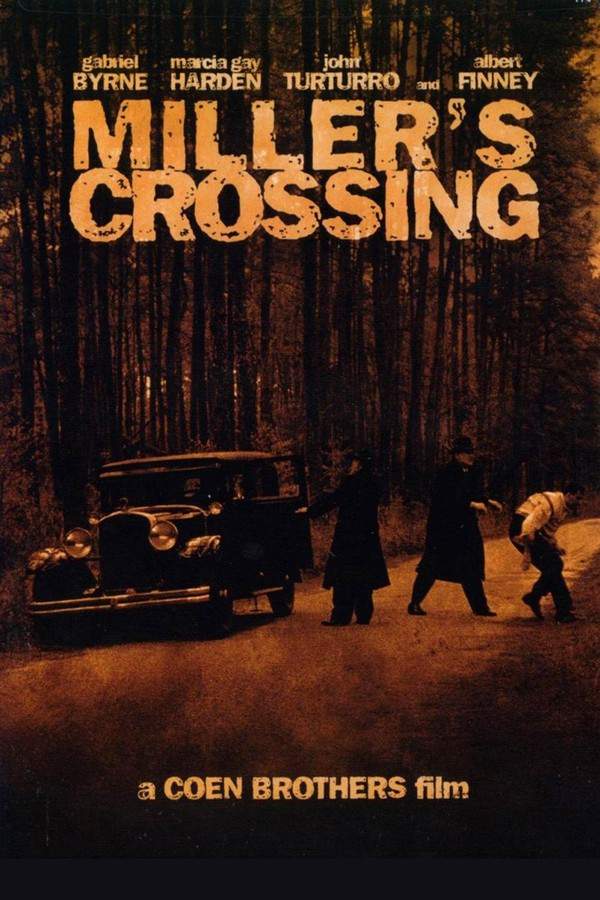
Crime empire epics like The Traitor

Gritty sagas of organized crime, state corruption, and the cities they devour. Explore movies like The Traitor: gritty, historically grounded crime sagas about organized crime, mafia power, and political corruption. These dark, methodical thrillers blend courtroom drama with street violence and unfold at a steady, immersive pace. Ideal for viewers seeking heavy, complex crime epics with bittersweet endings.

  • gritty
  • oppressive
  • historical
  • political
  • organized crime
  • weighty
  • Tone: dark, oppressive
  • Pacing: steady, immersive
Why these movies?

The story pattern: Stories in this thread immerse viewers in a fully realized criminal world, a mafia, cartel, syndicate, or shadow state, and trace how it intersects with politics, law, and ordinary lives. The narrative moves through escalating violence, judicial showdowns, and slow revelations of corruption that reach into the highest offices. Pacing is steady and immersive, with dense webs of characters, factions, and betrayals. Endings tend to be bittersweet or bleak, suggesting that the forces of organized crime are never fully defeated, only momentarily checked.

Why they belong together: These films share an oppressive, weighty atmosphere where the criminal world feels like an inescapable presence. They prioritize historical or political realism over stylization, with large casts of morally compromised figures and complex institutional backdrops. The intensity stays consistently high, driven as much by psychological and political tension as by physical violence. Sadness, tension, and a brooding melancholy dominate the emotional palette, while humor and romance are nearly absent.

If you liked this

Movies Like The Traitor

Similar movies to The Traitor: the same genre, themes or kind of story. Each one comes with its own plot summary, timeline and ending explained.

Browse all movie summaries

Every angle

The Traitor (2019) Explained: Plot, Timeline & Characters

Everything about The Traitor in one place: what happens in the plot summary, the timeline in chronological order, the characters and meaning and a spoiler-free summary. What's After the Movie adds the cast, box office and post-credit scenes.

Coming soon on iOS and Android

The Plot Explained Movie Summary App

Plot summaries, endings explained and timelines on your phone. Catch up on any movie in minutes, save your favorites and never miss a twist again.

Be the first to know when we launch. Your email stays private, always.

Learn more about the app