Year: 1967
Runtime: 99 mins
Language: Italian
Director: Elio Petri
Set on the island of Sicily, the story follows a left‑leaning professor who becomes obsessed with uncovering what really happened to two men slain during a hunting party. His investigation pits him against the entrenched power of the Mafia, the Church and corrupt politicians who will stop at nothing to keep the truth buried.
Warning: spoilers below!
Haven’t seen We Still Kill the Old Way yet? This summary contains major spoilers. Bookmark the page, watch the movie, and come back for the full breakdown. If you're ready, scroll on and relive the story!
Read the complete plot breakdown of We Still Kill the Old Way (1967), including all key story events, major twists, and the ending explained in detail. Discover what really happened—and what it all means.
In a quiet little town, the local pharmacist Arturo Manno, Luigi Pistilli, is infamous for chasing women, and so the death threats looming over him hardly surprise his circle of friends. Yet the warnings take a dark turn when Manno and his friend, Dr. Antonio Roscio, Franco Tranchina, are found dead during a predawn hunting excursion. As fear ripples through the community, suspicion immediately lands on Rosina’s family—the father and two brothers of Manno’s underage servant, Rosina, a detail that twists the town’s loyalties and tempers.
Professor Laurana, who has glimpsed one extortion note, refuses to accept that these illiterate men could be behind the scheme, especially since the letters have been put together with clippings from Osservatore Romano, a Vatican newspaper with only two local subscribers. Determined to uncover the truth, Laurana enlists his lawyer friend Rosello, Gabriele Ferzetti, and begins a careful, and increasingly dangerous, investigation. His motive is deepened by a private ache: his hidden love for Luisa Roscio, the widow of Manno’s murdered companion. Laurana’s path toward justice is complicated when Roscio’s father, who had opposed his son’s marriage to Luisa, entrusts Laurana with Roscio’s diary, a document that is missing pages and may hold vital clues.
From a trusted ally—a friend who sits on Palermo’s city council—Laurana learns that Roscio had lived in fear because he was gathering evidence against a corrupt prominent citizen in Laurana’s hometown. Roscio himself had been convinced that the death threats against Manno were a smokescreen and that he, Roscio, might be the real target. Luisa, for her part, rejects Laurana’s romantic advances but appears to back his quest for the truth, hinting at a deeper involvement by her cousin Rosello in the tangled case.
Laurana presses on and eventually meets Rosello, who drives him to a shadowy rendezvous. Realizing his life is at risk, Laurana pretends to have left behind a diary detailing his research in Palermo, a bluff that only fuels Rosello’s fury as he dumps Laurana back in the village. The next day, Laurana tells Luisa that the supposed diary never existed, a confession that does little to calm the peril surrounding them. Luisa guides him to a seaside spot where she finally ends their tense exchange by walking away after another blunt refusal.
Tragedy strikes when a group of local men brutally beats Laurana, killing him and allowing his body to disappear. In the aftermath, Rosello and Luisa marry, an event watched by acquaintances who quietly question the plot and wonder at Laurana’s optimism and naivety. The tale leaves the town haunted by the fear that truth and justice have been outmatched by fear, power, and a community’s uneasy complicity.
Last Updated: October 09, 2025 at 11:07
Discover curated groups of movies connected by mood, themes, and story style. Browse collections built around emotion, atmosphere, and narrative focus to easily find films that match what you feel like watching right now.
A lone investigator's quest for truth is systematically crushed by powerful, sinister forces.If you liked the tense atmosphere of We Still Kill the Old Way, you'll find similar movies here. These stories feature protagonists obsessively investigating a dark truth, only to be met with overwhelming opposition from corrupt institutions, leading to a feeling of grim inevitability.
The narrative typically follows a linear investigation that deepens in paranoia and danger. The protagonist, often an outsider or intellectual, gradually realizes their pursuit is not just dangerous but futile against a deeply entrenched, unified opposition. The story arc is one of disillusionment and defeat.
These films are grouped by their shared theme of an individual's moral crusade being brutally extinguished by collective, systemic power. They create a specific, cynical mood where the tension comes from watching a protagonist walk knowingly towards their own doom.
Stories where the setting itself feels like a threat, oozing with moral decay and violence.Discover films that share the heavy, anxious mood of We Still Kill the Old Way. If you liked the film's portrayal of a community suffocated by the Mafia and corruption, you'll find similar gritty settings and stories of social decay here.
The plot is often a crime or mystery, but the primary focus is on the mood and the environment. Characters navigate a world where traditional morality is absent, and survival often requires complicity. The pacing is steady, building a sense of encroaching doom rather than frantic action.
This thread groups films based on their shared visceral feeling—a palpable sense of place and mood. The similarities are less about specific plot points and more about the immersive, cynical, and threatening atmosphere that defines the viewing experience.
Don't stop at just watching — explore We Still Kill the Old Way in full detail. From the complete plot summary and scene-by-scene timeline to character breakdowns, thematic analysis, and a deep dive into the ending — every page helps you truly understand what We Still Kill the Old Way is all about. Plus, discover what's next after the movie.
Track the full timeline of We Still Kill the Old Way with every major event arranged chronologically. Perfect for decoding non-linear storytelling, flashbacks, or parallel narratives with a clear scene-by-scene breakdown.
Discover the characters, locations, and core themes that shape We Still Kill the Old Way. Get insights into symbolic elements, setting significance, and deeper narrative meaning — ideal for thematic analysis and movie breakdowns.
Get a quick, spoiler-free overview of We Still Kill the Old Way that covers the main plot points and key details without revealing any major twists or spoilers. Perfect for those who want to know what to expect before diving in.
Visit What's After the Movie to explore more about We Still Kill the Old Way: box office results, cast and crew info, production details, post-credit scenes, and external links — all in one place for movie fans and researchers.
Discover movies like We Still Kill the Old Way that share similar genres, themes, and storytelling elements. Whether you’re drawn to the atmosphere, character arcs, or plot structure, these curated recommendations will help you explore more films you’ll love.
We Still Kill the Old Way (1967) Scene-by-Scene Movie Timeline
We Still Kill the Old Way (1967) Movie Characters, Themes & Settings
We Still Kill the Old Way (1967) Spoiler-Free Summary & Key Flow
Movies Like We Still Kill the Old Way – Similar Titles You’ll Enjoy
Sicilian Ghost Story (2018) Spoiler-Packed Plot Recap
A Simple Story (1991) Ending Explained & Film Insights
Camorra (A Story of Streets, Women and Crime) (1985) Detailed Story Recap
The Sicilian (1987) Plot Summary & Ending Explained
The Sicilian Connection (1985) Complete Plot Breakdown
The Day of the Owl (1968) Full Summary & Key Details
In the Name of the Law (1949) Complete Plot Breakdown
Jealousy (1953) Full Movie Breakdown
How to Kill a Judge (1975) Full Summary & Key Details
A Woman Has Killed (1952) Ending Explained & Film Insights
The Sicilian Girl (2008) Full Summary & Key Details
Who Killed the Prosecutor and Why? (1972) Movie Recap & Themes
Excellent Cadavers (1999) Story Summary & Characters
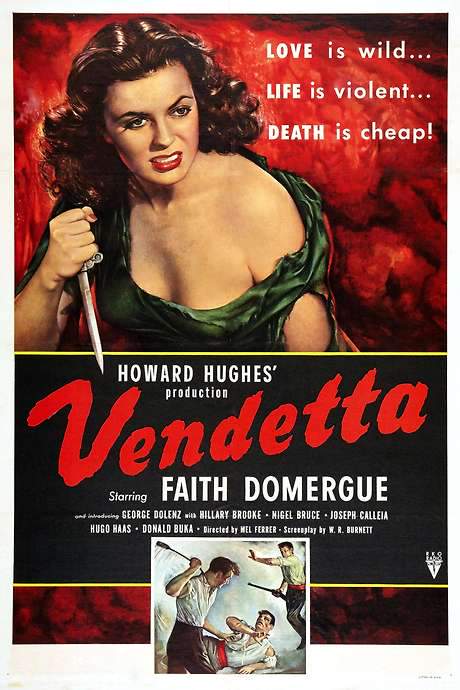
Vendetta (1950) Complete Plot Breakdown
Palermo – Milan One Way (1995) Complete Plot Breakdown