Plot Explained Spoilers guaranteed!
Plot Explained

Browse by genre

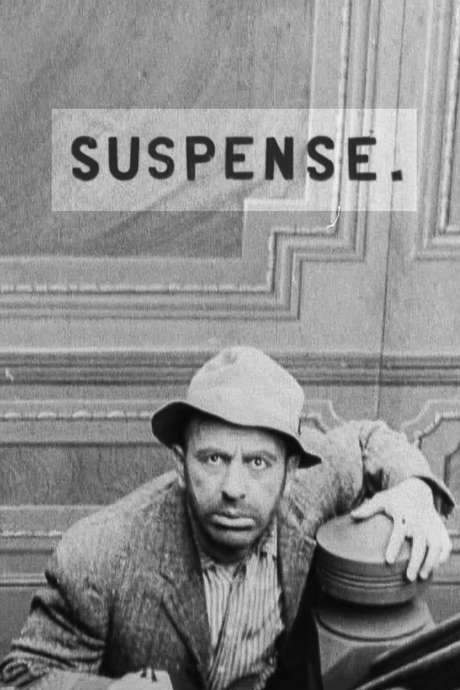
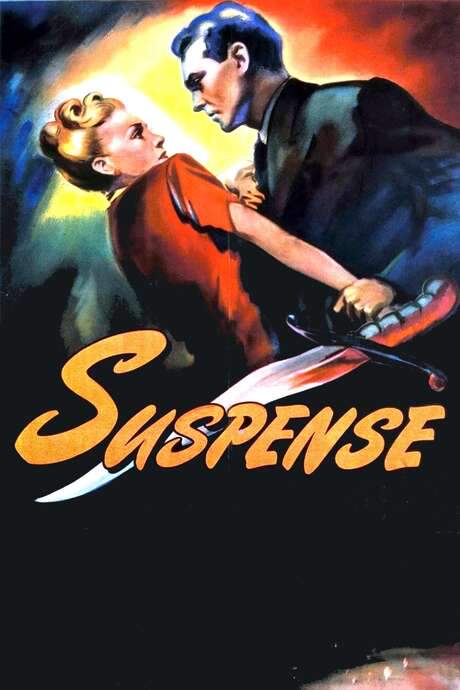
Suspense (1946) movie poster

Plot Summary

Suspense (1946) Plot Summary Explained

Release, runtime and language
1946 · 101 mins · English
Directed by
Frank Tuttle
Starring
George E. Stone, Barry Sullivan, Albert Dekker, Billy Gray, George Chandler, Bonita Granville

The owner of an ice‑skating revue lifts a peanut‑vendor into a managerial role after the vendor offers ideas to improve the star’s routine—who also happens to be the owner’s wife. As the show unfolds, the proprietor grows uneasy, noticing the new manager’s increasingly close attention to his wife, hinting at danger amid the dark, icy setting.

On this page (6)
  1. 1 What happens: full plot
  2. 2 Plot questions answered
  3. 3 Movie threads
  4. 4 Movies like Suspense
  5. 5 Categories
  6. 6 Every angle

Full plot summary · contains spoilers

What Happens in Suspense: Full Plot Summary

The whole story of Suspense (1946) explained, from the opening scene to the final frame: every key event, every twist and what it all adds up to. Read it as a quick recap before the sequel, to check a scene you missed, or to finally understand what really happened.

Joe Morgan Barry Sullivan is a drifter who has come to Los Angeles from New York, scruffy, broke, and desperate for work. He tries to land a job with Max George E. Stone, whose brother happened to know him back in New York, but the initial attempts fail and he walks away empty-handed. Worn down by luck and circumstance, he’s nudged toward a nearby theater featuring an ice show starring Roberta Elva Belita. The theater’s assistant Harry Wheeler introduces Morgan to the theater’s owner and show producer, Frank Leonard Albert Dekker. Leonard hires him to sell peanuts, and as Morgan watches Roberta perform, he is instantly captivated by her presence and skill, even as she remains distant.

Morgan makes a bold move to strike up a conversation after the performance, but Roberta’s guarded reaction pushes him back to the margins. Leonard makes it clear that the couple’s relationship is a problem for the show, and Morgan and Roberta’s chemistry remains off-limits in a workplace where Leonard can see only profit and routine. Harry reveals to Morgan that Roberta and Leonard are bound by marriage, a fact that fuels Morgan’s sense of competition and obsession. When Leonard grows frustrated by the lack of spark in Roberta’s act, Morgan proposes a daring change: a new routine in which Roberta leapfully speeds through a circle of long, sharp knives. The stunt earns Morgan a promotion to a managerial position, and the power shifts begin to tilt in his favor. Roberta, increasingly wary of Morgan’s advances, resists him more than once, until a heated kiss in Morgan’s office pushes the line beyond professional boundaries. Leonard departs for a Chicago business trip, leaving Morgan in charge of the theater and its show.

In the days that follow, Roberta continues to reject Morgan’s advances, but a grudging, complex attraction gradually emerges. The couple’s growing closeness unsettles Leonard, and when he returns from his trip, he suspects the affair between Roberta and Morgan. He arranges a winter retreat at a remote mountain cabin, hoping to sever the attraction with distance and perspective. Morgan—ever resourceful—arrives at the cabin with papers for Leonard to sign, a ploy designed to see Roberta again. Leonard invites him to spend the night since travel is impractical in the heavy snows, and the next morning the two men confront each other while Roberta practices nearby. Morgan accompanies Roberta to the frozen pond, and Leonard, watching from a mountainside with a hunting rifle, opens fire but misses, triggering an avalanche that sweeps him away.

Back in Los Angeles, Roberta is heartbroken but begins to feel watched and unsettled, a sense that someone is manipulating the events around her. Harry urges her to press on, and quickly the show goes back on the road with Morgan’s name blazing atop the marquee, signaling a shift toward fame and danger. Over the ensuing months, Morgan grows paranoid and distant, convinced that Leonard might still be alive somewhere and plotting a return. He notices Leonard’s ring in Roberta’s champagne glass at a party in her penthouse, a chilling clue that feeds his suspicions. Ronnie [Bonita Granville]—a jealous, restless former girlfriend from Chicago—becomes more entangled as she senses the storm growing around Morgan and Roberta, and she enlists Max to uncover why Morgan left New York so abruptly.

One night, a shadowy figure approaches Morgan’s office while Roberta hears strange noises from within. When she investigates, she finds Morgan sealing a large roll-top desk that had always stood open, and she spots a pipe identical to the kind Leonard smoked. Morgan swears the pipe is his, but the seeds of doubt have already taken root. Ronnie confronts him with her suspicions about his past, hinting that the truth will come out unless he acts. The tension erupts when Ronnie reveals what she knows and threatens that the consequences depend on him. This confrontation grips Morgan in a brutal moment of fear and anger, and a tense confrontation with Ronnie ends in violence: he assault’s her, and Harry, arriving to check on the uproar, notes red staining on his jacket.

The next day, Morgan tries to cover his tracks by claiming the old desk was moved and burned in the furnace, but Roberta’s suspicions deepen when she learns Leonard’s pipes were custom-made. Desperation grows as she descends into the basement to investigate and is caught by Morgan. The truth spills out: Morgan admits that he killed Leonard and had his body incinerated. Roberta refuses to betray him to the police, but she insists that he must confess himself; he refuses, deepening the trap he’s built for himself.

Paranoia tightens its grip as Roberta considers quitting the show, and Ronnie’s jealousy and rage leave her unmoored. Worried that Roberta will go to the authorities, Morgan toys with one of the long knives used in Roberta’s act, loosening it so that it could interfere with her jump. At the final moment of her performance, he hesitates, ripping the dangerous prop away instead of letting it sabotage her. She escapes through the stage door, but Ronnie blocks Morgan’s path and, in a final, devastating act, shoots him dead. The curtain falls as the marquee lights flicker and then go dark, the title “Joe Morgan” losing its glow and fading into the night. The theater—and the lives intertwined within it—are left in the quiet aftermath of a tragedy that began with ambition and desire and ended in a brutal reckoning.
Last updated: October 07, 2025 at 09:43

Was this helpful?

Plot questions answered

Suspense Plot Explained: Your Questions Answered

The questions people ask most about Suspense (1946): what happens in the confusing scenes, why the characters do what they do, the twists, hidden details and what the ending means. Each answer contains spoilers.

Q1

Why does Joe Morgan kill Frank Leonard in the mountain cabin?

Morgan kills Leonard because he sees an opportunity to eliminate his rival and be with Roberta. When Leonard catches Morgan with Roberta at the remote mountain cabin and confronts them with a hunting rifle, Morgan provokes him intentionally, knowing Leonard is on unstable ground on the snowy mountainside. The confrontation escalates, and Morgan's presence alone is enough to cause Leonard to lose his footing and trigger the avalanche that buries him. Morgan later confesses to Roberta that he killed Leonard and had his body burned in the furnace.

Foreshadowing: Morgan's promotion to manager after proposing the dangerous knife act signals his growing willingness to manipulate situations for power and control over Roberta.

  • joe morgan
  • frank leonard
  • murder
  • mountain cabin
  • avalanche
  • kill
Q2

What does the ring in the champagne glass mean?

The ring Morgan finds in Roberta's champagne glass at her penthouse party is Leonard's wedding ring. Its appearance fuels Morgan's paranoia because he believes Leonard may have survived the avalanche and returned to claim Roberta. This discovery intensifies Morgan's jealousy and suspicion, making him fear that Leonard is still alive and plotting revenge. The ring serves as the关键的 clue that sends Morgan deeper into paranoia and sets up the film's final act.

Foreshadowing: The avalanche that sweeps Leonard away is never shown definitively, leaving his fate ambiguous from the moment it occurs.

  • wedding ring
  • champagne glass
  • paranoia
  • jealousy
  • leonard survival
Q3

Does Frank Leonard actually die in the avalanche?

Yes, Leonard dies in the avalanche, though the film leaves his death ambiguous for some time. Morgan discovers Leonard's ring later and suspects he survived, but this is just Morgan's paranoia. The truth is confirmed when Roberta learns from Morgan himself that he killed Leonard and burned the body in the furnace to cover up the murder. Leonard's death is definitive, he does not return as a living character.

Foreshadowing: Leonard's jealousy and suspicion about the affair between Morgan and Roberta drive him to arrange the winter retreat, putting himself in the dangerous mountain environment.

  • frank leonard
  • avalanche
  • death
  • mountain cabin
Q4

Why does Joe Morgan sabotage Roberta's knife act at the end?

Morgan sabotages the knife act because he believes Roberta is about to go to the authorities with knowledge of his crime. Fearing she will betray him, he loosens one of the sharp knives in her routine, hoping she will be injured or killed during the performance, which would silence her permanently. However, at the final moment, Morgan hesitates and rips the dangerous prop away instead, showing he cannot go through with killing the woman he loves despite his desperation.

Foreshadowing: The knife act Morgan proposed earlier, Roberta leaping through a circle of long, sharp knives, has always represented both danger and his control over her career and life.

  • morgan
  • sabotage
  • knife act
  • roberta
  • performance
  • final act
Q5

Why does Ronnie shoot Joe Morgan at the end?

Ronnie shoots Morgan out of jealousy and rage after she discovers the truth about his crimes. As Morgan's former girlfriend from Chicago, Ronnie had followed him to Los Angeles and gradually uncovered his dark secrets, including his murder of Leonard. When Morgan tries to flee through the stage door after sabotaging Roberta's act, Ronnie blocks his path and kills him in a final act of desperate vengeance. Her jealousy has transformed into violent fury upon learning he killed for another woman.

Foreshadowing: Ronnie's early jealousy and her investigation into Morgan's past in New York foreshadow her eventual discovery of his violent nature.

  • ronnie
  • shooting
  • morgan death
  • jealousy
  • confrontation
Q6

Why does Joe Morgan follow Roberta and Leonard to the mountain cabin?

Morgan follows them to the cabin because he cannot accept being separated from Roberta. When Leonard takes her on a winter retreat hoping to distance her from Morgan, Morgan invents a pretext, he arrives with papers for Leonard to sign, simply to see her again. This obsessive pursuit demonstrates his fixation on Roberta and his willingness to insert himself into their marriage despite the obvious danger of confronting the jealous husband.

Foreshadowing: Morgan's earlier promotion to manager and his growing influence over the show establish his confidence in pursuing what he wants regardless of boundaries.

  • mountain cabin
  • roberta
  • leonard
  • follow
  • jealousy
Q7

What is the red stain on Joe Morgan's jacket?

The red stain on Morgan's jacket is blood from his violent confrontation with Ronnie. After Ronnie confronts Morgan about his past and threatens to expose him, the situation escalates into a physical struggle. Harry Wheeler discovers Morgan with the red stain, which initially suggests violence has occurred. This moment plants the first concrete evidence of Morgan's capacity for physical aggression beyond his verbal threats.

Foreshadowing: Ronnie's investigation into why Morgan left New York so abruptly hints at a violent past that the red stain now confirms.

  • red stain
  • blood
  • jacket
  • ronnie
  • harry wheeler
Q8

Why doesn't Roberta go to the police after learning Morgan killed Leonard?

Roberta chooses not to report Morgan to the police because she is emotionally trapped, she genuinely loves him despite knowing what he's done. When she discovers the truth in the basement, she tells Morgan he must confess himself, refusing to betray him directly. However, she cannot bring herself to turn him in either. This moral paralysis reflects the film's dark exploration of love, guilt, and the psychological bonds that tie victims to their victimizers in noir narratives.

Foreshadowing: Roberta's gradual attraction to Morgan despite initial resistance shows how her emotional dependence on him developed long before she learned the full truth.

  • roberta
  • police
  • murder confession
  • cover up
  • love
Q9

Why does Frank Leonard hire Joe Morgan as manager after he suggests the knife act?

Leonard promotes Morgan to manager because he is impressed by the proposed knife act, a dangerous stunt that would generate excitement and draw audiences. Leonard is primarily concerned with the show's profitability and sees Morgan's idea as a way to revitalize Roberta's act, which had grown stale. This promotion gives Morgan exactly the power and proximity to Roberta he was seeking, creating the very situation Leonard feared. Leonard's business-first mentality blinds him to the personal threat Morgan poses to his marriage.

Foreshadowing: Leonard's hiring of Morgan as a peanut vendor in the first place, based on a connection through Max, shows his pattern of bringing outsiders into his operation without fully vetting their intentions.

  • frank leonard
  • morgan
  • manager
  • promotion
  • knife act
Q10

What triggers the avalanche at the mountain cabin?

The avalanche is triggered when Leonard fires his hunting rifle at Morgan from the mountainside. The gunshot and the movement of Leonard destabilize the snow-covered slope, causing a massive avalanche that sweeps him away. Morgan does not directly cause the avalanche, the act of shooting while standing on unstable snow is what triggers it. Leonard's attempt to kill his rival backfires catastrophically, resulting in his own death.

Foreshadowing: Leonard's jealousy and suspicion have been building since his return from Chicago, and his decision to bring a firearm to confront Morgan demonstrates his willingness to resort to violence.

  • avalanche
  • shooting
  • rifle
  • mountain
  • leonard death
Q11

Why does Morgan burn Leonard's body in the furnace?

Morgan burns Leonard's body in the theater's furnace to eliminate evidence of the murder and ensure no one discovers what happened at the cabin. By incinerating the body, Morgan destroys the physical proof that would link him to Leonard's death. This act of destruction is revealed when Roberta investigates the basement and confronts Morgan, who admits to both killing Leonard and burning his remains to cover up the crime.

Foreshadowing: Morgan's paranoid behavior in the months following the avalanche, his suspicions about Leonard's survival and his obsessive checking of the furnace, foreshadow the dark secret it holds.

  • furnace
  • burn body
  • cover up
  • murder
  • evidence
Q12

Why does Roberta remain in the relationship with Morgan after discovering the truth?

Roberta remains emotionally trapped with Morgan because she genuinely loves him despite his crimes. When she demands he confess, she shows she cannot betray him to authorities herself, revealing the depth of her emotional dependency. This reflects the film's noir themes of fatal attraction, Roberta is drawn to Morgan's boldness and ambition, even as those same qualities led him to murder. Her paralysis between love and moral obligation ultimately leads her to consider leaving the show, but she cannot bring herself to actively destroy the man she loves.

Foreshadowing: Roberta's gradual warming to Morgan's advances after initial rejection shows the development of a toxic emotional bond that predates her knowledge of his crimes.

  • roberta
  • morgan
  • relationship
  • love
  • confession
  • guilt

Movie threads

More Movies Like Suspense, by Mood & Story

Curated lists built around what makes Suspense tick: the same mood, the same kind of story or the same emotional payoff. Each list explains why these movies belong together.

Fatalistic crime stories of moral collapse like in Suspense

Stories where obsession and jealousy lead to an inescapable, violent downfall. If you liked the bleak, downward spiral in Suspense, you'll find similar movies here. This collection features classic noirs and dark crime dramas where characters are destroyed by their own obsessive desires, leading to betrayal, murder, and an inescapably grim fate. These are stories of paranoia and fatalistic doom.

  • fatalistic
  • paranoid
  • obsessive
  • tense
  • suspenseful
  • melancholic
  • Tone: dark, bleak, tense
  • Pacing: steady, methodical buildup
Why these movies?

The story pattern: The narrative follows a protagonist who, often initially ordinary or successful, is consumed by an unhealthy obsession—be it love, money, or power. This obsession leads them to commit a desperate act, usually a crime, which then unravels their life. The plot focuses on the psychological decay and frantic cover-up attempts as the walls close in, culminating in a tragic and inevitable conclusion.

Why they belong together: These films are grouped together because they share a dark, tense tone and a specific narrative arc of self-destruction. They create a claustrophobic, paranoid mood and deliver a heavy emotional weight, focusing on the psychological unraveling of characters caught in a trap largely of their own making.

Claustrophobic psychological thrillers with high tension like Suspense

Intense stories where suspicion grows in a confined, pressure-cooker environment. For viewers who enjoyed the tense, paranoid atmosphere of Suspense, this list features similar psychological thrillers. These movies use a steady pace to build suspense in a confined world, focusing on characters tormented by jealousy, deception, and the dread of being watched or betrayed from within.

  • claustrophobic
  • tense
  • suspenseful
  • paranoid
  • obsessive
  • uneasy
  • Tone: dark, tense, paranoid
  • Pacing: steady, suspenseful build
Why these movies?

The story pattern: These narratives often unfold in a limited space—a single building, a workplace, a small town—that becomes a psychological prison. The core conflict is internal and relational, centered on shifting loyalties and the terrifying uncertainty of not knowing who to trust. The pacing is steady, meticulously raising the stakes and the characters' anxiety until the pressure becomes unbearable.

Why they belong together: They are united by a shared vibe of high-tension unease and a claustrophobic mood. The experience is defined by a steady, deliberate pacing that creates sustained suspense, a dark tone, and a focus on the destructive power of obsessive thoughts in a confined social dynamic.

If you liked this

Movies Like Suspense

Similar movies to Suspense: the same genre, themes or kind of story. Each one comes with its own plot summary, timeline and ending explained.

Browse all movie summaries

Categories

Movie Lists Featuring Suspense

Suspense appears in these hand-built movie categories. Each one groups movies by a specific mood, theme or story type, with their plot summaries and endings explained.

View all movie categories

Every angle

Suspense (1946) Explained: Plot, Timeline & Characters

Everything about Suspense in one place: what happens in the plot summary, the timeline in chronological order, the characters and meaning and a spoiler-free summary. What's After the Movie adds the cast, box office and post-credit scenes.

Coming soon on iOS and Android

The Plot Explained Movie Summary App

Plot summaries, endings explained and timelines on your phone. Catch up on any movie in minutes, save your favorites and never miss a twist again.

Be the first to know when we launch. Your email stays private, always.

Learn more about the app