





Plot Explained Spoilers guaranteed!
Plot Explained

Browse by genre

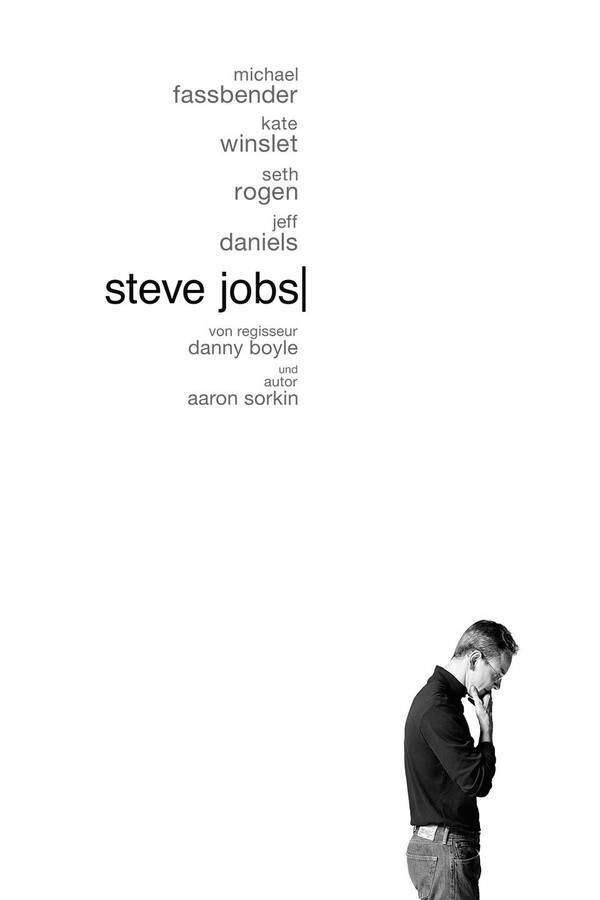
Steve Jobs (2015) movie poster

Ending Explained

Steve Jobs (2015) Ending Explained – Final Scene & Meaning

Release, runtime and language
2015 · 122 min · English
Directed by
Danny Boyle
Starring
Michael Fassbender, Kate Winslet, Jeff Daniels, Seth Rogen
Budget
$30M

Driven by ambition and perfectionism, Steve Jobs faces a complex mix of professional and personal challenges. As the Macintosh launch draws near, he grapples with the unexpected reality of his relationship with Chrisann Brennan and their daughter Lisa, compounded by his dismissal from Apple. A decade later, he makes a triumphant return to the company he helped create, determined to redefine the tech landscape with the innovative iMac.

On this page (7)
  1. 1 Where to watch
  2. 2 What happens at the end
  3. 3 Final events in order
  4. 4 Ending questions answered
  5. 5 Movie threads
  6. 6 Movies like Steve Jobs
  7. 7 Every angle

Where to watch

Where to Watch Steve Jobs (2015)

Where can you watch Steve Jobs? Stream, rent or buy it in the US, including on Amazon Video, Apple TV Store and Fandango At Home: current JustWatch availability with up-to-date prices.

Streaming availability powered by JustWatch

Ending explained · contains spoilers

What Happens at the End of Steve Jobs?

How Steve Jobs (2015) ends, what the final scene means, which earlier moments set it up and how to read the ending if the film leaves it open. The full ending explained, with every spoiler.

Imagine a version of Steve Jobs where, despite his flaws and the turmoil in his relationships, he undergoes a moment of personal redemption. By the end of the film, he finally acknowledges the strain he's caused in his relationship with his daughter, Lisa. This recognition marks a turning point; it’s a quiet, private reconciliation rather than a public spectacle. The film emphasizes that despite his intense focus on innovation, Jobs is ultimately a human being capable of growth and change. The closing scenes suggest that, while he’s still the visionary behind Apple, he’s also someone confronting his past mistakes and seeking forgiveness—both from himself and the people he has hurt. Through this intimate and emotionally charged redemption, the movie offers a layered portrait of Jobs as someone who, despite his complexity and flaws, reaches a moment of grace before his life’s final chapter. In this way, the film depicts not just his genius but also his humanity, leaving audiences with a nuanced understanding of the man behind the iconic tech empire.

Last updated: June 25, 2025 at 08:44

Was this helpful?

The last 4 events

How Steve Jobs Ends: The Final Events in Order

The last events of Steve Jobs (2015) in chronological order, the run-up to the ending explained above. The complete timeline has all 15 events, scene by scene.

Open the full timeline
  1. iMac Reveal

    As the iMac comes to life, Steve’s transition from a self-centered innovator to a more layered individual is completed. His reconnection with Lisa highlights the emotional warmth he was previously lacking.

  2. Reconnection with Lisa

    Steve shares a heartfelt moment with his daughter, reflecting the emotional growth he has undergone. This connection contrasts sharply with earlier complexities in their relationship.

  3. Closure Through Reflection

    In a poignant moment accompanied by Bob Dylan's music, Steve envisions a promising future. This marks a departure from the pressures of public life, as he chooses to value intimate family connections.

  4. Transformative Victory

    The film concludes with Steve’s journey symbolizing a transformative personal victory. He realizes that the most significant creations are not just technological innovations but also the relationships we build.

Ending questions answered

Steve Jobs Ending: Your Questions Answered

The questions people ask most about the ending of Steve Jobs (2015): what the final scene means, how the twist works, what happens to each character and how to read the ending. Each answer contains spoilers.

Q1

Does Steve Jobs reconcile with his daughter Lisa at the end?

Yes. In the film's closing scenes, Steve Jobs finally acknowledges the strain his behavior has caused in his relationship with Lisa. This reconciliation is quiet and private rather than dramatic, a moment where he confronts his past mistakes and seeks forgiveness from both himself and his daughter. The film portrays this as his most significant personal breakthrough, showing his capacity for growth despite his well-documented flaws.

Foreshadowing: Earlier scenes establish Jobs's consistent denial of paternity and emotional distance from Lisa, making this eventual acknowledgment a meaningful character arc.

  • lisa jobs
  • reconciliation
  • daughter
  • family
  • father daughter
Q2

What happens in the final scene of Steve Jobs?

The final scene shows Jobs in a private moment of emotional reckoning with his daughter Lisa. Rather than a triumphant product launch or public victory, the film concludes with Jobs confronting his personal legacy. He acknowledges his past failures as a father and seeks a genuine connection, marking a turning point where his humanity emerges alongside his genius.

Foreshadowing: The three-act structure builds tension through various product launches, but the emotional climax occurs in this quieter personal moment.

  • final scene
  • ending
  • resolution
  • climax
Q3

Does Steve Jobs admit he is Lisa's father in the movie?

Yes, the ending shows Jobs finally admitting his paternity and taking responsibility for the emotional harm his denial caused. This admission is central to his redemption arc, as the film portrays it as the moment where he stops defending his ego and allows himself to be vulnerable with his daughter.

Foreshadowing: Throughout the film, Jobs repeatedly denies or minimizes his relationship with Lisa, making this admission a pivotal character transformation.

  • paternity
  • admission
  • fatherhood
  • denial
Q4

What is the meaning of the ending of Steve Jobs?

The ending presents Jobs as a complex figure whose genius coexists with profound personal flaws. Rather than offering a simple redemption narrative, the film suggests that acknowledging one's mistakes, even late in life, represents a form of grace. The message is that despite his intensity and ego, Jobs was ultimately capable of growth and human connection, leaving audiences with a nuanced portrait of both his brilliance and his humanity.

Foreshadowing: The film's recurring focus on Jobs's relationships with women in his life builds toward this thematic resolution.

  • meaning
  • thematic
  • redemption
  • humanity
  • complexity
Q5

Does Steve Jobs die at the end of the movie?

No, the film does not depict Jobs's death. The 2015 movie covers his career through the iMac launch and his return to Apple, ending on a note of personal reconciliation rather than depicting his later death in 2011. The ending focuses on his emotional transformation with Lisa, not on his mortality.

  • death
  • ending
  • life
  • biography
Q6

How does Steve Jobs show redemption at the end of the film?

Jobs's redemption comes through vulnerability rather than professional triumph. Instead of the familiar narrative of his business success, the film concludes with him acknowledging the pain he caused his daughter. This moment shows that his greatest achievement may be his ability to confront his flaws, something the film presents as genuinely difficult for someone so defined by his intensity and perfectionism.

Foreshadowing: The film consistently portrays Jobs's ego as a barrier to genuine connection, making this moment a meaningful departure from his usual behavior.

  • redemption
  • ego
  • growth
  • vulnerability
  • character arc
Q7

What does the ending say about Steve Jobs's legacy?

The ending suggests Jobs's legacy is multifaceted, combining revolutionary innovation with the recognition that personal relationships require acknowledgment and repair. By focusing on his reconciliation with Lisa, the film implies that his true legacy includes not just the technology he created but also his capacity for personal growth. The closing scenes leave audiences with a balanced view of Jobs as both a visionary and a flawed human being.

Foreshadowing: Earlier scenes emphasize how Jobs's single-minded focus on work affected everyone around him, making this balanced view a deliberate choice.

  • legacy
  • visionary
  • impact
  • technology
Q8

Is the ending of Steve Jobs based on a true story?

Yes, the ending reflects documented aspects of Jobs's relationship with his daughter Lisa. While the film takes dramatic license with specific conversations, the reconciliation between Jobs and Lisa is based on real events. Lisa Brennan-Jobs later wrote about their relationship in her memoir 'Small Fry,' describing moments of connection with her father that align with the film's portrayal of a complex but eventual reconciliation.

  • true story
  • biography
  • accuracy
  • lisa brennan-jobs
Q9

Why does the movie end with personal reconciliation instead of professional success?

The film deliberately shifts focus from Jobs's well-known professional achievements to his emotional journey because the narrative is interested in exploring his humanity. By ending on the reconciliation with Lisa, the movie argues that personal growth and genuine connection matter as much as technological innovation. This choice distinguishes the film from a typical biopic by prioritizing emotional truth over career milestones.

Foreshadowing: The three-act structure uses product launches as backdrops but consistently returns to Jobs's relationships as the real story.

  • personal
  • professional
  • priorities
  • values

Movie threads

More Movies Like Steve Jobs, by Mood & Story

Curated lists built around what makes Steve Jobs tick: the same mood, the same kind of story or the same emotional payoff. Each list explains why these movies belong together.

Movies with relentless pressure like Steve Jobs

Intense character studies set against the clock of a major public event. Explore movies like Steve Jobs that capture the intense, high-stakes atmosphere of pivotal events. If you enjoyed the tense backstage dynamics and race-against-the-clock energy, these character-driven dramas about pivotal moments will deliver a similar, gripping experience.

  • tense
  • driven
  • high-stakes
  • backstage
  • relentless
  • anxious
  • Tone: tense, driven, anxious
  • Pacing: steady, forward-thrusting
Why these movies?

The story pattern: Stories in this thread are often structured around a ticking clock, typically a major launch, performance, or public unveiling. The narrative unfolds largely behind the scenes, where a brilliant but difficult protagonist navigates technical crises, interpersonal clashes, and personal demons simultaneously under extreme pressure.

Why they belong together: Movies in this thread share a high-intensity, tense tone driven by dialogue and character conflict rather than action. They focus on the psychological toll of ambition and the volatile atmosphere that precedes a make-or-break moment, creating a consistently gripping and intellectually charged experience.
Flawed genius character studies like Steve Jobs

Complex stories of brilliant minds grappling with their personal shortcomings. Discover movies similar to Steve Jobs that explore the complex lives of brilliant but deeply flawed visionaries. If you were fascinated by the juxtaposition of professional innovation and personal struggle, these films about geniuses facing their own shortcomings will resonate.

  • driven
  • reflective
  • redemptive
  • demanding
  • heavy
  • complex protagonist
  • Tone: bittersweet, heavy, reflective
  • Pacing: steady, character-driven
Why these movies?

The story pattern: These narratives follow a protagonist of undeniable genius whose drive for perfection and innovation comes at a great personal cost, often to their family and close relationships. The arc typically involves a slow, painful, and incomplete journey toward some form of self-awareness or redemption, resulting in a bittersweet conclusion where professional success is tempered by personal loss.

Why they belong together: These films are grouped by their heavy emotional weight and focus on a central, complex character whose brilliance is inextricably linked to their profound flaws. They share a bittersweet tone, balancing monumental achievement with the poignant cost of that achievement on a human level.

If you liked this

Movies Like Steve Jobs

Similar movies to Steve Jobs: the same genre, themes or kind of story. Each one comes with its own plot summary, timeline and ending explained.

Browse all movie summaries

Every angle

Steve Jobs (2015) Explained: Plot, Ending, Timeline & Characters

Everything about Steve Jobs in one place: what happens in the plot summary, the timeline in chronological order, the characters and meaning, the ending explained and a spoiler-free summary. What's After the Movie adds the cast, box office and post-credit scenes.

Coming soon on iOS and Android

The Plot Explained Movie Summary App

Plot summaries, endings explained and timelines on your phone. Catch up on any movie in minutes, save your favorites and never miss a twist again.

Be the first to know when we launch. Your email stays private, always.

Learn more about the app