






Plot Explained Spoilers guaranteed!
Plot Explained

Browse by genre

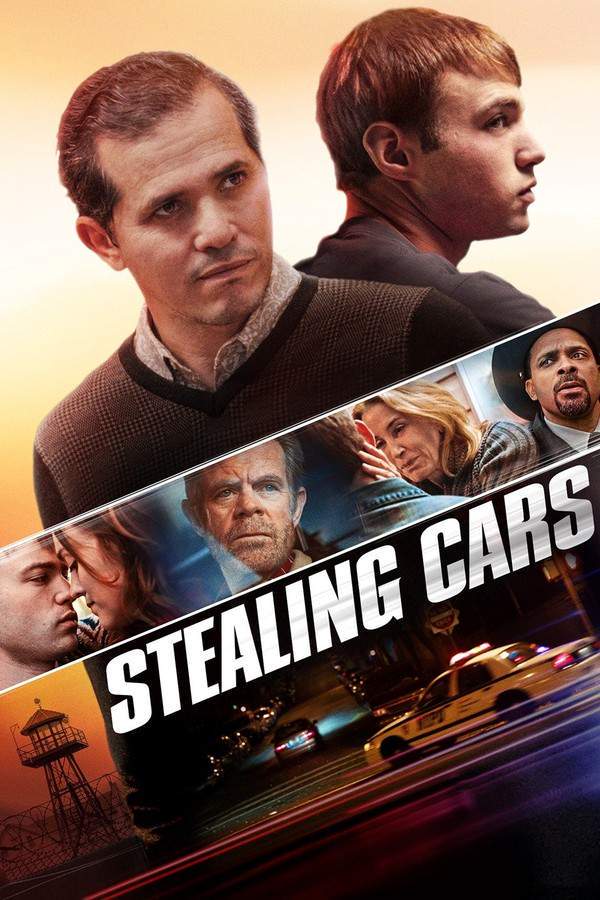
Stealing Cars (2016) movie poster

Characters & Themes

Stealing Cars (2016) Characters, Setting & Themes Explained

Release, runtime and language
2016 · 94 min · English
Directed by
Bradley Kaplan

Billy Wyatt is a bright young man whose delinquent behavior leads to his placement in the Bernville Youth Detention Center. Inside, he faces hardened criminals and a staff that isn't always understanding. His rebellious nature earns him the respect of some fellow inmates, but he struggles to gain favor with the employees. It becomes evident that the system is failing boys like Billy, and the institution's attempts to control him only backfire, leading to escalating tensions and a desperate search for understanding.

On this page (8)
  1. 1 Where to watch
  2. 2 Characters explained (5)
  3. 3 Where & when it takes place
  4. 4 Themes & meaning (2)
  5. 5 Character & meaning questions
  6. 6 Movie threads
  7. 7 Movies like Stealing Cars
  8. 8 Every angle

Where to watch

Where to Watch Stealing Cars (2016)

Where can you watch Stealing Cars? Stream, rent or buy it in the US, including on YouTube Free, Amazon Video and Apple TV Store: current JustWatch availability with up-to-date prices.

Streaming availability powered by JustWatch

5 main characters · contains spoilers

Stealing Cars Characters Explained: Who Is Who

The main characters of Stealing Cars (2016), heroes and villains: what drives them, how they change over the course of the story and what each of them reveals about the film's bigger ideas.

  • Billy Wyatt

    Billy Wyatt, the film's protagonist, is a complex character navigating the challenges of his environment and personal history. Initially appearing apathetic, his charm and intelligence earn him respect among his peers. As the story unfolds, Billy's journey reflects his struggle to reconcile his past with a desire for redemption.

    • 👦 Youth
    • 🚔 Troublemaker
    • 🤝 Friendship
  • Nathan Stein

    Nathan Stein is a fragile inmate who forges a crucial bond with Billy. Despite his vulnerability, Nathan's character represents the hope and resilience found in friendship. His well-being significantly impacts Billy's choices, serving as a catalyst for Billy's transformation throughout the film.

    • 💔 Vulnerability
    • 🌟 Hope
    • 🤝 Friendship
  • Montgomery De La Cruz

    Montgomery, the camp's director, embodies authority and conflict in Billy's journey. His manipulation of circumstances causes friction between him and Billy, revealing his complex motivations rooted in personal loss. Montgomery's character serves as a mirror to Billy's struggles, fostering themes of guilt and redemption.

    • 👮 Authority
    • ⚖️ Conflict
    • 💔 Grief
  • Conrad Sean Lewis

    Conrad Sean Lewis is portrayed as a cruel head guard who embodies the harsh realities of the juvenile detention system. His antagonistic relationship with Billy highlights the challenges inmates face from authoritative figures. Conrad's character adds tension to the narrative, representing the oppression that complicates rehabilitation.

    • 🚔 Oppression
    • ⚔️ Conflict
    • 😡 Antagonist
  • Tina Simms

    Tina Simms is a compassionate nurse who is battling her past as a drug addict. Her character serves as a source of support for Billy, illustrating the theme of redemption through her desire to help others. Tina's journey is intertwined with Billy's, as both seek to overcome their confrontations with past demons.

    • 💪 Recovery
    • 💖 Compassion
    • 🤝Support

Last updated: October 22, 2024 at 21:21

Was this helpful?

Setting

Where and When Does Stealing Cars Take Place?

The setting of Stealing Cars (2016): the year and time period, the places and locations, and how they shape the characters, the mood and the tension of the story.

Time period

Location

Juvenile Detention Camp

The juvenile detention camp serves as the primary setting for the film, representing a place of confinement but also a community of troubled youth. It is known for its strict rules and the challenges inmates face in addressing their past behaviors. The camp's construction of a drive-in movie theater symbolizes the effort to provide a sense of humanity and normalcy amidst the harsh environment.

  • 🏢 Facility
  • 🎬 Community
  • 🚗 Drive-in

Last updated: October 22, 2024 at 21:21

Was this helpful?

2 major themes

Stealing Cars Meaning: Themes & Message Explained

What is Stealing Cars (2016) really about? The emotional, social and philosophical themes the film keeps returning to, its symbolism and the message beneath the surface.

  • Redemption

    The theme of redemption is prevalent in Billy Wyatt's journey through juvenile detention. His initial indifference is challenged as he forms meaningful connections, especially with Nathan and Nurse Simms. The drive-in project represents a pivotal step towards finding purpose and community, illustrating that even in confinement, change is possible.

  • Loss & Guilt

    Billy's struggle with the guilt of his father's death deeply affects his actions and relationships. The tragic circumstances surrounding his father's accident haunt him, portraying how unresolved trauma can influence behavior. This theme is echoed in the camp director's own loss, highlighting the complexities of grief and its impact on personal growth.

Last updated: October 22, 2024 at 21:21

Was this helpful?

Character & theme questions

Stealing Cars Characters & Meaning: Your Questions Answered

The questions people ask about Stealing Cars (2016): who the characters really are, their relationships, what the symbols mean, where it takes place and what the movie is really about. Each answer contains spoilers.

Q1

Where is the movie set?

The film takes place primarily in a juvenile detention camp, a restrictive facility housing troubled youth. The camp features strict rules and serves as both a place of confinement and a community for its residents. Notably, the camp undertakes a project to build a drive-in movie theater, which becomes a symbol of humanity within the harsh environment.

  • juvenile detention camp
  • facility
  • setting
  • drive-in theater
Q2

What are the main themes explored in the film?

The movie explores two central themes. First is redemption, shown through Billy Wyatt's transformation as he forms meaningful connections with others and finds purpose through the drive-in project. Second is loss and guilt, particularly Billy's unresolved grief over his father's death, which profoundly influences his behavior and relationships throughout the story.

  • redemption
  • loss
  • guilt
  • themes
  • grief
Q3

Who is the main character Billy Wyatt?

Billy Wyatt is the film's protagonist, a bright young man whose delinquent behavior leads to his placement in the Bernville Youth Detention Center. He initially appears apathetic but his charm and intelligence earn him respect among fellow inmates. Throughout the story, Billy struggles to reconcile his past with his desire for redemption, making him a complex figure navigating both his environment and personal history.

  • billy wyatt
  • protagonist
  • main character
Q4

Who is Nathan Stein and what role does he play?

Nathan Stein is a fragile inmate who forms a crucial friendship with Billy Wyatt. Despite his vulnerability, Nathan represents hope and resilience found in friendship. His well-being significantly impacts Billy's choices, serving as a catalyst for Billy's transformation throughout the film.

  • nathan stein
  • inmate
  • friend
  • friendship
Q5

Who is the camp director Montgomery De La Cruz?

Montgomery De La Cruz is the director of the juvenile detention camp. He embodies authority and conflict in Billy's journey, manipulating circumstances to create friction between himself and Billy. His complex motivations are rooted in personal loss, which mirrors Billy's own struggles with guilt and redemption.

  • montgomery de la cruz
  • camp director
  • authority
Q6

Who is Nurse Tina Simms?

Tina Simms is a compassionate nurse at the detention camp who is battling her past as a drug addict. Her character exemplifies the theme of redemption through her desire to help others. Her journey becomes intertwined with Billy's as both seek to overcome their confrontations with past demons.

  • tina simms
  • nurse
  • redemption
  • support
Q7

Who is Conrad Sean Lewis?

Conrad Sean Lewis is the head guard at the juvenile detention facility, portrayed as a cruel figure who embodies the harsh realities of the system. His antagonistic relationship with Billy highlights the challenges inmates face from authoritative figures, adding tension to the narrative and representing the oppression that complicates rehabilitation.

  • conrad sean lewis
  • head guard
  • antagonist
  • oppression
Q8

How is redemption portrayed in the movie?

Redemption is portrayed through Billy Wyatt's journey from initial indifference to forming meaningful connections, particularly with Nathan and Nurse Simms. The drive-in movie theater project represents a pivotal step toward finding purpose and community, demonstrating that even in confinement, personal transformation and change are possible.

  • redemption theme
  • drive-in project
  • transformation
Q9

How does loss and guilt affect Billy's character?

Billy's struggle with the guilt of his father's death deeply affects his actions and relationships throughout the film. The tragic circumstances surrounding his father's accident haunt him, showing how unresolved trauma can influence behavior. This theme is echoed in the camp director's own loss, highlighting the complexities of grief and its impact on personal growth.

  • father death
  • guilt
  • trauma
  • grief
  • loss
Q10

What is the juvenile detention camp like?

The juvenile detention camp serves as the primary setting, representing both confinement and a community of troubled youth. It is known for its strict rules and the challenges inmates face in addressing their past behaviors. The camp's construction of a drive-in movie theater symbolizes the effort to provide a sense of humanity and normalcy amidst the harsh environment.

  • juvenile detention
  • facility
  • rules
  • drive-in

Movie threads

More Movies Like Stealing Cars, by Mood & Story

Curated lists built around what makes Stealing Cars tick: the same mood, the same kind of story or the same emotional payoff. Each list explains why these movies belong together.

Movies about rebellion in a broken system like Stealing Cars

Desperate characters fighting back against oppressive and failing institutions. If you liked the tense struggle against institutional failure in Stealing Cars, you'll find similar stories here. These movies feature protagonists fighting back against oppressive systems, capturing themes of defiance, desperation, and the search for justice in a corrupt world.

  • rebellious
  • tense
  • oppressive
  • desperate
  • cathartic
  • anxious
  • Tone: tense, oppressive, rebellious
  • Pacing: steady, building tension
Why these movies?

The story pattern: The narrative follows a protagonist who enters or is trapped within an oppressive system, such as a prison, school, or government agency. As they witness or experience injustice, their initial compliance turns into a calculated or desperate rebellion, forcing them to make difficult moral choices that challenge the system's authority.

Why they belong together: Movies are grouped here because they share a core conflict of an individual versus an oppressive institution. They generate tension through power imbalances and systemic critique, often featuring a morally ambiguous hero and a heavy, emotionally charged atmosphere.


Cathartic confinement dramas with a tense atmosphere like Stealing Cars

Intense character studies set in closed worlds, leading to emotional release. Fans of the tense, institution-set drama in Stealing Cars will appreciate these films. They explore characters under pressure in closed settings, building towards a powerful and often bittersweet emotional release that mirrors the cathartic journey in Stealing Cars.

  • tense
  • claustrophobic
  • oppressive
  • cathartic
  • melancholic
  • desperate
  • Tone: tense, melancholic, cathartic
  • Pacing: steady, methodical build
Why these movies?

The story pattern: The story unfolds primarily within a single, restrictive location that symbolizes the characters' struggles. internal conflicts and complex relationships between inhabitants (and their wardens) escalate under the pressure of confinement. The plot builds steadily towards a climactic event that provides a sense of release or reckoning, though not always a happy ending.

Why they belong together: These films are connected by their use of a claustrophobic setting as a catalyst for drama. They share a similar pacing that builds tension methodically, a high emotional weight, and a narrative arc that aims for a powerful, cathartic payoff despite often bleak circumstances.

If you liked this

Movies Like Stealing Cars

Similar movies to Stealing Cars: the same genre, themes or kind of story. Each one comes with its own plot summary, timeline and ending explained.

Browse all movie summaries

Every angle

Stealing Cars (2016) Explained: Plot, Timeline & Characters

Everything about Stealing Cars in one place: what happens in the plot summary, the timeline in chronological order, the characters and meaning and a spoiler-free summary. What's After the Movie adds the cast, box office and post-credit scenes.

Coming soon on iOS and Android

The Plot Explained Movie Summary App

Plot summaries, endings explained and timelines on your phone. Catch up on any movie in minutes, save your favorites and never miss a twist again.

Be the first to know when we launch. Your email stays private, always.

Learn more about the app