After a minor offense and a drunken joyride, the teenage delinquent is placed in jail overnight by his parents hoping the experience will teach him a lesson. Instead, a series of unexpected events keep him incarcerated far longer than anyone anticipated, turning a brief punishment into a nightmarish ordeal.
Find where to stream, rent, or buy In the Custody of Strangers (1982) in the US with current JustWatch availability, up-to-date pricing, and platform listings for subscription, rental, and digital purchase options.
Warning: spoilers below!
Haven’t seen In the Custody of Strangers yet? This summary contains major spoilers. Bookmark the page, watch the movie, and come back for the full breakdown. If you're ready, scroll on and relive the story!
Read the complete plot breakdown of In the Custody of Strangers (1982), including all key story events, major twists, and the ending explained in detail. Discover what really happened, and what it all means.
Based on a true story, Danny Caldwell is an angry small-town teen whose Frank Caldwell has been laid off and can’t find a decent job. His Sandy Caldwell works to provide for the family of five. Danny, frustrated with the town, longs to work or leave, but often clashes with his father, who believes a man should provide for the family, not his wife, and certainly not the boy. The film sets a quiet, tense stage where pride and survival bump against the limits of opportunity.
Danny and Frank are frequently at odds, and the teen slips into trouble, including mischief and petty theft. One night, while Danny Caldwell is out joyriding and drinking, he crashes into a police car and ends up in jail. Frank hopes a night behind bars might straighten him out, but the consequences unfold in a system that traps him: a backlog in probation, isolation due to laws prohibiting contact between juvenile and adult prisoners under the guise of protection, and a frustrated warden Kenneth McMillan who wants to keep Danny out of the adult jail but is bound by the court.
Meanwhile, Frank Caldwell gets a job in Ohio and the family must move, seeking a fresh start. At the trial, the assault charges are dropped and Danny Caldwell is charged only with drunk driving and operating without a license. He is sentenced to time served and released. In the courtroom, his parents speak honestly about the mistakes that led to this moment and call for changes in how society treats troubled youth. Danny returns home forever altered by his time behind bars, carrying the quiet, lasting imprint of a system that both protected and punished him.
Last updated: October 09, 2025 at 14:50
Explore frequently asked questions about In the Custody of Strangers (1982) with spoiler-rich answers covering the full plot summary, major story beats, character motivations, hidden details, and ending meaning. This movie summary FAQ helps explain confusing scenes, plot twists, and narrative decisions in clear, searchable detail.
Danny remained incarcerated for six weeks because of a backlog in the probation department and court scheduling delays. What was intended as a brief overnight stay extended dramatically due to systemic bureaucracy. Additionally, laws prohibited contact between juvenile and adult prisoners, which limited the warden's options for transferring Danny to a more appropriate facility.
Frank's belief that a night in jail would straighten Danny out foreshadows the ironic outcome of prolonged confinement.
Danny was kept isolated because of laws separating juvenile offenders from adult inmates. The policy was intended to protect young people from harsher prison conditions, but it resulted in Danny spending much of his time alone. The warden, Kenneth McMillan, was frustrated by this constraint and wanted to place Danny in the adult jail where there would be more activity and interaction, but the court's rules prevented this.
The tense family dynamics at the beginning of the film establish the isolation Danny would later experience.
The assault charges against Danny were dropped entirely by the time of his trial. He was only charged with drunk driving and operating without a license. The judge sentenced him to time served, meaning the six weeks he already spent in jail were considered sufficient punishment, and he was released.
The summary hints at the gap between initial accusations and final charges, suggesting the system overstated the case.
Frank Caldwell obtained a new job in Ohio, providing the family with a fresh start and potential economic stability. The move occurred during Danny's incarceration, creating a complicated situation where the family had to relocate while their son remained trapped in the local justice system. This decision added further strain to the family dynamic.
The family's financial struggles and Frank's unemployment established the pressure that drove him to accept the Ohio opportunity.
Warden Kenneth McMillan was frustrated because he wanted to help Danny avoid the adult jail, but his hands were tied by the court's rules and the juvenile detention policies. Despite recognizing that prolonged isolation was harmful, the warden could not override the system. He was bound by legal constraints that kept Danny in limbo until the court scheduled a hearing.
The warden's desire to protect Danny contrasts with the system's failure to provide adequate juvenile facilities.
At the trial, the prosecution dropped the serious assault charges and reduced the case to minor offenses - drunk driving and operating without a license. Since Danny had already spent six weeks in jail, the judge considered this sufficient punishment and sentenced him to time served. This lighter outcome highlighted how the initial serious allegations did not hold up under legal scrutiny.
The escalation from a minor traffic incident to serious charges early on set up the eventual reduction at trial.
In the courtroom, Danny's parents openly acknowledged their mistake in allowing him to remain in jail and called for systemic changes in how the legal system treats troubled youth. They urged authorities to reform the approach to juvenile offenders, advocating for rehabilitation over punishment. Their statements transformed their personal family tragedy into a public call for change.
The parents' earlier clash with Danny about responsibility and masculinity framed their later recognition of systemic failure.
Danny returned home forever altered by his six weeks in custody. The experience left a lasting imprint, transforming his outlook and ambitions. He carried the weight of confinement and the stigma of incarceration, which began reshaping his perception of opportunity and his place in society. The summary describes him as permanently changed by the system's dual role of protection and punishment.
Danny's initial frustration with his small town and desire to leave foreshadowed how the experience would fundamentally change his life trajectory.
Frank Caldwell believed that a night in jail would straighten his son out and serve as tough love. Facing his own unemployment and inability to provide for the family, Frank clung to traditional notions of masculinity and paternal control. He hoped the experience would teach Danny discipline and redirect his path, not realizing the system would keep his son trapped far longer than intended.
Frank's belief in harsh discipline as a solution established the tragic irony of his decision.
The law requiring separation of juvenile and adult prisoners is designed to protect young offenders from abuse, exploitation, and harsher environmental influences found in adult facilities. However, in Danny's case, this well-intentioned policy resulted in extended isolation with limited access to programs or interaction. The warden noted this created a problematic situation where protection inadvertently became its own form of punishment.
Discover curated groups of movies connected by mood, themes, and story style. Browse collections built around emotion, atmosphere, and narrative focus to easily find films that match what you feel like watching right now.
Ordinary individuals crushed by the machinery of uncaring systems.If the tense portrayal of a broken system in In the Custody of Strangers resonated with you, explore these other films. This list features movies like In the Custody of Strangers where individuals face the overwhelming power of institutions, creating similar stories of frustration and heavy social commentary.
Stories in this thread typically follow a protagonist who enters a system expecting fairness or reason, only to be trapped by its inefficiency, corruption, or rigid rules. The conflict escalates not through external villains but through the system's inherent coldness, turning a manageable situation into a nightmarish ordeal that leaves the character forever changed.
These films are grouped together because they share a core theme of powerlessness against large institutions. They create a specific, oppressive mood built on bureaucratic tension and a sense of injustice, often featuring a steady pacing that allows the dread of entrapment to build methodically.
Young protagonists whose innocence is lost through a difficult, transformative ordeal.If you appreciated the heavy, transformative journey of the teenager in In the Custody of Strangers, you'll find similar movies here. These stories feature young characters facing harsh realities, leading to a bittersweet ending that reflects a permanent loss of innocence, much like the experience in In the Custody of Strangers.
The narrative pattern involves a youthful character making a mistake or encountering a crisis that propels them into an adult world of consequences. The central ordeal serves as a brutal catalyst for maturity. The story arc is less about joyful discovery and more about survival, ending with a resolution that acknowledges the character's growth but also the profound cost of their traumatic experience.
These movies are united by their focus on a painful, non-idealized path to adulthood. They share a heavy emotional weight, a serious tone, and a pacing that allows the full impact of the ordeal to settle. The defining feature is the bittersweet conclusion, where survival and wisdom are tempered by lasting emotional scars.
Don't stop at just watching - explore In the Custody of Strangers in full detail. From the complete plot summary and scene-by-scene timeline to character breakdowns, thematic analysis, and a deep dive into the ending - every page helps you truly understand what In the Custody of Strangers is all about. Plus, discover what's next after the movie.
Track the full timeline of In the Custody of Strangers with every major event arranged chronologically. Perfect for decoding non-linear storytelling, flashbacks, or parallel narratives with a clear scene-by-scene breakdown.
Discover the characters, locations, and core themes that shape In the Custody of Strangers. Get insights into symbolic elements, setting significance, and deeper narrative meaning - ideal for thematic analysis and movie breakdowns.
Discover movies like In the Custody of Strangers that share similar genres, themes, and storytelling elements. Whether you’re drawn to the atmosphere, character arcs, or plot structure, these curated recommendations will help you explore more films you’ll love.
In the Custody of Strangers (1982) Scene-by-Scene Movie Timeline
In the Custody of Strangers (1982) Movie Characters, Themes & Settings
In the Custody of Strangers (1982) Spoiler-Free Summary & Key Flow
Movies Like In the Custody of Strangers – Similar Titles You’ll Enjoy
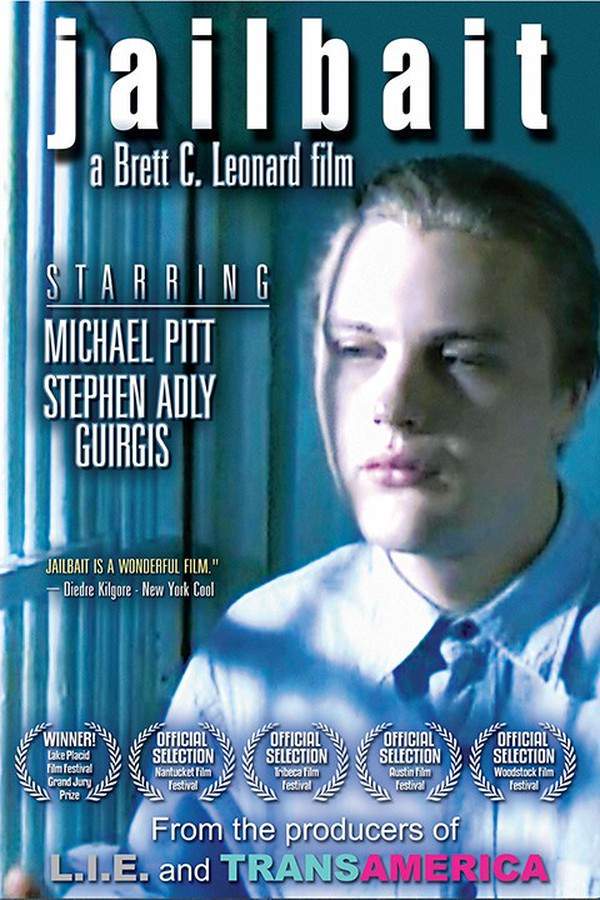
Jailbait (2006) Spoiler-Packed Plot Recap
With Prisoners (2017) Detailed Story Recap
Custody (2007) Movie Recap & Themes
In the Best Interest of the Child (1990) Story Summary & Characters
In a Stranger’s Hand (1991) Movie Recap & Themes
Locked Up: A Mother’s Rage (1991) Ending Explained & Film Insights
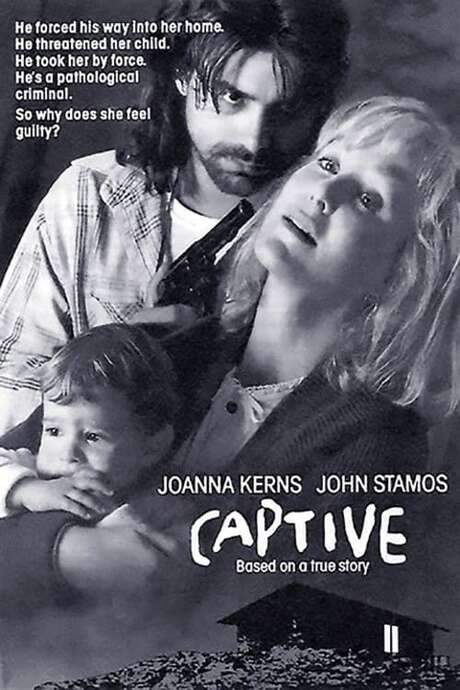
Captive (1991) Full Movie Breakdown
Crime of Innocence (1985) Ending Explained & Film Insights
The Young Stranger (1957) Complete Plot Breakdown
Born Innocent (1974) Full Summary & Key Details
Strangers in the House (1942) Ending Explained & Film Insights
Abduction of Innocence (1996) Plot Summary & Ending Explained
What Kind of Mother Are You? (1996) Movie Recap & Themes
A Stranger’s Child (2024) Ending Explained & Film Insights
Child in the House (1956) Film Overview & Timeline