






Plot Explained Spoilers guaranteed!
Plot Explained

Browse by genre

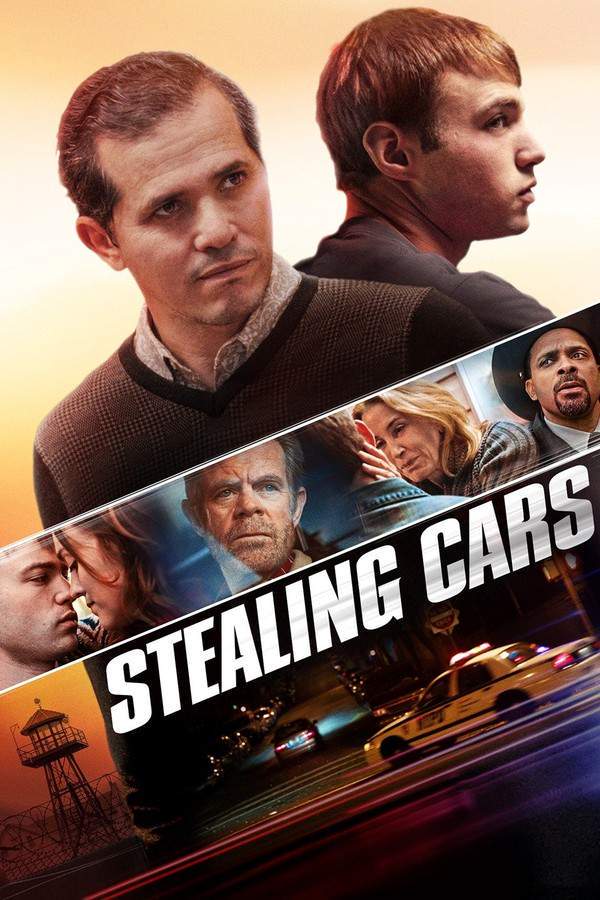
Stealing Cars (2016) movie poster

Plot Summary

Stealing Cars (2016) Plot Summary Explained

Release, runtime and language
2016 · 94 min · English
Directed by
Bradley Kaplan

Billy Wyatt is a bright young man whose delinquent behavior leads to his placement in the Bernville Youth Detention Center. Inside, he faces hardened criminals and a staff that isn't always understanding. His rebellious nature earns him the respect of some fellow inmates, but he struggles to gain favor with the employees. It becomes evident that the system is failing boys like Billy, and the institution's attempts to control him only backfire, leading to escalating tensions and a desperate search for understanding.

On this page (6)
  1. 1 Where to watch
  2. 2 What happens: full plot
  3. 3 Plot questions answered
  4. 4 Movie threads
  5. 5 Movies like Stealing Cars
  6. 6 Every angle

Where to watch

Where to Watch Stealing Cars (2016)

Where can you watch Stealing Cars? Stream, rent or buy it in the US, including on YouTube Free, Amazon Video and Apple TV Store: current JustWatch availability with up-to-date prices.

Streaming availability powered by JustWatch

Full plot summary · contains spoilers

What Happens in Stealing Cars: Full Plot Summary

The whole story of Stealing Cars (2016) explained, from the opening scene to the final frame: every key event, every twist and what it all adds up to. Read it as a quick recap before the sequel, to check a scene you missed, or to finally understand what really happened.

After being involved in a series of criminal activities, notably vehicular theft, Billy Wyatt finds himself in a juvenile detention camp. There, he forges a close friendship with Nathan Stein, a fragile inmate, and quickly rises in rank within the camp due to his natural charm and sharp intellect. He gains the admiration of his fellow inmates, including the intimidating Carlos and the formidable Jerome Timmons 'J.T.' Dye. However, Billy's apparent apathy towards those aiming to assist in his rehabilitation leads to tensions with the camp's director, Montgomery De La Cruz, and the cruel head guard, Conrad Sean Lewis. During his time there, he also develops a connection with Tina Simms, a nurse battling her past as a drug addict, and Emmit Till, the local sheriff who seems earnest in offering his support.

As part of his efforts to integrate, Billy orchestrates a community project to construct a drive-in movie theater for the camp's residents. Once the theater is completed, Montgomery approaches Billy with an offer to transition him from manual labor to managing the director’s personal items, including a cherished car. To motivate Billy, Montgomery exploits the tragedy surrounding the death of Billy’s father, Philip, in a car accident—a tragedy for which Billy carries deep guilt. Montgomery reveals that he too suffered the loss of his father under similarly tragic circumstances. However, this new role isolates Billy from his peers, culminating in a violent incident where Nathan is viciously attacked and restrained to a basketball post.

When Billy uncovers that Montgomery deceived him about his father's death, he retaliates by assaulting him. With the help of Nurse Simms, Billy steals Montgomery's car, intending to rush Nathan to the hospital. Although Montgomery attempts to thwart Billy's escape, he receives unexpected backing from his fellow inmates, while both Conrad and Sheriff Till stand down, allowing Billy to leave. After dropping off Nathan and Nurse Simms at the hospital, Billy returns home to reconcile with his mother, Kimberly, before the authorities apprehend him once again.

Last updated: November 16, 2024 at 18:59

Was this helpful?

Plot questions answered

Stealing Cars Plot Explained: Your Questions Answered

The questions people ask most about Stealing Cars (2016): what happens in the confusing scenes, why the characters do what they do, the twists, hidden details and what the ending means. Each answer contains spoilers.

Q1

Why does Billy attack Montgomery?

Billy attacks Montgomery after discovering that Montgomery deceived him about his father's death. Montgomery had used Billy's deep guilt over his father's car accident to manipulate him, revealing he too lost his father similarly. When Billy uncovers this was a lie designed to gain his trust and control him, he retaliates violently, marking his breaking point with the manipulative authority figure.

Foreshadowing: Earlier, Montgomery exploits Billy's emotional vulnerability by referencing his father's death to motivate him, planting the seeds for this betrayal.

  • billy wyatt
  • montgomery
  • assault
  • betrayal
  • father death
Q2

What does Montgomery lie about regarding Billy's father?

Montgomery claims he also lost his father in a car accident, using this shared tragedy to manipulate Billy into trusting him. This lie is designed to exploit Billy's guilt over his father's death and strengthen his control over Billy. When Billy discovers the truth, it shatters the false connection Montgomery built and drives Billy to violence.

Foreshadowing: Montgomery's offer to Billy comes right after referencing the painful memory of Billy's father, making the manipulation apparent in hindsight.

  • montgomery
  • father death
  • deception
  • manipulation
  • car accident
Q3

Why does Nathan get attacked at the detention camp?

Nathan gets attacked specifically because Billy's new role managing Montgomery's personal items, including his cherished car, isolates him from his fellow inmates. This isolation angers the other prisoners who feel Billy has abandoned them for privileges from authority. The attack on Nathan, who is Billy's closest friend, is a direct message to Billy about the consequences of his perceived betrayal of the inmate community.

Foreshadowing: Billy's rise in the camp hierarchy and his subsequent special treatment create tension with his earlier bonds with inmates like Carlos and J.T.

  • nathan stein
  • attack
  • isolation
  • inmate hierarchy
  • basketball post
Q4

How does Billy escape from the juvenile detention center?

Billy escapes by stealing Montgomery's car with help from Nurse Simms. After assaulting Montgomery upon discovering the deception about his father, Billy uses Montgomery's car to rush Nathan, who was viciously attacked and needed emergency medical care, to the hospital. Nurse Simms assists in the escape, and both Conrad (the usually cruel guard) and Sheriff Till unexpectedly allow Billy to leave rather than stop him.

Foreshadowing: The drive-in theater project and Billy's new role managing Montgomery's car literally give him access to the vehicle that enables his escape.

  • escape
  • nurse Simms
  • car theft
  • hospital
  • detention center
Q5

Why does Nurse Simms help Billy escape?

Nurse Simms helps Billy because she sees his situation as connected to her own struggles. She is battling her past as a drug addict and understands what it means to be trapped by circumstances and systemic failure. Her empathy toward Billy stems from recognizing his genuine need and seeing an opportunity to act on her own values of compassion rather than institutional loyalty.

Foreshadowing: Earlier, Billy and Nurse Simms develop a connection based on their shared experiences with addiction and institutional failure.

  • nurse simms
  • tina simms
  • help
  • drug addict
  • escape
Q6

Why do the inmates support Billy during his escape?

The inmates support Billy because despite his new privileged role, they recognize his genuine loyalty to Nathan and his core character. When Billy chooses to save Nathan rather than protect his own position, the other inmates rally behind him. This solidarity demonstrates that the bonds Billy built through his charm, intellect, and respect for others, especially his friendship with fragile Nathan, remain stronger than any resentment over his temporary elevation.

Foreshadowing: Billy's earlier friendship with Nathan and his respectful relationships with intimidating inmates like Carlos and J.T. establish the trust that enables this support.

  • inmates
  • support
  • solidarity
  • escape
  • carlos
  • j.t. dye
Q7

Why does Conrad the guard let Billy escape?

Conrad, the notoriously cruel head guard, stands down during Billy's escape for unclear but symbolically significant reasons. While the film doesn't explicitly explain his choice, it suggests that even someone as harsh as Conrad recognizes the moral weight of the situation, Billy is saving a dying friend rather than acting out of selfish motives. This moment highlights the film's theme that humanity can exist even within oppressive systems.

Foreshadowing: Conrad's cruelty throughout the film makes his sudden inaction a striking contrast that hints at deeper recognition of right and wrong.

  • conrad sean lewis
  • guard
  • escape
  • detention center
Q8

Why does Sheriff Till allow Billy to leave?

Sheriff Till allows Billy to leave because he was genuinely earnest in offering support throughout Billy's time at the camp. Unlike the other authority figures who fail Billy, Sheriff Till represents a more sympathetic adult figure who recognizes that Billy's actions, rushing a injured friend to the hospital, are driven by loyalty and necessity rather than criminal intent. His choice to stand down reflects his understanding that the system itself has failed Billy.

Foreshadowing: Earlier, Sheriff Till is described as earnest in offering support to Billy, distinguishing him from Montgomery and Conrad.

  • sheriff till
  • emmit till
  • escape
  • support
  • authorities
Q9

Why does Billy steal Montgomery's car?

Billy steals Montgomery's car primarily to rush Nathan to the hospital. Nathan has been viciously attacked and restrained to a basketball post, suffering serious injuries that require immediate medical attention. The car is Billy's only means of transporting Nathan to get help quickly. Additionally, Billy is motivated by his anger at Montgomery's deception about his father's death, making the theft also an act of defiance against the manipulative director.

Foreshadowing: Montgomery's offer to Billy includes managing his cherished car, literally putting the vehicle within Billy's reach for this critical moment.

  • stealing car
  • montgomery
  • nathan
  • hospital
  • escape
Q10

What happens to Billy after he drops Nathan at the hospital?

After successfully getting Nathan and Nurse Simms to the hospital, Billy makes a deliberate choice to return home and reconcile with his mother Kimberly before the authorities can apprehend him again. This final act demonstrates Billy's character growth, he prioritizes healing his relationship with his mother over continuing to run. However, his reconciliation is bittersweet because the authorities do eventually catch him, suggesting the cyclical nature of his struggles rather than a clean escape from the system.

Foreshadowing: Billy's connection with his mother and his guilt over his actions against her have been present throughout, making this reunion a meaningful emotional payoff.

  • kimberly
  • mother
  • reconciliation
  • arrest
  • home
  • ending
Q11

Why does Billy feel guilty about his father's death?

Billy carries deep guilt over his father Philip's death in a car accident, feeling somehow responsible for the tragedy. While the specific nature of his guilt isn't detailed, the summary indicates he believes he played a role in causing the accident. This guilt is a central emotional wound that Montgomery exploits to manipulate Billy, making Billy vulnerable to the director's false friendship and promises.

Foreshadowing: Montgomery specifically uses this guilt to motivate Billy when offering him the privileged position, demonstrating how well he knows Billy's psychological vulnerabilities.

  • philip
  • father
  • car accident
  • guilt
  • death
Q12

Why does Billy propose building a drive-in theater at the camp?

Billy proposes building a drive-in theater as a community project to integrate more positively within the camp and earn favor with the staff. The project serves multiple purposes: it channel's Billy's leadership abilities, provides a constructive activity for inmates, and represents his attempt to create something meaningful rather than simply survive or rebel. The theater becomes a symbol of hope and creativity within the oppressive institution.

Foreshadowing: Billy's natural charm and sharp intellect enable him to orchestrate this project successfully, earning recognition from camp staff.

  • drive-in theater
  • project
  • community
  • camp
  • inmates

Movie threads

More Movies Like Stealing Cars, by Mood & Story

Curated lists built around what makes Stealing Cars tick: the same mood, the same kind of story or the same emotional payoff. Each list explains why these movies belong together.

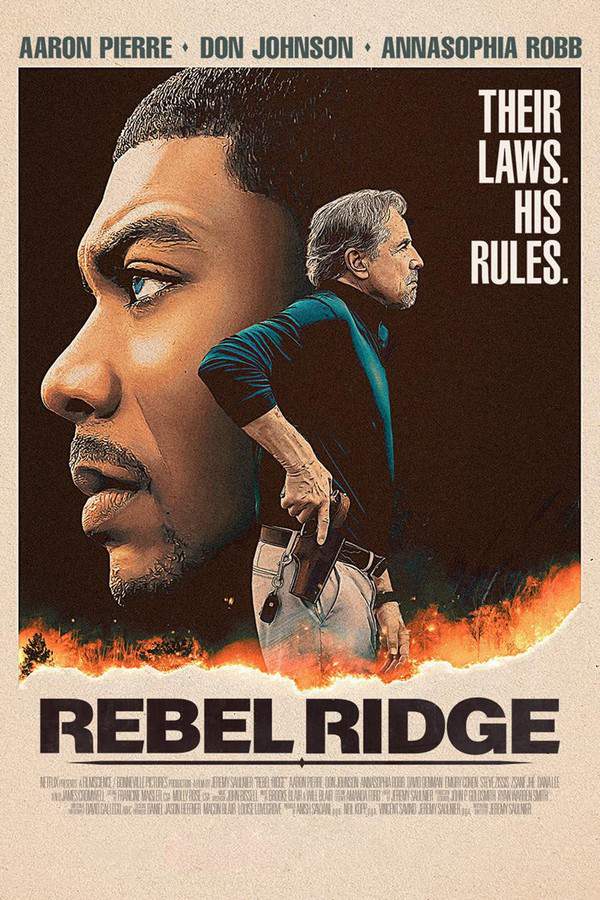
Movies about rebellion in a broken system like Stealing Cars

Desperate characters fighting back against oppressive and failing institutions. If you liked the tense struggle against institutional failure in Stealing Cars, you'll find similar stories here. These movies feature protagonists fighting back against oppressive systems, capturing themes of defiance, desperation, and the search for justice in a corrupt world.

  • rebellious
  • tense
  • oppressive
  • desperate
  • cathartic
  • anxious
  • Tone: tense, oppressive, rebellious
  • Pacing: steady, building tension
Why these movies?

The story pattern: The narrative follows a protagonist who enters or is trapped within an oppressive system, such as a prison, school, or government agency. As they witness or experience injustice, their initial compliance turns into a calculated or desperate rebellion, forcing them to make difficult moral choices that challenge the system's authority.

Why they belong together: Movies are grouped here because they share a core conflict of an individual versus an oppressive institution. They generate tension through power imbalances and systemic critique, often featuring a morally ambiguous hero and a heavy, emotionally charged atmosphere.


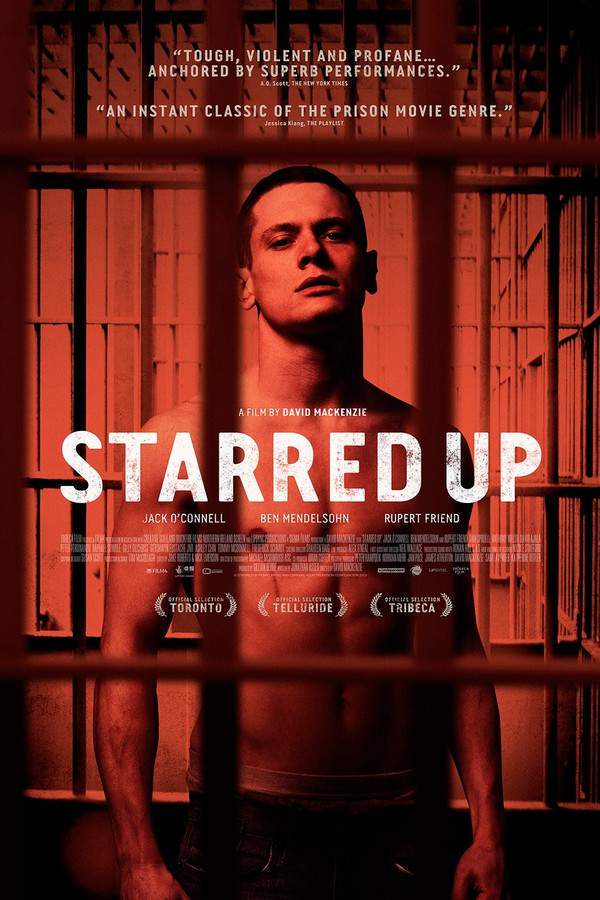
Cathartic confinement dramas with a tense atmosphere like Stealing Cars

Intense character studies set in closed worlds, leading to emotional release. Fans of the tense, institution-set drama in Stealing Cars will appreciate these films. They explore characters under pressure in closed settings, building towards a powerful and often bittersweet emotional release that mirrors the cathartic journey in Stealing Cars.

  • tense
  • claustrophobic
  • oppressive
  • cathartic
  • melancholic
  • desperate
  • Tone: tense, melancholic, cathartic
  • Pacing: steady, methodical build
Why these movies?

The story pattern: The story unfolds primarily within a single, restrictive location that symbolizes the characters' struggles. internal conflicts and complex relationships between inhabitants (and their wardens) escalate under the pressure of confinement. The plot builds steadily towards a climactic event that provides a sense of release or reckoning, though not always a happy ending.

Why they belong together: These films are connected by their use of a claustrophobic setting as a catalyst for drama. They share a similar pacing that builds tension methodically, a high emotional weight, and a narrative arc that aims for a powerful, cathartic payoff despite often bleak circumstances.

If you liked this

Movies Like Stealing Cars

Similar movies to Stealing Cars: the same genre, themes or kind of story. Each one comes with its own plot summary, timeline and ending explained.

Browse all movie summaries

Every angle

Stealing Cars (2016) Explained: Plot, Timeline & Characters

Everything about Stealing Cars in one place: what happens in the plot summary, the timeline in chronological order, the characters and meaning and a spoiler-free summary. What's After the Movie adds the cast, box office and post-credit scenes.

Coming soon on iOS and Android

The Plot Explained Movie Summary App

Plot summaries, endings explained and timelines on your phone. Catch up on any movie in minutes, save your favorites and never miss a twist again.

Be the first to know when we launch. Your email stays private, always.

Learn more about the app