Plot Explained Spoilers guaranteed!
Plot Explained

Browse by genre

State of the Union (1948) movie poster

Characters & Themes

State of the Union (1948) Characters, Setting & Themes Explained

Release, runtime and language
1948 · 124 mins · English
Directed by
Frank Capra
Starring
Katharine Hepburn, Roger Moore, Irving Bacon, Adolphe Menjou, Margaret Hamilton, Lewis Stone

When a powerful industrialist is persuaded to launch a bid for the presidency, he discovers the campaign comes at a steep personal price. To secure the nomination he must navigate treacherous political maneuvering while confronting painful compromises that strain his marriage and test his convictions.

On this page (7)
  1. 1 Characters explained (5)
  2. 2 Where & when it takes place
  3. 3 Themes & meaning (3)
  4. 4 Character & meaning questions
  5. 5 Movie threads
  6. 6 Movies like State of the Union
  7. 7 Every angle

5 main characters · contains spoilers

State of the Union Characters Explained: Who Is Who

The main characters of State of the Union (1948), heroes and villains: what drives them, how they change over the course of the story and what each of them reveals about the film's bigger ideas.

  • Mary Matthews (Katharine Hepburn)

    Grant Matthews's estranged wife who publicly supports him despite knowing parts of the truth. She embodies moral restraint and political pragmatism, torn between personal love and public consequences. Her awareness of the manipulation around her shapes the campaign’s emotional core.

    • 🎭 Drama
    • 💼 Political
    • 🕊️ Morality
  • Grant Matthews (Spencer Tracy)

    An idealistic candidate who becomes increasingly consumed by the pursuit of the presidency and by the influence behind him. His evolution from hopeful reformer to a man who confesses his compromises drives the film’s moral tension. He ultimately withdraws, seeking to redeem his earlier promises.

    • 🎭 Drama
    • 🗳️ Politics
    • 🛡️ Integrity
  • Kay Thorndyke (Angela Lansbury)

    A powerful newspaper magnate who seeks the presidency through strategic manipulation and control of information. She operates as the unseen force behind the campaign, using media influence to steer events and suppress threats to her plan.

    • 🏛️ Media
    • 🧭 Power
    • 🔎 Control
  • Jim Conover (Adolphe Menjou)

    A seasoned Republican strategist who orchestrates the campaign’s dirty work. He justifies manipulation as a necessary evil in pursuit of victory, representing the dark pragmatic side of political campaigning.

    • 🧠 Strategy
    • 🗡️ Manipulation
    • 🗳️ Politics
  • Spike McManus (Van Johnson)

    The campaign manager who blends showmanship with backroom deals. He grows emotionally attached to Mary and shows genuine care amid the chaos, while also enabling the broader political machine’s calculations.

    • 🤝 Campaign
    • 💬 Communication
    • 💔 Compromise

Last updated: October 04, 2025 at 15:25

Was this helpful?

Setting

Where and When Does State of the Union Take Place?

The setting of State of the Union (1948): the year and time period, the places and locations, and how they shape the characters, the mood and the tension of the story.

Time period

1948

The narrative unfolds during the 1948 U.S. presidential campaign, a period of postwar optimism and political realignment. Prime-time media and newspapers shape public opinion, turning elections into national events. The film explores how ambition collides with democratic ideals amid a rapidly changing media landscape.

Location

Wichita, Detroit, Matthews home, United States

Set during the late 1940s in the United States, the story moves through campaign stops in cities like Wichita and Detroit and culminates in a nationwide broadcast from the Matthews home. The campaigns and media networks touch political nerves across the country. The Matthews home becomes the launchpad for a televised fireside chat that tests the candidates’ integrity.

  • 🗽 American politics
  • 🕰️ Postwar era

Last updated: October 04, 2025 at 15:25

Was this helpful?

3 major themes

State of the Union Meaning: Themes & Message Explained

What is State of the Union (1948) really about? The emotional, social and philosophical themes the film keeps returning to, its symbolism and the message beneath the surface.

  • Power and Integrity

    Grant Matthews starts with idealistic appeal but gradually yields to backroom pressures and deal-making. The story probes whether political power can be pursued without compromising personal values. Matthews’s confession and withdrawal embody a confrontation between ambition and integrity.

  • Media Influence

    Kay Thorndyke leverages her newspaper empire to steer the nomination, showing how media can shape political outcomes. The floods of telegrams and orchestrated speeches reveal the ways information can be manufactured for political ends. The film critiques the collision of press power with democratic process.

  • Love and Betrayal

    The affair between Matthews and Thorndyke complicates the bid for the presidency, highlighting personal dreams twisting public duty. Mary’s discovery of the extent of manipulation tests her loyalties and moral stance. Relationships become as consequential as policy in the climactic reveal.

Last updated: October 04, 2025 at 15:25

Was this helpful?

Character & theme questions

State of the Union Characters & Meaning: Your Questions Answered

The questions people ask about State of the Union (1948): who the characters really are, their relationships, what the symbols mean, where it takes place and what the movie is really about. Each answer contains spoilers.

Q1

Where is the movie set?

The film is set in the United States during the late 1940s, primarily following Grant Matthews's presidential campaign across key American cities including Wichita and Detroit. The story culminates at the Matthews family home, where a televised fireside chat delivers the film's climactic political and personal confrontation.

Foreshadowing: Early campaign scenes in midwestern cities establish the ambitious scope of Matthews's presidential bid before the stakes escalate to a national broadcast.

  • wichita
  • detroit
  • presidential campaign
  • united states
  • fireside chat
Q2

What time period does the movie portray?

State of the Union is set during the 1948 U.S. presidential campaign, a pivotal moment in American politics marked by postwar optimism and emerging television media. The film captures a transitional era when elections were transforming from local retail politics into national events driven by prime-time broadcasts and newspaper influence.

Foreshadowing: The emphasis on media manipulation hints at how the new television medium was reshaping political communication.

  • 1948
  • presidential campaign
  • postwar era
  • television
  • media landscape
Q3

What are the main themes explored in the film?

The film explores three interconnected themes: Power and Integrity examining whether political ambition can coexist with personal values; Media Influence showing how newspaper magnates like Kay Thorndyke can shape democratic outcomes through manufactured information; and Love and Betrayal revealing how personal affairs and marital deception directly impact public duty and political legitimacy.

Foreshadowing: Mary Matthews's quiet awareness of manipulation early in the campaign foreshadows her later moral confrontation with the truth.

  • power
  • integrity
  • media influence
  • betrayal
  • democratic process
Q4

Who is Grant Matthews and what drives him?

Grant Matthews is an idealistic industrialist turned presidential candidate whose campaign transforms him from a hopeful reformer into a man consumed by political ambition. His arc traces the moral cost of pursuing power, as he gradually yields to backroom deal-making until a televised confession forces him to choose between his ambitions and his integrity.

Foreshadowing: Matthews's initial idealistic rhetoric contrasts sharply with the compromises he later admits to on air.

  • grant matthews
  • presidential candidate
  • idealism
  • political ambition
  • compromise
Q5

Who is Kay Thorndyke and what is her role in the story?

Kay Thorndyke is a powerful newspaper magnate who operates as the unseen force behind Matthews's presidential campaign. She leverages her media empire to steer the nomination through orchestrated speeches and manufactured public opinion, using information control as a tool for political domination. Her hidden affair with Matthews represents the intersection of personal ambition and media power.

Foreshadowing: Thorndyke's control over the newspaper coverage establishes early that she operates far beyond the public eye.

  • kay thorndyke
  • newspaper magnate
  • media manipulation
  • campaign strategy
  • power
Q6

What is Mary Matthews's role in the story?

Mary Matthews is Grant Matthews's estranged wife who publicly supports his presidential bid despite knowing partial truths about his compromises. She embodies moral restraint and political pragmatism, torn between her personal love for Grant and her awareness of the manipulation surrounding the campaign. Her emotional journey forms the film's emotional core as she confronts the full extent of the deception.

Foreshadowing: Her quiet observation of the campaign's mechanics early on hints at her deeper understanding of the situation.

  • mary matthews
  • katharine hepburn
  • moral integrity
  • marriage
  • political campaign
Q7

How does the film portray media's influence on politics?

The film critiques the collision between press power and democratic process by showing how Kay Thorndyke's newspaper empire floods the country with orchestrated telegrams and speeches to manufacture public opinion. The 1948 setting captures a turning point where television and mass media begin transforming elections from grassroots retail politics into managed national narratives.

Foreshadowing: The campaign's reliance on coordinated media events previews the climactic televised confession that ultimately exposes the manipulation.

  • media influence
  • newspaper
  • television
  • public opinion
  • democratic process
Q8

What does the Power and Integrity theme represent in the movie?

The Power and Integrity theme examines whether political power can be pursued without sacrificing personal values. Grant Matthews's journey from idealistic appeal to backroom compromise represents the moral erosion that political ambition can cause. His ultimate withdrawal from the race embodies the film's stance that choosing integrity over power, though personally costly, represents a form of political redemption.

Foreshadowing: Matthews's campaign rhetoric about reform plants the seeds for his later moral reckoning.

  • political ambition
  • moral compromise
  • redemption
  • integrity
  • presidential race
Q9

Who are Jim Conover and Spike McManus in the film?

Jim Conover is a seasoned Republican strategist who orchestrates the campaign's darker operations, justifying manipulation as a necessary evil for victory. Spike McManus serves as the campaign manager who blends showmanship with backroom deals while developing genuine care for Mary Matthews amid the political chaos. Together they represent the pragmatic machinery running modern political campaigns.

Foreshadowing: Conover's early justification of dirty tricks establishes the ethical compromises that will accumulate throughout the campaign.

  • jim conover
  • spike mcmanus
  • campaign manager
  • political strategist
  • backroom deals
Q10

What is the film's message about democracy and politics?

The film presents a skeptical view of democratic processes in the media age, suggesting that ambition and manipulation can corrupt the presidential selection system. The 1948 setting allows the film to critique how rapidly changing media landscape, newspapers and emerging television, can be weaponized to manufacture consent rather than reflect genuine public will.

Foreshadowing: The shift from campaign stops in physical cities to a national television broadcast symbolizes the changing nature of political communication.

  • democracy
  • presidential election
  • media criticism
  • political corruption
  • 1948

Movie threads

More Movies Like State of the Union, by Mood & Story

Curated lists built around what makes State of the Union tick: the same mood, the same kind of story or the same emotional payoff. Each list explains why these movies belong together.

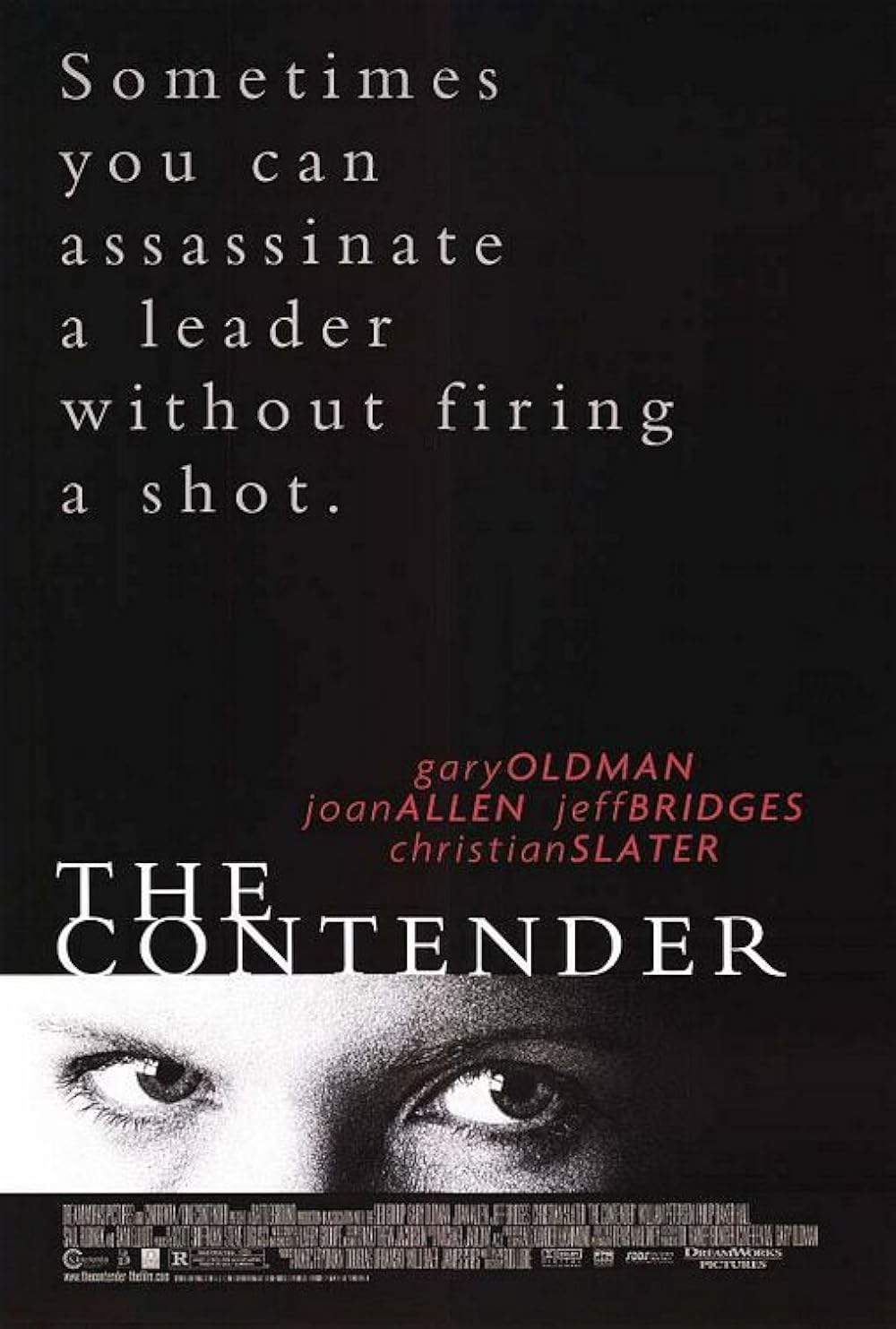
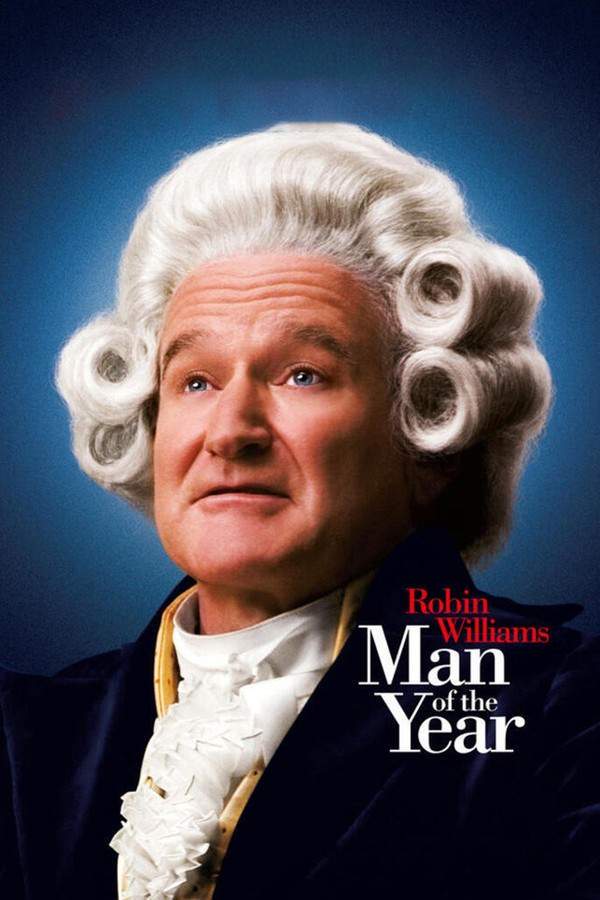
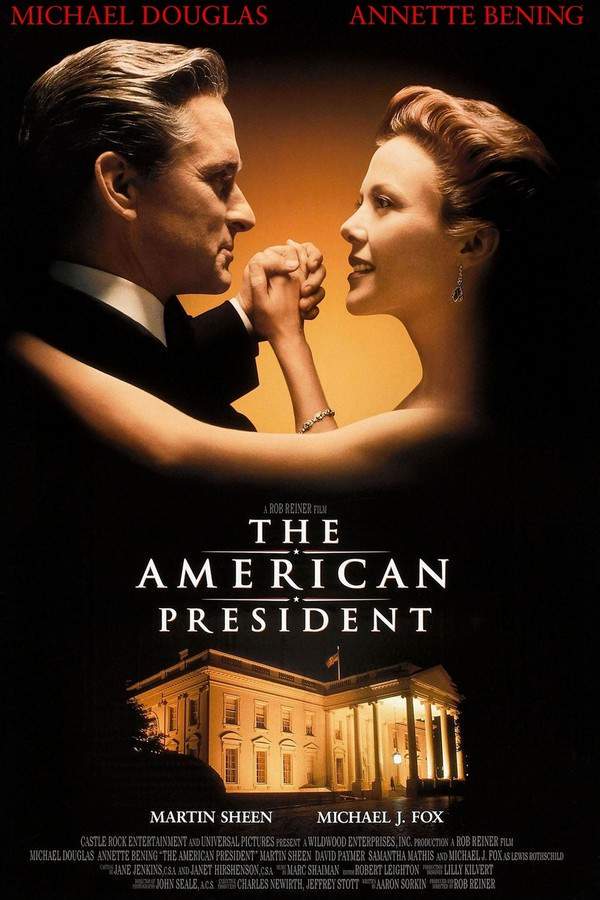
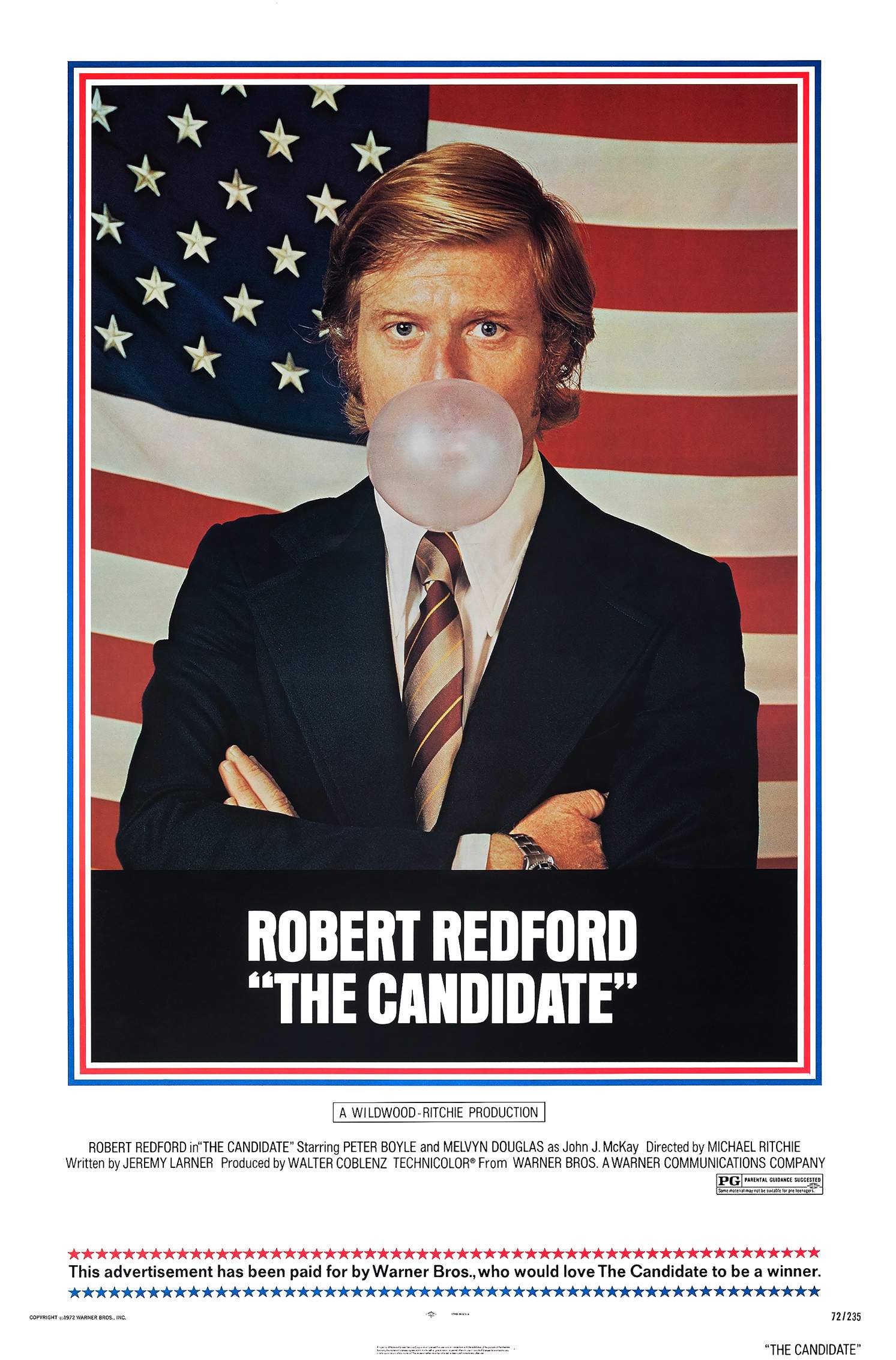
Political dramas about moral compromise like State of the Union

Stories exposing the corrupting influence of power on ambition and integrity. If you liked the tense political maneuvering and ethical dilemmas in State of the Union, you'll appreciate these movies. They feature characters grappling with idealism versus pragmatism in high-stakes settings, often with a critical look at power and corruption.

  • thought-provoking
  • morally conflicted
  • tense
  • dramatic
  • behind-the-scenes
  • critical
  • Tone: tense, dramatic, critical
  • Pacing: steady, dialogue-driven
Why these movies?

The story pattern: These narratives typically follow a protagonist's ascent within a powerful system, only to force a confrontation with the moral cost of their ambition. The journey involves seduction by power, followed by a crisis of conscience that often leads to a bittersweet or pyrrhic victory, prioritizing personal redemption over systemic success.

Why they belong together: They are grouped by their shared critical perspective on power structures, a tense and dramatic tone, and a central character arc that revolves around the conflict between personal integrity and professional ambition.


Movies about strained marriages under pressure like State of the Union

Intimate dramas where public ambition threatens private relationships. Fans of the marital strife and emotional conflict in State of the Union will find similar stories here. These films explore how ambition, betrayal, and public duty can fracture a relationship, focusing on the characters' emotional journeys toward reconciliation or collapse.

  • dysfunctional marriage
  • emotional manipulation
  • dramatic
  • tense
  • morally conflicted
  • redemptive
  • Tone: dramatic, tense, emotionally charged
  • Pacing: steady, character-focused
Why these movies?

The story pattern: The narrative pattern involves a couple whose bond is challenged by the demands of one partner's rising ambition, leading to betrayal, neglect, or moral disagreement. The story arc follows the crumbling of their private world, culminating in a confrontation that tests the foundation of their relationship and leads to a redefinition of their partnership.

Why they belong together: These films share a core focus on a dysfunctional relationship as the emotional heart of the story, driven by themes of betrayal, compromise, and the conflict between public and private life. They typically have a steady pace and medium emotional weight.

If you liked this

Movies Like State of the Union

Similar movies to State of the Union: the same genre, themes or kind of story. Each one comes with its own plot summary, timeline and ending explained.

Browse all movie summaries

Every angle

State of the Union (1948) Explained: Plot, Timeline & Characters

Everything about State of the Union in one place: what happens in the plot summary, the timeline in chronological order, the characters and meaning and a spoiler-free summary. What's After the Movie adds the cast, box office and post-credit scenes.

Coming soon on iOS and Android

The Plot Explained Movie Summary App

Plot summaries, endings explained and timelines on your phone. Catch up on any movie in minutes, save your favorites and never miss a twist again.

Be the first to know when we launch. Your email stays private, always.

Learn more about the app