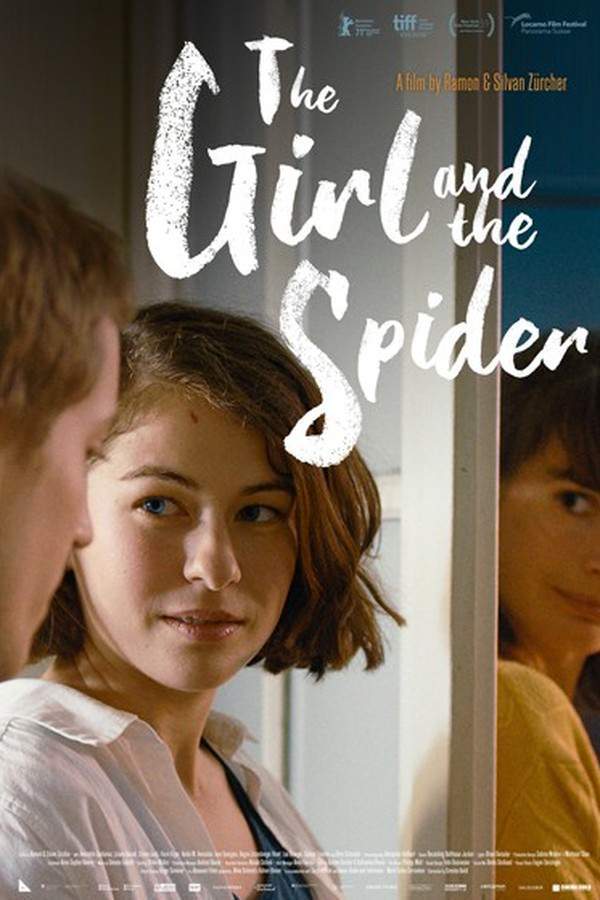
Jade is a webcam performer who broadcasts to anonymous online viewers each night, weaving a quiet, intimate world with her audience. Her curiosity leads her to the studio of Takeko, a renowned tattoo artist and Jade’s childhood crush. There, she is captivated by a striking tattoo—a large design of golden flowers, known as spider lilies—that sprawls across Takeko’s arm. Jade longs for the same motif, but Takeko warns that the flowers carry a curse, a warning that weighs on both of them.
Takeko’s backstory unfolds with an ache at its core. Her father died in an earthquake, and he bore the same tattoo. Her younger brother, Ching, witnessed the catastrophe and was left with trauma and a memory that circles only around the image of the flowers. In a bid to aid his recovery, Takeko chooses to get the same tattoo herself. Yet the more time she spends with Jade, the more the studio and its design pull her toward a different path, and she begins sketching a new tattoo for Jade.
As the personal drama thickens, a young police officer becomes entangled with Jade's world. He initially intends to disrupt the online operation that supports Jade and the other girls, but his approach shifts as he starts listening to Jade’s childhood stories, finding a human connection that slows the investigation. He grows attached and openly confesses his feelings, urging Jade to leave the site and protect herself. Strangely, Jade—misreading the situation—mistakes him for Takeko and goes to the tattoo artist’s workplace, seeking the comfort or guidance she assumes she has found in Takeko.
A pivotal incident accelerates the story’s tension: one of Takeko’s clients gets into a violent altercation and loses an arm. Takeko arranges for him to be transported to the hospital but forgets about her brother in the rush. Desperate and frightened, Ching wanders into the streets in search of her, and his memory blinks back just before he tumbles down a steep hill, narrowly avoiding a tragedy.
In the hospital, Takeko finds Ching. The injury and the shock trigger a coma for him, and guilt gnaws at Takeko as she faces the possibility that she cannot finish Jade’s tattoo. She sends a heartfelt farewell message to Jade, explaining that she cannot complete the design, a message that marks the emotional weight of the moment.
Meanwhile, Jade makes a choice to go online again and wait for Takeko. The truth comes crashing down when the policeman reveals his true identity to Jade and counsels her to log off for her own safety. The revelation brings tears, as Jade realizes the confession of love did not come from Takeko after all.
Eventually, Ching awakens from his coma with his memories intact, and a glimmer of joy returns to the story. Takeko responds with a new message to Jade, apologizing once more and promising that she will wait for Jade in the tattoo shop. The film closes on a hopeful thread: Jade heads toward the shop, the camera lingering on her arrival as the final image offers a quiet sense of reunion and resolution.
Throughout the film, the themes float between desire, memory, and the burden of artisanal craft. The tattoo—both as a symbol and a literal mark—serves as a bridge between characters, tying their fates to an image that promises healing even as it carries risk. The performances anchor a story that asks what it means to pursue connection in a world mediated by screens, scars, and the unspoken weight of family history, leaving viewers with a lingering sense of anticipation about what might come next for Jade and Takeko when they finally confront the past together.