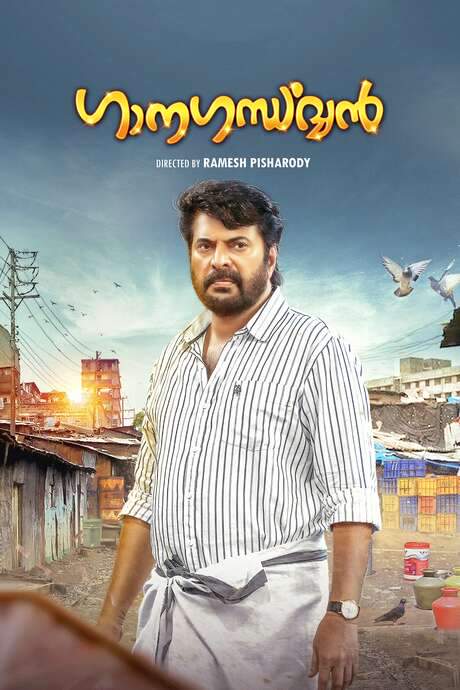
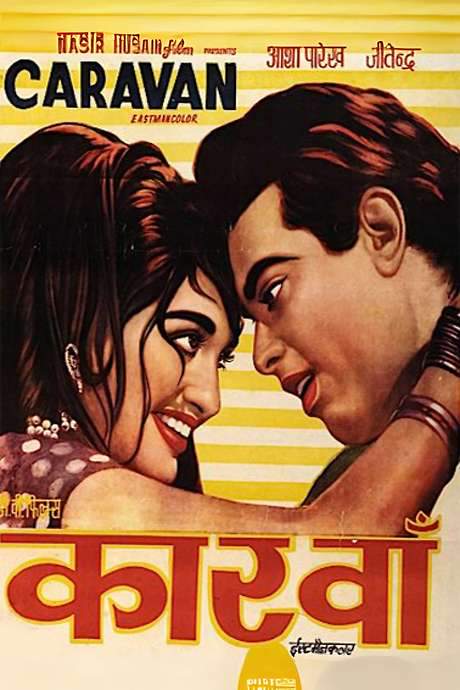
In a modest, financially strained lower-middle-class family, Ahalya lives with her parents and her mute sister Thenmozhi. Their luck seems to turn when a raffle prize awards them a car, bringing a moment of relief and happiness. Yet the celebration quickly spirals into confusion as a chorus of parties begins claiming ownership of the vehicle, pulling the family into a complex fight over its rights and the true source of the prize.
The tension deepens when a police visit with a surprising reveal about the car’s ownership. At the station, a man named Durai arrives, insisting that the car belongs to him. [Ahalya] says this isn’t possible, asserting that she is the one who filled the winning coupons, and that Durai is actually her brother by blood. The plot thickens as it becomes clear that Durai had previously bought jewels for someone else, not for himself, and the car’s fate now hinges on a crucial bill that could prove who owns what. The police ask Durai to bring this bill, setting in motion a desperate scramble between family loyalties and financial pressure.
Meanwhile, a separate strand follows Thenmozhi, who is set to marry. Her groom’s family makes the car a non-negotiable condition for moving forward with the marriage, creating a sense of urgency and fear within the family. On a date with her groom, the couple collide with an elderly man, and in a misguided effort to bury the incident, they stash the man’s body in the car trunk. The shock of the discovery that the car is now tied up in police hands adds another layer of distress, and Thenmozhi’s tears reveal how this tangled web is affecting every member of the family.
As the story unfolds, it becomes evident that Durai did not personally buy the jewels for himself but for someone else, and the quest to obtain the bill intensifies. Durai’s men break into the owner’s house to seize the bill, while [Ahalya] also races to secure it, and a raw bargain forms: a 50–50 split of the car’s rights once they can lay their hands on it. They devise a counterfeit dupe to pose as the true owner, but the ruse backfires when the fake is caught, and then the real owner is captured as well. In a startling revelation, it turns out that the entire scheme hinges on [Ahalya]’s plan, exposing a calculated maneuver that upends the family’s trust and safety.
With the car’s fate still unresolved, [Ahalya] is taken to a police lodge to face the consequences, and the situation takes a darker turn when a police officer tries to take advantage of her. She endures and finally escapes, turning the tables by threatening to expose him to the media, a move that underscores the film’s themes of power, exploitation, and resilience. Outside the lodge, a dramatic turn of events reveals that the supposed body in the trunk is not there anymore, as the trunk’s mystery begins to unravel. The family is briefly kidnapped by the police, but they manage to slip out of danger and regain their footing.
In the end, life begins to move forward. Thenmozhi’s wedding is scheduled again, and the family appears to be stepping back from catastrophe, determined to build a quieter, steadier life. Yet the story closes with a final twist: the man who was said to have died in the trunk actually survived and had managed to escape, reminding the family—and the audience—that appearances can be deceiving and that contingency lurks beneath every victory. The film leaves viewers with a tense reflection on desire, deception, and the fragile line between luck and peril, all anchored by the family’s stubborn will to endure together.