Plot Explained Spoilers guaranteed!
Plot Explained

Browse by genre

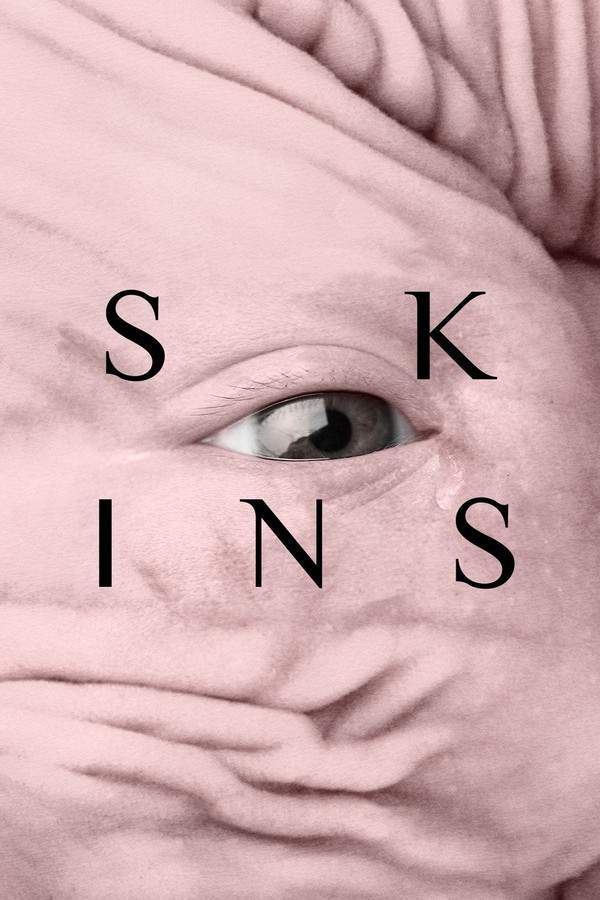
Skins (2002) movie poster

Plot Summary

Skins (2002) Plot Summary Explained

Release, runtime and language
2002 · 84 min · Spanish
Loading streaming availability…
Directed by
Chris Eyre
Starring
Graham Greene, Eric Schweig

Set against the backdrop of the Pine Ridge Indian Reservation near Mt. Rushmore, this film explores the harsh realities of life in one of America's most impoverished communities. Officer Rudy Yellow Lodge confronts a deeply personal struggle as he arrests his brother, Mogie, navigating the complexities of family, addiction, and the lasting impact of colonialism on the reservation. The story reveals a cycle of despair and the challenges faced by those living within this isolated and troubled landscape.

On this page (6)
  1. 1 Where to watch
  2. 2 What happens: full plot
  3. 3 Plot questions answered
  4. 4 Movie threads
  5. 5 Movies like Skins
  6. 6 Every angle
Loading streaming availability…

Full plot summary · contains spoilers

What Happens in Skins: Full Plot Summary

The whole story of Skins (2002) explained, from the opening scene to the final frame: every key event, every twist and what it all adds up to. Read it as a quick recap before the sequel, to check a scene you missed, or to finally understand what really happened.

Rudy Graham Greene and Mogie Eric Schweig Yellow Lodge are Lakota Sioux brothers living on the Beaver Creek Indian Reservation in South Dakota. Mogie is unemployed and has a teenage son. Rudy, a police officer, struggles to care for his brother, his nephew, and the rest of the town through the hands of the law. Mogie resists Rudy's helpful attempts, preferring to drink and joke about the depressed state of their people and town. As a child, Rudy had been bitten by a spider, and Mogie told him it was Iktomi, the trickster spider; this spider re-appears to Rudy early in the film and Rudy's attempts to help begin to wander outside the lines of the law.

When Rudy is sent on a police call to an abandoned house, he finds the bloodied, dead body of a young man who has been kicked to death. Rudy sees someone in the darkness, but the stranger escapes and Rudy trips and falls onto a rock before he can identify his quarry. Rudy's friend tells him that rocks are very spiritual, and Rudy begins to worry that something has gotten into him, turning him vigilante. He sees a teenage boy wearing the same shoes as the figure who ran away from the scene of the murder, and follows him. Rudy overhears the boy talk with a friend about disposing a pair of boots that connects them to the murder. Disguising himself with black paint on his face, Rudy sneaks up on the boys with a baseball bat and viciously beats their kneecaps, announcing himself as the ghost of the boy they murdered. While washing the paint off his face, he again sees Iktomi.

Angered by a news report about a liquor store in the bordering town profiting off of alcoholic Native Americans, Rudy sets out - again with a painted face - and sets the store on fire. Unknown to Rudy, Mogie was on the roof of the building trying to steal some alcohol. Mogie escapes and survives, but is burned and severely scarred. Shocked, Rudy visits a friend to get instructions on how to deal with Iktomi's spirit; a combination of home remedies and a sweat lodge ceremony.

During Mogie's stay in the hospital, the doctors discover that he is dying, because of his failing liver. After he is released from the hospital, Mogie, his son Herbie, Rudy, and Aunt Helen have dinner, and Mogie brings up American Horse, an Oglala Indian who testified against the 7th Cavalry. This conversation brings up the story of the Wounded Knee Massacre, which Rudy tells to Herbie.

Rudy tells Mogie that he started the fire, and Mogie replies that the one thing he can do to make up for it is blow the nose off of George Washington's face on Mount Rushmore. Rudy calls the idea crazy, and refuses.

Responding to a police call of a man stuck in a trap, Rudy arrives outside a house to find that the victim, now dead, is Mogie's drinking partner. The owners of the house seem to have no remorse for the man's death. When Mogie finds out the story behind his friend's death, he goes to the family's house with a gun, but is dissuaded from using it when a child appears in the room.

Mogie dies of pneumonia shortly after his son's 18th birthday. A letter Mogie wrote before his death asks Rudy to care for his son. Rudy finds out that the liquor store is being rebuilt, and will now be twice as big and have two drive-in windows. He buys a large can of oil-based red paint and drives to Mount Rushmore. He climbs to the top, and standing on the head of George Washington, he ponders whether his plan is stupid, he once again sees Iktomi crawling across the paint can. Seeing this, he makes his tribute to Mogie by throwing the can of paint so that it drips down the side of George Washington's nose, almost like a rivulet of bloody tears. On the drive back, he sees a hitchhiker that looks like Mogie in his youth and laughs.
Last updated: October 09, 2025 at 15:43

Was this helpful?

Plot questions answered

Skins Plot Explained: Your Questions Answered

The questions people ask most about Skins (2002): what happens in the confusing scenes, why the characters do what they do, the twists, hidden details and what the ending means. Each answer contains spoilers.

Q1

Why does Rudy start taking the law into his own hands?

After discovering the murdered body of a young man and failing to catch the killer, Rudy becomes obsessed with justice. He sees a teenage boy wearing the same shoes as the suspect and, convinced of the boy's guilt, disguises himself with black paint and attacks the teens with a baseball bat, breaking their kneecaps. His friend's warning about rocks being spiritual adds to his belief that something supernatural is guiding him toward vigilante justice.

Foreshadowing: Earlier, Rudy's friend tells him that rocks are very spiritual, which plants the idea that his pursuit of justice might be guided by forces beyond the law.

  • vigilante
  • justice
  • murder investigation
  • teenagers
  • kneecaps
Q2

What is Iktomi and why does it keep appearing to Rudy?

Iktomi is the trickster spider from Lakota mythology. As a child, Rudy was bitten by a spider and his brother Mogie told him it was Iktomi. The spider reappears throughout the film as a visual manifestation of Rudy's guilt, moral confusion, and descent into vigilante behavior. Each appearance signals that Rudy's sense of justice has strayed further from the law.

Foreshadowing: The spider first appears in Rudy's childhood memory when Mogie tells him the bite was from Iktomi, establishing the trickster as a symbol of deception and moral ambiguity.

  • iktomi
  • trickster spider
  • spirit
  • guilt
  • supernatural
Q3

Why does Rudy set fire to the liquor store?

Rudy becomes enraged after seeing a news report about a liquor store in the bordering town that profits from selling alcohol to Native Americans. He views this as another example of exploitation targeting his community. Wearing the same black paint from his vigilante attack, he sets the store on fire as an act of protest against the exploitation of his people.

Foreshadowing: The film establishes early on that the reservation suffers from alcoholism and poverty, with Mogie joking about the depressed state of their people and town.

  • arson
  • liquor store
  • exploitation
  • native americans
  • protest
Q4

How does Mogie end up on the roof of the burning building?

Mogie had climbed onto the roof of the liquor store to steal alcohol. When Rudy sets the fire, Mogie is trapped on the roof and barely escapes. He is severely burned and scarred by the blaze. The tragic irony is that Rudy had no idea his brother was inside the building.

Foreshadowing: Earlier scenes show Mogie drinking and joking about the depressed state of their people, establishing his pattern of seeking alcohol.

  • Mogie
  • fire
  • burns
  • roof
  • alcohol theft
Q5

What does Mogie mean when he talks about blowing the nose off George Washington's face?

After learning that Rudy started the fire that scarred him, Mogie proposes that Rudy atone by defacing Mount Rushmore, specifically blowing the nose off George Washington's face. He frames this as a way to fight back against the symbols of colonialism and the government that oppressed their people. The act would be both a personal tribute and a political statement.

Foreshadowing: During dinner, Rudy tells Herbie the story of the Wounded Knee Massacre, connecting the historical trauma of colonialism to their present struggles.

  • Mount Rushmore
  • George Washington
  • nose
  • colonials
  • atonement
Q6

Why does Rudy actually throw paint on George Washington's nose at Mount Rushmore?

After Mogie dies and leaves a letter asking Rudy to care for his son Herbie, Rudy learns the liquor store is being rebuilt and will be even bigger. Driven by grief, guilt, and a desire for meaningful tribute, Rudy drives to Mount Rushmore and throws a can of red oil-based paint down Washington's nose, creating what looks like bloody tears. This act serves as both a memorial to Mogie and a defiant statement against the exploitation of Native Americans.

Foreshadowing: Mogie had explicitly proposed this act as something Rudy could do to make amends for the fire.

  • paint
  • tribute
  • Mogie
  • Mount Rushmore
  • defacement
Q7

Why does Mogie go to the family house with a gun after his friend's death?

When Mogie learns that his drinking partner died after getting stuck in a trap at a local house, and the owners showed no remorse for his death, Mogie goes to their home with a gun seeking revenge. However, he is talked down from using it when a child appears in the room, forcing him to confront the consequences of violence.

Foreshadowing: The film establishes Mogie as a man who jokes about despair but also struggles with the pain of his community's suffering.

  • Mogie
  • gun
  • revenge
  • child
  • drinking partner
Q8

Why does Rudy tell Herbie about the Wounded Knee Massacre?

During a family dinner, Mogie brings up American Horse, an Oglala Indian who testified against the 7th Cavalry, which prompts Rudy to recount the Wounded Knee Massacre to his nephew Herbie. This historical lesson connects the family's personal struggles to the broader historical trauma of colonialism and violence against Native Americans, giving context to their present-day despair.

Foreshadowing: The conversation is initiated when Mogie brings up American Horse, linking personal family history to collective Native American memory.

  • Wounded Knee
  • American Horse
  • history
  • Herbie
  • colonialism
Q9

What does the hitchhiker at the end of the film represent?

On his drive back from Mount Rushmore, Rudy sees a hitchhiker who resembles Mogie in his youth. He laughs at the sight, creating a bittersweet moment. This ambiguous image suggests the presence of spirits, the cycle of life, or perhaps Rudy's psychological need to see his brother everywhere. It leaves the film on an uneasy note of humor amid unresolved grief.

Foreshadowing: The trickster spider Iktomi has appeared throughout the film as a supernatural presence, establishing that spiritual visions are part of the movie's reality.

  • hitchhiker
  • Mogie
  • youth
  • spirit
  • bittersweet
Q10

Why does Rudy become concerned about rocks after the murder?

When Rudy trips on a rock during his pursuit of the murder suspect and fails to catch the killer, his friend tells him that rocks are very spiritual. This warning haunts Rudy and contributes to his belief that something supernatural is influencing him, pushing him further toward vigilante justice and making him question his own sense of right and wrong.

Foreshadowing: This moment occurs right after Rudy discovers the murdered body and fails to identify the killer, establishing his psychological vulnerability.

  • rock
  • spiritual
  • trip
  • guilt
  • supernatural

Movie threads

More Movies Like Skins, by Mood & Story

Curated lists built around what makes Skins tick: the same mood, the same kind of story or the same emotional payoff. Each list explains why these movies belong together.

Movies about duty and vigilantism like Skins

Stories of law enforcers driven to desperate acts by a corrupt or failing system. If you were gripped by the moral descent of Rudy Yellow Lodge in Skins, explore these movies like Skins. They feature protagonists wrestling with their duty in the face of systemic failure, often leading to grim acts of vigilantism in similar heavy crime dramas.

  • grim
  • tense
  • angry
  • despairing
  • oppressive
  • vengeful
  • Tone: dark, angry, tense
  • Pacing: steady, methodical
Why these movies?

The story pattern: These stories follow a character who initially operates within a system, only to find it complicit in the suffering they witness. Their journey is one of escalating moral compromise, leading to a personal, often violent, confrontation with the sources of corruption or decay, resulting in a heavy emotional toll.

Why they belong together: Movies in this thread share a dark tone and high intensity, driven by the internal conflict of a protector turned avenger. They are united by themes of systemic failure, personal duty, and the grim reality that justice sometimes requires breaking the law.

Grim realistic dramas about marginalized life like Skins

Unflinching depictions of life and struggle within impoverished or isolated communities. For viewers who appreciated the stark portrayal of reservation life in Skins, this list gathers similar movies like Skins. These heavy dramas offer a bleak, realistic look at systemic poverty, addiction, and family bonds within isolated communities, often with a bittersweet or bleak ending.

  • oppressive
  • melancholic
  • grim
  • despairing
  • isolated
  • gritty
  • Tone: dark, bleak, melancholic
  • Pacing: steady, deliberate
Why these movies?

The story pattern: Narratives in this thread are typically linear and character-focused, following individuals or families as they navigate the oppressive conditions of their environment. The plot is less about external events and more about the internal and interpersonal struggles against a backdrop of systemic despair.

Why they belong together: These films are grouped by their oppressive and melancholic mood, steady pacing, and heavy emotional weight derived from real-world social issues. They share a commitment to grim realism, focusing on the psychological impact of environment and heritage on their characters.

If you liked this

Movies Like Skins

Similar movies to Skins: the same genre, themes or kind of story. Each one comes with its own plot summary, timeline and ending explained.

Browse all movie summaries

Every angle

Skins (2002) Explained: Plot, Timeline & Characters

Everything about Skins in one place: what happens in the plot summary, the timeline in chronological order, the characters and meaning and a spoiler-free summary. What's After the Movie adds the cast, box office and post-credit scenes.

Coming soon on iOS and Android

The Plot Explained Movie Summary App

Plot summaries, endings explained and timelines on your phone. Catch up on any movie in minutes, save your favorites and never miss a twist again.

Be the first to know when we launch. Your email stays private, always.

Learn more about the app