Year: 2010
Runtime: 103 min
Language: English
Director: Mark Romanek
Budget: $15M
At Hailsham, a seemingly idyllic English boarding school, Kathy, Tommy, and Ruth experience a sheltered childhood, forging deep and lasting friendships. As they grow older, the truth about their existence and purpose is unveiled, forcing them to confront a profound and unsettling reality. Their bonds of love and loyalty are tested as they grapple with their predetermined fates and search for meaning in a world filled with secrets and heartbreak.
Warning: spoilers below!
Haven’t seen Never Let Me Go yet? This summary contains major spoilers. Bookmark the page, watch the movie, and come back for the full breakdown. If you're ready, scroll on and relive the story!
Read the complete plot breakdown of Never Let Me Go (2010), including all key story events, major twists, and the ending explained in detail. Discover what really happened—and what it all means.
The film opens with poignant on-screen captions revealing that a medical breakthrough in 1952 has allowed human beings to live beyond 100 years. Kathy H (portrayed by Carey Mulligan), now 28, serves as the narrator, reflecting on her childhood at a boarding school named Hailsham and her life following her departure from its gates. The first act immerses us in the world of young Kathy, alongside her companions Tommy (Andrew Garfield) and Ruth (Keira Knightley), as they navigate their formative years during the late 1970s.
At Hailsham, the students are strongly encouraged to create art, with the finest pieces displayed in a mysterious collection known as The Gallery, overseen by a woman called Madame (Nathalie Richard). This world is shattered when a new teacher, Miss Lucy (Sally Hawkins), quietly reveals their grim fate to the students. She shares the harrowing truth that they are destined to become organ donors, facing an early demise—this revelation leads to her dismissal by headmistress Miss Emily (Charlotte Rampling). As the years unfold, Kathy develops feelings for Tommy, but Ruth intervenes and begins a relationship with him, complicating their childhood bonds.
In the second act, we find Kathy, Ruth, and Tommy now as teenagers, residing in cottages on a farm in 1985. Although they are allowed to venture out occasionally, they grapple with the acceptance of their inevitable fates. At the farm, they encounter other former students of similar institutions, who reveal their shared identity as clones. Whispers of a potential “deferral” for couples in love circulate among them, igniting hope. Tommy becomes increasingly fixated on the notion that The Gallery was intended to scrutinize their souls, believing that their artworks could demonstrate the authenticity of their love. The evolving relationship between Tommy and Ruth grows intimate, and tension escalates, driving a wedge between Kathy and Ruth, ultimately resulting in Kathy’s solitude as she embarks on a new role as a “carer.” This position affords her temporary reprieve from donations as she comforts those who are facing their final moments.
The final act transports us ten years into the future, where Kathy continues her work as a carer, witnessing the demise of many clones as they surrender their organs. Upon reconnecting with a frail Ruth, who has endured two donations, they search for Tommy, who is equally frail. As they journey to the sea, Ruth confesses her insincere affection for Tommy, admitting that her seduction was born from her fear of loneliness. Burdened by guilt, she reveals her belief in the truth of the deferral claims and her discovery of Madame’s address, who she hopes might help them. Tragically, Ruth passes away shortly after this revelation.
In the aftermath, Kathy and Tommy’s relationship blossoms. However, their hope is soon dashed when they visit Madame, who, accompanied by Miss Emily, informs them that deferral is nothing more than a myth, and their artwork holds no sway over their fates. Instead, the purpose of The Gallery was to probe the ethical implications surrounding their existence, reflecting on whether the “almost human” clones possess souls at all. Devastated, the couple processes this devastating news, leading Tommy to explode with rage and grief, finding solace in their shared despair. The film culminates with Tommy succumbing on the operating table, leaving Kathy to confront her lonely future. As she reflects on the remnants of her childhood, she inevitably questions whether her destiny differs from those receiving her organs, asserting poignantly that, “we all complete.”
Last Updated: November 03, 2024 at 23:07
Discover curated groups of movies connected by mood, themes, and story style. Browse collections built around emotion, atmosphere, and narrative focus to easily find films that match what you feel like watching right now.
Stories where systemic cruelty is felt through quiet, personal tragedy.For viewers seeking movies like Never Let Me Go, this list features similar dystopian dramas where the focus is on quiet, personal tragedy rather than rebellion. These films explore themes of fate, humanity, and loss within unsettling societal structures, offering a melancholic and thought-provoking experience.
Movies in this thread typically follow characters who discover the bleak truth of their existence within a controlled society. The conflict is less about overthrowing the system and more about finding meaning, love, and dignity in the face of a predetermined, tragic fate. The narrative arc is often one of gradual acceptance and profound sadness.
They are grouped by their shared focus on the emotional and ethical cost of a dystopian world, prioritizing a melancholic mood, slow pacing, and heavy emotional weight over action or suspense. They feel similar because they use a sci-fi or dystopian premise to explore deeply human questions.
Romantic bonds tested by a cruel and inescapable destiny.If you liked the poignant romance and heartbreaking fate of the characters in Never Let Me Go, explore these movies. They feature love stories tested by external, often insurmountable forces, leading to melancholic reflections on destiny, memory, and what it means to love fully in a limited time.
The narrative pattern involves a central romantic relationship that is intrinsically linked to a tragic external circumstance—be it illness, a dystopian system, or a cursed fate. The story charts the characters' journey as they cling to their love while gradually accepting their shared, inevitable end. The ending is typically somber and resigned.
These films share a specific emotional mix: a strong, sincere romance set against a backdrop of profound sadness and inevitability. They are connected by their melancholic tone, heavy emotional weight, and the central theme of love striving for meaning within the confines of a bleak fate.
Don't stop at just watching — explore Never Let Me Go in full detail. From the complete plot summary and scene-by-scene timeline to character breakdowns, thematic analysis, and a deep dive into the ending — every page helps you truly understand what Never Let Me Go is all about. Plus, discover what's next after the movie.
Track the full timeline of Never Let Me Go with every major event arranged chronologically. Perfect for decoding non-linear storytelling, flashbacks, or parallel narratives with a clear scene-by-scene breakdown.
Discover the characters, locations, and core themes that shape Never Let Me Go. Get insights into symbolic elements, setting significance, and deeper narrative meaning — ideal for thematic analysis and movie breakdowns.
Get a quick, spoiler-free overview of Never Let Me Go that covers the main plot points and key details without revealing any major twists or spoilers. Perfect for those who want to know what to expect before diving in.
Visit What's After the Movie to explore more about Never Let Me Go: box office results, cast and crew info, production details, post-credit scenes, and external links — all in one place for movie fans and researchers.
Discover movies like Never Let Me Go that share similar genres, themes, and storytelling elements. Whether you’re drawn to the atmosphere, character arcs, or plot structure, these curated recommendations will help you explore more films you’ll love.
Never Let Me Go (2010) Scene-by-Scene Movie Timeline
Never Let Me Go (2010) Movie Characters, Themes & Settings
Never Let Me Go (2010) Spoiler-Free Summary & Key Flow
Movies Like Never Let Me Go – Similar Titles You’ll Enjoy
The Giver (2014) Full Movie Breakdown
Children of Men (2006) Movie Recap & Themes
1984 (1985) Film Overview & Timeline
Orphan (2009) Plot Summary & Ending Explained
Let's Be Evil (2016) Film Overview & Timeline
THX 1138 (1971) Movie Recap & Themes
Don't Let Go (2019) Detailed Story Recap
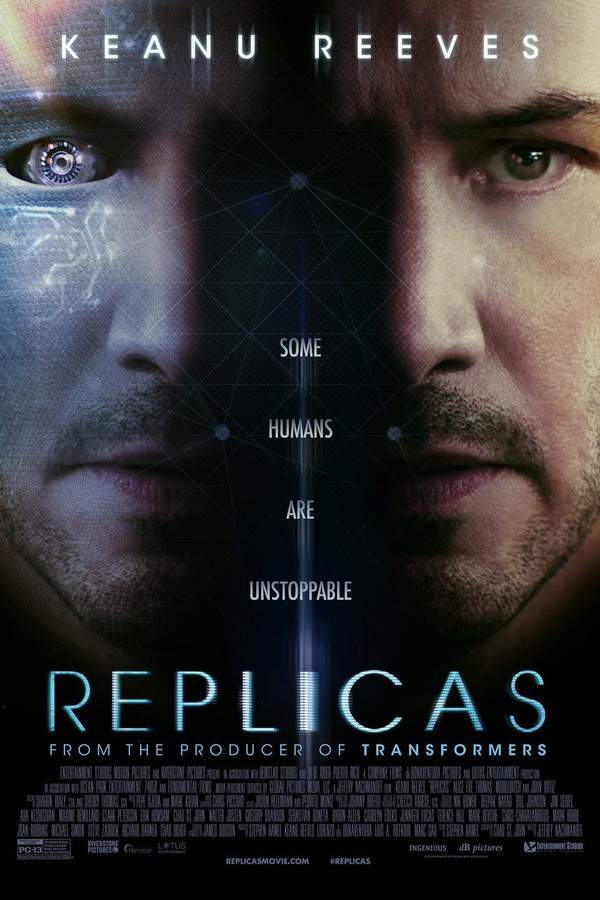
Replicas (2019) Detailed Story Recap
Andover (2018) Detailed Story Recap
Blank (2022) Complete Plot Breakdown
Never Let Go (2024) Movie Recap & Themes
Let Me Go (2017) Plot Summary & Ending Explained
Neverwas (2005) Spoiler-Packed Plot Recap
School’s Out Forever (2021) Film Overview & Timeline
Cloned (1997) Spoiler-Packed Plot Recap