
Shotyi Bole Shotyi Kichhu Nei
A tense murder trial divides twelve jurors, each with their own opinions and biases. As deliberations intensify, one juror becomes increasingly certain of the defendant's innocence and strives to persuade the others to reconsider the evidence. The process reveals deep-seated conflicts and challenges their perceptions of justice and truth.
Where to Watch Shotyi Bole Shotyi Kichhu Nei?
Find where to stream, rent, or buy Shotyi Bole Shotyi Kichhu Nei (2025) in the US with current JustWatch availability, up-to-date pricing, and platform listings for subscription, rental, and digital purchase options.

Streaming availability powered by 
Warning: spoilers below!
Haven’t seen Shotyi Bole Shotyi Kichhu Nei yet? This summary contains major spoilers. Bookmark the page, watch the movie, and come back for the full breakdown. If you're ready, scroll on and relive the story!
Timeline – Shotyi Bole Shotyi Kichhu Nei (2025)
Trace every key event in Shotyi Bole Shotyi Kichhu Nei (2025) with our detailed, chronological timeline. Perfect for unpacking nonlinear stories, spotting hidden connections, and understanding how each scene builds toward the film’s climax. Whether you're revisiting or decoding for the first time, this timeline gives you the full picture.
Last updated: October 01, 2025 at 13:06
Shotyi Bole Shotyi Kichhu Nei (2025) Timeline Questions Answered – Chronology FAQ
Find frequently asked questions about the Shotyi Bole Shotyi Kichhu Nei (2025) timeline, including chronological order, nonlinear jumps, cause-and-effect links, and scene sequence clarifications. This timeline FAQ helps explain when key events happen, how moments connect, and why the story unfolds in that specific order.
Why does Brajeswar dream about the murder case during his birthday party?
Braajeswar's subconscious cannot separate from the weight of the Noor Islam murder case he's presiding over. His contemplation of how a jury might have ruled, combined with his anxiety about personal biases affecting judicial neutrality, creates the psychological conditions for the dream. The boundary between waking and sleeping becomes a space where he confronts his internal conflict about justice without the constraints of his official role.
Earlier at the party, Brajeswar explicitly worries about his personal biases tainting judicial neutrality, setting the stage for the dream's moral reckoning.
Who is Satya and what is his connection to Brajeswar?
Satya is a flamboyant homosexual fashion designer who appears in Brajeswar's dream as both provocateur and moral compass. He harbors a mysterious link to Brajeswar's past that deepens the judge's introspection. In the dream, Satya challenges the jurors' prejudices and forces them to confront their own moral compasses, acting as a mirror for Brajeswar's conscience.
What is the Noor Islam case about?
The Noor Islam case involves the stabbing of an elderly man by a young Muslim boy named Noor Islam and his elder brother. As a High Court judge, Brajeswar must deliver a verdict in this high-profile murder trial. The case serves as the central moral dilemma that drives the entire narrative, with the dream jury tasked with determining Noor Islam's guilt or innocence.
Why does the film use a dream jury to decide the case?
The dream jury allows the film to explore the moral complexity of the case outside the constraints of formal court procedure. By transforming party guests into jurors, the narrative creates a space where societal prejudices, personal histories, and deep-seated biases can surface openly. This surreal device enables the film to examine how communal, caste, and gender tensions influence judgment in ways a traditional courtroom cannot.
Brajeswar's earlier musing about how a jury might have weighed the verdict establishes the conceptual foundation for the dream sequence.
What do the symbolic locations in Brajeswar's dream represent?
The shifting dream locations, his study, a golf course, a theater, a rain-soaked flyover, a beach vacation spot, and a tropical forest, each act as catalysts for psychological confrontation. These spaces, drawn from Brajeswar's memory, force jurors to confront different aspects of their biases and moral histories. The fluid setting reflects how truth is malleable and how personal demons color judgment, with each location triggering specific memories and moral questions.
How does the film reference 12 Angry Men?
The film explicitly references the classic legal drama "12 Angry Men" through a theater scene where Brajeswar recalls watching a stage adaptation. This meta-reference establishes the film's thematic DNA, examining how prejudice, evidence interpretation, and group dynamics shape verdicts. The dream jury deliberation directly echoes the original film's structure while updating its social commentary for contemporary India's communal and caste divisions.
Why does the film end without a clear verdict?
The ambiguous ending deliberately leaves Noor Islam's guilt unresolved to underscore the film's central theme: truth is precarious and justice in an imperfect world is inherently subjective. By refusing to provide closure, the film challenges viewers to confront their own prejudices and recognize how difficult it is to achieve pure objectivity in judgment. The open ending reflects the judge's own internal struggle and invites ongoing moral reflection.
What societal issues does the film examine through the jury deliberations?
The jury deliberations surface deep fractures in contemporary Indian society: communal tensions between Hindus and Muslims (through the Noor Islam case), caste inequalities, gender disparities, and urban elitism. Each juror brings their own prejudices to the table, making the jury room a microcosm of broader social conflicts. The film argues that verdicts are rarely purely objective and that societal biases inevitably color perceptions of guilt and innocence.
What is the significance of the jury system being abolished in India?
Braajeswar reflects on India's abolition of the jury system after the landmark 1973 Nanavati v. State of Maharashtra case, questioning how a jury might have weighed such a verdict. This historical reference highlights the tension between collective conscience and judicial authority. The dream jury becomes Brajeswar's imagined experiment, what if ordinary citizens, with all their biases, were tasked with determining truth? The reference frames the entire narrative as an exploration of whether justice is better served by solitary judges or fallible collectives.
How does the film address communal tensions through the Noor Islam case?
The Noor Islam case inherently involves communal dynamics, a Muslim defendant accused of murdering an elderly Hindu man. Through the jury deliberations, the film exposes how religious identities shape perception of guilt. The jurors' prejudices based on Noor Islam's Muslim identity become a central point of moral conflict, demonstrating how communal fault lines can corrupt the pursuit of justice. The film uses this specific case to mirror broader sectarian tensions in modern India.

Explore Movie Threads
Discover curated groups of movies connected by mood, themes, and story style. Browse collections built around emotion, atmosphere, and narrative focus to easily find films that match what you feel like watching right now.
Claustrophobic debate movies like Shotyi Bole Shotyi Kichhu Nei
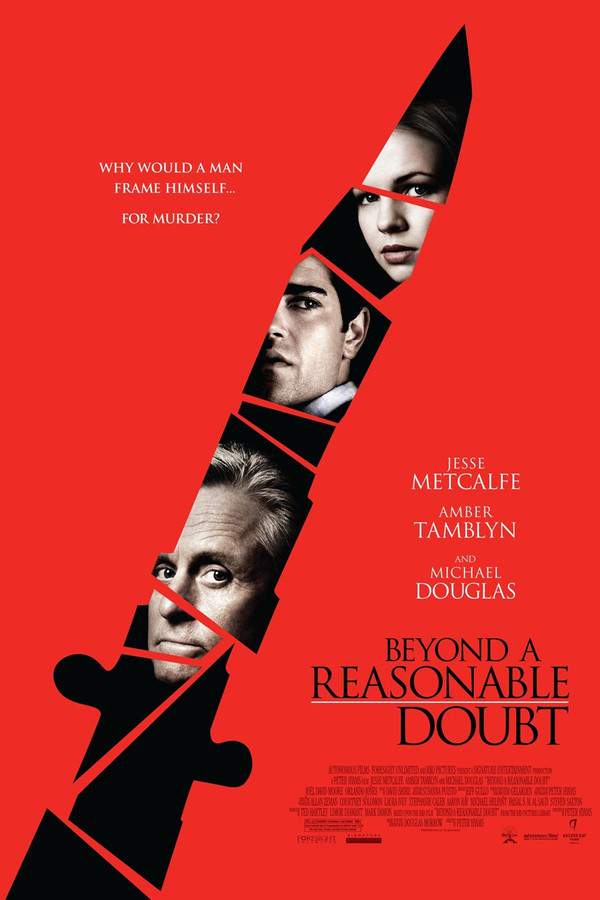
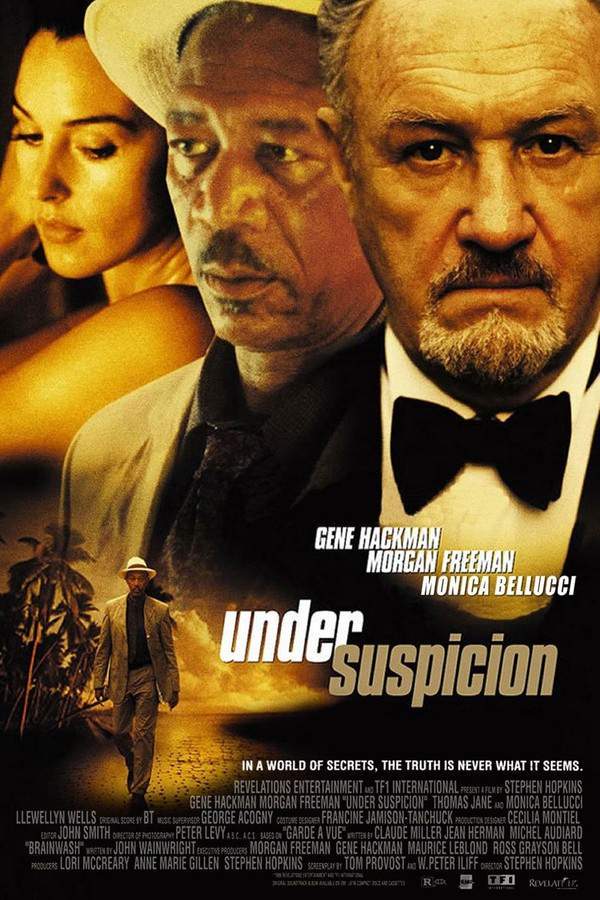
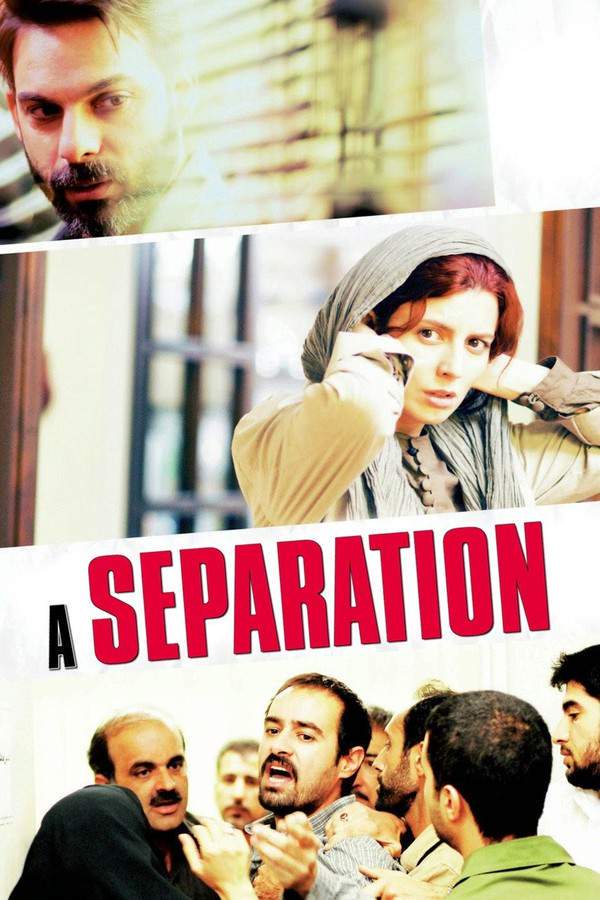
Movies where a tense moral conflict unfolds in a single, confined space.If you liked the tense jury deliberations in Shotyi Bole Shotyi Kichhu Nei, you'll appreciate these movies where high-stakes arguments and moral dilemmas are confined to a single room. These films create a powerful sense of tension and psychological claustrophobia through focused, character-driven dialogue.






Narrative Summary
Stories in this thread typically revolve around a group of people—a jury, a committee, or strangers—locked in a room to decide a critical matter. The narrative unfolds through dialogue, revealing character backstories and prejudices, as the initial consensus is challenged by a lone voice of dissent, leading to a tense re-examination of the facts.
Why These Movies?
These movies are grouped together because they share a unique narrative structure that relies on a single location and dialogue-heavy conflict to build nearly unbearable tension. They focus on the psychological unraveling of a group under pressure, creating a specific kind of intellectual and emotional intensity.
Dreamlike psychological dramas like Shotyi Bole Shotyi Kichhu Nei
Psychological journeys where reality blurs with dreams and subjective memory.Fans of the surreal, philosophical undertones in Shotyi Bole Shotyi Kichhu Nei will enjoy these movies that challenge objective reality. These stories use atmospheric, dreamlike sequences to explore the fragile nature of memory, truth, and personal guilt in a psychologically intense way.
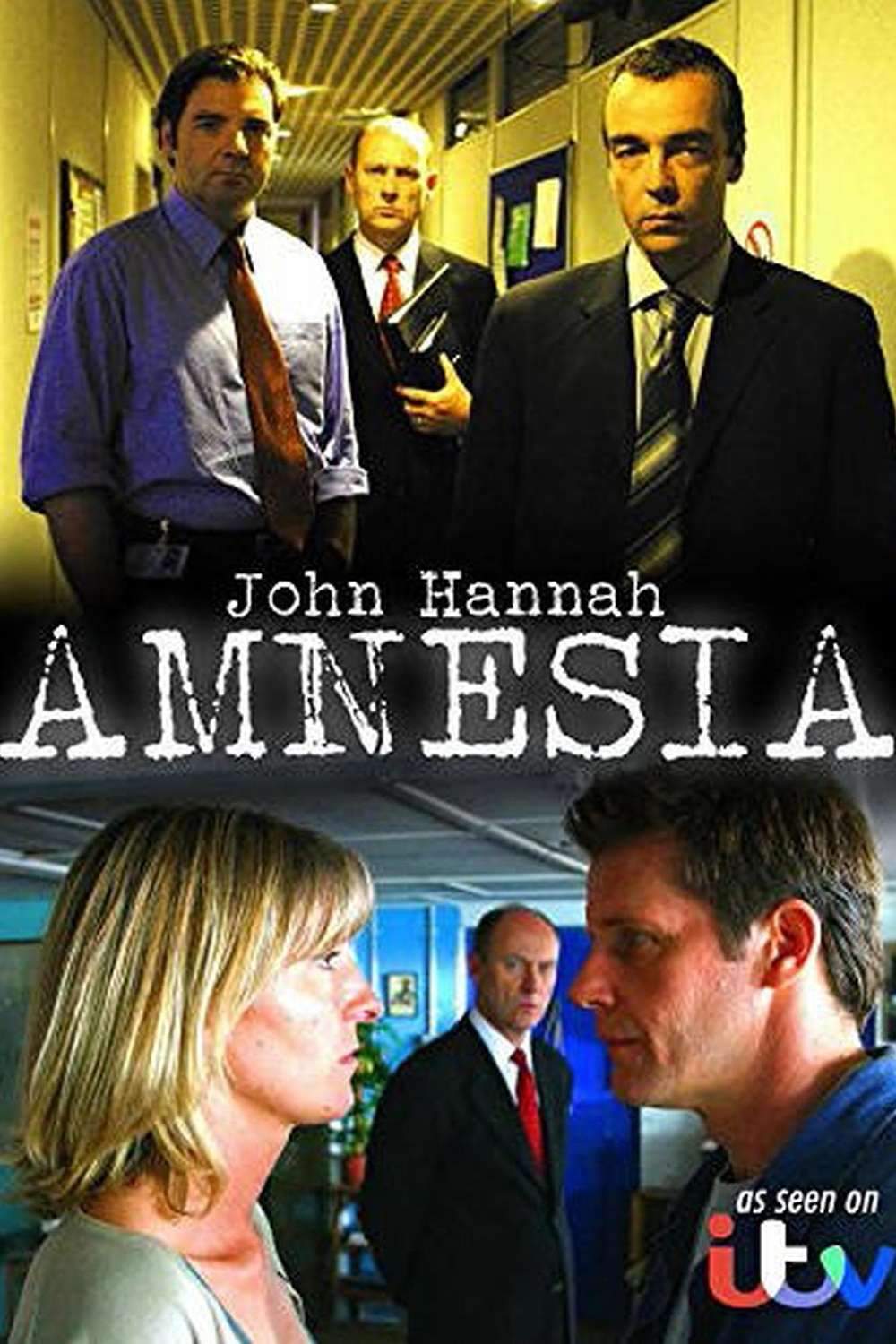
AmnesiA
2004

Comedy of Innocence
2000
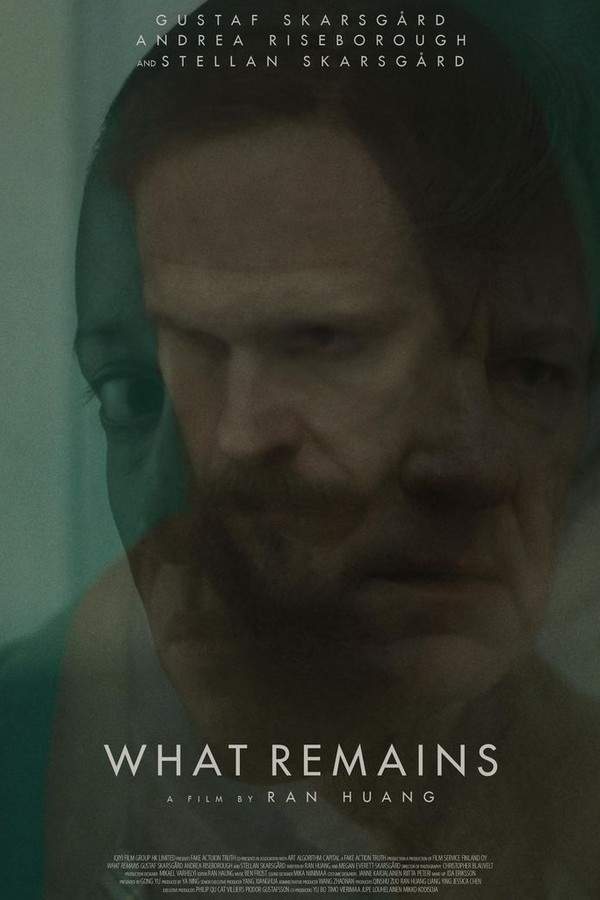
What Remains
2024
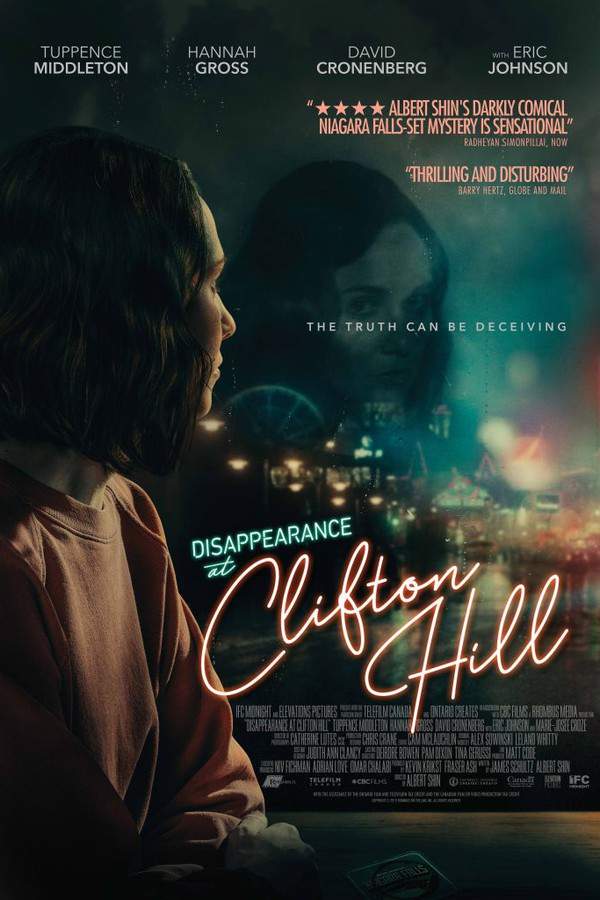
Disappearance at Clifton Hill
2020

Disappearance at Clifton Hill
2019
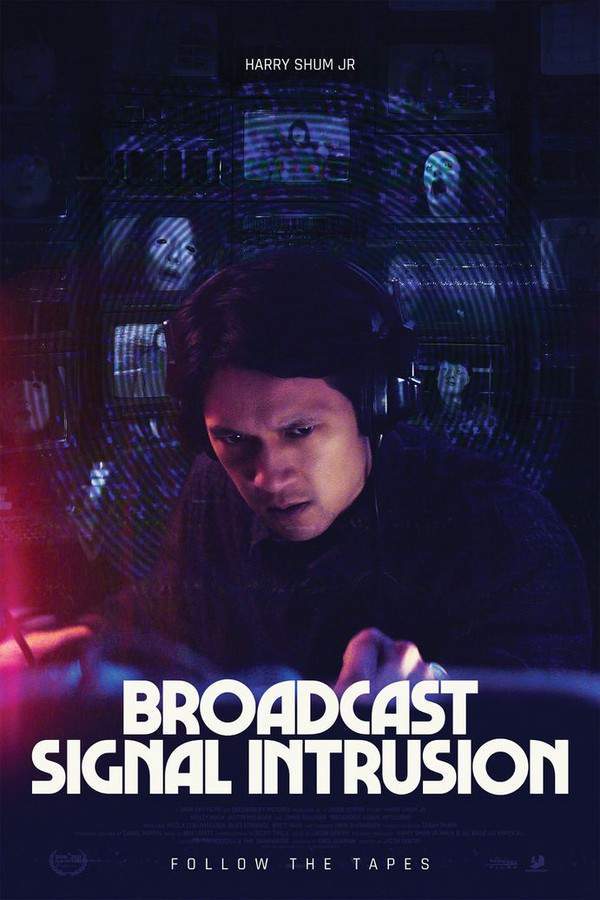
Broadcast Signal Intrusion
2021
Perfect Stranger
2007
Shattered
1991

A Man Vanishes (1967)
2012
Beyond the Black Rainbow
2012

Spider Forest
2004
The Big Empty
2003
Terrorizers
1986

Wander
2020

The Double Hour
2009
Narrative Summary
Narratives in this thread often feature a character, typically a figure of authority like a judge or investigator, whose grasp on reality is challenged by surreal visions or dreams. These symbolic sequences intertwine with the main plot, representing their internal conflict, buried memories, or a deeper, more ambiguous truth that the straightforward facts cannot capture.
Why These Movies?
These films are united by their atmospheric, often claustrophobic mood and a shared thematic focus on the subjectivity of truth. They blend a tense, real-world scenario with a philosophical, psychological layer, creating a complex viewing experience that is both intellectually stimulating and emotionally heavy.
Unlock the Full Story of Shotyi Bole Shotyi Kichhu Nei
Don't stop at just watching - explore Shotyi Bole Shotyi Kichhu Nei in full detail. From the complete plot summary and scene-by-scene timeline to character breakdowns, thematic analysis, and a deep dive into the ending - every page helps you truly understand what Shotyi Bole Shotyi Kichhu Nei is all about. Plus, discover what's next after the movie.
Shotyi Bole Shotyi Kichhu Nei Summary
Read a complete plot summary of Shotyi Bole Shotyi Kichhu Nei, including all key story points, character arcs, and turning points. This in-depth recap is ideal for understanding the narrative structure or reviewing what happened in the movie.

Characters, Settings & Themes in Shotyi Bole Shotyi Kichhu Nei
Discover the characters, locations, and core themes that shape Shotyi Bole Shotyi Kichhu Nei. Get insights into symbolic elements, setting significance, and deeper narrative meaning - ideal for thematic analysis and movie breakdowns.


