
Shotyi Bole Shotyi Kichhu Nei
A tense murder trial divides twelve jurors, each with their own opinions and biases. As deliberations intensify, one juror becomes increasingly certain of the defendant's innocence and strives to persuade the others to reconsider the evidence. The process reveals deep-seated conflicts and challenges their perceptions of justice and truth.
Where to Watch Shotyi Bole Shotyi Kichhu Nei?
Find where to stream, rent, or buy Shotyi Bole Shotyi Kichhu Nei (2025) in the US with current JustWatch availability, up-to-date pricing, and platform listings for subscription, rental, and digital purchase options.

Streaming availability powered by 
Warning: spoilers below!
Haven’t seen Shotyi Bole Shotyi Kichhu Nei yet? This summary contains major spoilers. Bookmark the page, watch the movie, and come back for the full breakdown. If you're ready, scroll on and relive the story!
Timeline & Setting – Shotyi Bole Shotyi Kichhu Nei (2025)
Explore the full timeline and setting of Shotyi Bole Shotyi Kichhu Nei (2025). Follow every major event in chronological order and see how the environment shapes the story, characters, and dramatic tension.
Last updated: October 01, 2025 at 12:39
Main Characters – Shotyi Bole Shotyi Kichhu Nei (2025)
Meet the key characters of Shotyi Bole Shotyi Kichhu Nei (2025), with detailed profiles, motivations, and roles in the plot. Understand their emotional journeys and what they reveal about the film’s deeper themes.
Last updated: October 01, 2025 at 12:39
Major Themes – Shotyi Bole Shotyi Kichhu Nei (2025)
Explore the central themes of Shotyi Bole Shotyi Kichhu Nei (2025), from psychological, social, and emotional dimensions to philosophical messages. Understand what the film is really saying beneath the surface.
Last updated: October 01, 2025 at 12:39
Shotyi Bole Shotyi Kichhu Nei (2025) Character & Theme Questions Answered – Info FAQ
Browse frequently asked questions about Shotyi Bole Shotyi Kichhu Nei (2025) focused on characters, relationships, themes, symbols, setting, and story context. This movie info FAQ gives spoiler-aware explanations for character arcs, world details, and thematic interpretation so readers can better understand what the film is really about.
Where is the story set?
The story unfolds primarily inside Brajeswar's upscale Kolkata residence in West Bengal, India. This high-society setting serves as a social microcosm, highlighting the divide between wealth, power, and vulnerability. The opulent environment creates a surreal, dream-driven space where the jury deliberations take place, blending luxury with psychological tension.
Who is Brajeswar and what is his role?
Brajeswar Dutta is a High Court judge at the center of a high-profile murder case. Haunted by duty and memory, he grapples with whether verdicts can ever be purely objective. His party becomes the backdrop for a dream jury that reveals his vulnerability and the heavy weight of responsibility in shaping justice.
Who is Satya in the story?
Satya is a flamboyant fashion designer who acts as a provocateur and moral compass within Brajeswar's subconscious. He challenges homogeneity and invites radical perspectives on guilt, innocence, and societal norms. Satya's presence forces the group to confront hidden prejudices and the fragility of truth.
Who is Noor Islam in the film?
Noor Islam is the accused in the central murder case, a young Muslim boy whose case becomes a touchstone for discussions of communalism and justice. His portrayal triggers debates about motive, prejudice, and the societal forces that shape perceptions of guilt, embodying the collateral impact of a high-stakes verdict on a marginalized young man.
What does the film say about truth?
The narrative explores how truth is fluid and contested in justice. By blending memory, perception, and social pressure, the dream jury challenges initial judgments, revealing how personal demons can skew the sense of fact. The film suggests that determining truth in legal settings is rarely straightforward.
How does the film address justice?
The deliberations expose how justice is shaped by collective biases including communalism, caste, and elitism within modern Indian society. The dream-jury setting acts as a pressure chamber where verdicts are questioned and reinterpreted. The film critiques the reliability of legal outcomes when personal and societal forces intervene.
What role does identity play in the story?
Identity clashes surface as guests become a jury, revealing how social roles infiltrate judgment. The dreamscape uses symbolic locations to test loyalties and prejudices. The film explores who is considered guilty or innocent in a fractured world, with Satya catalyzing introspection about these social divisions.
What does the jury setting represent?
The dream jury functions as a psychological pressure chamber where twelve guests deliberate the murder case. This surreal setting allows the film to test truth and bias through symbolic locations from the judge's memory. It represents how justice systems both reveal and obscure personal and societal prejudices.
Why is Kolkata used as the setting?
Kolkata provides a specific urban Indian context where wealth, power, and social hierarchy are clearly visible. The city's cultural landscape allows the film to explore issues of class, privilege, and systemic bias that shape real-world justice. The high-society residence underscores these divisions within a known social environment.
What do the different guests represent?
The guests represent diverse social perspectives: Taposh embodies urban elitism and privilege, Sumit mirrors skeptical urban doubt about the legal system, Arundhati foregrounds gender and class intersections, Roopa offers a female viewpoint on justice, and Gaurang Agarwal represents corporate wealth influence. Together they create a cross-section of societal biases.

Explore Movie Threads
Discover curated groups of movies connected by mood, themes, and story style. Browse collections built around emotion, atmosphere, and narrative focus to easily find films that match what you feel like watching right now.
Claustrophobic debate movies like Shotyi Bole Shotyi Kichhu Nei
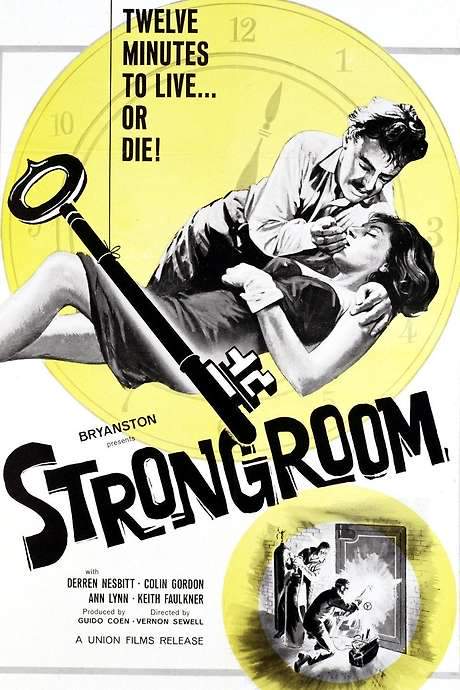
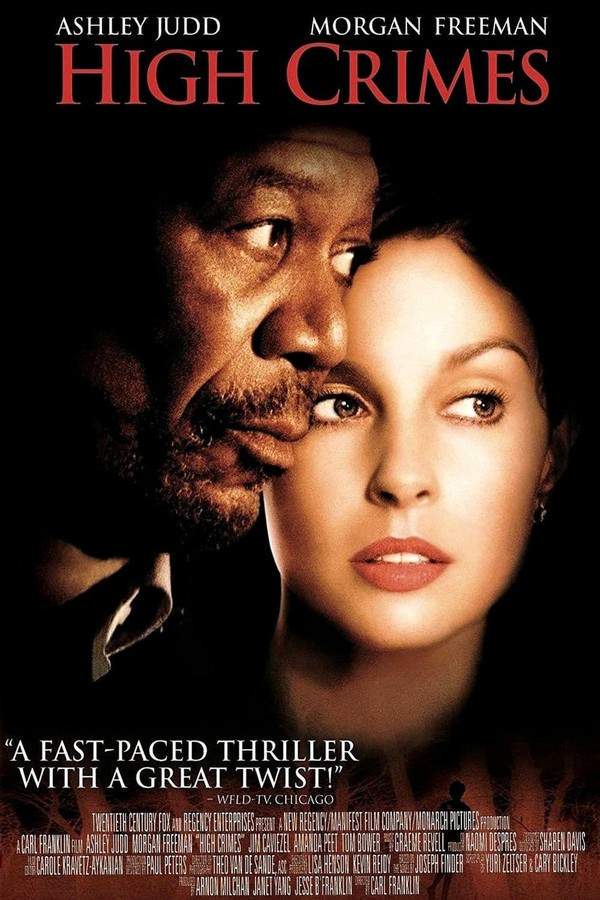
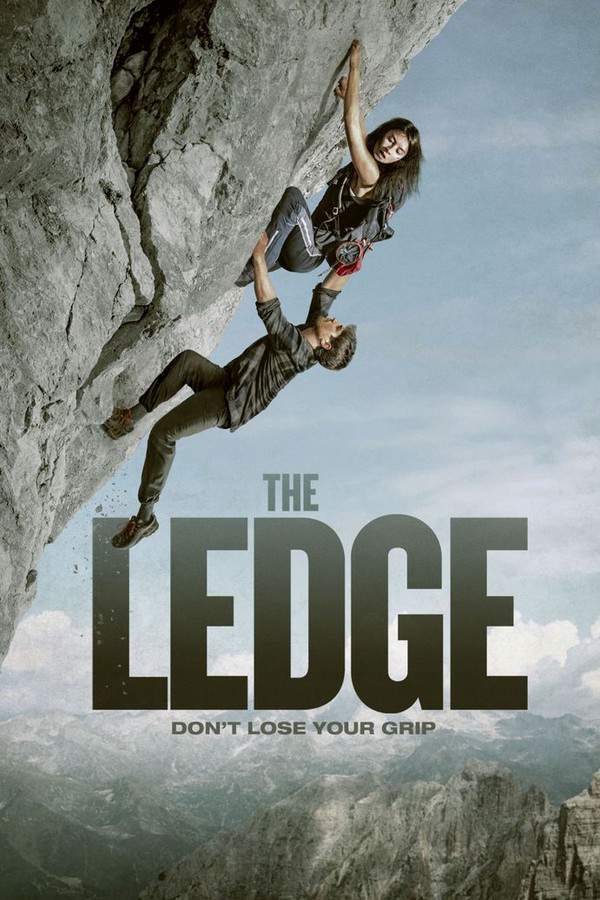
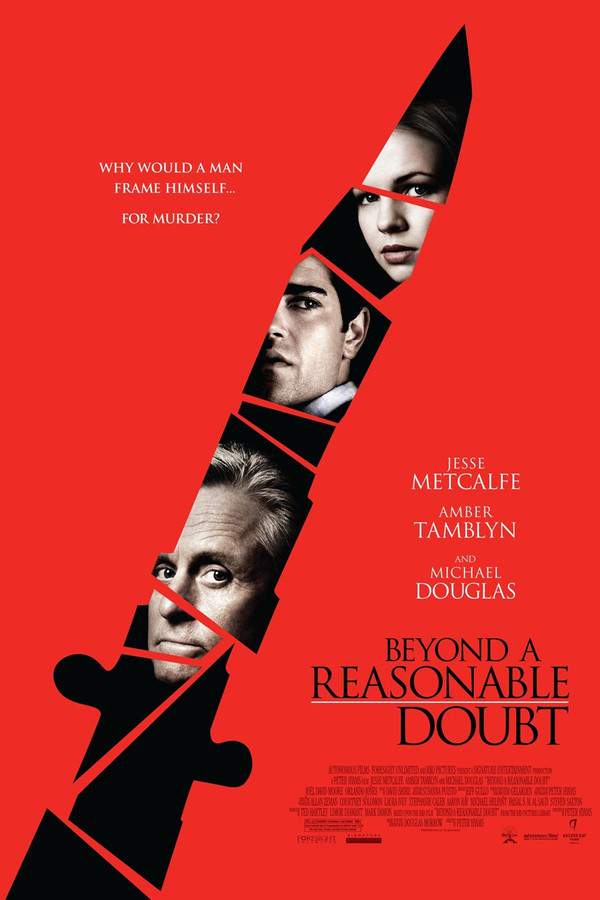
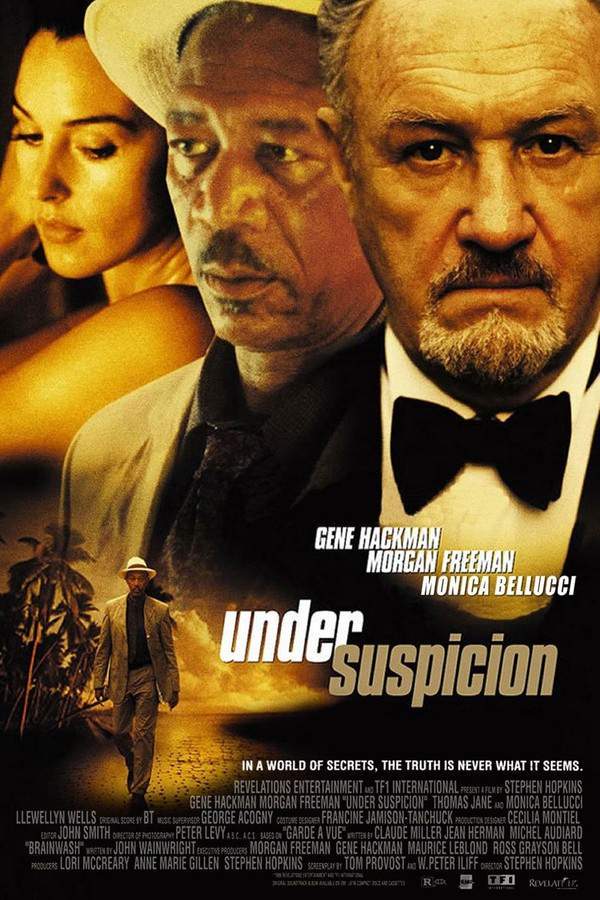
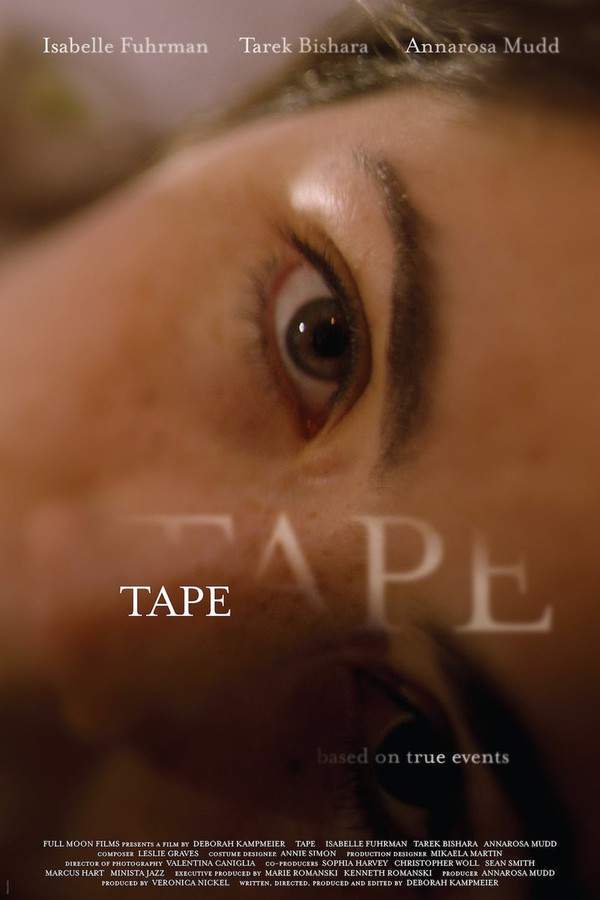
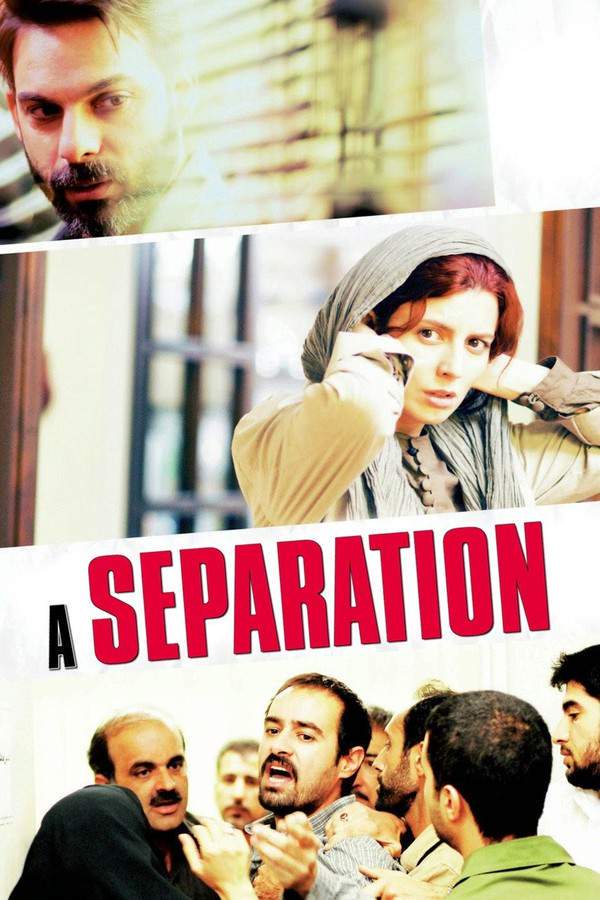
Movies where a tense moral conflict unfolds in a single, confined space.If you liked the tense jury deliberations in Shotyi Bole Shotyi Kichhu Nei, you'll appreciate these movies where high-stakes arguments and moral dilemmas are confined to a single room. These films create a powerful sense of tension and psychological claustrophobia through focused, character-driven dialogue.







Narrative Summary
Stories in this thread typically revolve around a group of people—a jury, a committee, or strangers—locked in a room to decide a critical matter. The narrative unfolds through dialogue, revealing character backstories and prejudices, as the initial consensus is challenged by a lone voice of dissent, leading to a tense re-examination of the facts.
Why These Movies?
These movies are grouped together because they share a unique narrative structure that relies on a single location and dialogue-heavy conflict to build nearly unbearable tension. They focus on the psychological unraveling of a group under pressure, creating a specific kind of intellectual and emotional intensity.
Dreamlike psychological dramas like Shotyi Bole Shotyi Kichhu Nei
Psychological journeys where reality blurs with dreams and subjective memory.Fans of the surreal, philosophical undertones in Shotyi Bole Shotyi Kichhu Nei will enjoy these movies that challenge objective reality. These stories use atmospheric, dreamlike sequences to explore the fragile nature of memory, truth, and personal guilt in a psychologically intense way.
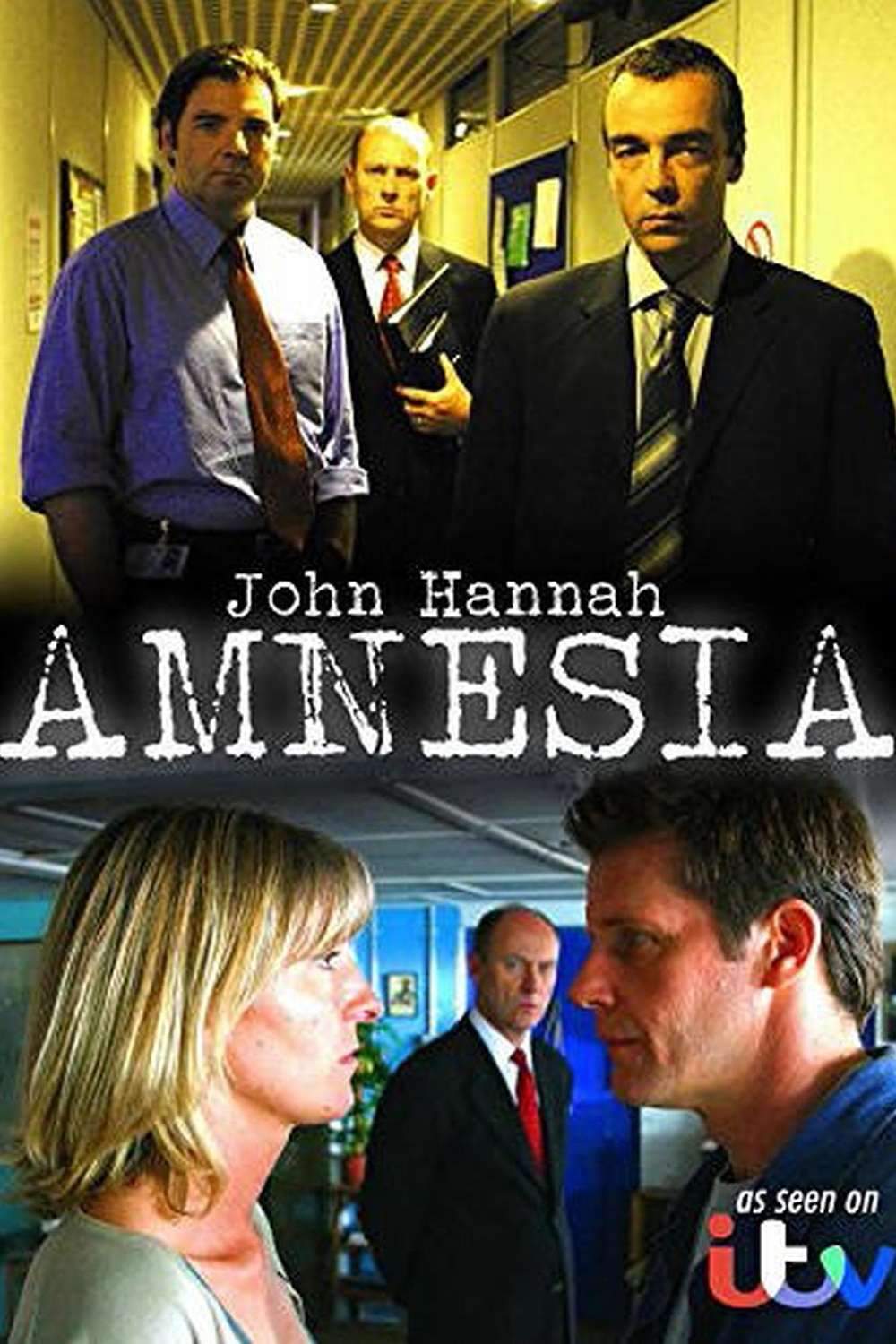
AmnesiA
2004

Comedy of Innocence
2000
What Remains
2024
Disappearance at Clifton Hill
2020

Disappearance at Clifton Hill
2019
Broadcast Signal Intrusion
2021
Perfect Stranger
2007
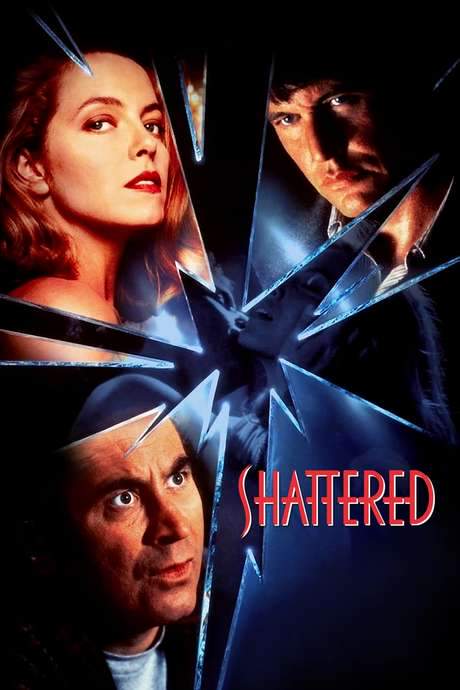
Shattered
1991

A Man Vanishes (1967)
2012
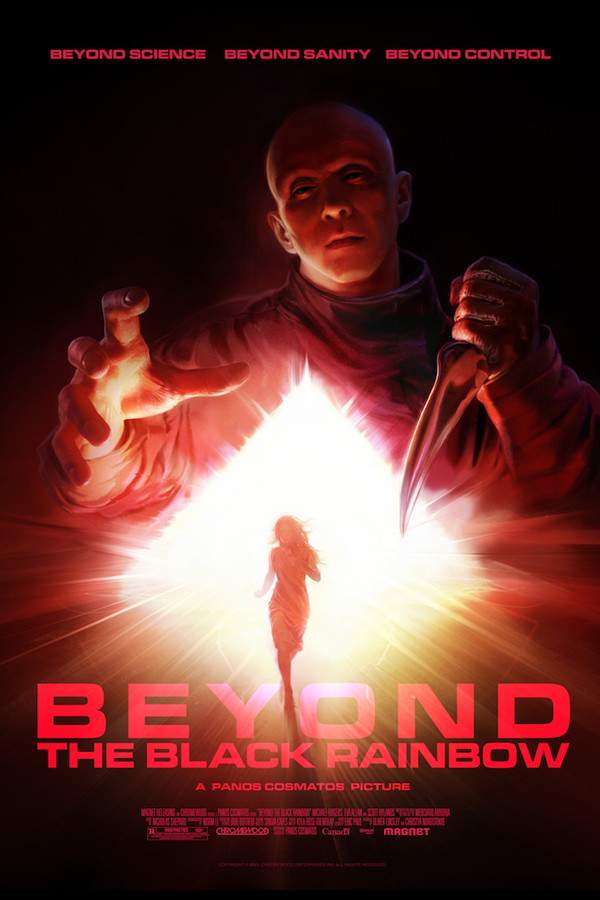
Beyond the Black Rainbow
2012

Spider Forest
2004
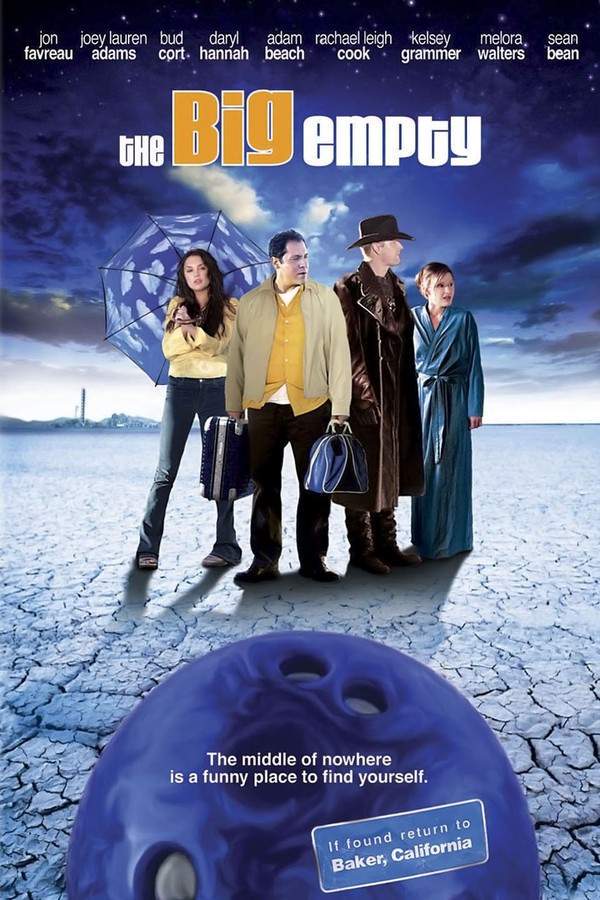
The Big Empty
2003
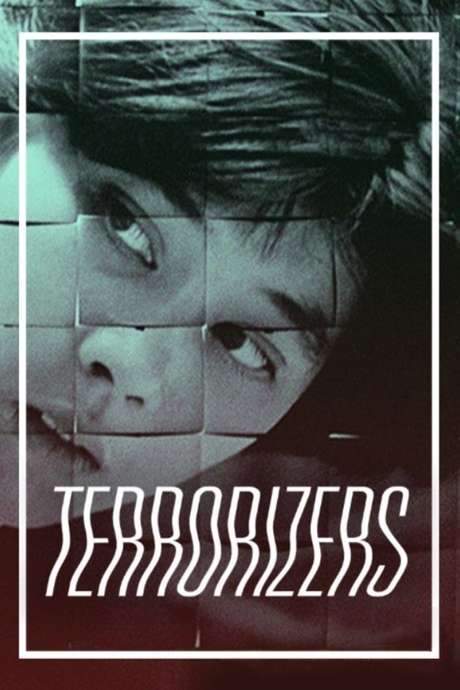
Terrorizers
1986

Wander
2020

The Double Hour
2009
Narrative Summary
Narratives in this thread often feature a character, typically a figure of authority like a judge or investigator, whose grasp on reality is challenged by surreal visions or dreams. These symbolic sequences intertwine with the main plot, representing their internal conflict, buried memories, or a deeper, more ambiguous truth that the straightforward facts cannot capture.
Why These Movies?
These films are united by their atmospheric, often claustrophobic mood and a shared thematic focus on the subjectivity of truth. They blend a tense, real-world scenario with a philosophical, psychological layer, creating a complex viewing experience that is both intellectually stimulating and emotionally heavy.
Unlock the Full Story of Shotyi Bole Shotyi Kichhu Nei
Don't stop at just watching - explore Shotyi Bole Shotyi Kichhu Nei in full detail. From the complete plot summary and scene-by-scene timeline to character breakdowns, thematic analysis, and a deep dive into the ending - every page helps you truly understand what Shotyi Bole Shotyi Kichhu Nei is all about. Plus, discover what's next after the movie.
Shotyi Bole Shotyi Kichhu Nei Summary
Read a complete plot summary of Shotyi Bole Shotyi Kichhu Nei, including all key story points, character arcs, and turning points. This in-depth recap is ideal for understanding the narrative structure or reviewing what happened in the movie.

Shotyi Bole Shotyi Kichhu Nei Timeline
Track the full timeline of Shotyi Bole Shotyi Kichhu Nei with every major event arranged chronologically. Perfect for decoding non-linear storytelling, flashbacks, or parallel narratives with a clear scene-by-scene breakdown.


