Plot Explained Spoilers guaranteed!
Plot Explained

Browse by genre

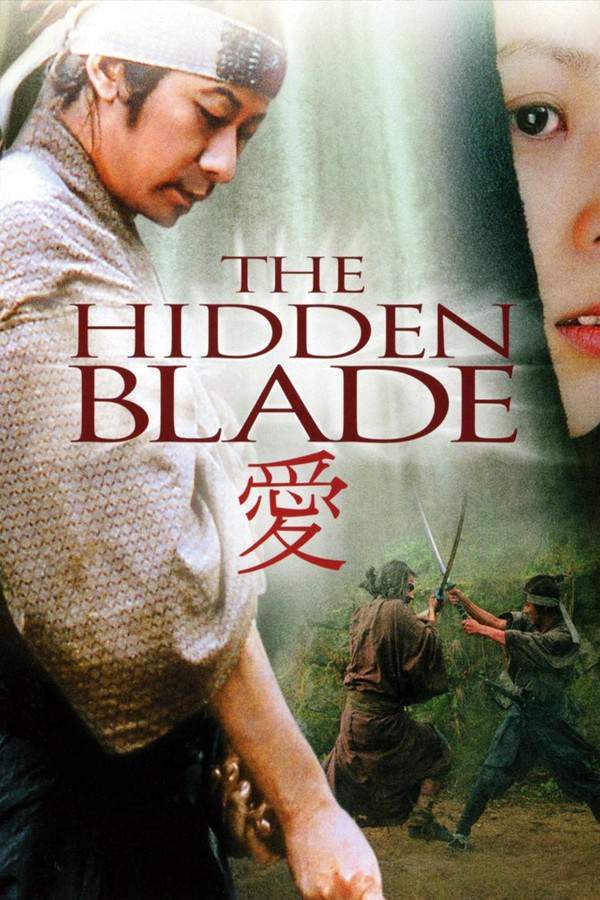
Shinobi: Heart Under Blade (2005) movie poster

Plot Summary

Shinobi: Heart Under Blade (2005) Plot Summary Explained

Release, runtime and language
2005 · 107 mins · Japanese
Loading streaming availability…
Directed by
Ten Shimoyama
Starring
Yutaka Matsushige, Tak Sakaguchi, Kippei Shiina, Renji Ishibashi, Houka Kinoshita, Yukie Nakama

Gennosuke and Oboro belong to rival ninja clans but keep a secret romance defying tradition. At the lord's annual gathering he orders a tournament, pitting the five best shinobi from each village in a fight to the death. Both are chosen to lead their clan’s team, forcing them to face their love amid a lethal showdown that pits duty against desire.

On this page (7)
  1. 1 Where to watch
  2. 2 What happens: full plot
  3. 3 Plot questions answered
  4. 4 Movie threads
  5. 5 Movies like Shinobi: Heart Under Blade
  6. 6 Categories
  7. 7 Every angle
Loading streaming availability…

Full plot summary · contains spoilers

What Happens in Shinobi: Heart Under Blade: Full Plot Summary

The whole story of Shinobi: Heart Under Blade (2005) explained, from the opening scene to the final frame: every key event, every twist and what it all adds up to. Read it as a quick recap before the sequel, to check a scene you missed, or to finally understand what really happened.

Set in the years immediately after the Sengoku period, two mercenary clans—the Iga and the Kouga—have waged a centuries‑long vendetta that shapes their every move. Around 1614, Tokugawa Ieyasu (played by Kazuo Kitamura), the ruler who wouldFOUND the Tokugawa Shogunate, views their feud as a threat to his fragile grasp on power and decides to turn it into a public, high‑stakes contest. To ensure the drama, he invites each clan to pick five of its fiercest warriors to fight to the death, designating the leaders for each side: Kouga Gen-no-suke (played by Joe Odagiri) and Oboro (played by [Yukie Nakama]), two lovers who have kept their marriage secret even as they are pulled into this political trap.

At first, both leaders strive for peace and cling to the value of life, attempting to unravel the shogunate’s motives and to prevent the brutal bout from escalating. The air is thick with doubt as the battles claim more and more comrades, and the once‑clear line between loyalty and love becomes blurred. The couple’s internal conflict mirrors the larger clash between clans, as personal affection collides with centuries of tradition and duty. Throughout this tense arc, the audience is treated to a nuanced look at loyalty, sacrifice, and the heavy costs of political theater.

As the deaths pile up, the lovers confront an almost inescapable fate. In the climactic duel, Kouga Gen-no-suke chooses restraint and ultimately allows Oboro to strike, effectively letting the Iga clan appear to win the day. This act of self‑control and devotion reframes the outcome from mere victory to a moment of undeniable tragedy, underscoring the human cost behind every strategic move in this deadly game.

Moved by the devastating consequences of the feud and by the bravery and sorrow of Oboro, Tokugawa Ieyasu weighs mercy against massacre. He responds not with more bloodshed but with a surprising mercy: he halts the annihilation of the ninja villages. To demonstrate her sincerity and to strip away her most formidable weapon, Oboro blinds herself, sacrificing her famous power—her eyes, associated with the deadly technique known as Piercing Eyes (破幻之瞳, Hagen no Dō). Her drastic act moves Ieyasu to withdraw his armies and issue a protective injunction over the ninja settlements. In time, generations pass and the ninja villages live on in a fragile but enduring peace.

The film weaves a dense tapestry of political intrigue and intimate emotion, reminding viewers that history’s grand sweep often rests on the quiet, painful choices of individuals. It balances sweeping battles with intimate moments of tenderness and resolve, showing how a single decision can reshape an entire world. The story is built around a diverse cast of characters who populate both sides of the feud and who add texture to the political landscape, from seasoned masters to young and devoted followers, each contributing to the legacy of what happens when loyalty collides with love.

The ensemble includes notable performances that deepen the world. One may encounter Hattori Hanzou, a skilled Iga strategist, brought to life by Yutaka Matsushige, whose presence anchors the action with a blend of precision and restraint. The world also features O‑Gen, portrayed by Lily, whose experiences help illuminate the human stakes behind the conflict. And among the Yagyu, the enigmatic Yagyu Jyubei Mitsuyoshi is embodied by Masaki Nishina, adding a layer of political intrigue and loyalty that enriches the narrative.

In the end, the film leaves viewers with a meditation on peace earned through sacrifice, and a reminder that mercy can emerge from the most brutal of theaters. It is a careful, respectful reimagining of a legendary saga, told with a modern clarity that honors its historical roots while inviting audiences to feel the weight of every choice made in the name of clan, country, and love.

Last updated: February 20, 2026 at 18:43

Was this helpful?

Plot questions answered

Shinobi: Heart Under Blade Plot Explained: Your Questions Answered

The questions people ask most about Shinobi: Heart Under Blade (2005): what happens in the confusing scenes, why the characters do what they do, the twists, hidden details and what the ending means. Each answer contains spoilers.

Q1

Why did Tokugawa Ieyasu arrange the deadly shinobi tournament?

Tokugawa Ieyasu orchestrated the tournament as a political strategy to neutralize the threat posed by the independent ninja clans. After establishing the Tokugawa Shogunate around 1614, he viewed the centuries-long vendetta between the Iga and Kouga clans as a potential destabilizing force. By forcing both clans to send five warriors to fight to the death in a public contest, he could weaken their military power while using the spectacle to consolidate his own authority and divert attention from his political consolidation.

Foreshadowing: Early in the film, the narrator establishes that the ninja clans' longstanding feud poses a threat to regional stability, hinting at the shogunate's interest in resolving this problem.

  • tokugawa ieyasu
  • tournament
  • shinobi
  • political strategy
  • power consolidation
Q2

Why did Gennosuke allow Oboro to kill him during their duel?

Gennosuke deliberately yielded because he wanted to break the endless cycle of vengeance between the clans. By letting Oboro kill him and allowing Iga to appear victorious, he created a scenario where the fighting could finally stop. His sacrifice was an act of love and strategy combined, he ensured Oboro would survive and gain enough prestige to negotiate peace, while simultaneously denying the shogunate the continued bloodshed it wanted.

Foreshadowing: Throughout the film, Gennosuke repeatedly expresses his belief in valuing life and his desire to end the pointless vendetta, foreshadowing his ultimate self-sacrifice.

  • gennosuke
  • oboro
  • sacrifice
  • duel
  • love
  • vendetta ending
Q3

Why did Oboro blind herself after defeating Gennosuke?

Oboro blinded herself to prove her sincerity to Tokugawa Ieyasu and protect both ninja villages from destruction. Her eyes possessed the Piercing Eyes technique (破幻之瞳, Hagen no Dō), which made her the most fearsome weapon of the Iga clan. By destroying this power, she demonstrated that the clans were no longer a threat, removing Ieyasu's justification for annihilating them. Her sacrifice was both an act of love for Gennosuke and a strategic move to ensure the survival of both clans.

Foreshadowing: The Iga clan's reputation for powerful techniques is established early, and Oboro's exceptional abilities are referenced as reasons for her selection as leader.

  • oboro
  • blinding
  • piercing eyes
  • sacrifice
  • power
  • village survival
Q4

What convinced Tokugawa Ieyasu to spare the ninja villages?

Ieyasu was moved by Oboro's drastic act of self-sacrifice. When she blinded herself to strip away her deadliest weapon, she demonstrated genuine sincerity and removed the primary justification he had for destroying the clans. Her willingness to sacrifice her most powerful asset, combined with her plea for mercy, transformed his perception of the ninja threat from an uncontrollable danger to a manageable force that could be controlled through peace rather than extermination.

Foreshadowing: The film establishes early on that Ieyasu is a pragmatic ruler who values results over unnecessary bloodshed, suggesting he would accept a peaceful solution if sufficiently convinced.

  • tokugawa ieyasu
  • mercy
  • peace
  • ninja villages
  • slaughter stopped
Q5

What were Oboro's Piercing Eyes abilities?

The Piercing Eyes (破幻之瞳, Hagen no Dō) was a deadly technique associated with Oboro that made her the Iga clan's most formidable warrior. While the exact mechanics aren't detailed in the summary, it was considered a weapon so powerful that it kept the ninja villages at risk, its existence gave the shogunate a reason to fear and want to eliminate the clans. By blinding herself, Oboro destroyed this technique entirely, proving her commitment to peace.

Foreshadowing: Oboro is specifically chosen as the Iga leader precisely because of her exceptional abilities, hinting at a power far beyond ordinary warriors.

  • piercing eyes
  • haban no do
  • oboro technique
  • deadly technique
  • eyes power
Q6

Why couldn't the Iga and Kouga clans refuse Tokugawa's tournament order?

The clans couldn't refuse because refusing would have immediately marked them as enemies of the newly established Tokugawa Shogunate. Around 1614, Tokugawa Ieyasu had consolidated enough power to make defiance suicidal. The tournament was framed as a test of loyalty, giving it the appearance of voluntary participation while实际上 making refusal tantamount to open rebellion. Both clans were trapped by political necessity and the need to prove their allegiance to the new regime.

Foreshadowing: The film's opening establishes the political context of the Sengoku period's end and the rise of the Tokugawa Shogunate, showing the clans' precarious position.

  • tournament order
  • refuse
  • shogunate
  • loyalty
  • political trap
  • defiance
Q7

How did Gennosuke and Oboro's secret marriage impact the tournament?

Their secret marriage created an impossible situation where both lovers were forced to lead their clans into killing each other. The marriage meant that Gennosuke and Oboro had divided loyalties, they genuinely wanted to protect their own clans while also wanting to save each other. This internal conflict intensified throughout the tournament as they watched comrades die, ultimately leading them to seek peace rather than victory. Their personal tragedy became the emotional core that drove the political resolution.

Foreshadowing: Their designation as clan leaders immediately places them in direct opposition, and the film emphasizes the tension between their personal bond and their formal positions from the start.

  • secret marriage
  • gennosuke
  • oboro
  • forbidden love
  • clan leader
  • conflict
Q8

What happened to the Iga and Kouga villages after the tournament ended?

After Oboro's sacrifice convinced Ieyasu to withdraw his armies, the ninja villages were granted protection and allowed to survive. The shogunate issued an injunction protecting the settlements, and the centuries-old vendetta was effectively ended. The film states that generations of peace followed, with the ninja villages living on in relative security while preserving their traditions and secrecy. The legend of Oboro and Gennosuke became a remembered turning point in their history.

Foreshadowing: The film builds toward a message about peace emerging from sacrifice, which the ending explicitly delivers through the lasting truce.

  • ninja villages
  • peace
  • protection
  • igakouga
  • generations
  • survival
Q9

Why did Tokugawa Ieyasu order the ninja villages destroyed after the tournament?

Ieyasu ordered the villages exterminated to completely eliminate the ninja clans as a potential future threat. Despite the tournament's outcome, the existence of skilled shinobi warriors who could operate independently represented a danger to the shogunate's control. The order came immediately after the duel, reflecting his original intent to use the tournament to decimate the clans rather than allow them to rebuild their strength. Oboro's subsequent intervention was required to change this plan.

Foreshadowing: The tournament itself was designed to weaken the clans, and the summary explicitly states Ieyasu wanted to use it to decide leadership while diverting attention from political consolidation.

  • extermination order
  • massacre
  • villages destroyed
  • ieyasu plan
  • shogunate threat
Q10

What did Gennosuke's sacrifice actually achieve?

Gennosuke's death accomplished multiple things: it allowed Iga to technically win the tournament, gave Oboro the prestige and position to negotiate with Ieyasu, and broke the cycle of endless revenge by demonstrating the futility of the feud. His choice to yield transformed the tournament from a simple violent contest into a meaningful sacrifice that proved the clans' willingness to choose love over duty. This sacrifice was essential because it created the emotional foundation for Oboro's later plea and self-blinding to be meaningful.

Foreshadowing: Gennosuke's philosophy of valuing life and his attempts to prevent the fighting throughout the film build toward this ultimate expression of his beliefs.

  • gennosuke sacrifice
  • victory
  • peace
  • cycle breaking
  • love vs duty

Movie threads

More Movies Like Shinobi: Heart Under Blade, by Mood & Story

Curated lists built around what makes Shinobi: Heart Under Blade tick: the same mood, the same kind of story or the same emotional payoff. Each list explains why these movies belong together.

Movies like Shinobi: Heart Under Blade about Forbidden Love and Duty

Romantic bonds are tested by ancient rivalries and impossible loyalties. If you were moved by the tragic romance in Shinobi: Heart Under Blade, explore these movies where love is forbidden by duty, tradition, or war. This collection features similar stories of star-crossed lovers caught between personal desire and collective loyalty, leading to intense emotional and physical conflict.

  • tragic
  • romantic
  • tense
  • melancholic
  • fated
  • devastating
  • Tone: bittersweet, tragic, tense
  • Pacing: steady, escalating
Why these movies?

The story pattern: Stories in this thread typically follow lovers from opposing sides of a deep-seated conflict—be it family feuds, clan wars, or political factions. Their secret romance provides a fragile sanctuary, but external forces (a tournament, a war, a political decree) inevitably force them to choose sides. The narrative arc builds steadily towards a climax where love and duty collide, often resulting in profound sacrifice or loss.

Why they belong together: These movies are grouped together because they share a powerful central conflict between intimate romance and external obligation. They deliver a heavy emotional weight through a steady, tense pacing, leading to bittersweet or tragic conclusions. The experience is defined by melancholic romance, high personal stakes, and the devastating cost of loyalty.

Action Movies with Deadly Tournaments like Shinobi: Heart Under Blade

Characters are forced to fight in a structured, high-stakes contest with personal consequences. Fans of the tense, clan-vs-clan tournament in Shinobi: Heart Under Blade will enjoy these movies featuring structured, high-stakes combat contests. Discover similar stories where skilled warriors are pitted against each other in fights to the death, driven by duty, honor, or political manipulation.

  • tense
  • political
  • devastating
  • loyal
  • sacrificial
  • fated
  • Tone: tense, bleak, political
  • Pacing: steady, structured
Why these movies?

The story pattern: The narrative is built around the framework of a tournament, with clear rules, rounds, and escalating stakes. Characters are selected or compelled to participate, often against their will or personal bonds. The plot progresses through a series of combat encounters, intercut with political intrigue and character drama. The central tension comes from the clash between the impersonal structure of the contest and the deeply personal relationships of the participants.

Why they belong together: These movies are united by the 'tournament arc' plot structure, which creates a natural, steady pacing and consistently high tension. They blend intense, skill-based action with deeper themes of loyalty, sacrifice, and the cost of violence. The experience is defined by a mix of spectacular combat and the heavy emotional weight of characters fighting for survival or under duress.

If you liked this

Movies Like Shinobi: Heart Under Blade

Similar movies to Shinobi: Heart Under Blade: the same genre, themes or kind of story. Each one comes with its own plot summary, timeline and ending explained.

Browse all movie summaries

Categories

Movie Lists Featuring Shinobi: Heart Under Blade

Shinobi: Heart Under Blade appears in these hand-built movie categories. Each one groups movies by a specific mood, theme or story type, with their plot summaries and endings explained.

View all movie categories

Every angle

Shinobi: Heart Under Blade (2005) Explained: Plot, Timeline & Characters

Everything about Shinobi: Heart Under Blade in one place: what happens in the plot summary, the timeline in chronological order, the characters and meaning and a spoiler-free summary. What's After the Movie adds the cast, box office and post-credit scenes.

Coming soon on iOS and Android

The Plot Explained Movie Summary App

Plot summaries, endings explained and timelines on your phone. Catch up on any movie in minutes, save your favorites and never miss a twist again.

Be the first to know when we launch. Your email stays private, always.

Learn more about the app