Year: 2001
Runtime: 116 min
Language: English
Director: Ho Yim
Madame Wu's pursuit of knowledge leads her to question the traditions of her society. While navigating the constraints of an arranged marriage, she finds comfort in her studies and develops a surprising connection with Andre, an American missionary doctor. Their relationship sparks a bittersweet exploration of personal identity, societal expectations, and the complexities of forbidden love.
Warning: spoilers below!
Haven’t seen Pavilion of Women yet? This summary contains major spoilers. Bookmark the page, watch the movie, and come back for the full breakdown. If you're ready, scroll on and relive the story!
Read the complete plot breakdown of Pavilion of Women (2001), including all key story events, major twists, and the ending explained in detail. Discover what really happened—and what it all means.
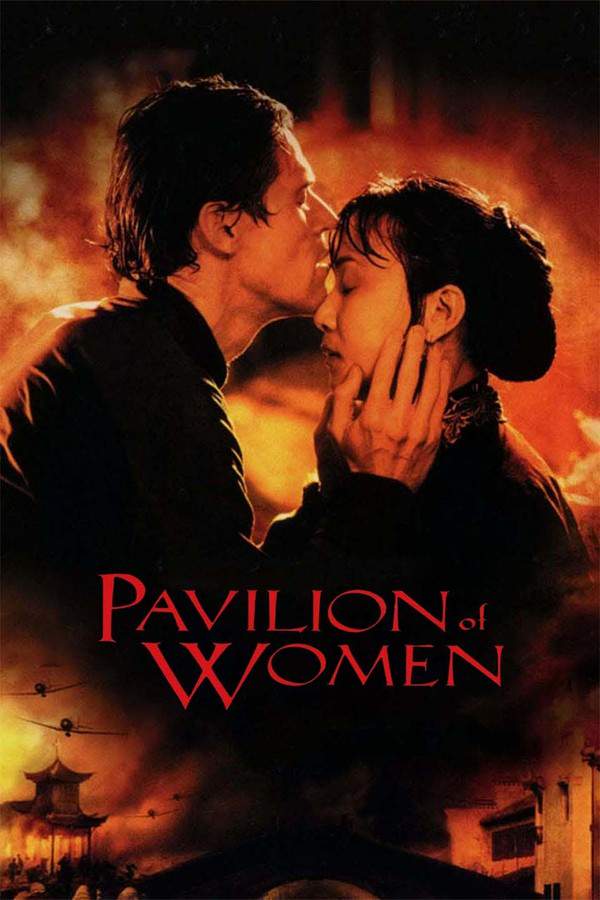
Set in China in 1938, Pavilion of Women intricately portrays the personal and societal upheaval experienced by Madame Wu (Willem Dafoe). Against a backdrop of the declining Chinese Republic and the looming threat of Japanese invasion, the film explores themes of gender roles, cultural expectations, and individual freedom. Madame Wu, a sophisticated woman from an upper-class family, reaches a turning point on her 40th birthday when she makes a daring decision that challenges the traditional norms of her time.
Instead of conforming to her expected role as a dutiful wife, Madame Wu announces her withdrawal from her marital responsibilities and introduces a concubine, Chiuming, into her household to cater to her husband’s needs. This act, shocking to her family and society, signifies her rejection of the oppressive confines of Confucian values that have long dictated her life. The character of Chiuming is portrayed as both beautiful and gentle, embodying innocence and vulnerability, which heightens the emotional stakes of Madame Wu’s choices.
Her decision also marks a radical departure from convention, highlighting her desire for autonomy. Soon after, she encounters Father Andre, an American Catholic missionary and doctor (Willem Dafoe), who is brought in to tutor her son Fengmo Wu. Father Andre is portrayed as compassionate, wise, and progressive—he views women as equal in intellect and advocates for education, dignity, and personal freedom. As their interactions deepen, Madame Wu finds herself engaging in philosophical discussions with him, sparking an emotional and intellectual connection that begins to influence her worldview.
Their bond grows stronger over time, but it stirs suspicion and jealousy in Mr. Wu, who begins to act out of impulsiveness and possessiveness. Meanwhile, Fengmo develops feelings for Chiuming and attempts to run away with her, sparking a family scandal that threatens to tear them apart. Madame Wu intervenes, preventing the escape, but Chiuming’s despair leads her to attempt suicide. She is rescued by Father Andre, but her trauma causes her to panic upon seeing Mr. Wu nearby, culminating in her breakdown. Witnessing this, Madame Wu has a profound realization that every woman deserves freedom and happiness.
Joining forces with Father Andre, Madame Wu helps Chiuming escape by providing her with money and a boat to start anew. During their hurried departure, a rainstorm ensues, and Madame Wu injures her ankle while fleeing. Father Andre assists her into an abandoned house, where, in a tender moment, he kisses her hands, and they share a passionate embrace—an act that signifies her emotional awakening and desire for personal fulfillment.
Upon returning home, their secret is discovered when Fengmo, feeling betrayed and betrayed by his mother’s actions, enlists in the Chinese army. The situation worsens as the Japanese forces invade, forcing the family to evacuate. During an air raid, Mr. Wu decides to flee with his mother and servants, urging Madame Wu to come with them. She refuses, choosing instead to stay and break free from societal constraints. In the chaos, she searches for Father Andre, only to find that he sacrificed himself to protect children at a mission school during the attack.
The film jumps ahead three years, and Madame Wu has found peace in dedicating her life to education and caring for orphaned children—carrying forward Father Andre’s legacy with resilience and grace. Her journey from repression to self-empowerment embodies a profound transformation. The final scene shows her son, now a soldier, returning home accompanied by Chiuming, who has also joined the army, symbolizing hope, reconciliation, and the possibility of a new beginning despite a turbulent past.
Pavilion of Women delivers a powerful portrayal of one woman’s quest for independence amid a society resistant to change, emphasizing that even within the constraints of tradition, personal freedom and love can find a way to flourish.
Last Updated: July 24, 2025 at 08:18
Discover curated groups of movies connected by mood, themes, and story style. Browse collections built around emotion, atmosphere, and narrative focus to easily find films that match what you feel like watching right now.
Romantic connections that defy powerful social conventions and traditions.If you enjoyed the bittersweet romance in Pavilion of Women, explore these other films about forbidden love. Discover stories of characters who brave social scorn and personal risk for a connection that defies the conventions of their world.
These narratives often follow characters trapped by societal duty who find unexpected love with someone from a different class, background, or belief system. The central conflict is between personal desire and external expectations, leading to a journey of self-discovery that is both liberating and costly.
Movies in this thread are grouped by their exploration of love as an act of rebellion. They share a heavy emotional weight, a steady, character-driven pace, and a tone that balances romantic yearning with the melancholic reality of societal constraints, often resulting in bittersweet conclusions.
Stories of women finding their voice and freedom within oppressive structures.For viewers who appreciated Madame Wu's journey in Pavilion of Women, this collection features movies about women's quiet defiance and intellectual awakening. Find similar dramas where female protagonists navigate oppressive systems to discover their own strength and purpose.
The narrative pattern centers on a female protagonist who initially conforms to her role but is sparked by new ideas or a mentor figure. Her rebellion is often subtle—through education, small acts of independence, or an internal shift—rather than overt confrontation, leading to a transformative but costly personal liberation.
This thread connects films through their focus on a specific character arc: the thoughtful, steady-paced journey of a woman breaking free. They share a reflective mood, a high-stakes personal intensity, and a thematic core of sacrifice and intellectual liberation against a claustrophobic backdrop.
Don't stop at just watching — explore Pavilion of Women in full detail. From the complete plot summary and scene-by-scene timeline to character breakdowns, thematic analysis, and a deep dive into the ending — every page helps you truly understand what Pavilion of Women is all about. Plus, discover what's next after the movie.
Track the full timeline of Pavilion of Women with every major event arranged chronologically. Perfect for decoding non-linear storytelling, flashbacks, or parallel narratives with a clear scene-by-scene breakdown.
Discover the characters, locations, and core themes that shape Pavilion of Women. Get insights into symbolic elements, setting significance, and deeper narrative meaning — ideal for thematic analysis and movie breakdowns.
Get a quick, spoiler-free overview of Pavilion of Women that covers the main plot points and key details without revealing any major twists or spoilers. Perfect for those who want to know what to expect before diving in.
Visit What's After the Movie to explore more about Pavilion of Women: box office results, cast and crew info, production details, post-credit scenes, and external links — all in one place for movie fans and researchers.
Discover movies like Pavilion of Women that share similar genres, themes, and storytelling elements. Whether you’re drawn to the atmosphere, character arcs, or plot structure, these curated recommendations will help you explore more films you’ll love.
Pavilion of Women (2001) Scene-by-Scene Movie Timeline
Pavilion of Women (2001) Movie Characters, Themes & Settings
Pavilion of Women (2001) Spoiler-Free Summary & Key Flow
Movies Like Pavilion of Women – Similar Titles You’ll Enjoy
Curse of the Golden Flower (2006) Ending Explained & Film Insights
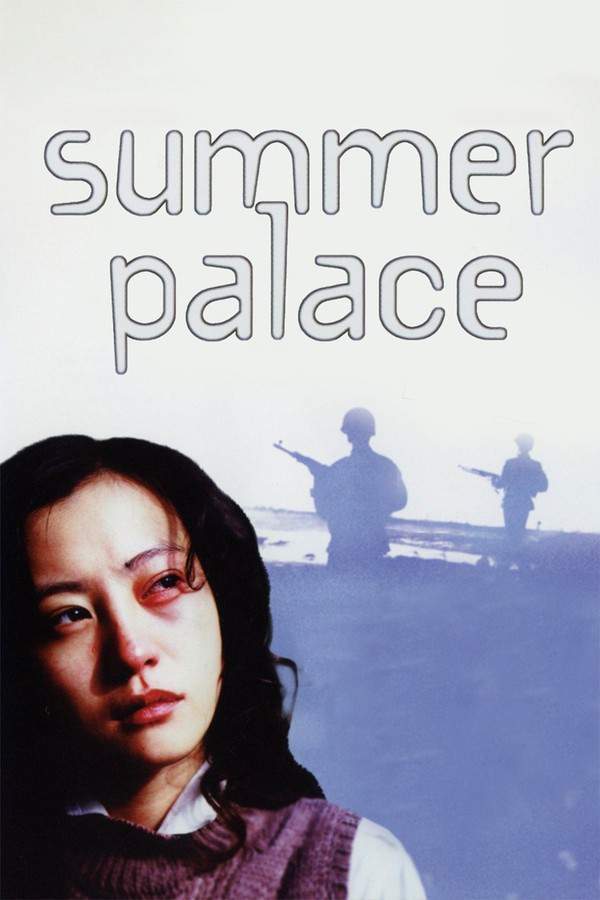
Summer Palace (2008) Ending Explained & Film Insights
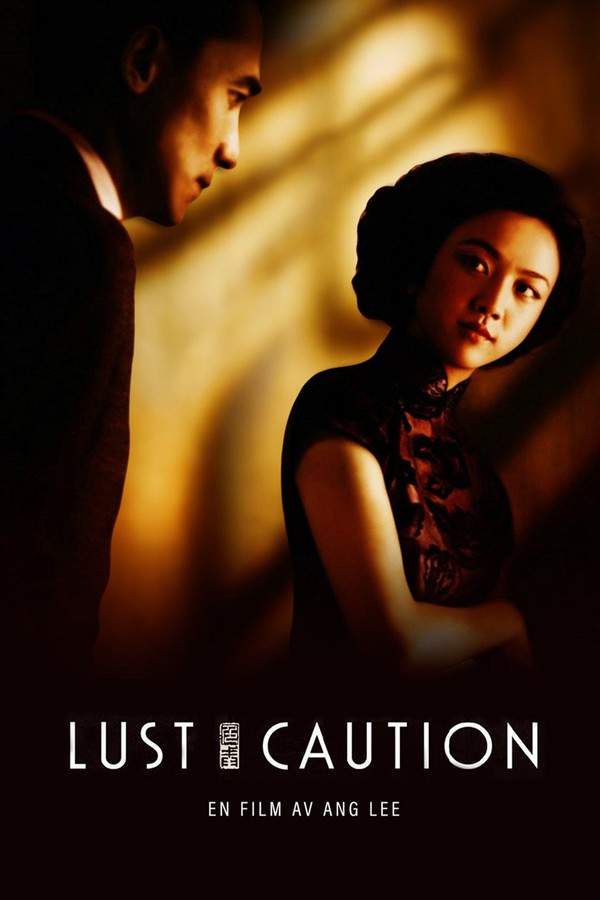
Lust, Caution (2007) Film Overview & Timeline
The Painted Veil (2006) Full Summary & Key Details
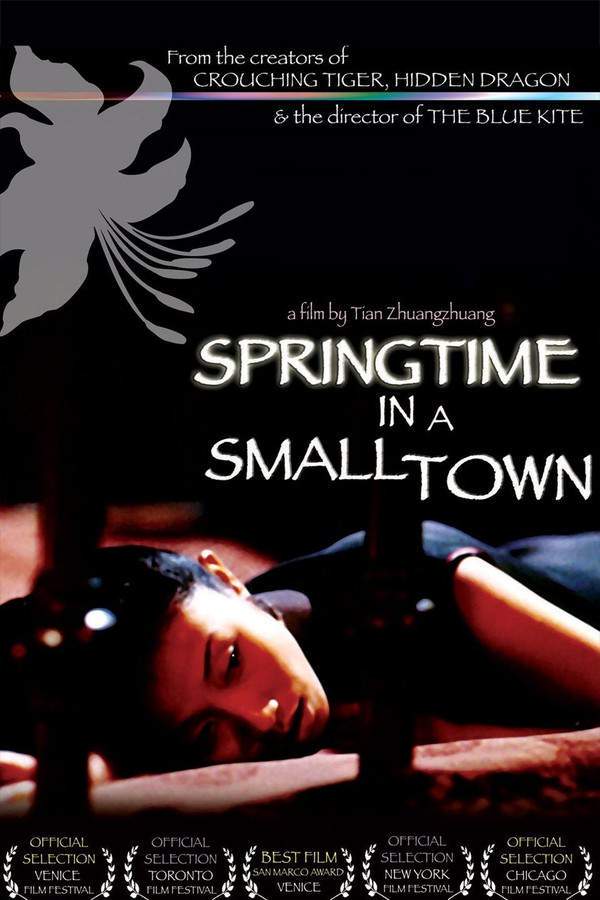
Springtime in a Small Town (2004) Spoiler-Packed Plot Recap
Farewell My Concubine (1993) Detailed Story Recap
The Chinese Widow (2017) Full Movie Breakdown
Peony Pavilion (2001) Movie Recap & Themes
The Forbidden City (1918) Complete Plot Breakdown
The Wooden Man’s Bride (1994) Spoiler-Packed Plot Recap
Mr. Wu (1927) Detailed Story Recap
Intimate Confessions of a Chinese Courtesan (1972) Spoiler-Packed Plot Recap
Disputed Passage (1939) Movie Recap & Themes
China Doll (1958) Full Summary & Key Details
Intimates (1997) Ending Explained & Film Insights