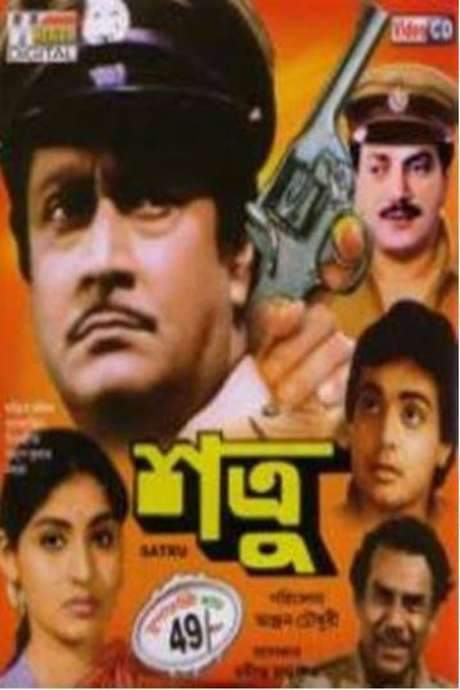
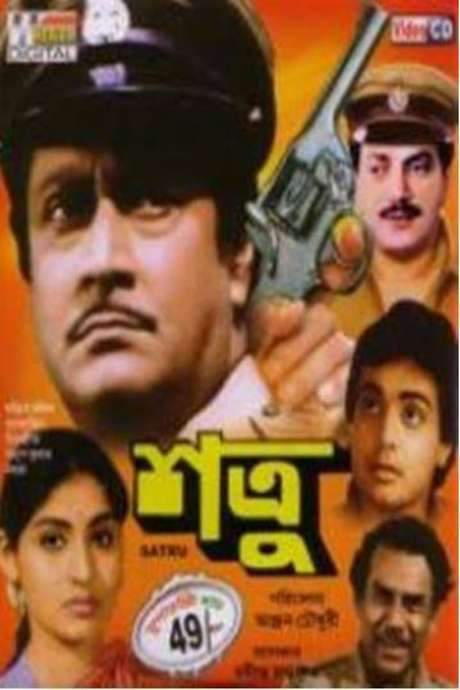
Year: 1986
Runtime: 150 mins
Language: Bengali, Bangla
Director: Anjan Choudhury
Inspector Ashok Sharma assumes charge of a remote police station. Soon he rescues a blind man and a widowed woman and clashes with local strongman Nishikant Shah. When Shah learns the fighter was the new inspector, he seeks reconciliation, but Ashok refuses. Shah and the MLA then fabricate a case accusing Ashok of murdering a detainee, threatening his career and freedom.
Warning: spoilers below!
Haven’t seen Shatru yet? This summary contains major spoilers. Bookmark the page, watch the movie, and come back for the full breakdown. If you're ready, scroll on and relive the story!
Read the complete plot breakdown of Shatru (1986), including all key story events, major twists, and the ending explained in detail. Discover what really happened, and what it all means.
In Haridaspur, a quiet village far from the bustle of the city, an upright Inspector named Ashok Sharma is posted to keep order and protect the vulnerable. From his first days in the town, he proves his resolve by stepping in to save a blind man and a widow, actions that reveal his deep sense of duty and compassion for the people who live on the edge of neglect. This offbeat heroism draws the attention of those who would rather see the village bend to the will of wealth and power, and soon he crosses paths with the local troublemakers led by Nishikanta Saha and his men. The clash is not a dramatic showdown but a clash of values, as Ashok’s insistence on doing right runs into the entrenched interests that profit from exploitation.
The following day brings a sharp revelation: Nishikanta Saha discovers that the man who fought his group is the very inspector who arrived to help. Instead of backing down, Nishikanta seeks a façade of reconciliation, a gesture meant to soften the sting of accountability. Ashok, however, rejects the offer, choosing instead to stand by his principles and continue to look out for those who have no one to defend them. This moment sets the tone for the rest of the story, signaling that the real battle will be about integrity in the face of intimidation.
As events unfold, Ashok learns of the broader corruption that plagues the village, including the misdeeds carried out by Nishikanta Saha and the powerful MLA Gopal Choudhary. The realization strengthens his resolve: he must shield the villagers from being squeezed by the rich and the corrupt. With nowhere to turn for comfort and certainty, he takes up residence in the village as a paying guest in the home of a kind-hearted woman named Asha, gradually embedding himself in the local fabric. In this new ordinary life, he becomes more attuned to the everyday struggles of families and farmers who live under pressure from those who wield money like a weapon.
Among the village children, Ashok forms a soft spot for an orphan named Chotu. The boy’s story—his loyal father, a farmer, having been killed at the hands of Nishikanta’s associates—fuels a growing resolve in Chotu to seek justice in his own way. This bond between the inspector and the child underscores the film’s theme: even a lone guardian can become a beacon for those who have been left out of the system, and the innocence of youth can sharpen the sense of duty in a weary protector.
The scheming triggers a counter-move from the villain’s side. Shah and his ally Choudhry devise a plan to discredit Ashok, weaving a web of manipulation designed to cast doubt on his character. The plot is crafted to make it appear as though Ashok is responsible for the death of a man in his custody, a false narrative that threatens to undo everything he has worked for. The consequence is brutal: Ashok loses his job and his hard-earned reputation, a blow that tests his endurance and commitment to justice.
Through it all, the story maintains a steady, grounded tone that emphasizes the human cost of power struggles and the courage it takes to stand up for the vulnerable. It is a tale of a principled officer who refuses to be cowed by intimidation, even as those around him bend to the pressures of wealth and influence. The film invites viewers to consider what it means to protect a community when the very institutions meant to safeguard it seem compromised, and it leaves a lingering impression of resilience in the face of systemic corruption.
Last updated: February 18, 2026 at 23:44
Explore frequently asked questions about Shatru (1986) with spoiler-rich answers covering the full plot summary, major story beats, character motivations, hidden details, and ending meaning. This movie summary FAQ helps explain confusing scenes, plot twists, and narrative decisions in clear, searchable detail.
Ashok rejected the reconciliation because he understood it was merely a facade intended to avoid accountability. Nishikant Shah's offer was a strategic move to soften the consequences of his actions, not a genuine attempt at peace. Ashok's refusal demonstrated his commitment to standing by his principles and continuing to protect the vulnerable villagers rather than compromising with those who exploited them.
This moment foreshadows Ashok's unwavering stance throughout the film, as he chooses integrity over political convenience.
Shah and Choudhary devised a scheme to make it appear that Ashok was responsible for the death of a man in his custody. They manipulated events and fabricated evidence to create a false narrative that cast doubt on Ashok's character. This orchestrated plot successfully convinced some villagers that Ashok was guilty of murder, despite his innocence.
The framing was set in motion after Ashok refused Shah's reconciliation, signaling that the villains would respond with retaliation.
Chotu's father was a loyal farmer who was killed at the hands of Nishikant Shah's associates. The murder was part of the broader pattern of exploitation and intimidation that Shah and his men used to maintain control over the village. The farmer likely stood up to the exploitation or refused to comply with the criminals' demands, leading to his execution as a warning to others.
Chotu's story is introduced early, with the orphan forming a bond with Ashok, hinting at the personal stakes driving the conflict.
The villagers were manipulated by Shah and Choudhary's carefully crafted false narrative. Since the villains had long exercised power and influence over the village, their version of events carried weight among some residents. Additionally, the sudden nature of the accusations and the villains' established reputation for control made it easy for them to sway public opinion against an outsider like Ashok.
The summary notes Ashok's status as an outsider who must earn trust, making him vulnerable to targeted smears.
Ashok chose to stay in the village to be closer to the people he was determined to protect. By living with Asha, a kind-hearted resident, he could better understand the everyday struggles of the villagers and maintain his commitment to fighting the exploitation by Shah and Choudhary. This arrangement allowed him to embed himself in the local fabric rather than remaining a distant authority figure.
His decision to stay signals his transition from a typical law enforcement officer to an active advocate for the community.
Ashok's motivation stemmed from his deep sense of duty and compassion for the vulnerable. After rescuing a blind man and a widow, and subsequently learning about the villagers being squeezed by wealthy and corrupt individuals, he realized the extent of exploitation. This knowledge strengthened his resolve to protect the community and stand up to those who wielded money like a weapon against farmers and families.
His early actions of rescuing vulnerable villagers establish his character motivation from the very beginning.
Due to the orchestrated false narrative, Ashok was removed from his position as inspector and his reputation suffered greatly. He faced both professional marginalization from his colleagues and social rejection from villagers who had been convinced of his guilt. The summary indicates this was a brutal blow that tested his endurance and commitment to justice.
This consequence directly results from the plot devised by Shah and Choudhary in retaliation for Ashok's refusal to accept reconciliation.
Ashok confronted and fought Nishikant Shah's men during his initial patrol when they threatened a blind man and a widow. Rather than using his official authority alone, he chose to physically intervene and defeat them in a fistfight, demonstrating his willingness to personally protect the vulnerable. This act also asserted his authority as the new inspector and signaled that he would not tolerate the criminals' intimidation tactics.
This confrontation establishes Ashok as a hands-on protector and directly triggers Shah's interest in identifying who this challenger is.
MLA Gopal Choudhary was Nishikant Shah's powerful ally who participated in orchestrating the scheme to ruin Ashok. Together, they contrived the false case that accused Ashok of murdering a detainee in his custody. Choudhary's political power added credibility to the framing and helped amplify the false narrative against the inspector, making it more difficult for Ashok to defend himself.
The summary introduces Choudhary alongside Shah early on, indicating their partnership in exploiting the village.
After learning that his father, a loyal farmer, was killed by Nishikant's associates, Chotu vowed to seek justice through his own means. The orphan's personal vendetta was fueled by grief and the desire to hold the perpetrators accountable for the injustice done to his family. This vow also personalized the broader conflict between Ashok and the villains, adding emotional stakes to the narrative.
Chotu's bond with Ashok deepens after this revelation, as the inspector becomes a protector figure for the orphaned boy.
Ashok discovered that Nishikant Shah and MLA Gopal Choudhary were exploiting the villagers for personal gain. The powerful figures were squeezing farmers and local residents through various forms of intimidation and economic manipulation. Ashok learned that the village had been under the control of these corrupt individuals who used their wealth and influence to oppress the local community.
This discovery directly follows Ashok's refusal of Shah's reconciliation and sets the stage for his active resistance.
Discover curated groups of movies connected by mood, themes, and story style. Browse collections built around emotion, atmosphere, and narrative focus to easily find films that match what you feel like watching right now.
Principled outsiders confront systemic corruption in isolated, tense settings.If you enjoyed Shatru's story of an inspector battling corrupt local powers, you'll find similar tension in these films. This collection features movies where a lone protagonist stands against systemic injustice in isolated, often lawless, settings, creating a compelling 'man against the machine' narrative.
The narrative pattern typically involves an outsider arriving in a corrupt locale, encountering initial resistance, and engaging in a series of escalating clashes with powerful local villains. The conflict often involves framing, false accusations, and a struggle to expose the truth against overwhelming odds.
Movies are grouped here due to their shared focus on righteous individuals challenging corrupt systems in rural or remote environments. They share a tense, oppressive tone, a steady pacing that builds pressure, and a central theme of justice versus exploitation.
Protagonists are wrongly accused and must clear their name against powerful foes.For viewers who liked the false accusation plot in Shatru, this list features movies where the protagonist is framed by corrupt forces. These films share a tense, steady-paced narrative of a character fighting to clear their name and expose the truth against formidable opposition.
The narrative follows a character, often in a position of authority or principle, who is targeted by villains. The antagonists fabricate evidence to frame the hero, leading to a high-stakes battle where the protagonist must uncover the conspiracy and reclaim their honor, often while being hunted or discredited.
These movies are connected by the central plot device of a false accusation, which drives the tension and emotional weight. They feature a determined protagonist, a sense of injustice, and a steady pacing that builds towards a climactic confrontation or vindication.
Don't stop at just watching - explore Shatru in full detail. From the complete plot summary and scene-by-scene timeline to character breakdowns, thematic analysis, and a deep dive into the ending - every page helps you truly understand what Shatru is all about. Plus, discover what's next after the movie.
Track the full timeline of Shatru with every major event arranged chronologically. Perfect for decoding non-linear storytelling, flashbacks, or parallel narratives with a clear scene-by-scene breakdown.
Discover the characters, locations, and core themes that shape Shatru. Get insights into symbolic elements, setting significance, and deeper narrative meaning - ideal for thematic analysis and movie breakdowns.
Discover movies like Shatru that share similar genres, themes, and storytelling elements. Whether you’re drawn to the atmosphere, character arcs, or plot structure, these curated recommendations will help you explore more films you’ll love.
Shatru (1986) Scene-by-Scene Movie Timeline
Shatru (1986) Movie Characters, Themes & Settings
Shatru (1986) Spoiler-Free Summary & Key Flow
Movies Like Shatru – Similar Titles You’ll Enjoy
Nakshatram (2017) Complete Plot Breakdown
Kalki (2019) Full Movie Breakdown
Sathru (2019) Plot Summary & Ending Explained
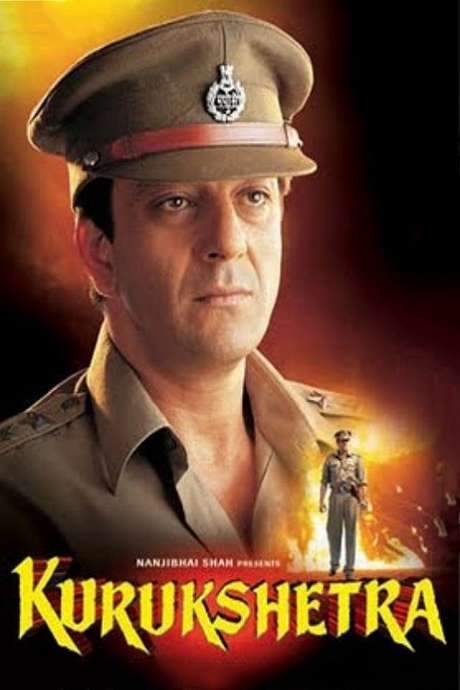
Kurukshetra (2000) Ending Explained & Film Insights
Shatruvu (1991) Movie Recap & Themes
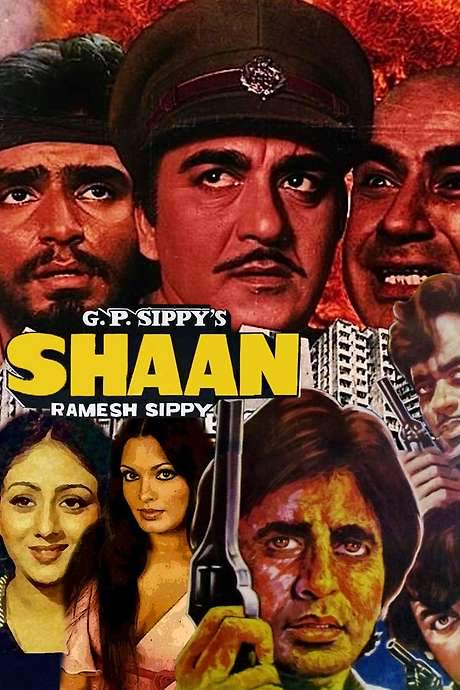
Shaan (1980) Complete Plot Breakdown
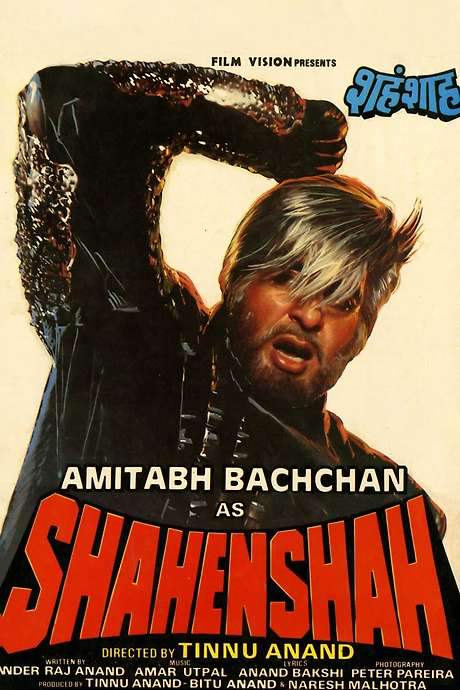
Shahenshah (1988) Spoiler-Packed Plot Recap
Bhrashtachar (1989) Film Overview & Timeline
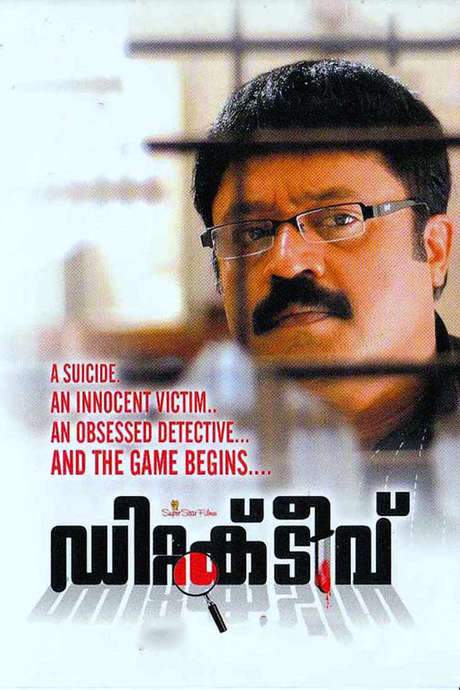
Detective (2007) Spoiler-Packed Plot Recap
Shatru (1986) Story Summary & Characters
Yeshwant (1997) Movie Recap & Themes
Shool (1999) Full Movie Breakdown
Shapath (1997) Movie Recap & Themes
Nishkarsha (1993) Ending Explained & Film Insights
Shikar (1968) Story Summary & Characters