Plot Explained Spoilers guaranteed!
Plot Explained

Browse by genre

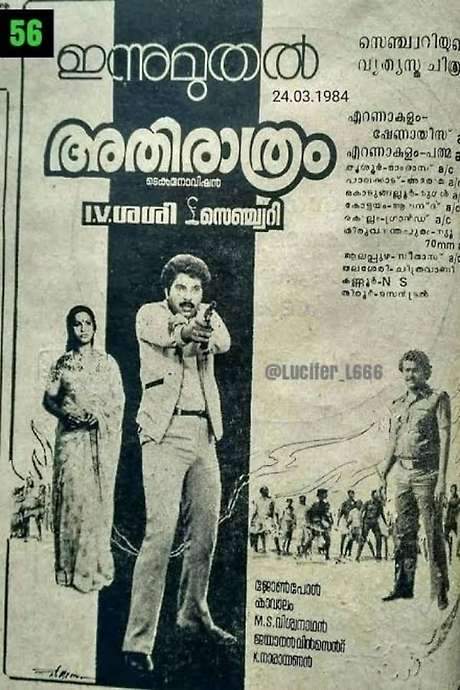
Seetharama Raju (1999) movie poster

Plot Summary

Seetharama Raju (1999) Plot Summary Explained

Release, runtime and language
1999 · 166 mins · Telugu
Directed by
Y. V. S. Chowdary
Starring
Nagarjuna Akkineni, Ahuti Prasad, Banerjee, Chandramohan, Kota Srinivasa Rao, Ravi Teja

Two devoted brothers share a deep bond, but the longstanding rivalry between the families of Sitaiah and Basava Raju erupts into violence, culminating in Sitaiah’s murder. Fueled by grief and loyalty, Ramaraju embarks on a determined quest for vengeance against his foes and restores his family’s honor.

On this page (5)
  1. 1 What happens: full plot
  2. 2 Plot questions answered
  3. 3 Movie threads
  4. 4 Movies like Seetharama Raju
  5. 5 Every angle

Full plot summary · contains spoilers

What Happens in Seetharama Raju: Full Plot Summary

The whole story of Seetharama Raju (1999) explained, from the opening scene to the final frame: every key event, every twist and what it all adds up to. Read it as a quick recap before the sequel, to check a scene you missed, or to finally understand what really happened.

Two rival villages, Pedda Ogirala and Chinna Ogirala, are ruled by two sets of brothers, setting a long-running feud in motion. In Pedda Ogirala, Basavaraju and Chanti hold sway, while in Chinna Ogirala, Seetayya and Ramaraju steer the affairs. The balance of power, loyalties, and pride drives every clash, every quiet moment, and every decision that follows.

A violent incident shatters the fragile calm when Seenu, Seenu, is stabbed by Basavaraju’s son Babji and manages to flee toward Chinna Ogirala. The police intervene, sternly warning Babji not to break the fragile rules that keep the villages from erupting into all-out war. The moment drags Seenu into a web of alliances and betrayals that will test every family to its core. Basavaraju’s Uncle, Ahuti Prasad, stands as a blunt reminder of old loyalties and the harsh consequences of crossing lines drawn by generations of enmity. Seenu’s tale and Basavaraju’s suspicions begin to intertwine, pulling Seetayya and Ramaraju toward a crisis they will have to confront together.

As Seenu explains the backstory—Basavaraju’s rapid moves to seize land and power—the two leaders weigh protection, honor, and the safety of their people. Seetayya, determined to shield Seenu, steps forward, and Ramaraju, his brother, prepares to meet the mounting challenge. The two leaders confront Basavaraju at the village border, where a tense confrontation unfolds and the police struggle to keep fists from flying. A blow lands: Ramaraju strikes back when Chanti insults Seetayya’s mother, a moment that cements a lasting rift but also clarifies how deep the wounds run. Amid the chaos, Basavaraju’s anger boils over as he declare that the deadlock must end with a show of strength, while Seetayya’s resolve to protect his family hardens.

Love and duty thread their way through the blood and dust. Ramaraju’s sister Sumathi, Sumathi, unexpectedly falls for Seenu, complicating loyalties even further. Meanwhile, Ramaraju’s fiancée Satya, Sakshi Shivananda, arrives with relatives and well-wishes, signaling a momentary calm before more storms. The Holi festival brings color to the villages but also heightens the tensions: Chanti aggressively targets workers who side with Seetayya’s family, reminding everyone that old feuds rarely stay buried.

As the personal sides of the feuds tighten their grip, Gowri Gowri enters the scene, and Satya wrestles with the notion that love could conflict with family loyalties. Ramaraju’s resolve deepens, and a quiet, complicated romance begins to bloom with Gowri, even as the larger war between the families rages on. The two men weigh tradition against the possibility of forgiveness, while Kum ar, the loyalist Kumar, and other henchmen maneuver to tilt the balance in Basavaraju’s favor.

The story widens to include Chandu, Chandu, and Sivaji, Sivaji Sontineni, who become pawns and players within the escalating feud. Tensions peak as Basavaraju mounts a calculated strike, and Seenu, along with his ally Suri, moves to counterattack. The situation becomes a tangled web of loyalties, old grievances, and new loves, as the two villages inch toward a breaking point that could erase a generation of peace.

A crucial turn comes when Basavaraju’s grandmother, portrayed by Nirmalamma, offers quiet counsel that lightens the mood but does not end the danger. Ramaraju and Seetayya, two leaders who began as bitter rivals, find themselves drawn toward a possible reconciliation, even as the practical needs of their people push them toward retaliation and justice. Chandi’s influence, though a dark thread, still cannot erase the memory of the past or the weight of the present.

Amid escalating violence, Satya, Gowri, and Sumathi become emblematic of the human cost of the feud. Ramaraju’s wedding to Gowri becomes a pivotal moment, a symbol that love can endure even when social norms frown upon it. Yet the looming threat remains: Basavaraju’s schemes and the relentless pressure of Basavaraju’s circle pull Seenu and his allies into a deadly confrontation. The parties collide at every turn, and the path to peace looks increasingly fraught with danger.

In a dramatic sequence of bravery and tragedy, Seetayya confronts the encroaching violence with resolve and, in a bid to shield his people, makes a sacrifice that changes everything. The clash culminates as Seetayya dies, holding the hand of Ramaraju—an act that both shatters and unites the brothers in the face of overwhelming loss. The death leaves Ramaraju with a heavy burden and a vow: to end the cycle of vengeance that has consumed their families.

What follows is a fierce, painstaking pursuit of justice. Ramaraju returns to Basavaraju’s domain, where he confronts the remnants of Basavaraju’s henchmen, including Chanti, with a determination born from grief and a sense of duty. In the wake of Seetayya’s death, Ramaraju acts with a quiet precision—united with his brother in their shared resolve—and ensures that the bodies of the fallen are exposed to the light of accountability. The battle is brutal, the cost steep, but the outcome is a reorganization of power and a clear message: the old grudges will not define the future.

The tale closes with a tense, hard-won balance: Basavaraju and Chanti step back, their grandmother coming to terms with a changed landscape, and the two villages, for a time, find a fragile peace as the wedding rituals begin to bind families that once stood apart. Yet the story does not pretend that all wounds heal quickly. In a final, stark moment, Ramaraju summons the brutal courage of his resolve, rises from the ashes of tragedy, and embarks on a path of revenge that will redefine his family’s legacy. He defeats the remaining henchmen, carries the weight of his elder brother’s death, and, in a grim, determined gesture, embraces the hard road ahead as the two villages face an uncertain, but shifted, future.

Last updated: October 05, 2025 at 11:23

Was this helpful?

Plot questions answered

Seetharama Raju Plot Explained: Your Questions Answered

The questions people ask most about Seetharama Raju (1999): what happens in the confusing scenes, why the characters do what they do, the twists, hidden details and what the ending means. Each answer contains spoilers.

Q1

Why does Seetayya die at the temple?

Seetayya dies protecting his brother Ramaraju during the climactic confrontation at the temple. Basavaraju and Chanti set a trap, and when the violence erupts, Seetayya takes a fatal blow while holding Ramaraju's hand. His sacrifice marks the turning point that fuels Ramaraju's vow for revenge.

Foreshadowing: Earlier confrontations at the village border establish the deep bond between the brothers, making Seetayya's ultimate sacrifice feel inevitable.

  • seetayya death
  • temple climax
  • brother sacrifice
  • basavaraju trap
Q2

What does Ramaraju do after Seetayya's death?

After Seetayya dies holding his hand, Ramaraju is consumed by grief and vows to end the cycle of vengeance. He returns to Basavaraju's domain, confronts the remaining henchmen including Chanti, kills them to exact revenge, retrieves Seetayya's son, and restores his family's honor.

Foreshadowing: The moment when Ramaraju strikes back after Chanti insults his mother establishes his protective nature toward family.

  • ramaraju revenge
  • seetayya death consequence
  • family honor
  • vengeance quest
Q3

Why does Satya step aside and let Ramaraju marry Gowri?

Satya decides to step back from the marriage after witnessing the deepening bond between Ramaraju and Gowri, as well as the complexities created by the ongoing feud. Her decision allows Ramaraju to pursue his relationship with Gowri while she removes herself from a situation clouded by violence and uncertainty.

Foreshadowing: Gowri's introduction and her developing romance with Ramaraju happens alongside Satya's arrival, creating a natural triangulation of relationships.

  • satya ramaraju marriage
  • gowri relationship
  • love triangle
  • village feud
Q4

Why does Babji attack the wedding venue?

Babji, Basavaraju's son, arrives at the wedding venue specifically to kill Ramaraju as part of the ongoing feud between the two villages. The attack is Babji's attempt to eliminate Ramaraju and swing the balance of power in favor of Basavaraju's family. During the attack, Kumar is killed and chaos erupts.

Foreshadowing: Earlier warnings about Basavaraju's land-grabbing ambitions and the violent stabbing of Seenu establish the escalatING threats.

  • babji attack
  • wedding shooting
  • kumar death
  • basavaraju son
Q5

How did the rivalry between Pedda Ogirala and Chinna Ogirala begin?

The feud between the two villages dates back generations, with Basavaraju and Chanti ruling Pedda Ogirala while Seetayya and Ramaraju lead Chinna Ogirala. The rivalry is fueled by land disputes, old grievances, and family pride. Basavaraju's anger at his father's portrait over an affair with Seetayya and Ramaraju's mother hints at the deep-rooted personal origins of the conflict.

Foreshadowing: The family portrait scene where Basavaraju scorches his father's picture reveals the personal history driving the village enmity.

  • village feud origin
  • pedda ogirala chinna ogirala
  • rivalry history
  • familygrudge
Q6

Does Ramaraju defeat Basavaraju and Chanti?

Yes, Ramaraju defeats Basavaraju and Chanti in the final confrontation. After Seetayya's death, Ramaraju returns to Basavaraju's house, kills the remaining henchmen, and forces Basavaraju and Chanti to step back. The grandmother accepts the changed landscape, and a fragile peace is established as wedding rituals begin to merge the once-divided families.

Foreshadowing: The earlier warning from Basavaraju's grandmother about the consequences of endless violence foreshadows this outcome.

  • ramaraju victory
  • basavaraju defeat
  • feud end
  • village peace
Q7

What is Seenu's role in the story?

Seenu serves as the catalyst for the escalation of violence between the villages. He is stabbed by Basavaraju's son Babji and flees to Chinna Ogirala for protection. His backstory about Basavaraju's land theft brings the two village leaders into direct conflict. Additionally, his presence creates a romantic subplot as Sumathi, Ramaraju's sister, falls in love with him.

Foreshadowing: The stabbing incident at the very beginning immediately sets the conflict in motion.

  • seenu stabbed
  • catalyst violence
  • land dispute
  • sumathi love
Q8

Who is Kumar and why is he killed at the wedding?

Kumar is a loyal supporter of Seetayya and Ramaraju's family. During Babji's attack on the wedding venue, Kumar is killed while trying to protect the family. His death represents another loss in the escalating cycle of violence between the two villages.

Foreshadowing: Earlier references to Kumar as a loyalist establish his allegiance before his tragic death.

  • kumar death
  • wedding attack
  • loyalist killed
  • basavaraju henchmen
Q9

Why does Basavaraju scorch his father's portrait?

Basavaraju burns his father's portrait in anger, blaming it for an affair his father had with Seetayya and Ramaraju's mother. This act reveals the deeply personal roots of the feud and shows how past family betrayals continue to fuel present-day violence between the villages.

Foreshadowing: This scene establishes the intergenerational nature of the rivalry and the personal grievances driving Basavaraju's actions.

  • basavaraju portrait
  • family affair
  • feud origin
  • personal vendetta
Q10

What happens after the Holi festival in the movie?

After the Holi festival brings temporary calm, Chanti beats several workers who support Seetayya's family, reigniting the violence. This attack demonstrates how the feud remains ever-present beneath any festive表面的 peace and reminds viewers that old grievances cannot be easily buried.

Foreshadowing: The Holi festival earlier provided a brief moment of unity, making Chanti's subsequent attack more impactful.

  • holi festival attack
  • chanti violence
  • worker assault
  • feud renewal
Q11

What role does Basavaraju's grandmother play in the ending?

Basavaraju's grandmother provides quiet counsel throughout the film and ultimately accepts the changed reality after Ramaraju's vengeance. She represents the older generation's weariness with endless conflict and her acceptance signals the possibility of lasting peace between the villages.

Foreshadowing: Her earlier counsel during tense moments establishes her as a voice of reason seeking reconciliation.

  • grandmother peace
  • older generation
  • family resolution
  • truce acceptance

Movie threads

More Movies Like Seetharama Raju, by Mood & Story

Curated lists built around what makes Seetharama Raju tick: the same mood, the same kind of story or the same emotional payoff. Each list explains why these movies belong together.

Blood Feud Action Dramas like Seetharama Raju

Stories where ancient family rivalries erupt into cycles of violence and retribution. If you liked the intense family feud and revenge story in Seetharama Raju, explore more movies where ancient rivalries lead to violent vendettas. These action-packed dramas feature strong brotherly bonds, themes of honor, and a bittersweet cost for justice.

  • vengeful
  • tense
  • grief-stricken
  • suspenseful
  • somber
  • determined
  • Tone: tense, vengeful, somber
  • Pacing: fast, driven by confrontation
Why these movies?

The story pattern: These narratives typically begin with a historical grievance or a triggering act of violence, such as a murder, that sets a protagonist on a determined quest for revenge. The journey is marked by escalating confrontations, tests of loyalty, and the exploration of whether justice can truly be achieved without profound personal loss.

Why they belong together: Movies are grouped here for their shared focus on the cyclical nature of violence within feuds, the heavy emotional weight of grief and duty, and the tense, fast-paced progression towards a climax where vengeance is achieved but often at a great cost.

Emotional Revenge Journeys like Seetharama Raju

Protagonists driven by profound loss on a relentless path to avenge their loved ones. For viewers who appreciated the grief-stricken quest for justice in Seetharama Raju, this section collects movies where a devastating loss ignites a determined and emotionally heavy mission of vengeance, often with a fast-paced, tense narrative.

  • grief-stricken
  • determined
  • vengeful
  • oppressive
  • somber
  • suspenseful
  • Tone: somber, determined, tense
  • Pacing: fast, relentless
Why these movies?

The story pattern: The narrative pattern follows a protagonist who, after suffering a shattering loss, channels their grief into a single-minded mission. Their journey is less about a complex mystery and more about a direct, often brutal, confrontation with those responsible, exploring themes of justice, closure, and the personal cost of retribution.

Why they belong together: These films are united by their core emotional engine: a protagonist motivated by acute grief. They share a high-intensity, tense atmosphere, a fast-paced drive towards confrontation, and a focus on the heavy emotional consequences of choosing vengeance.

If you liked this

Movies Like Seetharama Raju

Similar movies to Seetharama Raju: the same genre, themes or kind of story. Each one comes with its own plot summary, timeline and ending explained.

Browse all movie summaries

Every angle

Seetharama Raju (1999) Explained: Plot, Timeline & Characters

Everything about Seetharama Raju in one place: what happens in the plot summary, the timeline in chronological order, the characters and meaning and a spoiler-free summary. What's After the Movie adds the cast, box office and post-credit scenes.

Coming soon on iOS and Android

The Plot Explained Movie Summary App

Plot summaries, endings explained and timelines on your phone. Catch up on any movie in minutes, save your favorites and never miss a twist again.

Be the first to know when we launch. Your email stays private, always.

Learn more about the app