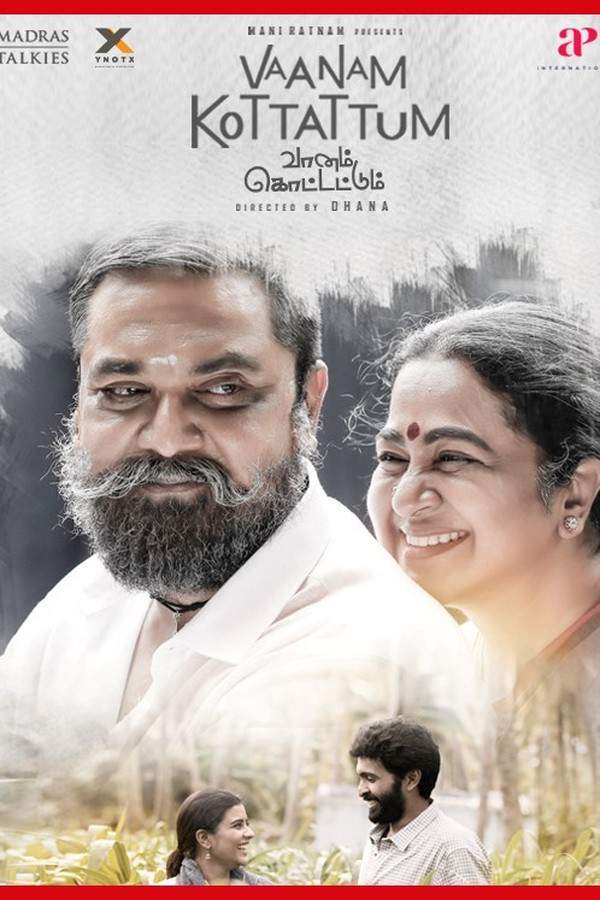
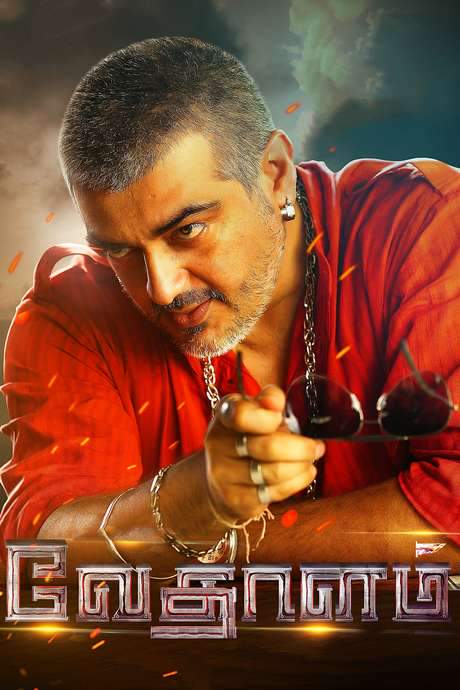
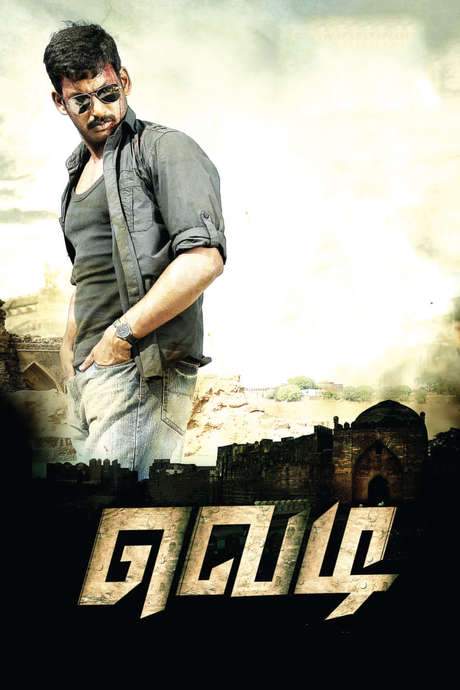
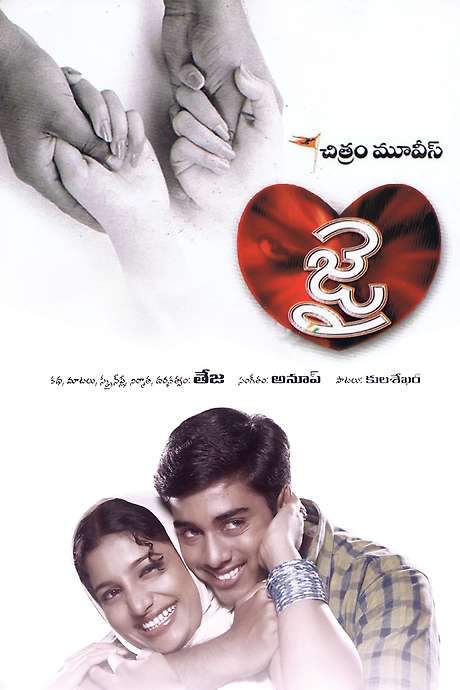
Dhanunjaya Rao and Chandra Sekhar begin as two inseparable friends, their bond tested right from the moment fate blesses them with two sons on the same day. The film follows their intertwined lives as wealth, power, and pride shape their choices. The peace between them is shattered when a high-stakes police operation led by Chandra Sekhar against a dreaded goon culminates in a brutal swap: the goon’s abducted son is exchanged for Dhanunjaya Rao’s son. In a moment of personal vendetta, Chandra Sekhar shoots the criminal, but the price is terrible—Dhanunjaya Rao’s son dies, and his wife Lakshmi collapses in a coma, drowning the family in grief and rage.
Driven by a blood feud and the desire for vengeance, Dhanunjaya Rao hunts for the missing child and ends up confronting the truth that his own blood spilled in the chaos. In a reckless burst of retribution, he slays Chandra Sekhar’s son, whom he later hides, worsening the rift between the two families. Time passes, and the losses linger. Lakshmi remains in a coma, and Dhanunjaya Rao is consumed by the hunt for the elusive boy, while an uneasy silence settles over the home.
Into this volatile world steps a stern, principled force of reform, Durga Prasad—a man of integrity and defiance who challenges corrupt cops and abuses of power that prey on the vulnerable. He arrives at Dhanunjaya Rao’s household and quickly becomes a catalyst for change. He befriends Charulatha / Baby, a buoyant, mischievous presence who brings light into the house and helps soften the edges of years of sorrow. Through a string of clashes and reconciliations, Durga Prasad earns the trust of the grieving couple, and his perseverance gradually helps Lakshmi regain her strength and clarity.
The narrative then pivots to a new chapter with the unveiling of a fresh tragedy: Simbhu Prasad arrives, claimed to be Chandra Sekhar’s son, only to be killed in a fateful collision with Durga Prasad. This revelation shakes the family’s foundations and reshapes alliances. The parents, recognizing a deep connection with Durga Prasad, embrace him as their son and begin planning his future, including an arranged marriage. However, the revelation that Chamundeswari—the couple’s ambitious sister—has her own designs casts a long shadow over the family’s happiness. She questions the legitimacy of Durga Prasad’s relationship with the family and tries to redraw loyalties.
A shift to village life introduces Kaaleswara Rao, the village MP and husband of Chamundeswari, who holds power over the community through fear and control. In this backdrop, Hema, a woman of striking beauty and resolve, enters the frame and catches Durga Prasad’s eye. She is drawn to his steadfastness, and he to her courage. In parallel, Kulashekar Rao, Hema’s father, grapples with tradition and caste expectations as he negotiates a marriage alliance with Visweswara Rao (Durga Prasad’s father) to protect family pride. The village atmosphere intensifies when Kaaleswara Rao retaliates with arrests and intimidation, threatening the fragile peace.
Despite the mounting pressure, Hema stands by Durga Prasad. She chooses to live at his home, dedicating herself to his recovery and to the larger struggle for justice. Their bond grows into a steadfast partnership, strengthened by shared adversity and mutual respect. The wedding plans are complicated when Chamundeswari uncovers a startling truth: Durga Prasad is not simply a guest in their lives but the fostered son of Visweswara Rao, a revelation that unsettles everyone and leads to a clash of loyalties that threatens to derail the alliance.
In a dramatic twist, it is revealed that Durga Prasad is the actual son of Chandra Sekhar, while Simbhu Prasad is his younger progeny, connected to Visweswara Rao. This revelation is orchestrated to restore balance and heal old wounds, signaling a chance for reconciliation among the warring factions. Enraged by the past, Dhanunjaya Rao confronts Kaaleswara Rao and Chamundeswari, while Lakshmi steps in to prevent a descent into violence. In a moment of daring sacrifice, Durga Prasad resists vengeance at the last moment, allowing the path to forgiveness to open.
With tensions quelled, the tables turn toward a hopeful resolution. Durga Prasad executes the pursuit of justice against the remaining malefactors, and Dhanunjaya Rao—having faced the worst life can offer—chooses forgiveness over blood feud, embracing Chandra Sekhar once more. The film closes on a festive note, as Durga Prasad and Hema enter into marriage, and the families find a renewed sense of harmony, celebration, and future promises.
- A sweeping tale of friendship, duty, and reconciliation unfolds across two generations, weaving together themes of vengeance, love, caste tension, and the redemptive power of forgiveness.
- The narrative grounds itself in the consequences of past choices, the complexities of loyalty, and the enduring hope that families can heal when confronted with the truth.
- Throughout, characters are tested by moral dilemmas, but the story ultimately leans toward unity, marking a hopeful end where relationships are mended and new unions are celebrated.