Plot Explained Spoilers guaranteed!
Plot Explained

Browse by genre

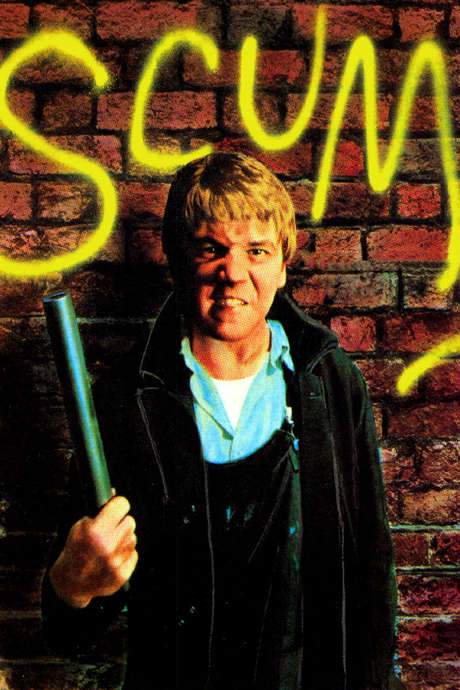
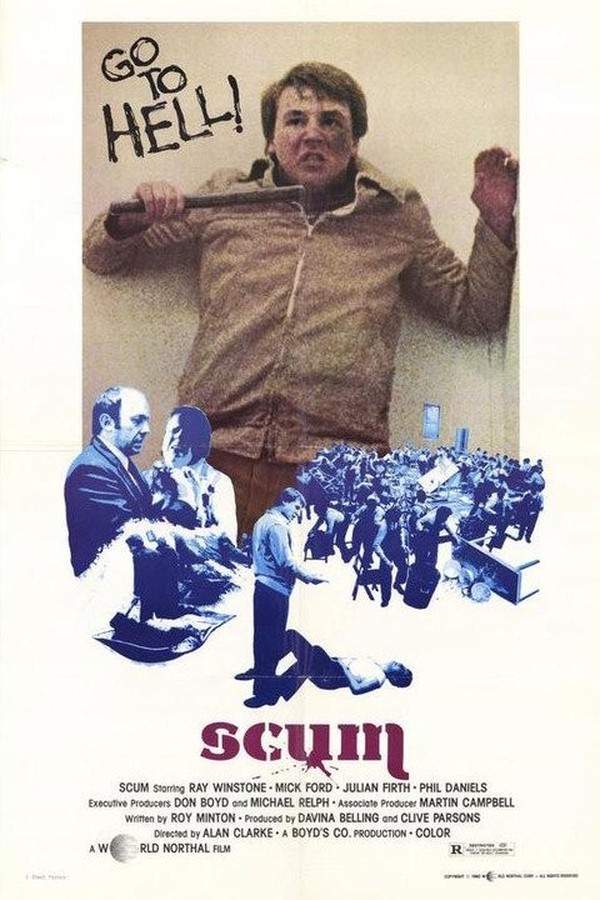
Scum (1980) movie poster

Characters & Themes

Scum (1980) Characters, Setting & Themes Explained

Release, runtime and language
1980 · 98 min · English
Loading streaming availability…
Directed by
Alan Clarke
Starring
Ray Winstone, Phil Daniels, Julian Firth, George Winter, Herbert Norville, John Blundell

This film portrays a harsh and disturbing account of a British detention center for young offenders in the late 1970s. The brutal environment prioritized control over rehabilitation, fostering a constant struggle for power among the inmates. It explores the psychological impact of the institution's oppressive regime on the vulnerable boys within its walls.

On this page (8)
  1. 1 Where to watch
  2. 2 Characters explained (2)
  3. 3 Where & when it takes place
  4. 4 Themes & meaning (3)
  5. 5 Character & meaning questions
  6. 6 Movie threads
  7. 7 Movies like Scum
  8. 8 Every angle
Loading streaming availability…

2 main characters · contains spoilers

Scum Characters Explained: Who Is Who

The main characters of Scum (1980), heroes and villains: what drives them, how they change over the course of the story and what each of them reveals about the film's bigger ideas.

  • Ray Winstone

    Ray Winstone's character emerges as a dominant figure within the borstal, leveraging his physical strength to assert power over others. His complex portrayal reveals the vulnerabilities and motivations that drive him in such a harsh environment. He embodies the fight for survival amidst the brutality that defines life in the institution.

    • 👮 Strength
    • 🔥 Survival
  • Phil Daniels

    Phil Daniels plays a more intellectual inmate, attempting to combat the oppressive conditions through thought rather than violence. His character represents the internal struggle of those who seek change within a broken system, emphasizing the futility of non-violent resistance in such an environment.

    • 🧠 Intellect
    • ✊ Resistance

Last updated: May 26, 2025 at 06:39

Was this helpful?

Setting

Where and When Does Scum Take Place?

The setting of Scum (1980): the year and time period, the places and locations, and how they shape the characters, the mood and the tension of the story.

Time period

While the movie does not specify an exact period, it reflects the societal attitudes toward juvenile offenders prevalent during the late 20th century. This time saw a growing recognition of the systemic issues within reform schools, though the brutality depicted remains a stark reminder of the treatment of young people within the penal system.

Location

Borstal, Reform School

The borstal serves as a harsh reform school where young offenders face severe conditions. Known for its strictness and brutality, the facility is overseen by indifferent guards who maintain a culture of violence and fear among the inmates. The stark environment underscores the challenges and injustices faced by troubled youth seeking rehabilitation.

  • 🏫 Borstal
  • 🏢 Institution

Last updated: May 26, 2025 at 06:39

Was this helpful?

3 major themes

Scum Meaning: Themes & Message Explained

What is Scum (1980) really about? The emotional, social and philosophical themes the film keeps returning to, its symbolism and the message beneath the surface.

  • Violence

    Violence is a central theme, highlighting the brutal reality of life in a borstal. Inmates resort to aggression as a means of survival, leading to a culture where power dynamics are established through fear and intimidation. This cycle of violence reflects the systemic failures of a system designed to 'reform' rather than punish.

  • Tragedy

    The tragic outcomes for the young inmates illustrate the emotional and psychological toll of their circumstances. The severe impact of bullying and lack of support leads to desperation, culminating in tragic decisions, such as the suicide of a victimized inmate. This theme serves as a poignant commentary on the failures of the juvenile justice system.

  • Intellectual Resistance

    Intellectual resistance is embodied in one inmate's efforts to fight the oppressive system through non-violent means. This theme highlights the struggle to find agency amidst systemic dehumanization, showing how knowledge and ideas can challenge the status quo, even when faced with overwhelming violence.

Last updated: May 26, 2025 at 06:39

Was this helpful?

Character & theme questions

Scum Characters & Meaning: Your Questions Answered

The questions people ask about Scum (1980): who the characters really are, their relationships, what the symbols mean, where it takes place and what the movie is really about. Each answer contains spoilers.

Q1

What is a borstal and where is the film set?

Scum is set in a British borstal, which was a type of reform school for young offenders. The film takes place inside this harsh detention center, depicting the brutal institutional environment where young criminals were sent as an alternative to prison. The setting emphasizes the stark, oppressive nature of the facility and its failing mandate to rehabilitate troubled youth.

Foreshadowing: The opening scenes establish the borstal's grim atmosphere through its Coldingley location, immediately immersing viewers in the institution's oppressive world.

  • borstal
  • reform school
  • detention center
  • british prison
  • setting
Q2

When does the movie take place?

While the film does not specify an exact date, it reflects the late 1970s era of British juvenile detention. This period saw growing awareness of systemic problems within reform schools, though the brutal treatment of young offenders depicted in the film remained a grim reality. The time context underscores the film's commentary on societal attitudes toward youth crime and punishment.

  • 1970s
  • late 20th century
  • era
  • juvenile justice
  • british history
Q3

How does the film portray violence in the borstal?

Violence is the central theme of Scum, depicting how inmates survive through aggression in an environment where power is established through fear and intimidation. The film shows how the institutional system's failure to rehabilitate creates a brutal cycle where young offenders resort to violence as their only means of survival, reflecting the systemic failures of a penal system meant to reform rather than punish.

  • violence
  • bullying
  • survival
  • power dynamics
  • institutional violence
Q4

What tragedy occurs in the film?

The film depicts a tragic suicide by a victimized inmate who succumbs to the severe bullying and psychological torment inflicted by other prisoners. This devastating event serves as a poignant commentary on the emotional and psychological damage caused by the borstal system and its failure to protect vulnerable young people from abuse.

  • suicide
  • tragedy
  • bullying
  • psychological impact
  • victimization
Q5

How does intellectual resistance play a role in the story?

One inmate, played by Phil Daniels, embodies intellectual resistance by attempting to fight the oppressive borstal system through non-violent means rather than physical aggression. His character represents those who seek change through knowledge and ideas, though the film illustrates the futility of such resistance in an environment dominated by violence and dehumanization.

  • intellectual resistance
  • non-violent protest
  • activism
  • knowledge
  • system critique
Q6

What role does Ray Winstone's character play?

Ray Winstone portrays the dominant inmate who uses his physical strength to assert power and control over other prisoners. His character embodies the survival mentality that thrives in the borstal's brutal environment, revealing the complex motivations and vulnerabilities that drive individuals to dominate others when faced with constant threat and violence.

  • ray winstone
  • dominant inmate
  • power
  • physical strength
  • leadership
Q7

What motivates Phil Daniels' character?

Phil Daniels plays an intellectual inmate who motivates change through thought and strategy rather than physical confrontation. His character represents those who seek agency within a dehumanizing system, attempting to challenge the status quo through peaceful resistance, even when facing overwhelming odds and violence.

  • phil daniels
  • intellectual inmate
  • motivation
  • resistance
  • non-violence
Q8

What does the film say about the juvenile justice system?

Scum serves as a stark critique of the British juvenile justice system, illustrating how institutions designed to reform young offenders instead become warehouses of violence and abuse. The film depicts how indifferent guards foster a culture of fear, how the system fails to provide rehabilitation, and how vulnerable boys are left to survive through brutal hierarchies that cause lasting psychological damage.

  • juvenile justice system
  • reform school failure
  • systemic abuse
  • institutional failure
  • british penal system
Q9

What is the overall tone and outcome of the film?

Scum maintains a consistently bleak tone throughout, offering no redemption or hope for the characters. The narrative culminates in a violent riot and a tragic death, reinforcing the film's hopeless view of the borstal system. The emotional weight is heavy, dealing directly with themes of abuse and systemic failure without providing any satisfying resolution or redemption arc.

  • bleak tone
  • ending
  • riot
  • emotional weight
  • lack of hope

Movie threads

More Movies Like Scum, by Mood & Story

Curated lists built around what makes Scum tick: the same mood, the same kind of story or the same emotional payoff. Each list explains why these movies belong together.

Movies about brutal institutions like Scum

Harrowing stories exposing the psychological damage of oppressive systems. If you were gripped by the raw portrayal of a borstal in Scum, this list features similar movies about oppressive systems. Discover other grim dramas that explore institutional failure, power struggles, and survival within harsh environments like prisons and detention centers.

  • oppressive
  • claustrophobic
  • grim
  • harsh
  • disturbing
  • anxious
  • Tone: bleak, harsh, disturbing
  • Pacing: steady, immersive
Why these movies?

The story pattern: Stories in this thread typically follow characters, often vulnerable or rebellious, who enter a rigid system designed to break them. The narrative charts their psychological degradation, their confrontations with abusive authority, and their attempts to maintain their humanity or seize power in a hopeless environment, often culminating in tragedy or rebellion.

Why they belong together: These films are grouped together due to their shared focus on closed, authoritarian settings as a central conflict. They create a consistent mood of oppression and claustrophobia, prioritize a heavy emotional weight, and offer a bleak critique of systemic power and its impact on the individual.
Bleak and realistic movies like Scum

Grim, straightforward narratives that offer no escape or redemption. For viewers who appreciated the unflinching realism and bleak tone of Scum, this collection features similarly heavy dramas. Find movies that share a steady, immersive pace, a straightforward narrative complexity, and a commitment to portraying grim realities without resorting to sentimentality or hopeful endings.

  • bleak
  • grim
  • disturbing
  • harsh
  • somber
  • heavy
  • Tone: bleak, grim, disturbing
  • Pacing: steady, methodical
Why these movies?

The story pattern: The narrative pattern is often straightforward, avoiding complex twists in favor of a direct, cumulative exposure to a difficult truth. The story unfolds as a series of escalating hardships, focusing on the degradation of characters and the inevitability of a tragic or hopeless conclusion, reinforcing the film's central grim message.

Why they belong together: These films are united by a dominant bleak tone, heavy emotional weight, and a steady, immersive pacing that prioritizes atmosphere over intricate plot. They deliver a consistent vibe of despair and are defined by their refusal to offer catharsis or hope, leaving a lasting impact of solemn realism.

If you liked this

Movies Like Scum

Similar movies to Scum: the same genre, themes or kind of story. Each one comes with its own plot summary, timeline and ending explained.

Browse all movie summaries

Every angle

Scum (1980) Explained: Plot, Timeline & Characters

Everything about Scum in one place: what happens in the plot summary, the timeline in chronological order, the characters and meaning and a spoiler-free summary. What's After the Movie adds the cast, box office and post-credit scenes.

Coming soon on iOS and Android

The Plot Explained Movie Summary App

Plot summaries, endings explained and timelines on your phone. Catch up on any movie in minutes, save your favorites and never miss a twist again.

Be the first to know when we launch. Your email stays private, always.

Learn more about the app