Year: 1974
Runtime: 98 mins
Language: English
Director: Donald Wrye
A teenage runaway is placed under state care and sent to a girls’ remand centre, where she endures a harsh bureaucracy, violent peers, and the lingering abuse of her family. Amid the cruelty, one compassionate care worker recognises her hidden strength and encourages her to rise above the grim circumstances.
Warning: spoilers below!
Haven’t seen Born Innocent yet? This summary contains major spoilers. Bookmark the page, watch the movie, and come back for the full breakdown. If you're ready, scroll on and relive the story!
Read the complete plot breakdown of Born Innocent (1974), including all key story events, major twists, and the ending explained in detail. Discover what really happened—and what it all means.
Christine “Chris” Parker, Linda Blair, is a 14-year-old runaway whose repeated run-ins with the law lead to a stay at a girls’ juvenile detention center. She arrives with a heavy burden from home: a father who beats her on a regular basis and a mother who sits in denial, trapped in front of television and cigarette smoke, unconcerned with the harm happening under her roof. Her older brother Tom Parker, Mitch Vogel, knows what she endures but is unable to help because his own responsibilities pull him in another direction. This harsh family backdrop sets the stage for Chris’s troubled path through a system that seems to miss the root of her pain.
Within the detention center, the social worker Emma Lasko, Allyn Ann McLerie, fails to recognize that the real source of Chris’s troubles lies at home. The juvenile justice framework places the blame squarely on the girl, treating symptoms rather than seeking the underlying wounds. The environment is dominated by a culture of indifference, where most staff members seem detached or unprepared to address the trauma driving Chris’s behavior. Among the few flares of humanity is Barbara Clark, Joanna Miles, a dedicated counselor who genuinely tries to reach through the walls of fear and anger that Chris has built around herself. Barbara’s interventions are thoughtful and patient, aimed at coaxing Chris to open up about her experiences and pain, but the defense surrounding her scars is stubborn and protective.
Despite Barbara’s best efforts, Chris remains guarded, resistant to sharing or acknowledging the abuse she endured. The center becomes a crucible where trust is scarce, and the tension between Chris and the system gradually hardens into a defensive, almost clinical reserve. The atmosphere is further intensified when Chris endures a brutal incident: she is attacked in the shower and sexually assaulted by fellow inmates, a traumatic event that highlights the system’s failings and the vulnerable position of a girl already carrying the weight of unspoken abuse. Compounding the horror, a pregnant resident whom Chris befriends suffers a miscarriage while in isolation, a moment that casts a stark light on the cruelty and neglect surrounding them. The staff’s pervasive indifference amplifies Chris’s sense of abandonment and mistrust.
As these pressures mount, a clash between Chris and Emma Lasko escalates into a physical confrontation, and a riot erupts within the facility. When authorities investigate, Chris asserts that she had nothing to do with the disturbance, attempting to preserve a fragile sense of self that has already been warped by years of trauma and neglect. The aftermath is a sobering scan of the system’s judgments and misread signals, with Barbara Clark watching helplessly as the girl she believes in slowly loses her innocence. The final image is stark: a once innocent, intelligent, decent girl transformed into someone capable of manipulation, vengeance, and cruelty, seemingly destined to become a criminal adult once she reaches the age of legal responsibility.
The story unfolds as a somber meditation on how a broken home, an overwhelmed or indifferent system, and a few stubborn acts of care can shape a young life. It questions where responsibility truly lies—the family that aches behind closed doors or the institutions meant to protect—and it leaves viewers with a lingering sense of the cost of neglect. Through Chris’s volatile arc, the film probes themes of resilience, vulnerability, and the dangerous edge where fear can morph into hostility when help remains evasive and distant. The characters—Christine Parker, Linda Blair in the title role; Emma Lasko, Allyn Ann McLerie; Barbara Clark, Joanna Miles; Mr. Parker, Richard Jaeckel; Mrs. Parker, Kim Hunter; Tom Parker, Mitch Vogel; and Miss Murphy, Mary Murphy—together paint a sobering portrait of a system struggling to balance care with consequence.
Last Updated: October 09, 2025 at 10:45
Discover curated groups of movies connected by mood, themes, and story style. Browse collections built around emotion, atmosphere, and narrative focus to easily find films that match what you feel like watching right now.
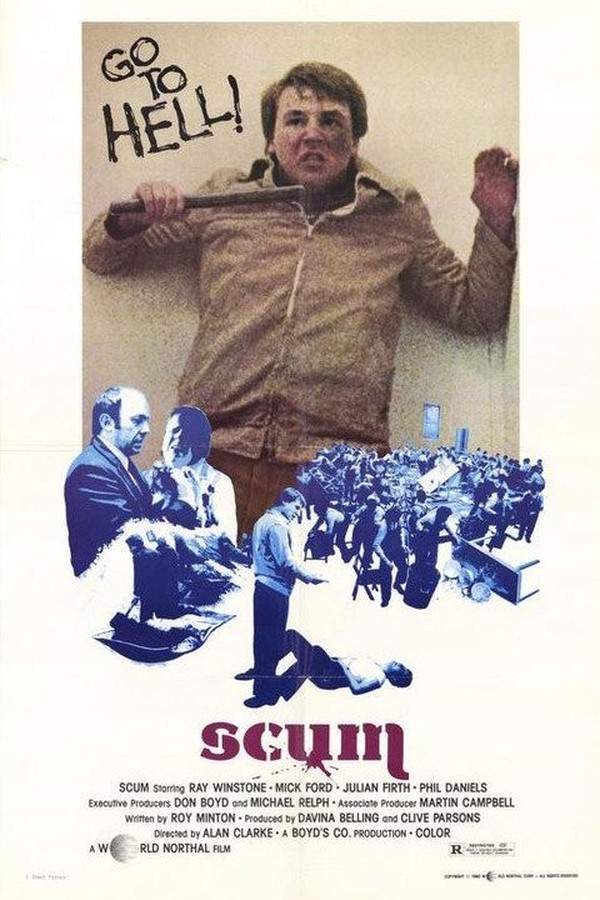
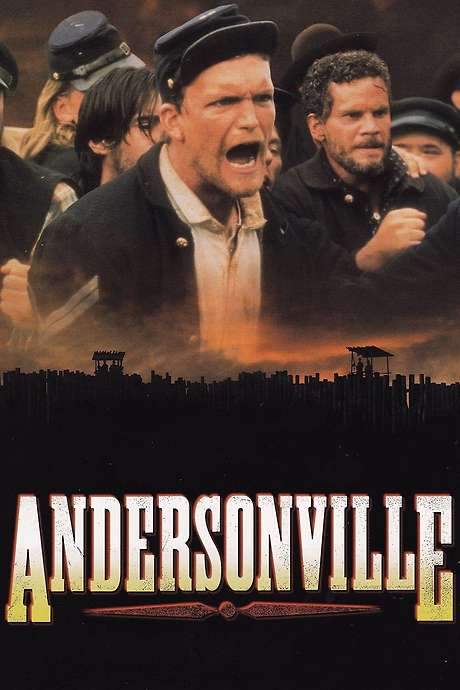
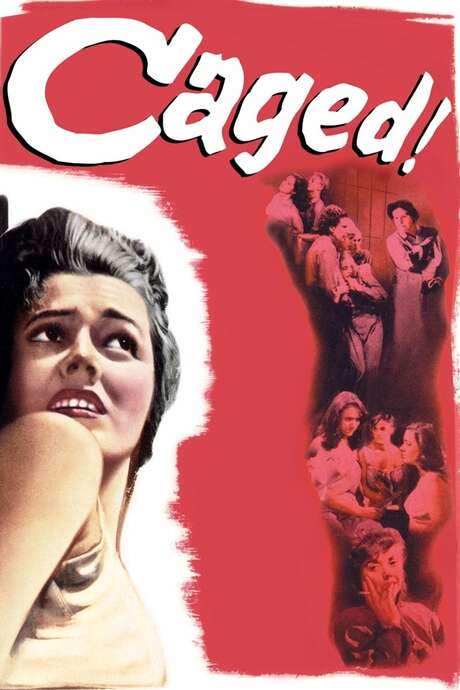
Stories of individuals crushed by the impersonal cruelty of uncaring systems.If you liked the oppressive atmosphere of Born Innocent, this thread features movies with similar stories of survival within harsh systems. These films explore themes of institutional neglect, systemic failure, and the fight to maintain humanity in brutally unforgiving environments.
These narratives typically follow a protagonist's entry into a rigid, often cruel institution. The plot unfolds through their encounters with abusive authority figures, violent peers, and soul-crushing bureaucracy, charting a psychological descent or a desperate battle for survival with little hope of a positive outcome.
Movies are grouped here for their shared oppressive mood, bleak tone, and focus on the devastating impact of institutions on the individual. They feature high emotional weight, steady pacing that builds dread, and an unflinching look at systemic failure.
A brutal loss of innocence where trauma, not growth, defines the transition to adulthood.For viewers of Born Innocent who appreciate its stark portrayal of a shattered youth, this thread collects movies about traumatic adolescence. These films focus on the destruction of innocence through abuse, assault, and neglect, leading to bleak and heartbreaking conclusions.
The narrative pattern involves a young protagonist subjected to extreme physical or psychological suffering, often from family or a trusted system. The story follows their psychological deterioration, the crushing of their spirit, and ends with them irrevocably changed for the worse, having lost their innocence in the most violent way possible.
These films are united by their focus on the darkest side of growing up. They share a heavy emotional weight, a bleak and somber tone, and a straightforward, often linear, progression into tragedy. The experience is characterized by high intensity and a profound sense of sadness.
Don't stop at just watching — explore Born Innocent in full detail. From the complete plot summary and scene-by-scene timeline to character breakdowns, thematic analysis, and a deep dive into the ending — every page helps you truly understand what Born Innocent is all about. Plus, discover what's next after the movie.
Track the full timeline of Born Innocent with every major event arranged chronologically. Perfect for decoding non-linear storytelling, flashbacks, or parallel narratives with a clear scene-by-scene breakdown.
Discover the characters, locations, and core themes that shape Born Innocent. Get insights into symbolic elements, setting significance, and deeper narrative meaning — ideal for thematic analysis and movie breakdowns.
Get a quick, spoiler-free overview of Born Innocent that covers the main plot points and key details without revealing any major twists or spoilers. Perfect for those who want to know what to expect before diving in.
Visit What's After the Movie to explore more about Born Innocent: box office results, cast and crew info, production details, post-credit scenes, and external links — all in one place for movie fans and researchers.
Discover movies like Born Innocent that share similar genres, themes, and storytelling elements. Whether you’re drawn to the atmosphere, character arcs, or plot structure, these curated recommendations will help you explore more films you’ll love.
Born Innocent (1974) Scene-by-Scene Movie Timeline
Born Innocent (1974) Movie Characters, Themes & Settings
Born Innocent (1974) Spoiler-Free Summary & Key Flow
Movies Like Born Innocent – Similar Titles You’ll Enjoy
Girl (2020) Story Summary & Characters
Born (2007) Plot Summary & Ending Explained
Born to Be Sold (1981) Movie Recap & Themes
The Innocent (1985) Spoiler-Packed Plot Recap
Crime of Innocence (1985) Complete Plot Breakdown
Sin of Innocence (1986) Film Overview & Timeline
Deadly Innocents (1989) Complete Plot Breakdown
Girl in the Basement (2021) Movie Recap & Themes
Broken Innocence (2024) Full Summary & Key Details
The Innocent (1972) Film Overview & Timeline
Born for Hell (1976) Detailed Story Recap
Requiem for a Maiden (1992) Detailed Story Recap
Girls in Prison (1994) Film Overview & Timeline
Little Miss Innocence (1973) Plot Summary & Ending Explained
Seed of Innocence (1980) Full Summary & Key Details