Year: 1979
Runtime: 98 mins
Language: English
Director: Alan Clarke
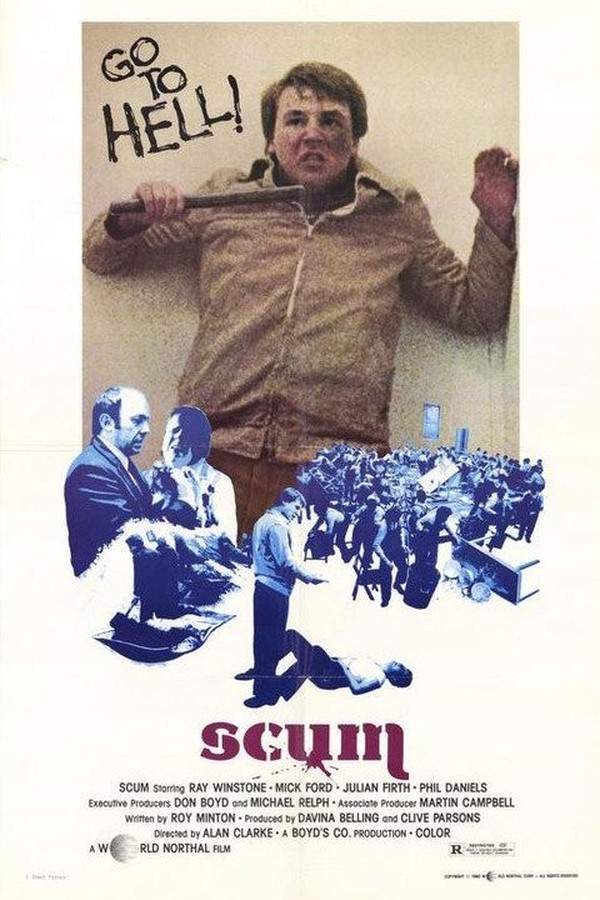
In Borstal, survival rules! Powerful, uncompromising drama about two boys’ struggle for survival in the nightmare world of Britain’s notorious Borstal Reformatory.
Warning: spoilers below!
Haven’t seen Scum yet? This summary contains major spoilers. Bookmark the page, watch the movie, and come back for the full breakdown. If you're ready, scroll on and relive the story!
Read the complete plot breakdown of Scum (1979), including all key story events, major twists, and the ending explained in detail. Discover what really happened—and what it all means.
Three young men arrive at a borstal by prison van: Carlin, Angel, and Davis. Each is allocated a room; Angel and Davis get single rooms, while Carlin is sent to a dormitory. Carlin, who has taken the blame for his brother’s scrap-metal theft, settles into a tense, watchful quiet as he begins to navigate the strict hierarchy of the institution.
Carlin quickly befriends Archer, an eccentric and intelligent inmate serving two years for workplace fraud who prefers peaceful disruption over open confrontation. Archer explains that Banks, the current “Daddy” of the wing, maintains power through bullying and fear, aided by Richards and Eckersley, with staff largely turning a blind eye. This establishes the social map of the borstal: a fragile balance where leadership is earned through intimidation and where the authority of the staff is compromised by indifference.
Davis and Angel quickly become targets as Banks’s violence spills over into the new arrivals’ lives. Davis is hazed and attacked, while Angel is brutalized in his room. To temper his anxiety and keep a low profile, Carlin watches as the trio is soon put on report after a brutal encounter, and the fear inside the dormitory intensifies. In this climate, helplessness and aggression fuel each other, and the line between protector and aggressor begins to blur.
Determined to claim control and protect the others, Carlin uses a sobering moment of calculated violence. He corners Richards with an improvised cosh—two snooker balls tucked into a sock—and, after forcing Eckersley to back off from reporting him, seeks out Banks. In a brutal washroom ambush, he delivers a severe beating and proclaims a new order: the wing will answer to a leader who will not tolerate interference. The move earns him the uneasy respect of many inmates and signals a chilling shift in the Borstal’s dynamics, showing that Carlin’s strategy hinges on fear, leverage, and the willingness of others to play along.
As days pass, Carlin’s grip tightens. He defeats an opposing wing’s Daddy, establishing himself as the central authority across the house. With Archer and Meakin by his side, he curbs the victimization of weaker prisoners and curbs racially charged violence, presenting a more orderly, if still brutal, system. His ascent catches the warders’ attention, and the staff begin to acknowledge his control—he even negotiates a single cell in exchange for acting as a “natural leader” to the housemaster, Mr. Goodyear.
Meanwhile, Toyne—Meakin’s friend—receives devastating news from in-laws that his wife has died. Depression takes hold of him, and warders scold him for moping as he slips into a profound despair. Slashing his arms, Toyne is moved to an adult prison, where he dies after a second suicide attempt. Carlin advises caution to avoid Eckersley and his cronies, but tragedy keeps creeping into the borstal’s walls, coloring every decision with fear and grief.
The crisis deepens when Davis is subjected to a brutal gang-rape by three youths who had asked for a smoking break. A warder, Sands, sees what happens but grins and does nothing to intervene, and later that night Davis kills himself with a razor blade after being ignored when he presses the help button. Warder Greaves does not intervene, and the defiance of the system bursts into the open tragedy that has been quietly simmering beneath the surface.
The aftermath shocks the establishment into action. In the dining hall, the inmates sit in silence, jolted into action by Davis’s death and Toyne’s earlier loss. Carlin initiates a full-scale riot, pulling Archer and Meakin into a reckoning with the staff. The wardens beat them, dragging them into solitary confinement, while the Governor announces that the damage to the dining hall will be paid through lost earnings. In a final, somber moment, the Governor leads a minute of silent prayer for Davis and Toyne, underscoring the human cost of a system that legitimacy comes at the price of dignity.
Last Updated: October 09, 2025 at 12:31
Discover curated groups of movies connected by mood, themes, and story style. Browse collections built around emotion, atmosphere, and narrative focus to easily find films that match what you feel like watching right now.
Stories that expose the soul-crushing cruelty and moral decay of total institutions.If you found the harsh reality of Scum compelling, explore more movies like it that pull back the curtain on brutal institutions. These films share a focus on survival, power struggles, and the failure of authority, offering similarly grim and emotionally heavy viewing experiences.
These narratives typically follow an individual or group trapped within an unforgiving system. The central conflict is against the institution itself—its rules, its authorities, and the fellow inmates shaped by it. The story arc often involves a struggle for power or dignity that is ultimately crushed or rendered futile by the overwhelming weight of the system.
These movies are grouped together because they share a core thematic focus on institutional failure and the dynamics of power in closed, oppressive environments. They create a similar mood of claustrophobic dread and offer a stark, often cynical, critique of societal structures.
Narratives where hope is extinguished and characters spiral into inevitable tragedy.For viewers who appreciated the raw, hopeless intensity of Scum, this collection features similar films with bleak endings and heavy emotional impact. These stories share a dark tone, steady pacing toward tragedy, and a powerful, often disturbing, narrative focus on human suffering without redemption.
The narrative pattern is a linear progression of escalating misery and conflict. Characters may attempt to resist or gain control, but their efforts are met with increasingly brutal consequences. The plot structure serves to systematically dismantle any possibility of hope, leading to an ending that confirms the worst fears about the world of the story.
These films are united by their shared commitment to a dark, pessimistic worldview and an emotional journey that is overwhelmingly heavy. The similarity lies in the cumulative effect of their tone, pacing, and narrative resolution, all working in concert to create a profoundly bleak experience.
Don't stop at just watching — explore Scum in full detail. From the complete plot summary and scene-by-scene timeline to character breakdowns, thematic analysis, and a deep dive into the ending — every page helps you truly understand what Scum is all about. Plus, discover what's next after the movie.
Track the full timeline of Scum with every major event arranged chronologically. Perfect for decoding non-linear storytelling, flashbacks, or parallel narratives with a clear scene-by-scene breakdown.
Discover the characters, locations, and core themes that shape Scum. Get insights into symbolic elements, setting significance, and deeper narrative meaning — ideal for thematic analysis and movie breakdowns.
Get a quick, spoiler-free overview of Scum that covers the main plot points and key details without revealing any major twists or spoilers. Perfect for those who want to know what to expect before diving in.
Visit What's After the Movie to explore more about Scum: box office results, cast and crew info, production details, post-credit scenes, and external links — all in one place for movie fans and researchers.
Discover movies like Scum that share similar genres, themes, and storytelling elements. Whether you’re drawn to the atmosphere, character arcs, or plot structure, these curated recommendations will help you explore more films you’ll love.
Scum (1979) Scene-by-Scene Movie Timeline
Scum (1979) Movie Characters, Themes & Settings
Scum (1979) Spoiler-Free Summary & Key Flow
Movies Like Scum – Similar Titles You’ll Enjoy
Bully (2001) Detailed Story Recap
Borstal Boy (2002) Plot Summary & Ending Explained
Scum (1980) Story Summary & Characters
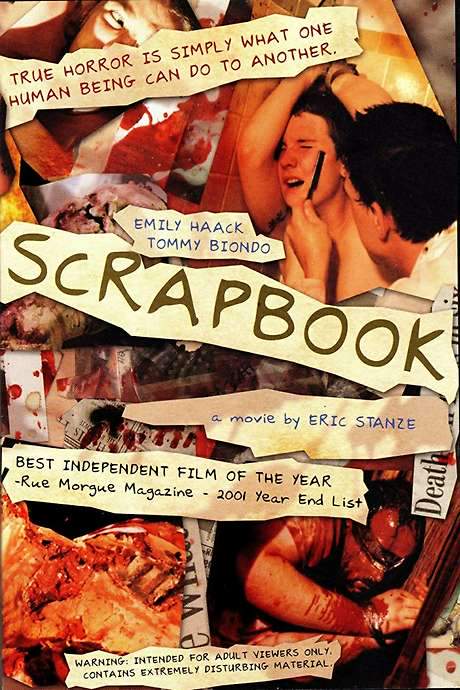
Scrapbook (2000) Spoiler-Packed Plot Recap
Boys Grammar (2005) Detailed Story Recap
Snuff 102 (2007) Spoiler-Packed Plot Recap
Scrubbers (1982) Plot Summary & Ending Explained
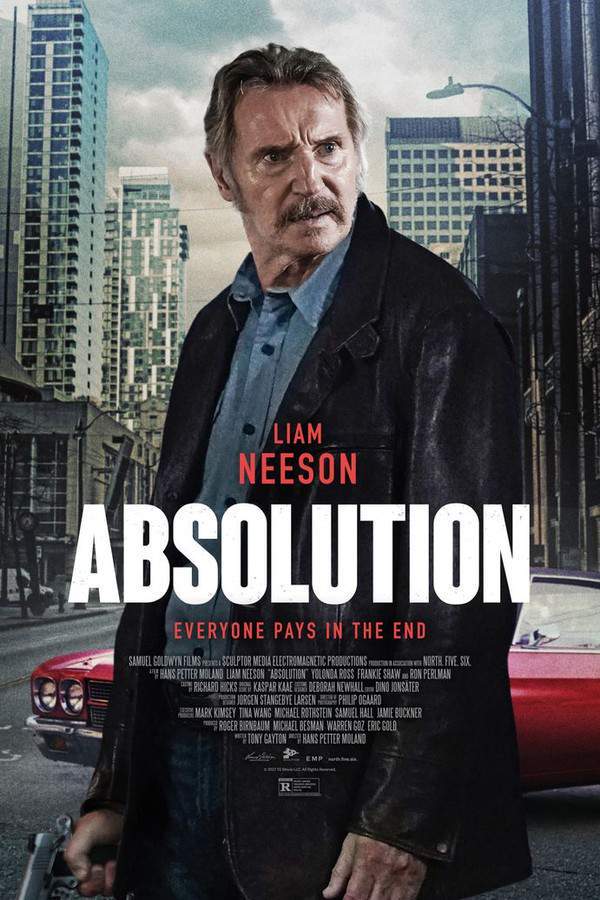
Absolution (1978) Story Summary & Characters
Stoic (2009) Plot Summary & Ending Explained
Crime School (1938) Full Movie Breakdown
They Eat Scum (1979) Film Overview & Timeline
Boys’ Reformatory (1939) Full Movie Breakdown
Scum of the Earth! (1963) Story Summary & Characters
Scum (1977) Plot Summary & Ending Explained
Scum of the Earth (1974) Detailed Story Recap