






Plot Explained Spoilers guaranteed!
Plot Explained

Browse by genre

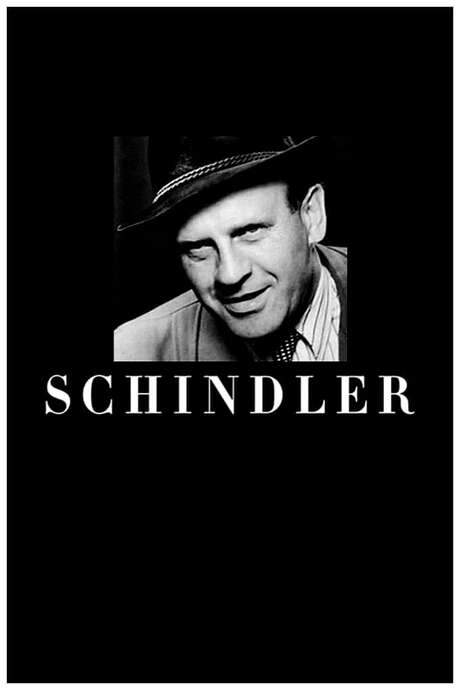
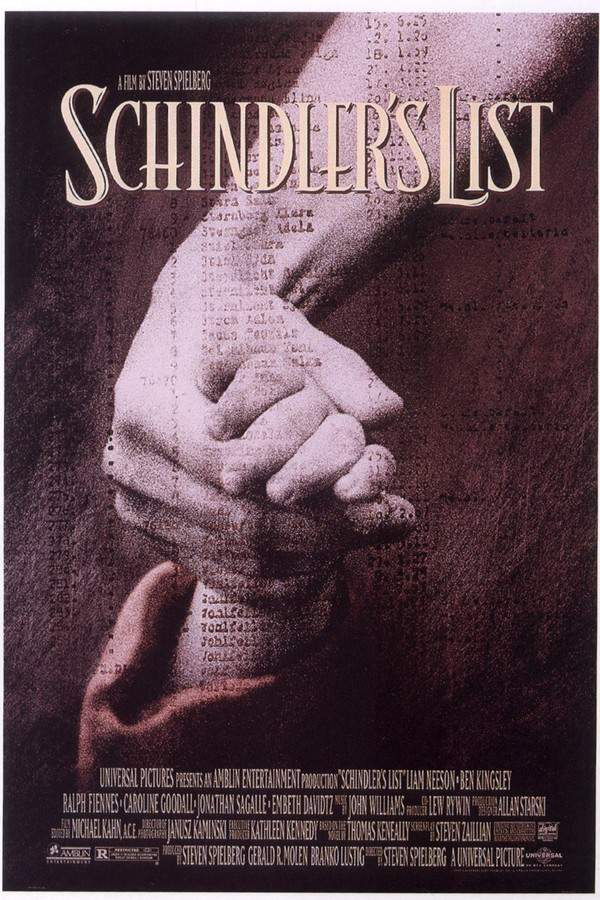
Schindler's List (1993) movie poster

Timeline

Schindler's List (1993) Timeline Explained – Every Event in Order

Release, runtime and language
1993 · 195 min · English
Directed by
Steven Spielberg
Starring
Liam Neeson, Ralph Fiennes
Budget
$22M

In 1939, Oskar Schindler, a German businessman, travels to Krakow seeking profit. He joins the Nazi party to facilitate his factory's operations, employing Jewish workers. As the persecution of Jews intensifies and the SS begins systematic exterminations, Schindler witnesses the escalating horrors of World War II. Increasingly troubled by the violence, he begins to protect his workers, ultimately risking his own life to save them from the atrocities of the Holocaust.

On this page (7)
  1. 1 Where to watch
  2. 2 Events in order (15)
  3. 3 Timeline questions answered
  4. 4 The book behind the movie
  5. 5 Movie threads
  6. 6 Movies like Schindler's List
  7. 7 Every angle

Where to watch

Where to Watch Schindler's List (1993)

Where can you watch Schindler's List? Stream, rent or buy it in the US, including on Amazon Video, Apple TV Store and Fandango At Home: current JustWatch availability with up-to-date prices.

Streaming availability powered by JustWatch

15 events in order · contains spoilers

Schindler's List Timeline: Events in Chronological Order

Every key event of Schindler's List (1993) in order, scene by scene, with when and where it takes place. Use it to untangle flashbacks, time jumps and parallel storylines, to refresh your memory before the sequel or to find the exact scene you are thinking of.

  1. The Relocation Begins

    In late 1939, the relocation of Polish Jews to Krakow commences following the outbreak of World War II. The swift German defeat of Polish forces sets the stage for the tragic events that follow.

    When
    Late 1939
    Where
    Krakow
  2. Schindler's Ambition

    Oskar Schindler, an ambitious businessman from Czechoslovakia, sees an opportunity in the chaos of war. He plans to exploit the available Jewish labor for his enamelware factory, which aims to supply the German military.

  3. Factory Establishment

    With military backing, Schindler establishes a factory producing army mess kits and cooking utensils. He collaborates with Itzhak Stern, a Jewish accountant, who provides essential operational support and connections to the underground Jewish business community.

    Where
    Krakow
  4. Employing Jewish Workers

    Stern advises Schindler to hire Jewish workers, citing cost efficiency. The workers receive passes to leave the ghetto, and many are identified as 'essential' by Stern's forged documents, protecting them from deportation.

  5. Amon Göth's Arrival

    The arrival of Amon Göth in Krakow heralds a dark turn in the narrative as he establishes a nearby labor camp in Paszów. The cold brutality of the Nazi regime becomes evident as SS troops begin the violent liquidation of the Krakow ghetto.

    Where
    Paszów
  6. Bribery Tactics

    To protect his workers, Schindler resorts to bribery, ingratiating himself with Göth to create a sub-camp for them. Despite the escalating violence, he maneuvers strategically, hoping to shield his Jewish laborers from the guards' cruelty.

  7. A Grim Order from Berlin

    An order from Berlin compels Göth to dispose of corpses from the ghetto and move remaining Jews to Auschwitz. Schindler makes a desperate plea to retain his workers and relocate them to his factory in Zwittau-Brinnlitz.

    Where
    Zwittau-Brinnlitz
  8. Schindler's List

    The creation of 'Schindler's List' becomes a crucial turning point as it outlines those workers he deems essential. This list symbolizes hope and becomes a literal lifeline for many whom it protects from extermination.

  9. Desperate Measures

    In a high-stakes gamble, Schindler challenges Göth in a game of high cards for the life of Helen Hirsch, a female worker enduring severe mistreatment. He secures her transport on a train headed to Brinnlitz, illustrating his commitment to saving lives.

  10. Tragedy at Auschwitz

    Despite Schindler's efforts, women and children are misdirected to Auschwitz and face the horrors of a gas chamber. Schindler, alarmed by their fate, bribes the camp commander to secure their release, showcasing the brutal realities of war.

    Where
    Auschwitz
  11. Arrival in Zwittau-Brinnlitz

    Upon reaching Zwittau-Brinnlitz, Schindler implements strict rules to protect his workers from violence. He prohibits guards from executing anyone and pays tribute to the Jewish Sabbath, fostering a sense of respect and humanity.

    Where
    Zwittau-Brinnlitz
  12. A Farewell and Recognition

    As the war nears its end, Schindler's financial resources diminish, and he prepares to flee from the advancing Soviet army. In an emotional farewell, his workers present him with a letter and a ring, acknowledging his heroic efforts to save lives.

  13. Liberation by the Red Army

    The next morning, the Jews saved by Schindler wake to liberation at the hands of the Red Army. Their newfound freedom serves as a poignant reminder of Schindler's life-saving actions in the face of overwhelming adversity.

  14. Göth's Captivity

    Amon Göth is captured and defiant until the end, asserting his loyalty to Hitler. He is ultimately hanged for his war crimes, a stark contrast to the fate of those who survived Schindler's protection.

  15. Legacy Remembered

    The film concludes with Schindler's surviving workers visiting his grave in Israel, where they leave stones in tribute. This act signifies gratitude and remembrance for the lives saved, marking the enduring legacy of courage and compassion.

    Where
    Israel

Last updated: November 08, 2024 at 00:34

Was this helpful?

Timeline questions answered

Schindler's List Timeline Explained: Your Questions Answered

When does it happen, and why in that order? The questions people ask about the chronology of Schindler's List (1993): time jumps, flashbacks, cause and effect between scenes and the correct order of events, each answered with spoilers.

Q1

Why did Oskar Schindler join the Nazi party?

Schindler joined the Nazi party primarily for business advantage. As a German businessman seeking profit in war-torn Poland, party membership gave him access to military contracts and the ability to operate his enamelware factory. He used his position to bribe army and SS officials, initially viewing the arrangement as purely self-serving before his transformation.

Foreshadowing: Early scenes show Schindler casually using Nazi ideology as a convenient cover for his business ambitions.

  • nazi party membership
  • oskar schindler
  • business
  • profit
  • motivation
Q2

How did Schindler protect his Jewish workers from deportation?

Schindler, through his accountant Itzhak Stern, used forged documents to classify Jewish workers as 'essential' to the war effort. This bureaucracy loophole designated them as indispensable to the German military, preventing their deportation to concentration camps. Stern's connections in the underground Jewish business community enabled these documents.

Foreshadowing: Stern advises Schindler from the start that hiring Jews would be more cost-effective, hinting at the protective system that would develop.

  • deportation
  • forged documents
  • essential workers
  • it zhak stern
  • protection
Q3

Why did Schindler change from exploiting Jewish labor to saving them?

Schindler's transformation occurred gradually after witnessing the brutal liquidation of the Krakow ghetto and the escalating Nazi atrocities. Watching SS troops execute innocent civilians, including children, deeply shaken him. This, combined with his growing relationships with workers like Itzhak Stern, shifted his priorities from profit to protecting human life.

Foreshadowing: Schindler is visibly disturbed watching the ghetto liquidation from atop a hill, marking the beginning of his moral shift.

  • transformation
  • holocaust
  • atrocities
  • witness
  • change
  • morality
Q4

What was the significance of Schindler's List?

Schindler's List was a document enumerating workers deemed essential for operating the factory. It literally meant the difference between life and death, anyone on the list would be transported to Schindler's safer sub-camp in Zwittau-Brinnlitz rather than sent to Auschwitz. The list represented a lifeline for approximately 1,100 Jews.

Foreshadowing: The list is first mentioned when Berlin orders Göth to dispose of ghetto corpses and transport remaining Jews to extermination camps.

  • schindlers list
  • essential workers
  • lifeline
  • transportation
  • zwittau-brinnlitz
Q5

Why did the women and children get sent to Auschwitz instead of Brinnlitz?

The women's transport was misdirected, instead of going to Zwittau-Brinnlitz as intended, they were routed to Auschwitz by mistake or bureaucratic error. This tragic mix-up put them directly in danger at the notorious extermination camp where they faced the gas chambers.

  • auschwitz
  • women
  • children
  • misdirection
  • transport
  • error
Q6

How did Schindler rescue the women from Auschwitz?

Upon learning the women had been sent to Auschwitz, Schindler immediately traveled there and bribed camp commander Rudolf Höss with diamonds. He offered the bribe in exchange for releasing the women onto a train supposedly heading to a different location, actually redirecting them to Brinnlitz.

  • auschwitz
  • bribe
  • diamonds
  • rudolf hoss
  • rescue
  • women
Q7

Why did Schindler bribe Amon Göth?

Schindler bribed Göth for multiple reasons: to create a sub-camp for his workers away from the main camp's cruelty, to retain his workers when Berlin ordered their transfer to Auschwitz, and to save specific individuals like Helen Hirsch. Schindler's bribes were strategic, using Göth's greed to protect lives.

Foreshadowing: Schindler strategically befriends Göth early on, recognizing that maintaining access to the commandant serves his ultimate goal of worker protection.

  • amon goth
  • bribe
  • sub-camp
  • protection
  • strategy
Q8

What happened to Amon Göth after the war?

Amon Göth was captured by Allied forces after the war ended. He was tried for war crimes and remained defiant, claiming loyalty to Hitler until his execution. Göth was hanged for his crimes, including the murders of hundreds of prisoners at the Krakow-Płaszów camp.

Foreshadowing: Göth's brutal behavior throughout the film, including randomly shooting prisoners from his balcony, sets up his eventual accountability.

  • amon goth
  • captured
  • hanged
  • war crimes
  • execution
Q9

Why did Schindler feel he didn't do enough despite saving over 1,000 lives?

Schindler was consumed by regret over two golden enamel cups he didn't sell to bribe more officials, he calculated he could have saved more people if he had spent more money on bribes rather than preserving his assets. His workers' ring inscription, 'He who saves one life saves the world entire,' contrasted with his belief he could have saved more, left him emotionally devastated.

Foreshadowing: Schindler's final conversation with his workers reveals his obsession with material possessions he didn't convert into bribes.

  • regret
  • failure
  • guilt
  • survivors
  • remorse
Q10

How was Schindler able to afford so many bribes?

Schindler spent nearly his entire fortune bribing Nazi officials throughout the war. His factory operated profitably supplying the German military, but he systematically used those profits to purchase the freedom and safety of his Jewish workers. By war's end, he was nearly bankrupt.

Foreshadowing: The film shows Schindler converting his wealth into diamonds and cash for bribes, depleting his resources gradually.

  • bribes
  • fortune
  • money
  • spent
  • bankrupt
Q11

What did Schindler's workers give him when he fled?

When Schindler fled from the advancing Soviet army, his workers presented him with a heartfelt letter declaring him a hero and a ring engraved with a Talmudic phrase: 'He who saves the life of one man, saves the world entire.' These gifts symbolized their gratitude and recognition of his extraordinary courage.

  • ring
  • letter
  • talmud
  • gratitude
  • hero
  • workers
Q12

Why did Schindler risk his life to save Jews?

Schindler's risk-taking stemmed from his moral transformation after witnessing Nazi atrocities, particularly the Krakow ghetto liquidation. Additionally, his relationship with his workers, especially Itzhak Stern, gave him personal connections that made their fates unbearable to ignore. By the end, protecting his workers had become his primary purpose beyond profit.

Foreshadowing: The moment Schindler is visibly shaken watching the ghetto massacre marks his transition from observer to active protector.

  • risk
  • life
  • saved
  • protecting
  • moral transformation

Movie threads

More Movies Like Schindler's List, by Mood & Story

Curated lists built around what makes Schindler's List tick: the same mood, the same kind of story or the same emotional payoff. Each list explains why these movies belong together.

Historical dramas of moral awakening like Schindler's List

Ordinary individuals finding extraordinary courage in the face of systemic evil. Movies like Schindler's List that are powerful historical dramas exploring one person's journey from complicity or apathy to profound moral action. These films are heavy and somber but center on a redemptive arc of courage and sacrifice against a backdrop of real-world atrocity.

  • sombre
  • grave
  • hopeful
  • gut-wrenching
  • anxious
  • redemptive
  • Tone: dark, hopeful
  • Pacing: steady, methodical
Why these movies?

The story pattern: These narratives typically follow a linear, straightforward chronological progression, tracking a character's gradual shift in perspective. Starting from a place of self-interest or ignorance, they are confronted with escalating horrors, leading to a crisis of conscience and a risky, selfless commitment to doing what's right.

Why they belong together: Movies in this thread share a consistently dark tone, high intensity, and heavy emotional weight. They are united by the core character arc of moral redemption within a historically accurate, grim setting, offering a solemn but impactful viewing experience.

Solemn survival chronicles like Schindler's List

Gripping, true-life stories of humanity enduring and resisting immense tragedy. If you liked the intense, historical focus on survival and resistance in Schindler's List, this thread finds similar movies. These are serious, fact-based dramas about enduring and fighting back against systematic persecution and mass violence.

  • sombre
  • grave
  • anxious
  • gut-wrenching
  • resilient
  • historically significant
  • Tone: sombre, grave
  • Pacing: steady, dread-filled
Why these movies?

The story pattern: Stories in this thread are often based on true events and unfold with a steady, inexorable pace, building a sense of dread and documenting the mechanics of oppression. The plot revolves around the logistical and emotional struggle to preserve life and dignity against a powerful, destructive force.

Why they belong together: These films are connected by their unflinching depiction of real-world atrocities, a somber and anxious mood, and a central theme of survival. They share a high intensity level, straightforward narrative complexity, and a focus on the grim details of historical events.

If you liked this

Movies Like Schindler's List

Similar movies to Schindler's List: the same genre, themes or kind of story. Each one comes with its own plot summary, timeline and ending explained.

Browse all movie summaries

Every angle

Schindler's List (1993) Explained: Plot, Timeline & Characters

Everything about Schindler's List in one place: what happens in the plot summary, the timeline in chronological order, the characters and meaning and a spoiler-free summary. What's After the Movie adds the cast, box office and post-credit scenes.

Coming soon on iOS and Android

The Plot Explained Movie Summary App

Plot summaries, endings explained and timelines on your phone. Catch up on any movie in minutes, save your favorites and never miss a twist again.

Be the first to know when we launch. Your email stays private, always.

Learn more about the app