Plot Explained Spoilers guaranteed!
Plot Explained

Browse by genre

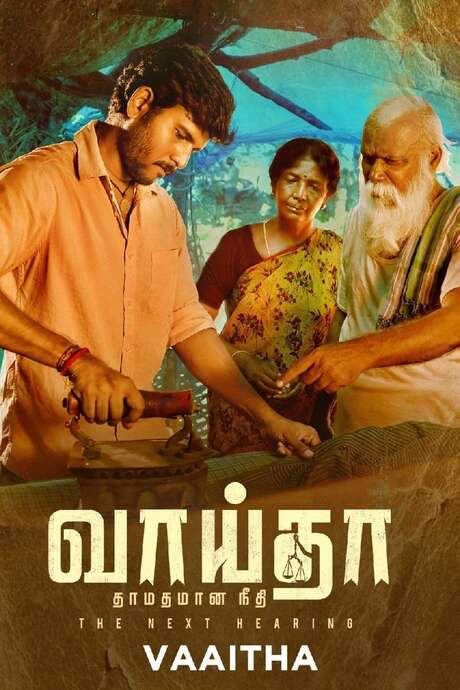
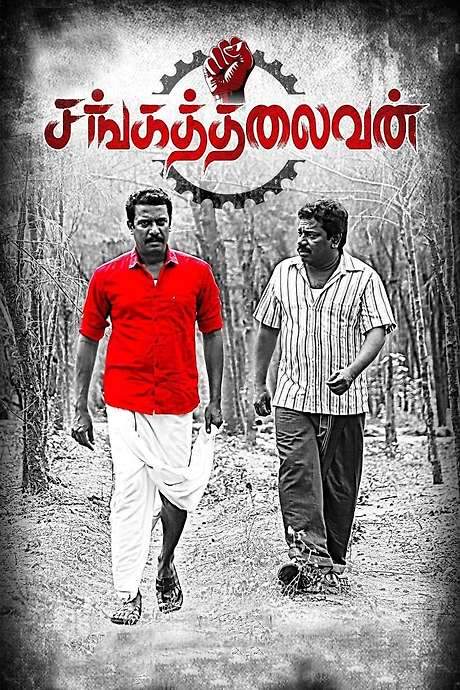
Sangathalaivan (2021) movie poster

Plot Summary

Sangathalaivan (2021) Plot Summary Explained

Release, runtime and language
2021 · 125 mins · Tamil
Loading streaming availability…
Directed by
Manimaran
Starring
Samuthirakani, Karunas, G. Marimuthu, Ramya Subramanian, Cheenu Mohan, Sunu Lakshmi

A socialist takes on a ruthless factory owner after the latter murders his former employee.

On this page (6)
  1. 1 Where to watch
  2. 2 What happens: full plot
  3. 3 Plot questions answered
  4. 4 Movie threads
  5. 5 Movies like Sangathalaivan
  6. 6 Every angle
Loading streaming availability…

Full plot summary · contains spoilers

What Happens in Sangathalaivan: Full Plot Summary

The whole story of Sangathalaivan (2021) explained, from the opening scene to the final frame: every key event, every twist and what it all adds up to. Read it as a quick recap before the sequel, to check a scene you missed, or to finally understand what really happened.

Shivalingam is a devoted communist representative who leads a local trade union, and his beliefs shape the moral and political frame of the village he serves. By comparison, Rangan is a tireless, hard-working worker at Govindarajan’s powerloom. He is loyal and principled, supporting his sister’s education and encouraging her to pursue work, even as his own parents push her toward labor in the loom. Govindarajan’s niece, Kalyani, is drawn to Rangan for his sincerity, while Shivalingam strives to explain the core tenets of communism and how they counter greed, though Rangan remains wary and doubting of those ideals.

At the heart of the story lies a brutal accident at the mill: Divya, Kalyani’s friend, loses her lower arm when a machine suddenly drags her saree. Govindarajan and Rangan rush her to the hospital. Govindarajan declares that Divya will eventually regain consciousness and urges Rangan to stay by her side, while he quietly arranges funds and situations to keep the incident quiet. The next day, Divya’s father is overwhelmed by shame and worry, and Govindarajan tells him that Divya’s disability cannot be fixed, nudging Rangan to bear the burden of Divya’s care while he covers the expenses. Rangan’s sense of justice pushes him to inform Shivalingam at a Communist meeting about the accident.

Shivalingam goes to the hospital and a tense negotiation unfolds with Govindarajan and his boss, who propose a settlement of three lakh as compensation. That night, Govindarajan takes Divya’s father to a hotel, gets him drunk, and manipulates him into signing papers and handing over a small amount of money. The next day, Shivalingam and his group confront Govindarajan at the hospital and compel him to write a check for three lakhs and to hand over the documents. Meanwhile, Kalyani confesses her love for Rangan, adding a personal dimension to the political drama.

Govindarajan’s trust in Rangan erodes as rumors and nephewly inquiries reveal that Rangan spoke with the union leaders and sought broader help for Divya. Govindarajan’s nephew confronts the tension, and Kalyani warns Rangan that Govindarajan has learned of his actions. Despite the mounting pressure, Kalyani urges Rangan to thank Shivalingam for his decisive intervention.

The tension escalates when Govindarajan’s young worker, Saravanan, is accused of inciting trouble, and a mob of violence erupts when the factory catches fire. A police officer roughs up Rangan at the station, forcing Shivalingam to intervene. Saravanan’s testimony is misleading, and the case appears to go against Rangan, until a judge becomes convinced of the unions’ legitimacy and Rangan is released. Shivalingam appeals to the DSP, who orders the officer to apologize to both Shivalingam and Rangan. Yet, in a pivotal moment of truth, Rangan resolves to tell the whole truth in court, which leads to Govindarajan’s imprisonment.

After the ordeal, Rangan stays at Shivalingam’s home with his pregnant wife, while Divya and Kalyani visit, distressed by the ongoing turbulence. Rangan continues to contribute on the farm, grows deeper into union activity, and attends secret meetings that plan strategic strikes. Govindarajan is released, but the workers’ solidarity has grown stronger, and Govindarajan’s nephew reports that the workers have joined the union. Govindarajan’s anger deepens as he senses the widening rift with Kalyani and Rangan’s relationship, while Rangan’s sisters and the family prepare for a wedding. Shivalingam is arrested briefly, but his departure inspires Rangan to carry the movement forward, even as Shivalingam’s wife goes into labor and asks him to lead the struggle with unwavering resolve.

In a defining moment, Rangan conducts a high-stakes strike for the people, tearing Govindarajan’s shirt as a symbol of resistance. He evades arrest for a time, then surrenders to the court and faces a short spell of judicial custody. The collector facilitates a wage-hike negotiation between the union and the owners, and the bosses concede to the workers’ demands. Divya shares the news that Kalyani has married, a turning point that leaves Rangan’s allies hopeful, while Shivalingam praises Rangan’s revolutionary spirit. Yet the atmosphere remains tense: Kalyani overhears Govindarajan’s brother and others plotting to kill Rangan to stop his interference.

That night, Rangan is found murdered, and the entire village recoils in shock—Divya, Kalyani, and Rangan’s younger sister are all vividly shaken by the loss. With Rangan gone, Kalyani tells Shivalingam that she heard him say he had killed Rangan, urging the elder to seek vengeance. Enraged, Shivalingam gathers his men and storms Govindarajan’s estate. The ensuing confrontation ends with Govindarajan’s associates fleeing before Shivalingam’s group surrounds the sprawling property and executes Govindarajan, delivering a brutal act of retribution for Rangan’s death and bringing the cycle of violence to a dramatic close.

In the end, the story presents a village divided by ideals and loyalty, where a union-driven struggle for justice clashes with personal loss, and where the cost of standing up for what one believes in leads to both triumph and tragedy. The characters’ arcs—Shivalingam’s steadfast faith, Rangan’s principled resistance, Kalyani’s tension between love and duty, and Govindarajan’s stubborn resistance—reverberate through a narrative that emphasizes collective action, sacrifice, and the heavy price of reform.
Last updated: October 14, 2025 at 04:08

Was this helpful?

Plot questions answered

Sangathalaivan Plot Explained: Your Questions Answered

The questions people ask most about Sangathalaivan (2021): what happens in the confusing scenes, why the characters do what they do, the twists, hidden details and what the ending means. Each answer contains spoilers.

Q1

Why does Rangan inform Shivalingam about Divya's accident?

Rangan decides to inform Shivalingam at the Communist meeting about Divya's accident because his sense of justice compels him to seek proper compensation for the injured worker. Despite being a worker at Govindarajan's mill and knowing the factory owner as a greedy man, Rangan feels that the incident deserves more than a quiet settlement. This act marks the beginning of his involvement with the union and sets him on the path toward becoming an activist.

Foreshadowing: Earlier, Rangan is shown as wary of Govindarajan's greed but also doubtful of communist ideals, making this decision a turning point in his character arc.

  • rangan
  • shivalingam
  • divya accident
  • union
  • workers rights
Q2

Why does Govindarajan bribe Divya's father with thirty thousand?

Govindarajan bribes Divya's father with thirty thousand and manipulates him into signing documents to keep the accident quiet and avoid proper compensation. Knowing that the mill machine caused the injury, Govindarajan wants to prevent the incident from reaching the union or creating a legal case that could expose his negligence. The bribe is an attempt to silence the family while maintaining control over the narrative surrounding the workplace injury.

Foreshadowing: This act establishes Govindarajan's character as exploitative and sets up the conflict between management and workers.

  • govindarajan
  • divya
  • bribe
  • compensation
  • cover up
Q3

Why does Rangan decide to testify against Govindarajan in court?

Rangan decides to tell the whole truth in court after being beaten by a police officer and experiencing the injustice firsthand. Despite pressure and threats from Govindarajan's side, Rangan chooses integrity over personal safety, believing that exposing the truth is necessary for achieving justice for the workers. This decision directly leads to Govindarajan's imprisonment and marks Rangan's full transformation into a committed union activist.

Foreshadowing: Earlier, Rangan was wary of the union and doubtful of communist ideals, but his experiences with police brutality and management oppression harden his resolve.

  • rangan
  • testify
  • court
  • govindarajan
  • truth
  • justice
Q4

Why does Kalyani marry someone else despite loving Rangan?

Kalyani marries someone else despite her love for Rangan because the social and family opposition to their relationship becomes insurmountable. As Govindarajan's niece and Rangan being a worker who actively fights against her uncle, the family pressure and class divide create an impossible situation. Divya informs Rangan of this marriage as a personal blow amid the ongoing struggle, representing the personal cost of the conflict.

Foreshadowing: Kalyani's confession of love for Rangan earlier establishes the personal stakes, making her subsequent marriage to another person a painful sacrifice.

  • kalyani
  • rangan
  • marriage
  • love
  • class divide
Q5

What causes Rangan's murder?

Rangan is murdered because he has become a major threat to Govindarajan's power and business interests through his union activities. After overhearing Govindarajan's brother and associates plotting to kill Rangan to stop his interference, Kalyani warns him, but the murder still occurs that night. Rangan's relentless fight for workers' rights and his role in securing wage increases makes him a target of the desperate factory owner.

Foreshadowing: Kalyani overhears the plot to kill Rangan during a gathering, warning him of the danger and causing him to leave the event early.

  • rangan
  • murder
  • govindarajan
  • kalyani warning
  • union leader
Q6

Why does Shivalingam kill Govindarajan at the end?

Shivalingam kills Govindarajan in revenge after Rangan is murdered and Kalyani tells him she heard Govindarajan admit to killing Rangan. Driven by rage and a sense of justice for his fallen comrade, Shivalingam gathers his men and storms Govindarajan's estate. After Govindarajan's associates flee, Shivalingam's group surrounds and executes him, bringing a brutal end to the cycle of violence and retribution.

Foreshadowing: The murder of Rangan, the central figure in the workers' struggle, triggers this act of vengeance from the communist leader.

  • shivalingam
  • govindarajan
  • revenge
  • rangan murder
  • killing
Q7

Why does Govindarajan start distrusting Rangan?

Govindarajan begins to distrust Rangan after learning that Rangan spoke with union leaders about Divya's accident case. When Govindarajan's nephew informs him that Rangan sought broader help from the union, his suspicion grows. This distrust deepens as Rangan continues to align himself with Shivalingam and the communist movement, eventually leading to Rangan's false accusation and beating at the police station.

Foreshadowing: Earlier, Rangan was shown as wary of Govindarajan and his greed, making this distrust mutual and inevitable.

  • govindarajan
  • rangan
  • distrust
  • union
  • nephew
Q8

Why does Rangan lead the strike against Govindarajan?

Rangan leads the strike after Shivalingam is briefly arrested, with the elder using this moment to motivate workers and encourage Rangan to take leadership. Rangan's transformation from a wary worker to an activist culminates in his public act of tearing Govindarjan's shirt as a symbol of resistance. The strike represents the culmination of his journey toward embracing the union cause and fighting for workers' rights despite personal danger.

Foreshadowing: Shivalingam's arrest serves as a catalyst, pushing Rangan to step forward as the movement's new leader.

  • rangan
  • strike
  • leadership
  • shivalingam
  • govindarajan
  • workers
Q9

Why does the police beat Rangan at the station?

The police beat Rangan at the station because Govindarajan's nephew makes a false accusation against him, using the factory owner's influence to target the union activist. This brutality represents the collusion between management power and law enforcement against workers fighting for their rights. The beating ultimately hardens Rangan's resolve and leads to his decision to testify truthfully in court.

Foreshadowing: This incident follows Govindarajan's growing distrust of Rangan after learning of his connection to the union.

  • rangan
  • police
  • beating
  • accusation
  • govindarajan nephew
Q10

What triggers Rangan's transformation from worker to activist?

Rangan's transformation from a wary worker to a committed union activist is triggered by a series of events: witnessing Divya's accident and the subsequent cover-up, experiencing police brutality firsthand, and seeing the injustice faced by workers. His decision to inform Shivalingam about Divya's accident begins this journey, which culminates in his testimony against Govindarajan, leadership of the strike, and ultimate martyrdom.

Foreshadowing: Initially, Rangan is shown as doubtful of communist ideals, but the escalating injustices push him toward the union cause.

  • rangan
  • transformation
  • activist
  • union
  • journey
  • political awakening
Q11

Why does Shivalingam intervene when Rangan is beaten?

Shivalingam intervenes when Rangan is beaten by the police officer because as the communist leader and union representative, he is committed to protecting workers from injustice. He confronts the authorities, demands accountability, and pushes for Rangan's release. This intervention demonstrates Shivalingam's role as a protector and leader of the workers, and it strengthens the bond between him and Rangan.

Foreshadowing: This act solidifies Rangan's trust in the union movement and Shivalingam's leadership.

  • shivalingam
  • rangan
  • police
  • intervention
  • union protection
Q12

Why does Govindarajan plot to kill Rangan?

Govindarajan plots to kill Rangan because Rangan has become the primary leader of the union movement threatening his factory and profits. After being released from prison and seeing workers join the union in large numbers, Govindarajan views Rangan as an existential threat to his business. The wage negotiations that favor the workers intensify his desperation, leading him to order Rangan's murder through his brother and associates.

Foreshadowing: The successful strike and wage hike negotiations leave Govindarajan feeling powerless and vengeful.

  • govindarajan
  • rangan
  • murder plot
  • union threat
  • business
Q13

Why is Divya's arm severed at the mill?

Divya's arm is severed when a machine at Govindarajan's power loom suddenly drags her saree, causing the severe injury. This workplace accident highlights the lack of safety measures at the mill and becomes the catalyst for the entire conflict. Govindarajan attempts to cover up the incident rather than address the safety failures that caused Divya's permanent disability.

Foreshadowing: The accident directly triggers Rangan's involvement with the union and sets the main plot in motion.

  • divya
  • accident
  • machine
  • arm
  • mill
  • safety

Movie threads

More Movies Like Sangathalaivan, by Mood & Story

Curated lists built around what makes Sangathalaivan tick: the same mood, the same kind of story or the same emotional payoff. Each list explains why these movies belong together.

Movies about tragic activists like in Sangathalaivan

Stories where the fight for justice comes at a devastating personal cost. If you were moved by the heavy sacrifice in Sangathalaivan, explore these films about similar fights for justice. This collection features movies like Sangathalaivan where characters face immense personal loss while battling against powerful systems, resulting in somber, emotionally draining narratives.

  • tragic
  • defiant
  • somber
  • gripping
  • angry
  • determined
  • Tone: dark, tragic, defiant
  • Pacing: steady, deliberate
Why these movies?

The story pattern: This thread groups stories centered on an activist or underdog protagonist whose moral commitment to a cause leads them into a direct, escalating conflict with a corrupt institution. The narrative typically involves a methodical build-up of stakes, culminating in a major loss or martyrdom that serves as a powerful, if tragic, catalyst for change or defiance.

Why they belong together: Movies are grouped here based on their shared focus on the high-stakes, often bleak journey of social or political activism. They share a heavy emotional weight, a dark tone exploring injustice, and a narrative that prioritizes the cost of defiance over a clean victory, creating a profoundly impactful and somber viewing experience.

Class conflict dramas with a grim tone like Sangathalaivan

Slow-burning tales of systemic exploitation and the ensuing righteous fury. For viewers seeking more films about worker exploitation and class struggle like Sangathalaivan. These similar movies share a dark, tense tone and a steady pace, focusing on the gritty reality of injustice and the explosive anger it breeds, often featuring gripping narratives of revenge and resistance.

  • oppressive
  • tense
  • angry
  • gripping
  • injustice
  • revenge
  • Tone: dark, tense, angry
  • Pacing: steady, building tension
Why these movies?

The story pattern: The narrative pattern here involves a clear, systemic injustice—often against workers or a marginalized group—that is initially endured but eventually sparks organized resistance. The plot unfolds methodically, highlighting the power imbalance and the human cost of exploitation, leading to a climax of violent confrontation or vengeful action that offers a cathartic, if not wholly victorious, release.

Why they belong together: These films are united by their central theme of class conflict and their unwavering grim atmosphere. They share a high intensity driven by moral outrage, a steady pacing that allows the tension to simmer, and a focus on the brutal dynamics between the oppressed and their oppressors, creating a consistently tense and angry vibe.

If you liked this

Movies Like Sangathalaivan

Similar movies to Sangathalaivan: the same genre, themes or kind of story. Each one comes with its own plot summary, timeline and ending explained.

Browse all movie summaries

Every angle

Sangathalaivan (2021) Explained: Plot, Timeline & Characters

Everything about Sangathalaivan in one place: what happens in the plot summary, the timeline in chronological order, the characters and meaning and a spoiler-free summary. What's After the Movie adds the cast, box office and post-credit scenes.

Coming soon on iOS and Android

The Plot Explained Movie Summary App

Plot summaries, endings explained and timelines on your phone. Catch up on any movie in minutes, save your favorites and never miss a twist again.

Be the first to know when we launch. Your email stays private, always.

Learn more about the app