Year: 2024
Runtime: 87 mins
Language: English
Director: Geena Marie Hernandez
Shannon juggles the demands of a credit union call center job with a difficult separation and custody battle. Her life takes a dangerous turn when a routine call exposes her to a complex fraud scheme. As she gets drawn into the scam, she must fight to protect her job and her family from the escalating threats it brings.
Find where to stream, rent, or buy My Life Is on the Line (2024) in the US with current JustWatch availability, up-to-date pricing, and platform listings for subscription, rental, and digital purchase options.
Warning: spoilers below!
Haven’t seen My Life Is on the Line yet? This summary contains major spoilers. Bookmark the page, watch the movie, and come back for the full breakdown. If you're ready, scroll on and relive the story!
Read the complete plot breakdown of My Life Is on the Line (2024), including all key story events, major twists, and the ending explained in detail. Discover what really happened, and what it all means.
Fong Chin, known throughout the kung fu world as “Minute Fong,” moves with a speed that seems almost inhuman, a talent he times against his father’s gold watch. His swift strikes earn him a fearsome reputation: some seek him out as a hired killer, while others want him eliminated. A particularly desperate scoundrel schemes to kill him to cover up the man’s own crimes, including the murder of his father. In a single, almost clinical moment, Fong Chin ends the threat by taking the life of the would-be killer—and any of his henchmen—before they can react.
Despite the power he wields, Fong Chin carries heavy emotional baggage. His brother does not approve of his line of work and pleads for him to quit fighting, but Fong insists that his violence serves justice—“he only kills those who deserve it.” A flashback then reveals a childhood trauma: the brutal murder of Fong Chin’s parents by bandits, an event that planted a seed of guilt and a moral code that guides his every action.
As Fong Chin wrestles with his choices, a personal crisis presses in. His prostitute girlfriend, Ying Ying, dreams of a normal life with him, but Fong’s life of violence seems incompatible with that dream. He initially tries to shield her by offering money and then stepping away when two men assault her. Yet, after some reflection, he returns, only to learn that Ying Ying has killed herself by poison, a devastating turn that shakes him to his core.
Meanwhile, Chow Sau-tung—the man who has long employed Fong Chin—learns that his star hitman is considering retirement. Rather than accept that possibility, Chow pushes for one more assignment, weaving in new problems by hiring additional fighters and even a corrupt police officer to pressure Fong Chin back into the field. The lure of wealth is dangled before him, but the job Chow offers appears deceptively simple: kill a man in his fifties named Lai in a specific town. Fong Chin agrees, treating it as a final mission, yet the target is not as straightforward as it seems: the town is full of men named Lai, forcing Fong Chin to search for the correct one with care.
In this new environment, Fong Chin finds an unexpected anchor—a local boy who longs for a father figure. The boy’s widowed mother, Chu Hua, recalls Ying Ying in Fong Chin’s memories, and he agrees to teach the boy kung fu on the condition that he attends school. Chu Hua initially resists, blaming martial arts for the family’s tragedies, but she gradually opens up to the idea. As the master-student bond grows, so does the bond between Fong Chin and Chu Hua, and even the elderly grandfather of the boy, Mr. Lai, begins to view him with suspicion, particularly when he notices Fong Chin’s distinctive gold watch.
Immersed in this calmer, more ordinary life, Fong Chin begins to loosen his vigilance about the Lai assignment. Chow Sau-tung grows impatient with the delay and dispatches two henchmen to nudge him along, giving him three days to complete the job. The pressure intensifies as Fong Chin, drawn into a genuine connection with the family he is supposed to destroy, contemplates the consequences of his actions.
When the confrontation finally comes, Fong Chin does strike at Mr. Lai, but tragedy follows quickly. Mr. Lai’s grandson steps in to defend him, and the boy is accidentally killed. The overwhelming grief erupts in a scream from Fong Chin, who flees as Chu Hua and Mr. Lai mourn. In the fragile window of time that remains, Chow Sau-tung’s henchmen strike, and the family is brutally dispatched: Chu Hua is raped and murdered, and the Lai family is wiped out.
Back with his brother, Fong Chin receives a blunt dose of reality. His brother makes it clear that Mr. Lai was innocent, and Chow Sau-tung manipulated events to settle scores with Lai’s family for a grievance long past. Realizing the depth of Chow’s deception and the scale of the harm he helped enable, Fong Chin resolves to pursue Chow Sau-tung and his men, determined to exact vengeance for Lai’s family and to confront the moral rot at the heart of his own life.
In the end, the story remains a meditation on loyalty, guilt, and the heavy cost of violence. Fong Chin’s quest for payback is tempered by the lives he touched along the way—the boy who sought a father, the mother who believed in possibility, and the grandfather who saw too late the danger that lay behind a man’s skill. The film closes on a note of hard-won resolve: revenge may be necessary, but it is never clean, and the price of every choice echoes long after the battle is over.
Last updated: October 01, 2025 at 10:23
Explore frequently asked questions about My Life Is on the Line (2024) with spoiler-rich answers covering the full plot summary, major story beats, character motivations, hidden details, and ending meaning. This movie summary FAQ helps explain confusing scenes, plot twists, and narrative decisions in clear, searchable detail.
Fong Chin's moral code stems from witnessing his parents' murder by bandits when he was a child. This childhood trauma created a deeply held belief that his violence serves justice, he only kills those who deserve it. The gold watch, once belonging to his father, serves as a constant reminder of that loss and reinforces his conviction that his skills are meant for righteous purposes.
The film opens by establishing his reputation as a killer who operates under a personal code of justice.
The gold watch belonged to Fong Chin's father and serves as his timing mechanism for his lightning-fast kills. More importantly, it connects him to his childhood and the parents he lost to bandits. The watch represents both his identity as Minute Fong and the painful memory that shaped his moral code.
Mr. Lai notices the distinctive gold watch, which later raises suspicion about Fong's true identity.
Ying Ying, Fong's prostitute girlfriend, desperately wants a normal life away from violence with Fong. When Fong initially rejects this dream and leaves after dealing with men who threatened her, she feels hopeless about ever escaping her circumstances. By the time Fong returns, she has already poisoned herself, unable to wait any longer for a life he cannot offer.
Fong's initial rejection of her plea sets the tragic trajectory in motion.
Chow presents the job as a simple assassination of a man named Lai in a specific town, promising wealth for what he claims will be Fong's final mission. He deliberately obscures that the target is innocent and frames it as a routine job. Fong accepts believing it's a legitimate target, not realizing Chow's true intent is to wipe out Lai's entire family as payback for an old grievance.
Chow hires additional fighters and a corrupt police officer to pressure Fong, showing the stakes are higher than a single kill.
While in the town searching for Lai, Fong forms a genuine connection with the widowed mother Chu Hua and her son, who longs for a father figure. The boy reminds Fong of what a normal life could look like, and teaching the boy kung fu offers him a chance to use his skills for something constructive rather than killing. This connection slowly draws him away from completing his assignment.
Fong agrees to teach the boy kung fu only if he attends school, showing his desire to redirect the boy's path.
When Fong finally confronts Mr. Lai, the boy, Mr. Lai's grandson, intervenes to protect his grandfather during the struggle. In the chaos of the fight, Fong accidentally kills the child. The death is not intentional but a tragic consequence of the violent confrontation, devastating both Fong and the family.
Fong's growing attachment to the family makes this moment emotionally devastating rather than just another kill.
Chow's actual goal was the complete destruction of the Lai family, not just killing Mr. Lai. When Fong hesitates and fails to finish the job properly, Chow dispatches his henchmen to complete the massacre anyway. They rape and murder Chu Hua, and kill Mr. Lai and anyone else in the household, ensuring no witnesses remain.
Chow's impatience and escalation of pressure, including setting a three-day deadline, reveals the urgency of his true plan.
Chow's brother reveals after the massacre that Mr. Lai was completely innocent. The job was never about justice, Chow used Fong to settle an old grudge against Lai's family for a grievance long past. Chow manipulated Fong into doing his dirty work, turning a hitman with a moral code into an unwitting murderer of innocents.
Chow's vague hints about the job and his desperation for Fong to accept suggest something more sinister than a standard contract.
After learning that Mr. Lai was innocent and that Chow deliberately used him to massacre an innocent family, Fong realizes he has been thoroughly deceived. The tragedy of killing an innocent child and the subsequent murder of Chu Hua and the Lai family compels him to pursue Chow and his men. His quest for revenge becomes a way to confront the moral corruption he enabled and find some form of justice for the victims.
The brother's scolding and revelation about Lai's innocence directly triggers Fong's transformation from guilt to vengeance.
Fong flees in overwhelming grief after accidentally killing the boy during his attack on Mr. Lai. The death shatters him emotionally because he had grown genuinely attached to the child and family. This moment represents the first time his mission directly impacts someone he cares about, causing him to break rather than complete the job.
His scream of anguish signals the breaking of his moral code and emotional walls.
Discover curated groups of movies connected by mood, themes, and story style. Browse collections built around emotion, atmosphere, and narrative focus to easily find films that match what you feel like watching right now.
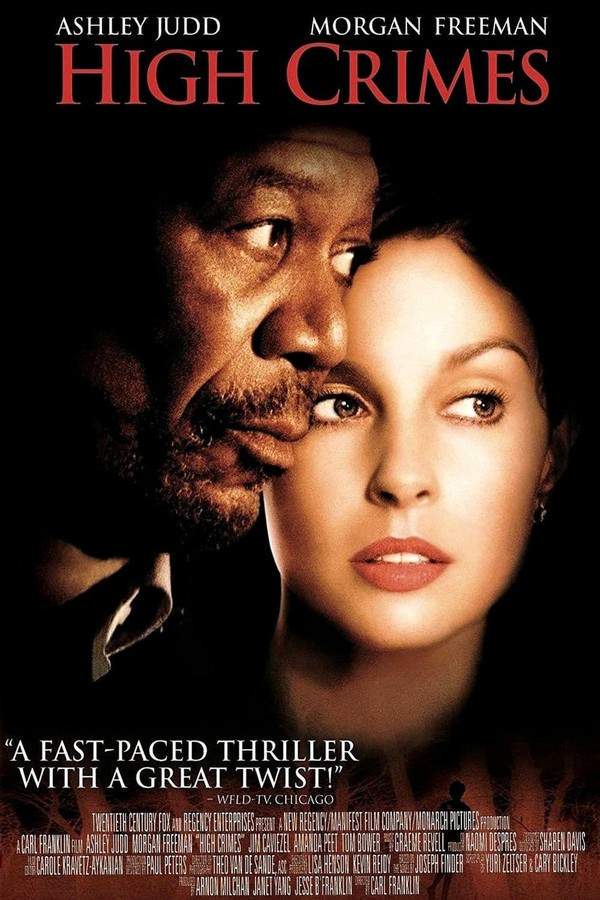
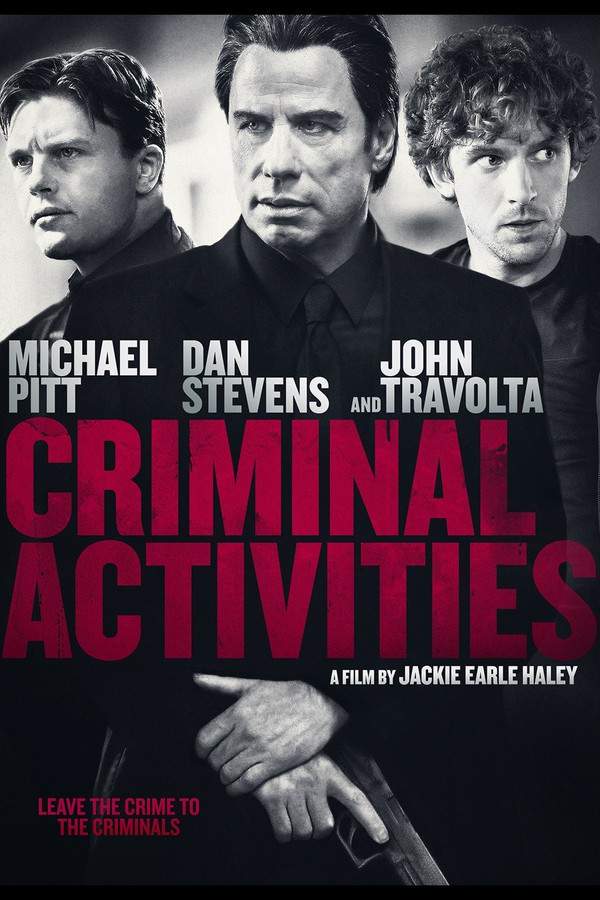
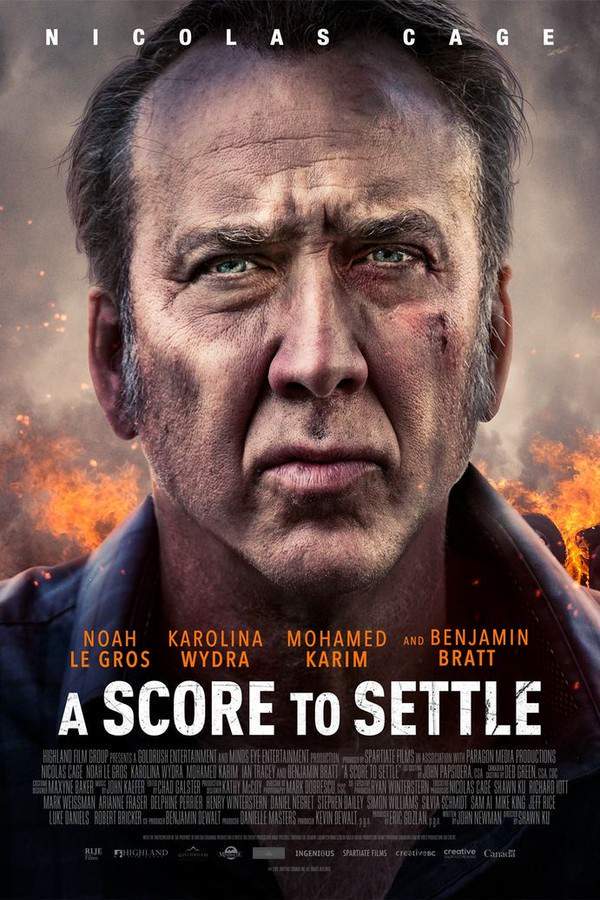
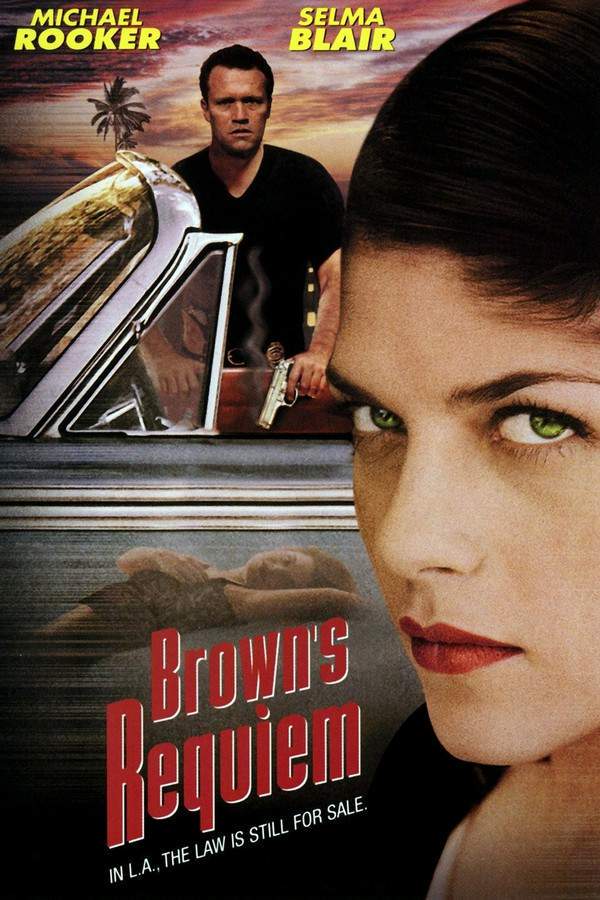
Ordinary people discover dangerous crimes that threaten their jobs and families.If you liked how My Life Is on the Line pits a call center worker against a fraud scheme, you'll enjoy these movies. This thread features similar thrillers where relatable protagonists in everyday jobs must face dangerous criminal elements that threaten their safety and families.
The narrative pattern typically begins with a stable, often stressful but normal, life. A chance discovery—a phone call, a document, a witness—pulls the protagonist into a criminal world. The story then follows their desperate attempts to extricate themselves and protect their loved ones, often at great personal cost.
Movies are grouped here because they share a core premise of mundane reality colliding with extreme danger. They create tension from the vulnerability of the protagonist and explore themes of desperation, resourcefulness, and the fragility of a normal life.
Stories where characters make difficult choices that lead to irreversible, somber endings.For viewers who appreciated the grim trajectory and sad ending of My Life Is on the Line. This collection features films with a similarly dark tone, where characters face escalating threats and moral dilemmas, leading to devastating consequences and emotionally heavy conclusions.
These stories follow a linear path of escalating consequences. A initial mistake or discovery sets off a chain of events where each attempt to fix the situation only makes it worse. The character arc is typically one of loss—of safety, family, innocence, or hope—ending in a resolution that emphasizes the tragic cost.
These films are grouped by their shared commitment to a dark, uncompromising tone and a narrative structure that moves steadily towards a sad or bleak outcome. They prioritize emotional weight over comfort, creating a cohesive experience for viewers seeking somber, intense dramas.
Don't stop at just watching - explore My Life Is on the Line in full detail. From the complete plot summary and scene-by-scene timeline to character breakdowns, thematic analysis, and a deep dive into the ending - every page helps you truly understand what My Life Is on the Line is all about. Plus, discover what's next after the movie.
Track the full timeline of My Life Is on the Line with every major event arranged chronologically. Perfect for decoding non-linear storytelling, flashbacks, or parallel narratives with a clear scene-by-scene breakdown.
Discover the characters, locations, and core themes that shape My Life Is on the Line. Get insights into symbolic elements, setting significance, and deeper narrative meaning - ideal for thematic analysis and movie breakdowns.