Plot Explained Spoilers guaranteed!
Plot Explained

Browse by genre

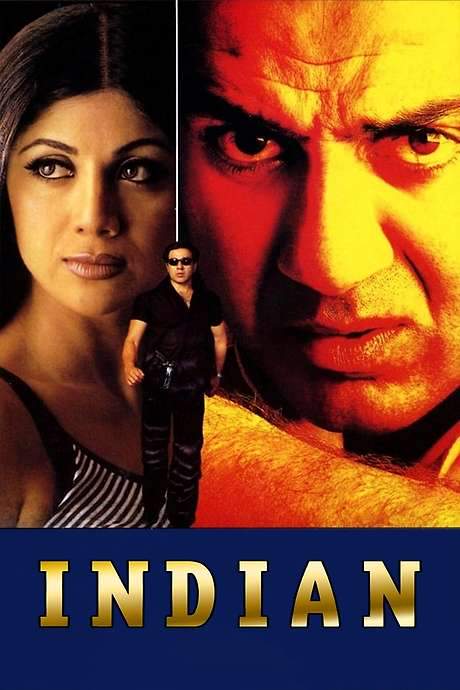
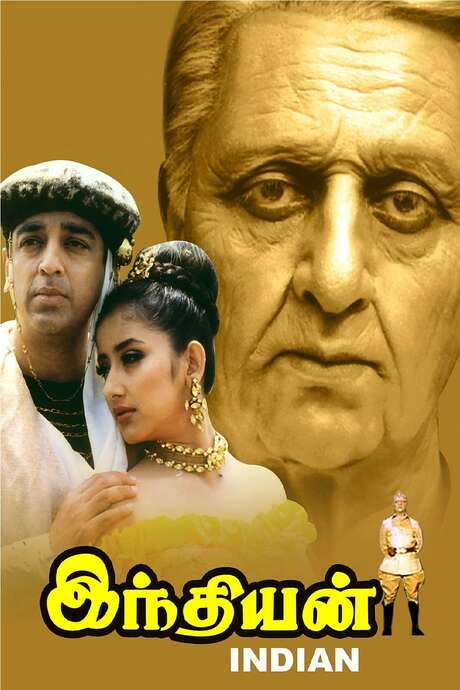
Indian (1996) movie poster

Plot Summary

Indian (1996) Plot Summary Explained

Release, runtime and language
1996 · 185 mins · Tamil
JustWatch #20,013 13
Starring
Manisha Koirala, Kamal Haasan, Nassar, Ponnambalam, Kasturi Shankar, Mahanadhi Shankar

Senapathy, an ex-freedom fighter, is angry. He is angry against the rampant corruption at every level of the bureaucracy. He will clean it up at any cost.

On this page (6)
  1. 1 Where to watch
  2. 2 What happens: full plot
  3. 3 Plot questions answered
  4. 4 Movie threads
  5. 5 Movies like Indian
  6. 6 Every angle

Where to watch

Where to Watch Indian (1996)

Where can you watch Indian? Stream, rent or buy it in the US, including on Netflix, Netflix Standard and Hoopla: current JustWatch availability with up-to-date prices.

Streaming availability powered by JustWatch

Full plot summary · contains spoilers

What Happens in Indian: Full Plot Summary

The whole story of Indian (1996) explained, from the opening scene to the final frame: every key event, every twist and what it all adds up to. Read it as a quick recap before the sequel, to check a scene you missed, or to finally understand what really happened.

Veerasekaran Senapathy, Kamal Haasan, is a retired Indian freedom fighter whose rigid code of honesty and justice anchors a tense, escalating battle against corruption. In Avadi, a chilling pattern of killings begins: a knife strike followed by the victim falling paralyzed before death. The Chennai Police Department, working in tandem with the CBI, forms a joint task force led by Krishnaswamy, Nassar, to hunt down the killer. Their evidence points to an elderly man—someone likely over seventy—whose writing style surfaces in a letter left behind at the scene, suggesting a deliberate, methodical killer rather than a random assailant. The case tightens as clues accumulate, and the team narrows the suspect pool to a man in the twilight of his years, someone who has seen and endured too much to stay silent.

The investigation intersects with a web of personal loyalties and public anger. Chandrabose "Chandru," a small-time broker outside the Regional Transport Office in Chennai, and his assistant Subbaiah operate a bribery network that helps people grease their way into permits and licenses. Chandru’s world collides with that of Aishwarya, a principled animal rights activist portrayed by Manisha Koirala, who becomes entangled with Chandru as she clashes with Sapna—the daughter of the Secretary of Transportation. Sapna, Urmila Matondkar, finds herself pursued by Chandru as he attempts to win her family’s favor to secure a job for himself as a brake inspector at the same RTO. Aishwarya, frustrated by the manipulation around Chandru’s life, also gets drawn into the conflict as Sapna’s ambitions and the corrupt machinery surrounding the RTO clash with her ideals.

Meanwhile, the investigation advances to Senapathy’s doorstep. Krishnaswamy, posing as a freedom fighter eligible for the Swathantra Sainik Samman Pension, traces the killer back to Senapathy’s home. When Krishnaswamy attempts an arrest, Senapathy and his wife Amirthavalli, a skilled practitioner of Varma kalai, outwit the authorities and flee. The couple eventually reaches a hospital, and there a chance encounter with Chandru—who is revealed to be Senapathy’s son—unfolds a crucial truth: the father had forced a hard line on honesty and righteousness, a stance that drove a wedge between them and led to years of estrangement. The revelation deepens the moral conflict at the film’s core: can integrity justify brutal acts if the system remains hopelessly rotten?

A turning point comes when Senapathy kidnaps and murders a corrupt doctor on live television after the doctor refuses to treat Senapathy’s daughter Kasturi—who suffers third‑degree burns—unless a bribe is paid. Kasturi’s plight propels a public outcry and rallies sympathy for Senapathy, who exposes a broad spectrum of corruption, from officials to medical practitioners. Yet the same crusade lays bare a darker fault line: Chandru, now a brake inspector, accepts a bribe to certify a school bus with faulty brakes, leading to a catastrophic crash that kills forty schoolchildren. The tragedy exposes the cost of bribery and the fragility of reform when life itself becomes collateral.

As the moral storm intensifies, Chandru tries to frame a dead driver for drunk driving by injecting alcohol into the driver’s corpse, having bribed a doctor and a police officer to seal the cover-up. Senapathy intervenes, is captured, and then escapes from custody. Amirthavalli and Aishwarya plead for mercy, but Senapathy presses on toward a dramatic finale at the airport, where Chandru attempts to flee to Mumbai. In a tense pursuit, Senapathy fatally corners Chandru, and the explosion of a jeep and airplane seems to terminate him—but Krishnaswamy’s footage reveals a counterpoint: Senapathy had escaped moments before the blast. In a final, quiet moment, Senapathy calls Krishnaswamy from Hong Kong, signaling that his fight isn’t over and that he may return if the need arises, leaving the door open for a continuation of a complex war between idealism and the real, flawed world it inhabits.
Last updated: October 05, 2025 at 12:25

Was this helpful?

Plot questions answered

Indian Plot Explained: Your Questions Answered

The questions people ask most about Indian (1996): what happens in the confusing scenes, why the characters do what they do, the twists, hidden details and what the ending means. Each answer contains spoilers.

Q1

Why does Senapathy become a killer in Indian?

Senapathy becomes a killer because of his extreme anger at widespread corruption that destroys innocent lives. After his daughter Kasturi suffers third-degree burns and a corrupt doctor refuses to treat her without a bribe, Senapathy realizes the system is beyond reform. He concludes that violent elimination of corrupt officials is the only way to cleanse society, leading him to murder corrupt doctors, bureaucrats, and eventually his own son Chandru.

Foreshadowing: Earlier scenes show Senapathy's rigid code of honesty and his refusal to bend rules, establishing his willingness to take extreme measures.

  • senapathy
  • killer
  • vigilante
  • corruption
  • motivation
Q2

How does the police identify Senapathy as the serial killer?

The police identify Senapathy through several clues: a letter left at the crime scene has old-fashioned handwriting suggesting someone over 70 years old, the killer uses a specific method of stabbing victims and leaving them paralyzed before death, and the investigation connects these patterns to Senapathy, a retired Indian freedom fighter whose age matches the profile.

Foreshadowing: The letter with old-fashioned writing at the government treasury killing provides the first concrete lead.

  • senapathy
  • police
  • investigation
  • serial killer
  • clues
Q3

What is Chandru's relationship to Senapathy?

Chandru, whose full name is Chandrabose, is Senapathy's estranged son. They reunite unexpectedly in a hospital elevator when Amirthavalli meets Chandru there. Their estrangement began years earlier because Senapathy rigidly insisted on absolute honesty, which clashed with Chandru's pragmatic approach to surviving in a corrupt world.

Foreshadowing: Senapathy's rigid code of honesty mentioned early in the film foreshadows the family conflict.

  • chandru
  • senapathy
  • father
  • son
  • estrangement
  • family
Q4

Why does Chandru certify the school bus with faulty brakes?

Chandru uses his bribery network to help obtain a safety certificate for a school bus with defective brakes. He accepts a bribe to certify the bus, leading to a tragic crash that kills 40 schoolchildren. This catastrophic event demonstrates how systemic corruption directly causes tragic consequences and highlights the moral collapse that Senapathy despises.

Foreshadowing: Chandru's earlier role as a broker who helps people bribe officials establishes his complicity in the corrupt system.

  • chandru
  • school bus
  • bribe
  • corruption
  • children
  • death
Q5

Does Chandru die in the explosion at the airport?

Yes, Chandru dies in the explosion at the airport. During the climax, Senapathy corners Chandru, who attempts to flee to Mumbai. In the confrontation, a jeep and airplane explode, killing Chandru. However, the post-credits scene reveals Senapathy actually survived by escaping moments before the blast.

Foreshadowing: The intense chase and confrontation build toward this violent climax.

  • chandru
  • death
  • airport
  • explosion
  • senapathy
Q6

Does Senapathy survive the final confrontation?

Yes, Senapathy survives the final confrontation. After Chandru dies in the airport explosion, Krishnaswamy reviews the footage and discovers Senapathy escaped moments before the blast. Senapathy later calls Krishnaswamy from Hong Kong, confirming his survival and hinting he may return if corruption again spirals out of control.

Foreshadowing: The ambiguous ending with the phone call from Hong Kong prepares viewers for this revelation.

  • senapathy
  • survival
  • ending
  • hong kong
  • escape
Q7

Why does Senapathy kill the doctor on live television?

Senapathy kidnaps and murders a corrupt doctor on live TV after the doctor refuses to treat his daughter Kasturi, who has third-degree burns, unless a bribe is paid. This public execution is meant to expose widespread corruption in the medical profession and society at large, turning public sentiment toward Senapathy despite the violent act.

Foreshadowing: The earlier depiction of Kasturi's suffering builds emotional stakes for this pivotal moment.

  • senapathy
  • doctor
  • kill
  • live television
  • bribe
  • corruption
Q8

What is Varma kalai and how does it help Senapathy escape?

Varma kalai is a traditional Indian martial art and healing technique. Senapathy's wife Amirthavalli is a skilled practitioner. During the confrontation at Senapathy's house, both Senapathy and Amirthavalli use their Varma kalai skills to outwit and escape from Krishnaswamy and the police, demonstrating their combat expertise.

Foreshadowing: The early introduction of Amirthavalli's skills hints at her role in the escape.

  • varma kalai
  • amirthavalli
  • escape
  • martial arts
  • senapathy
Q9

How does Chandru try to cover up the school bus accident?

After the school bus crash kills 40 children, Chandru attempts to cover up his involvement by framing the dead driver for drunk driving. He bribes a doctor and a police officer to inject alcohol into the driver's corpse and falsify reports. Senapathy ultimately intervenes and exposes this cover-up, further deepening the conflict between father and son.
Foreshadowing: Chandru's history of bribery operations establishes his willingness to manipulate the system.

  • chandru
  • cover up
  • accident
  • driver
  • bribe
  • corruption
Q10

Why does Senapathy's honesty drive his son away?

Senapathy's rigid insistence on absolute honesty and righteousness clashed with Chandru's pragmatic approach to surviving in a corrupt society. Chandru chose to work within the bribery system as a broker, while Senapathy viewed any compromise with corruption as unforgivable. This fundamental ideological divide led to years of estrangement between father and son.

Foreshadowing: The theme of corruption versus honesty runs throughout the film, establishing this central conflict.

  • senapathy
  • honesty
  • chandru
  • estrangement
  • father
  • son
  • corruption

Movie threads

More Movies Like Indian, by Mood & Story

Curated lists built around what makes Indian tick: the same mood, the same kind of story or the same emotional payoff. Each list explains why these movies belong together.

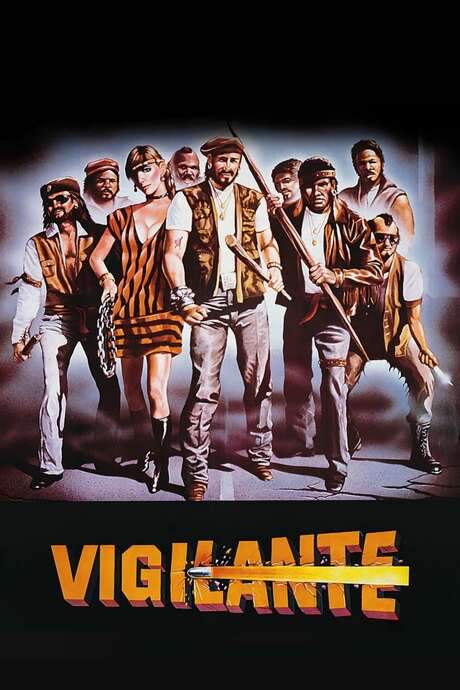
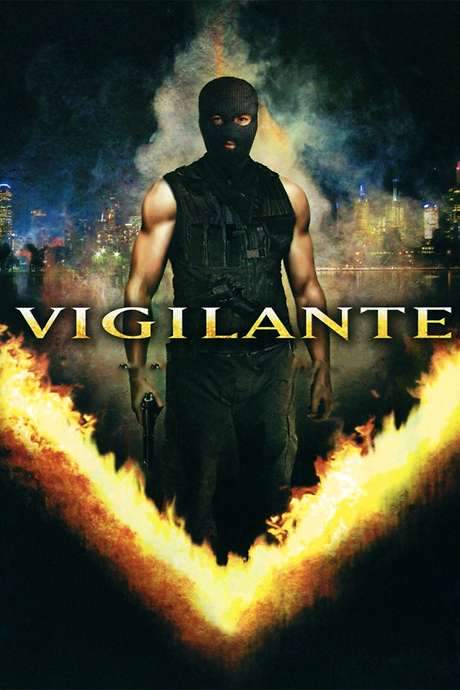
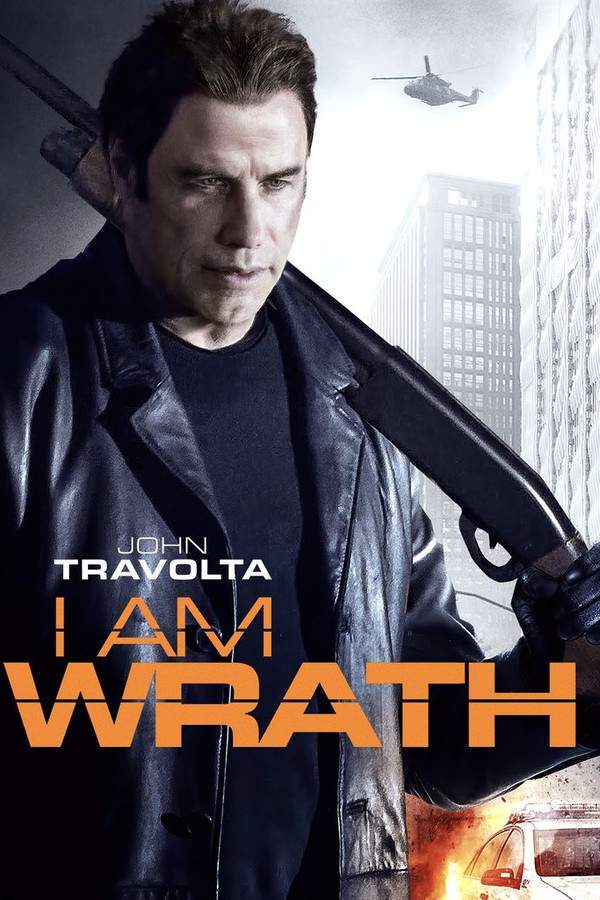
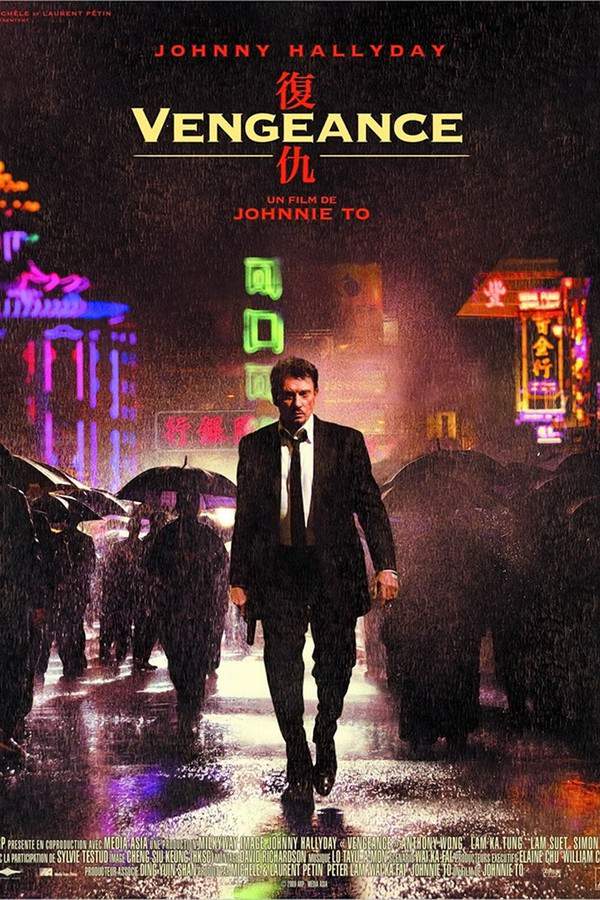
Vengeful vigilante movies like Indian

Stories where a single enraged individual takes on systemic corruption with bloody justice. If you liked Indian, you'll find more movies here about enraged individuals fighting systemic corruption. These films feature protagonists who take the law into their own hands, delivering brutal justice in stories filled with high intensity, moral conflict, and a dark, urgent tone.

  • vengeful
  • angry
  • tense
  • merciless
  • urgent
  • grim
  • Tone: dark, vengeful, grim
  • Pacing: fast, urgent
Why these movies?

The story pattern: These narratives often begin with a personal tragedy or profound disillusionment that awakens a ruthless crusader. The plot follows their systematic and often public dismantling of a corrupt system, punctuated by intense confrontations. The journey is fraught with moral conflict, pitting the vigilante's brutal efficiency against the failings of lawful authority, and often explores the personal cost of their actions.
Why they belong together: Movies in this thread share a core premise of righteous, extralegal violence against a corrupt establishment. They are united by a dark, angry tone, high-intensity action, and a heavy emotional weight stemming from the protagonist's motivation and the societal decay they oppose. The pacing is typically fast and driven by the protagonist's relentless campaign.

High-stakes moral crusade movies similar to Indian

Gripping stories where characters wage a desperate, violent war for their ideals. Explore movies like Indian that focus on a character's violent crusade for a moral cause. These high-intensity stories feature a desperate fight against overwhelming corruption or evil, creating a tense, grim atmosphere where the ends are debated as fiercely as the means.

  • tense
  • urgent
  • grim
  • ideological
  • desperate
  • high stakes
  • Tone: dark, tense, urgent
  • Pacing: fast, driven
Why these movies?

The story pattern: The narrative follows a protagonist who commits fully to a cause, their personal life often sacrificed in the process. The plot is a series of escalating confrontations against a powerful antagonist or system. The central conflict is as much internal as external, exploring the moral compromises and heavy costs of waging such a war, frequently leading to ambiguous or bittersweet conclusions.

Why they belong together: These films are grouped by their shared focus on a protagonist's extreme dedication to a cause. They excel at creating a palpable sense of urgency and high stakes, blending action with heavy thematic depth. The consistent elements are a fast pace, dark tone, and a exploration of whether the violent pursuit of a just goal can ever be truly justified.

If you liked this

Movies Like Indian

Similar movies to Indian: the same genre, themes or kind of story. Each one comes with its own plot summary, timeline and ending explained.

Browse all movie summaries

Every angle

Indian (1996) Explained: Plot, Timeline & Characters

Everything about Indian in one place: what happens in the plot summary, the timeline in chronological order, the characters and meaning and a spoiler-free summary. What's After the Movie adds the cast, box office and post-credit scenes.

Coming soon on iOS and Android

The Plot Explained Movie Summary App

Plot summaries, endings explained and timelines on your phone. Catch up on any movie in minutes, save your favorites and never miss a twist again.

Be the first to know when we launch. Your email stays private, always.

Learn more about the app