Plot Explained Spoilers guaranteed!
Plot Explained

Browse by genre

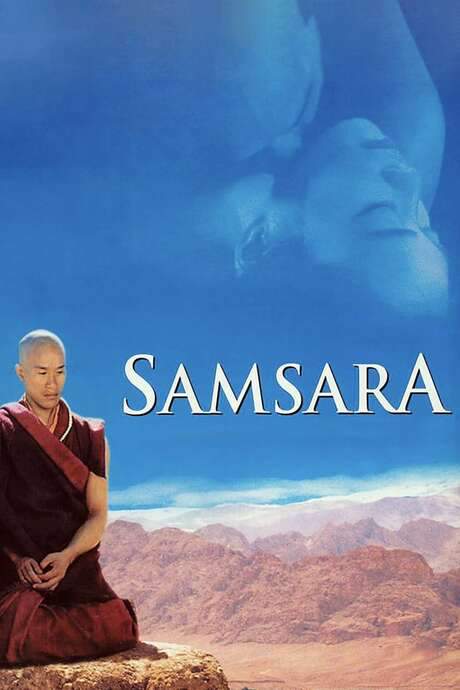
Samsara (2001) movie poster

Timeline

Samsara (2001) Timeline Explained – Every Event in Order

Release, runtime and language
2001 · 138 mins · Tibetan
Loading streaming availability…
Directed by
Pan Nalin
Starring
Shawn Ku, Jampa Kalsang Tamang, Christy Chung Lai-Tai, Neelesha Barthel, Lhakpa Tsering, Tenzin Tashi

A love story situated in the Himalayas. A Buddhist monk can’t choose between life and the way of the Buddha.

On this page (6)
  1. 1 Where to watch
  2. 2 Events in order (13)
  3. 3 Timeline questions answered
  4. 4 Movie threads
  5. 5 Movies like Samsara
  6. 6 Every angle
Loading streaming availability…

13 events in order · contains spoilers

Samsara Timeline: Events in Chronological Order

Every key event of Samsara (2001) in order, scene by scene, with when and where it takes place. Use it to untangle flashbacks, time jumps and parallel storylines, to refresh your memory before the sequel or to find the exact scene you are thinking of.

  1. Childhood monastic training begins

    Tashi begins his Buddhist monk training at age five. He learns discipline, study, and meditation within the temple. This period sets the foundation for his spiritual path.

    When
    Age 5
    Where
    Temple
  2. Three-year retreat and khenpo

    Twenty years of training culminate in a three-year solitary meditation. On completion, the rinpoche awards Tashi the degree of khenpo. This achievement cements his standing in the monastic community.

    When
    Age 25
    Where
    Temple
  3. Temple tensions emerge

    Tashi begins experiencing wet dreams, which strains his relationships at the temple. The moral and emotional strains threaten his focus and create tension with fellow monks.

    When
    Early adulthood
    Where
    Temple
  4. Official visit introduces Pema

    During an official visit, Tashi stays with a farmer and meets Pema, the farmer's daughter. The encounter plants the seeds for a life outside the monastery. He starts to question the path he is on.

    When
    During official visit
    Where
    Farmer's house
  5. Leaves monastic life to return to the farm

    He leaves monastic life and returns to the farm, joining migrant workers for the harvest. He seeks a life aligned with the land and the valley's people. The decision marks a radical shift from monk to lay laborer.

    When
    After official visit
    Where
    Farm
  6. Marriage to Pema

    After another encounter with Pema, they marry and settle on the farm. Their union blends spiritual history with pastoral life. This marriage establishes a pivotal family bond in the valley.

    When
    Shortly after leaving monastery
    Where
    Farm
  7. Birth of Karma

    Tashi and Pema have a son named Karma, anchoring their family. The boy represents a new generation in the valley and a personal milestone for Tashi. Family life deepens his ties to the land and community.

    When
    Some years after marriage
    Where
    Farm
  8. Ex-lama rises as farmer and landowner

    Tashi grows into a successful farmer and landowner, bringing harvests to the city instead of selling to the local merchant Dawa who cheats farmers. His business success shifts the valley's power dynamics. This move puts him at odds with those loyal to the old order.

    When
    After settling as farmer
    Where
    Valley and City
  9. Conflict with Jamayang

    Jamayang, Pema's former fiancé and a local stonemason, resents Tashi for disrupting the valley's traditional connection with Dawa. Tensions rise as power and money flow away from the old networks. The conflict foreshadows broader social tremors in the community.

    When
    After Tashi's success
    Where
    Valley
  10. Tashi's attraction to Sujata

    Tashi grapples with his sexuality and forms an attraction to Sujata, a migrant worker who returns to the farm each year. He struggles with his sexuality in the face of village expectations. The lure of companionship outside Pema becomes hard to ignore.

    When
    Years after marriage
    Where
    Farm
  11. Affair with Sujata while Pema is away

    While Pema goes to the city to sell their harvest, Tashi and Sujata have sex. She tells him that this has been something Sujata and Pema have talked about for years. The revelation deepens the sense of betrayal and guilt.

    When
    When Pema is away
    Where
    Farm
  12. Apo's death and a visit from a former lama

    A friend from Tashi's lama days visits and informs him that Apo, their mentor, has died. The news triggers guilt and reflection about his infidelity and his past vows. It marks a turning point toward withdrawal.

    When
    After affair
    Where
    Farm
  13. Return to the monastery

    Overwhelmed by guilt over his infidelity and Apo's death, Tashi leaves the farm to return to the monastery. He seeks forgiveness and a chance to reorient his life.

    When
    Soon after Apo's death
    Where
    Monastery

Last updated: January 28, 2026 at 12:45

Was this helpful?

Timeline questions answered

Samsara Timeline Explained: Your Questions Answered

When does it happen, and why in that order? The questions people ask about the chronology of Samsara (2001): time jumps, flashbacks, cause and effect between scenes and the correct order of events, each answered with spoilers.

Q1

Why did Tashi leave the monastery after becoming a khenpo?

Tashi left the monastery after meeting Pema during an official visit. Though he had achieved the respected degree of khenpo, he began questioning his path after encountering the farmer's daughter. The encounter awakened desires and doubts he had suppresse

Foreshadowing: Earlier scenes show Tashi struggling with wet dreams that created tension at the temple, suggesting his internal conflict with monastic life.

  • tashi
  • monastery
  • khenpo
  • leaves
  • spiritual path
Q2

Why did Tashi have wet dreams and why was this significant?

Tashi began experiencing wet dreams after completing his three-year meditation retreat. These sexual experiences challenged his vow of celibacy and created tension within the temple community. The incident strained his relationships with fellow monks and symbolized his internal struggle between spiritual devotion and worldly desires.

Foreshadowing: This happens after he emerges from three years of isolated meditation, suggesting the intensity of his training created psychological pressure.

  • wet dreams
  • tashi
  • temple
  • celibacy
  • monk
Q3

Why did Tashi choose Pema over the monastic life?

Tashi met Pema during an official visit to a farmer's household and felt a deep connection with her. This encounter sparked a fundamental questioning of his lifelong dedication to Buddhism. He chose to leave the monastery to pursue a worldly life with Pema, seeking fulfillment through human love and family rather than spiritual discipline.

Foreshadowing: During his official visit, Tashi stays with a farmer and encounters Pema, which marks the first time he seriously questions his path.

  • pema
  • tashi
  • love
  • marriage
  • monastery
Q4

What caused the conflict between Tashi and Jamayang?

Jamayang was Pema's former fiancé and the valley's stone mason. He resented Tashi because the ex-lama started selling harvests directly to the city instead of to local merchant Dawa, who had historically cheated farmers. This disrupted the valley's traditional economic relationships and power structures that Jamayang was part of.

Foreshadowing: Tashi's business success came from bypassing the old merchant system that had long controlled the valley's trade.

  • jamayang
  • conflict
  • da wa
  • business
  • valley
Q5

Why did Tashi have an affair with Sujata?

Tashi grappled with his sexuality throughout his years of marriage. Sujata was a migrant worker who returned to the farm annually, and Tashi felt increasing attraction to her. While Pema traveled to the city to sell their harvest, Tashi acted on this long-standing desire and began a sexual relationship with Sujata.

Foreshadowing: Years earlier, Tashi is described as grappling with his sexuality and attraction to Sujata, indicating the affair was a culmination of unresolved feelings.

  • sujata
  • affair
  • tashi
  • sexuality
  • migrant worker
Q6

What was the agreement between Sujata and Pema about the affair?

During their affair, Sujata revealed to Tashi that she and Pema had discussed this arrangement for years. This shocking revelation added another layer of complexity to the marriage, suggesting Pema may have tacitly accepted or expected Tashi's infidelity, though the arrangement remained unspoken and painful.

Foreshadowing: Sujata returns to the farm year after year, suggesting an established relationship with the family beyond typical seasonal labor.

  • sujata
  • pema
  • agreement
  • marriage
  • arrangement
Q7

Why did Tashi return to the monastery at the end?

Tashi returned to the monastery overwhelmed by guilt over his infidelity and the death of his mentor Apo. A former lama friend brought news of Apo's passing, which deepened Tashi's sense of failure regarding his spiritual vows. Burdened by betrayal of his wife and his mentor, he sought forgiveness and spiritual refuge.

Foreshadowing: The affair with Sujata occurs before Apo's death, creating mounting guilt that culminates with the mentor's passing.

  • tashi
  • monastery
  • return
  • guilt
  • apo death
Q8

Who was Apo and why did his death affect Tashi so deeply?

Apo was Tashi's mentor and spiritual teacher during his time as a Buddhist monk. When a former lama friend visits to inform Tashi of Apo's death, it triggers profound guilt over having broken his monastic vows through infidelity and abandoning his spiritual path. The loss of his mentor intensified Tashi's belief that he had failed both his teacher and his own spiritual calling.

Foreshadowing: Tashi had achieved the degree of khenpo under Apo's teaching, indicating a deep teacher-student bond.

  • apo
  • mentor
  • death
  • tashi
  • spiritual teacher
Q9

Why did Tashi start selling his harvest to the city instead of Dawa?

Dawa was the local merchant who had historically cheated the valley's farmers by offering unfair prices. Tashi, now a successful farmer and landowner, chose to bypass Dawa and sell directly in the city where he could get better prices. This business decision challenged the valley's traditional economic order and those who benefited from it.

Foreshadowing: Tashi's transition from monk to farmer represents a complete reversal of his former values, now prioritizing material success over spiritual principles.

  • dawa
  • city
  • harvest
  • business
  • merchant
Q10

What does the title "Samsara" mean in the context of this film?

Samsara is a Buddhist term referring to the endless cycle of birth, death, and rebirth driven by desire and suffering. The film depicts Tashi's circular journey from monk to farmer and back to monk again, representing his struggle to escape worldly attachments. His inability to maintain either the monastic path or family life reflects the Buddhist concept of suffering inherent in cyclic existence.

Foreshadowing: The entire narrative follows a cyclical pattern, with Tashi returning to where he started after failing to find peace in either world.

  • samsara
  • buddhism
  • cycle
  • rebirth
  • title meaning
Q11

Why did Tashi struggle with his sexuality as a monk?

After completing his three-year meditation retreat and earning his khenpo degree, Tashi began experiencing wet dreams that violated his celibacy vows. These experiences created moral and emotional strain within the temple community. This internal conflict between spiritual discipline and natural human desires ultimately contributed to his decision to leave monastic life.

Foreshadowing: His training included intense isolation and meditation, which may have intensified rather than suppressed his natural desires.

  • sexuality
  • celibacy
  • monk
  • struggle
  • desire
Q12

Why did Tashi leave his family (Pema and Karma) at the end?

Tashi abandoned his wife Pema and son Karma to return to the monastery because he was overwhelmed by guilt over his infidelity with Sujata and the death of his spiritual mentor Apo. He sought forgiveness and spiritual solace rather than facing the consequences of his actions within his family. This departure represents his inability to reconcile worldly responsibilities with his spiritual yearning.

Foreshadowing: The film establishes his pattern of fleeing from one life to another, when he left the monastery for Pema, and now leaving Pema for the monastery.

  • family
  • leaves
  • guilt
  • abandonment
  • monastery

Movie threads

More Movies Like Samsara, by Mood & Story

Curated lists built around what makes Samsara tick: the same mood, the same kind of story or the same emotional payoff. Each list explains why these movies belong together.

Movies About Spiritual Conflict Like Samsara

Characters grappling with the sacred and the profane in deeply personal crises. A collection of films like Samsara that explore the intense struggle between spiritual devotion and human desire. If you enjoyed the deep moral conflict in Samsara, you'll find similar stories of faith, temptation, and personal crisis here.

  • spiritual crisis
  • internal conflict
  • melancholic
  • regretful
  • tortured
  • contemplative
  • Tone: melancholic, contemplative
  • Pacing: slow, deliberate
Why these movies?

The story pattern: These narratives typically follow a character, often from a religious or disciplined background, who experiences a powerful attraction to worldly life—be it romance, freedom, or passion. This creates a central conflict that drives the story, exploring themes of guilt, sacrifice, and the search for redemption.

Why they belong together: Movies are grouped here because they share a heavy emotional weight, a melancholic tone, and a focus on the internal turmoil of a character caught between two powerful, opposing forces. The pacing is often deliberate, allowing for deep contemplation of the character's dilemma.


Somber Journeys of Regret Similar to Samsara

Quiet, sad stories about characters seeking peace after grave mistakes. Explore more films like Samsara that feature a melancholic journey and a sad ending centered on regret and the search for redemption. These movies share a heavy emotional weight, slow pacing, and a focus on profound personal transformation.

  • melancholic
  • regretful
  • heartbreaking
  • serene
  • contemplative
  • redemption
  • Tone: melancholic, regretful
  • Pacing: slow, meditative
Why these movies?

The story pattern: The narrative pattern involves a protagonist who makes a choice leading to deep regret, often involving betrayal or loss. The story then follows their slow, contemplative journey—sometimes through stunning but isolating landscapes—as they grapple with their actions and seek a form of peace or acceptance, culminating in a resolution that is more sorrowful than joyous.

Why they belong together: These films are united by their melancholic atmosphere, heavy emotional weight, and a pacing that allows the audience to sit with the character's regret. The endings are typically sad or bittersweet, emphasizing the lasting impact of the character's choices rather than a simple happy resolution.

If you liked this

Movies Like Samsara

Similar movies to Samsara: the same genre, themes or kind of story. Each one comes with its own plot summary, timeline and ending explained.

Browse all movie summaries

Every angle

Samsara (2001) Explained: Plot, Timeline & Characters

Everything about Samsara in one place: what happens in the plot summary, the timeline in chronological order, the characters and meaning and a spoiler-free summary. What's After the Movie adds the cast, box office and post-credit scenes.

Coming soon on iOS and Android

The Plot Explained Movie Summary App

Plot summaries, endings explained and timelines on your phone. Catch up on any movie in minutes, save your favorites and never miss a twist again.

Be the first to know when we launch. Your email stays private, always.

Learn more about the app